Down Syndrome
Down Syndrome is a genetic condition caused by extra chromosome 21 material. Learn symptoms, diagnosis, treatment options and lifelong care.
Quick answer
Down syndrome is a genetic condition caused by an extra copy of chromosome 21, which can affect physical development, learning, and overall health. Management focuses on early diagnosis, regular monitoring, and coordinated supportive care to address associated medical, developmental, and social needs at different stages of life.
Down Syndrome is a genetic condition in which a person has extra genetic material from chromosome 21, affecting growth, learning and some aspects of health. With early support, regular medical care and family-centered therapies, many children and adults with Down Syndrome can learn, participate in daily life and enjoy meaningful relationships.
Overview
Down Syndrome is a chromosomal condition caused by extra genetic material from chromosome 21. It is also known as trisomy 21 because many people with the condition have three copies of chromosome 21 instead of the usual two. This extra genetic material influences how the body and brain develop, which can affect growth, facial features, muscle tone, learning and certain medical risks.
Down Syndrome is not an illness that a child “catches,” and it is not caused by anything parents did or did not do during pregnancy. It occurs at conception when chromosomes are divided or arranged in an unusual way. The condition is lifelong, but its effects vary from person to person; some individuals need significant support, while others are able to study, work and live with varying degrees of independence.
There are three main genetic patterns. Trisomy 21 is the most common form, in which all or most cells have an extra chromosome 21. Translocation Down Syndrome occurs when extra chromosome 21 material is attached to another chromosome. Mosaic Down Syndrome means some cells have the extra chromosome material and others do not, which may lead to milder or variable features.
Modern care for Down Syndrome is proactive and multidisciplinary. Pediatricians, genetic specialists, cardiologists, ear, nose and throat doctors, ophthalmologists, endocrinologists, therapists, educators and family support teams may all be involved at different stages. The goal is to identify health needs early, support development and help each child reach their personal potential.
Symptoms
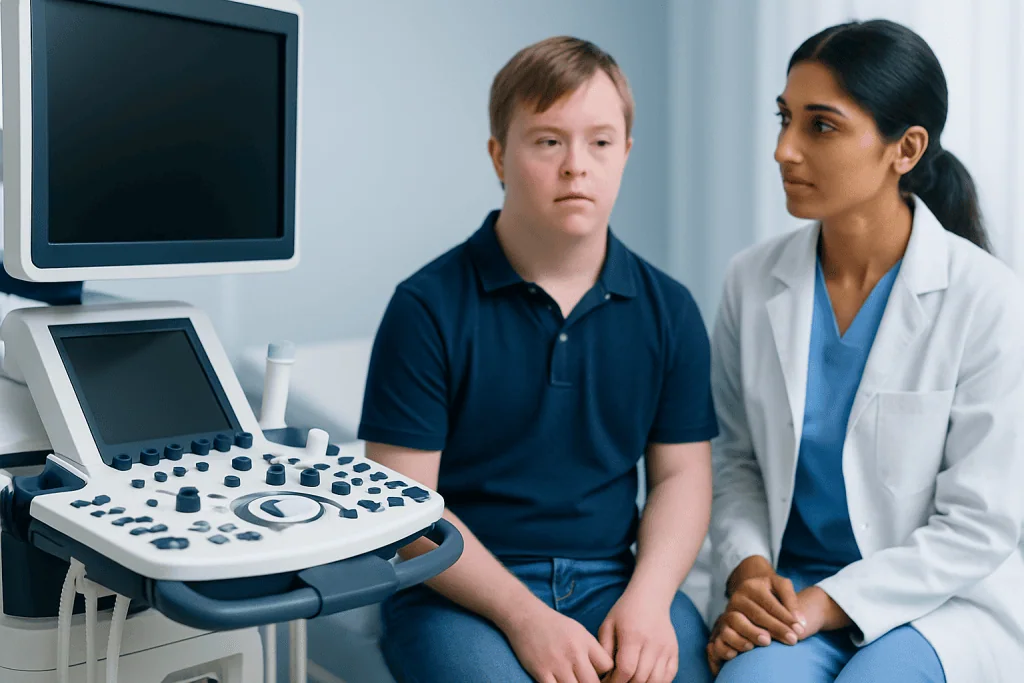
Down Syndrome symptoms and features differ widely. A baby may have low muscle tone, a flatter facial profile, upward-slanting eyes, a smaller nose or ears, a single crease across the palm, shorter hands or feet, and increased flexibility in the joints. These features can suggest the diagnosis, but they do not measure a child’s abilities or future development.
Developmental differences are common. Babies may take longer to gain head control, sit, crawl or walk because of low muscle tone and joint flexibility. Speech and language development may also be delayed, while social understanding, visual learning and response to routines may be strengths for many children. Learning support is usually most helpful when it begins early and is adapted to the child’s needs.
Some children with Down Syndrome have associated medical conditions. These may include congenital heart problems, hearing loss, vision problems, thyroid disorders, feeding difficulties, reflux, constipation, sleep-related breathing problems, blood disorders, dental differences, immune concerns or orthopedic issues. Not every child has these conditions, and many can be managed effectively when detected early.
Parents may notice signs that need medical attention, such as poor feeding, slow weight gain, frequent choking, persistent snoring, repeated ear infections, delayed responses to sound, crossed eyes, unusual tiredness or changes in behavior. Regular screening helps identify problems that may not be obvious at home, especially hearing, vision, thyroid function and sleep concerns.
Causes & Risk Factors
Down Syndrome is caused by extra chromosome 21 genetic material. In most cases, it happens because chromosome pairs do not separate in the expected way when egg or sperm cells are formed. This is called nondisjunction. When conception occurs, the developing baby has an extra copy of chromosome 21 in the cells.
The chance of having a baby with Down Syndrome increases with maternal age, but babies with Down Syndrome can be born to parents of any age. Most cases are not inherited and occur as a random chromosomal event. Translocation Down Syndrome can sometimes be inherited from a parent who carries a balanced chromosome rearrangement, so genetic counseling may be recommended when translocation is identified.
Risk factors do not mean a child will definitely have the condition. They simply help doctors decide which screening or diagnostic tests may be appropriate. Important considerations may include parental age, a previous pregnancy affected by a chromosome condition and family history of translocation. A genetic specialist can explain these factors in a clear, individualized way.
Because Down Syndrome is genetic, it is present from conception and cannot be prevented by diet, exercise, medicines or lifestyle measures. However, pregnancy care, prenatal screening and newborn assessment can help families prepare and ensure that any medical needs are identified promptly after birth.
Diagnosis
Down Syndrome may be suspected before birth through prenatal screening tests. Screening estimates the chance that a pregnancy may be affected, but it does not provide a definite diagnosis. Screening may include ultrasound findings, blood tests or cell-free DNA testing, depending on the pregnancy stage and local medical practice. A doctor or genetic counselor should explain the meaning, limits and possible next steps after any screening result.
A confirmed prenatal diagnosis requires diagnostic genetic testing. Procedures such as chorionic villus sampling or amniocentesis collect fetal genetic material for chromosome analysis. These tests can identify extra chromosome 21 material and may also distinguish between trisomy 21, translocation and mosaic forms. Because diagnostic procedures have benefits and risks, decisions should be made with a qualified obstetrician or genetic specialist.
After birth, doctors may suspect Down Syndrome based on physical features and newborn examination. The diagnosis is confirmed with a blood test called a chromosome analysis or karyotype, and sometimes additional genetic testing is used. Confirming the genetic type is important because it can guide counseling for the family and future pregnancy planning.
Once the diagnosis is confirmed or strongly suspected, a health evaluation is usually recommended. This may include heart assessment, hearing and vision checks, feeding evaluation, thyroid testing and review for digestive or breathing concerns. The timing and type of tests depend on the baby’s symptoms, examination findings and specialist recommendations.
Treatment Options
There is no treatment that removes the extra chromosome material, so care focuses on health monitoring, developmental support and management of associated conditions. The right approach is decided by specialists after a detailed assessment of the child’s medical needs, development, family priorities and age. A coordinated plan often gives families clearer guidance and avoids fragmented care.
Early intervention is a central part of Down Syndrome care. This may include physiotherapy to support strength and movement, occupational therapy to develop feeding and daily living skills, and speech and language therapy to help communication. Some children benefit from hearing support, visual learning strategies, sign-supported communication or structured educational plans. Therapy goals are adjusted over time as the child grows.
Medical treatment depends on associated conditions. Heart problems may require close monitoring, medication or surgery, depending on their type and severity. Hearing loss may be managed with ear care, hearing devices or other specialist treatments. Vision problems, thyroid disorders, sleep apnea, digestive problems, dental issues and orthopedic concerns are treated according to standard pediatric and specialist guidance.
Family support is also part of treatment. Parents may need help understanding test results, feeding concerns, developmental milestones, school planning and long-term care. A multidisciplinary team can help families make informed decisions while respecting the child’s individuality. Treatment should always be personalized by qualified doctors and therapists rather than based on a single general plan.
Living With / Prognosis
Living with Down Syndrome is a lifelong journey that includes medical care, learning support, social development and family adaptation. Many children make steady progress when they receive early intervention, consistent routines and positive expectations. Development may be slower, but progress is possible across childhood, adolescence and adulthood.
Education plans should focus on the child’s strengths as well as areas that need support. Many children benefit from inclusive learning environments, individualized education plans, speech and language support, visual teaching methods and opportunities for social participation. Families and teachers can work together to encourage independence in self-care, communication and daily routines.
As children become teenagers and adults, care often includes attention to mental health, sleep, weight management, thyroid function, hearing and vision, mobility, social relationships and vocational skills. Adults with Down Syndrome may need different levels of support for work, community life and medical decision-making. Regular follow-up remains important because some health conditions can develop later or change over time.
Prognosis depends on the individual’s health conditions, access to care, family and educational support, and personal abilities. A respectful, person-centered approach helps individuals with Down Syndrome participate in family and community life. Acibadem International’s multidisciplinary specialists and JCI-accredited hospitals diagnose and treat Down Syndrome-related health needs for international patients, with care coordinated according to each patient’s assessment.
When to See a Doctor
Parents should see a doctor if Down Syndrome is suspected during pregnancy, after birth or at any point in a child’s development. A pediatrician, obstetrician or genetic specialist can explain testing options, confirm the diagnosis and arrange appropriate health checks. Early medical review helps identify conditions that may need prompt attention, especially heart, feeding, hearing or breathing concerns.
Families should seek medical advice if a baby has poor feeding, difficulty breathing, bluish color around the lips, excessive sleepiness, poor weight gain, repeated vomiting, constipation that does not improve or signs of infection. In older children, persistent snoring, pauses in breathing during sleep, reduced hearing, vision changes, new behavior changes, loss of skills, unexplained tiredness or neck pain should be discussed with a doctor.
Regular well-child visits and specialist screenings are important even when the child appears well. Some conditions linked to Down Syndrome, such as hearing loss, vision problems or thyroid imbalance, may develop gradually. Routine follow-up allows problems to be found early and treated before they affect learning, growth or comfort.
Parents and caregivers should also ask for support when they feel uncertain, overwhelmed or in need of practical guidance. A qualified healthcare team can connect families with therapy services, genetic counseling, education resources and community support. Medical advice should always be individualized to the child rather than based only on general information.
Frequently asked questions
What is Down Syndrome?
Down Syndrome is a genetic condition caused by extra genetic material from chromosome 21. It affects development, learning and some health risks, but each person has individual strengths and needs. It is present from conception and is not caused by anything parents did during pregnancy.
Is Down Syndrome the same as trisomy 21?
Trisomy 21 is the most common genetic form of Down Syndrome, in which cells have three copies of chromosome 21. Down Syndrome can also occur due to translocation or mosaic chromosome patterns. Genetic testing can identify which type is present.
Can Down Syndrome be diagnosed before birth?
Yes, prenatal screening can estimate the chance of Down Syndrome during pregnancy. A definite diagnosis requires diagnostic genetic testing, such as chromosome analysis from fetal cells. Parents should discuss the benefits, limits and risks of each test with an obstetrician or genetic counselor.
What health problems are common in children with Down Syndrome?
Some children may have congenital heart problems, hearing loss, vision problems, thyroid disorders, feeding difficulties, sleep-related breathing problems or digestive issues. Not every child has these conditions. Regular screening helps doctors find and manage concerns early.
How is Down Syndrome treated?
Down Syndrome itself cannot be cured, but many associated health and developmental needs can be supported. Treatment may include early intervention therapies, specialist medical care, surgery for certain conditions, hearing or vision support and educational planning. The best approach is decided by specialists after assessing the individual child.
Can children with Down Syndrome go to school?
Yes, children with Down Syndrome can learn and attend school with appropriate support. Many benefit from individualized education plans, speech and language therapy, visual learning tools and inclusive social opportunities. Educational goals should be realistic, encouraging and tailored to the child’s abilities.
Do people with Down Syndrome need lifelong medical care?
Yes, regular follow-up is recommended throughout life because health needs can change with age. Ongoing care may include checks for hearing, vision, thyroid function, sleep, heart health, mobility and mental well-being. Lifelong care helps support comfort, independence and quality of life.
References
- World Health Organization
- Centers for Disease Control and Prevention
- American Academy of Pediatrics
- National Down Syndrome Society
- Genetics Home Reference, National Library of Medicine
This article is for general information only and is not a substitute for professional medical advice. Please consult a qualified doctor about your individual situation.
Doctors Who Treat This Condition
Prof. Dr. Agop Çıtak
Pediatrics
Prof. Dr. Ali Bülent Antmen
Pediatrics
Prof. Dr. Ayhan Çevik
Pediatric Cardiology
Prof. Dr. Ayşe Sarioğlu
Pediatric Cardiology
Prof. Dr. Aziz Polat
Pediatrics
Prof. Dr. Canan Ayabakan
Pediatric Cardiology
Prof. Dr. Cengiz Canpolat
Pediatrics & Pediatric Oncology
Prof. Dr. Coşkun Çeltik
Pediatrics
Prof. Dr. Gökhan Aydemir
Pediatrics
Prof. Dr. Gül Sağın Saylam
Pediatric Cardiology
Prof. Dr. Kazım Üzüm
Pediatric Cardiology