Facial Trauma
Facial Trauma means injury to the face, jaw, nose or eye area. Learn symptoms, causes, diagnosis, treatment and when to seek care.

Quick answer
Facial trauma is an injury to the bones, soft tissues, teeth, or eyes of the face and may range from cuts and fractures to damage that affects breathing, vision, or bite alignment. At Acibadem in Turkey, facial trauma is evaluated with physical examination and imaging, then treated according to the injury with wound care, fracture stabilization or surgery, and support…
Facial Trauma is an injury to the soft tissues, bones, teeth, nerves or important structures of the face, often caused by falls, traffic accidents, sports injuries or violence. It can range from cuts and bruises to complex fractures that affect breathing, vision, chewing, speech and appearance.
Overview
Facial Trauma is any injury that affects the face, including the skin, lips, nose, cheeks, forehead, eye area, jaw, teeth or underlying facial bones. It may be mild, such as a bruise or small cut, or more complex, such as a broken jaw, cheekbone fracture, nasal fracture or injury around the eye socket. Because the face is closely connected to breathing, vision, speech, chewing and personal appearance, facial injuries deserve careful medical assessment.
Facial Trauma can involve soft tissues, bones or both. Soft tissue injuries include cuts, abrasions, bruising, burns and damage to facial muscles, salivary ducts or nerves. Bony injuries may involve the nose, cheekbone, upper jaw, lower jaw, forehead, orbit around the eye or multiple areas at the same time. Teeth and gums can also be injured, especially when trauma affects the mouth or jaw.
Some facial injuries are obvious immediately, while others become clearer as swelling develops over several hours. A person may look relatively well at first but later notice bite changes, numbness, increasing pain, double vision or difficulty opening the mouth. For this reason, persistent symptoms after a facial injury should not be ignored.
Symptoms
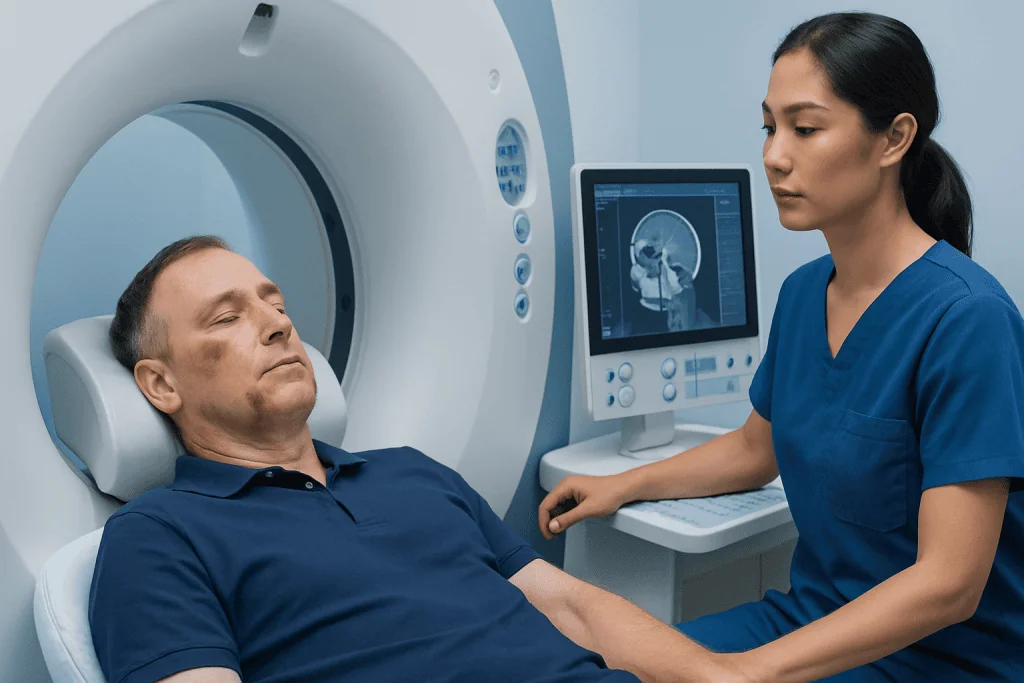
Symptoms of Facial Trauma depend on the location, depth and force of the injury. Common symptoms include pain, swelling, bruising, bleeding, tenderness, facial asymmetry and difficulty moving part of the face. Cuts may be superficial or deep, and wounds near the lips, eyelids, nose or ears often need careful repair to preserve function and appearance.
Signs that may suggest a facial fracture include a visibly crooked nose, flattened cheek, jaw misalignment, teeth that no longer meet normally, pain when biting, difficulty opening the mouth, or a step-like irregularity along the bone. Numbness in the cheek, upper lip, lower lip or chin can occur when nerves are irritated, stretched or compressed by swelling or a fracture.
Eye-related symptoms require particular attention. These may include double vision, blurred vision, pain with eye movement, swelling around the eye, a sunken or protruding eye appearance, or inability to move the eye normally. Nose and airway symptoms can include nosebleeds, nasal blockage, clear fluid leakage from the nose after significant trauma, noisy breathing or difficulty breathing.
Facial Trauma may also cause dental and mouth symptoms, such as broken, loose or displaced teeth, gum bleeding, lip lacerations, tongue injuries or pain when chewing. In more serious injuries, headache, confusion, vomiting, neck pain or loss of consciousness may suggest associated head or neck injury and needs urgent medical evaluation.
Causes & Risk Factors
Facial Trauma most often results from a direct blow or high-energy impact to the face. Common causes include road traffic accidents, falls, bicycle or scooter injuries, sports injuries, workplace accidents, animal bites and physical assault. In children and older adults, falls are an especially common cause of facial injury, although the pattern and severity can vary widely.
The type of injury often reflects the direction and force of impact. A blow to the nose may cause a nasal fracture, while side impact to the cheek can injure the cheekbone or eye socket. A fall onto the chin may transmit force to the lower jaw or jaw joint. High-energy accidents may cause several fractures at once and may also involve the head, neck, chest or other parts of the body.
Risk factors include activities with a higher chance of impact, such as contact sports, cycling without protective equipment, motor vehicle use, certain manual occupations and environments with fall hazards. Alcohol or substance use can increase the risk of accidents and may make injuries harder to assess. Medical conditions that affect balance, vision or bone strength may also contribute to the risk of falls and fractures.
Protective measures can reduce risk but cannot prevent every injury. Seat belts, helmets, mouthguards, workplace face protection, safe sports technique and fall-prevention strategies are important. After an injury occurs, prompt assessment is the best way to identify hidden damage and plan appropriate care.
Diagnosis
Diagnosis of Facial Trauma begins with a careful medical history and physical examination. The doctor asks how the injury happened, when it occurred, whether there was loss of consciousness, and whether the person has symptoms such as vision change, bite change, numbness, breathing difficulty or dental injury. The examination may include inspection of the face, mouth, nose and eyes, assessment of facial sensation and movement, and checking the way the teeth meet.
Imaging may be needed when a fracture or deeper injury is suspected. A CT scan is commonly used for complex facial injuries because it gives detailed information about facial bones and the eye sockets. X-rays may be used in selected situations, especially for dental or jaw assessment, but they are not always sufficient for complex injuries. Photographs may be taken for documentation and treatment planning.
Facial Trauma often requires a multidisciplinary evaluation. Depending on the injury, assessment may involve plastic and reconstructive surgeons, maxillofacial surgeons, ear, nose and throat specialists, ophthalmologists, dentists, orthodontists, neurosurgeons or emergency medicine doctors. Eye symptoms, dental injuries and suspected head or neck injury are assessed carefully because they can influence treatment timing and priorities.
Diagnosis also includes checking for urgent problems before focusing on reconstruction. Doctors first ensure that the airway, breathing and circulation are stable and that life-threatening injuries are not missed. Once the person is safe, the team can evaluate facial wounds and fractures in more detail and decide whether treatment can be provided immediately or should be staged.
Treatment Options
Treatment for Facial Trauma depends on the severity, location and type of injury, as well as the person’s general health and whether other injuries are present. The right approach is decided by a qualified specialist after assessment. The main goals are to protect vital functions, restore facial structure, support healing, reduce infection risk, preserve vision and dental function, and achieve the best possible cosmetic result.
Soft tissue injuries may be managed with wound cleaning, removal of debris, careful closure of cuts, dressing care and follow-up for healing. Injuries involving the lips, eyelids, nose, ears or facial nerves may need specialized repair because small changes in these areas can affect expression, closure, speech or appearance. Bite wounds, contaminated wounds or deep lacerations require particular attention to cleaning and infection prevention.
Fracture treatment may be non-surgical or surgical. Some stable fractures can be monitored with pain control, diet changes and follow-up, while displaced or functionally important fractures may need realignment and fixation. Surgical repair may use plates, screws, wires or other techniques to restore the position of facial bones. Jaw injuries may require management of the bite, temporary diet changes or dental and orthodontic support.
Additional treatment may include dental care for broken or displaced teeth, eye care for orbital injuries, nasal care for breathing problems, scar management, physiotherapy for jaw movement, speech or swallowing support when needed, and psychological support after traumatic injury. The treatment plan may be adjusted over time as swelling decreases and healing progresses.
Living With / Prognosis
Recovery after Facial Trauma varies widely. Minor bruises and small cuts may heal within a short period, while fractures, nerve symptoms, dental injuries and scars may require longer follow-up. Swelling and bruising are usually most noticeable early in recovery and gradually improve. Some changes, such as numbness or stiffness, can take weeks or months to settle, depending on the injury.
During healing, patients are usually advised to follow their specialist’s instructions about wound care, oral hygiene, diet, activity restrictions and follow-up appointments. A soft diet may be recommended for certain jaw or mouth injuries, and avoiding further impact is important until bones and tissues have healed. Smoking can impair wound and bone healing, so patients should discuss cessation support with their doctor if relevant.
Scars can continue to mature for many months. Protection from sun exposure, appropriate skin care and planned scar follow-up may improve the final appearance. If scars, asymmetry, bite problems or breathing issues remain after healing, reconstructive options may be considered later. These decisions are individualized and should be discussed with the treating specialist.
Most people benefit from coordinated care, especially when injuries involve the eyes, teeth, jaws or several facial areas. Acibadem International’s multidisciplinary specialists and JCI-accredited hospitals diagnose and treat Facial Trauma for international patients, with care planned according to the individual injury and medical needs.
When to See a Doctor
A doctor should assess any facial injury that causes significant pain, swelling, bleeding, deformity, deep cuts, dental damage or symptoms that do not improve. Medical care is especially important if the injury affects the eyes, nose, mouth, jaw or ears. Even when the skin injury appears small, deeper structures may be affected.
Urgent medical attention is needed for difficulty breathing, heavy bleeding, loss of consciousness, confusion, repeated vomiting, severe headache, seizure, neck pain, clear fluid from the nose or ear after trauma, or any worsening neurological symptom. Urgent assessment is also needed for vision loss, double vision, severe eye pain, inability to move the eye normally or a suspected open injury near the eye.
Patients should seek prompt care if they notice a changed bite, inability to open or close the mouth normally, loose or missing teeth, facial numbness, a crooked nose with breathing difficulty, or a wound that is deep, contaminated or caused by an animal or human bite. Early evaluation allows doctors to clean wounds properly, identify fractures and plan treatment before healing begins in an incorrect position.
Frequently asked questions
What is Facial Trauma?
Facial Trauma is an injury to the face, including the skin, muscles, nerves, teeth, nose, jaws, cheekbones or eye sockets. It can be caused by falls, accidents, sports injuries or direct impact. The injury may be mild or may involve fractures and important facial functions.
How do doctors know if a facial bone is broken?
Doctors look for signs such as deformity, swelling, numbness, bite changes, pain with chewing, double vision or difficulty moving the jaw. Imaging, often a CT scan, may be used to confirm the fracture and show its exact location. Dental or eye assessment may also be needed depending on the symptoms.
Does every facial fracture need surgery?
No. Some facial fractures are stable and can heal with observation, symptom control and follow-up. Surgery may be recommended when a fracture is displaced, affects the bite, interferes with eye movement or breathing, or is likely to heal poorly without realignment. A specialist decides the safest approach after examination and imaging.
When is Facial Trauma an emergency?
Facial Trauma is an emergency if there is difficulty breathing, heavy bleeding, loss of consciousness, confusion, repeated vomiting, severe headache, vision loss or major eye symptoms. A changed bite, deep facial cuts, loose teeth, severe swelling or facial deformity also need prompt medical assessment. When in doubt, urgent care is safer.
Can Facial Trauma cause permanent scars or numbness?
Some facial injuries can leave scars or temporary numbness, especially when cuts are deep or nerves are bruised. Many scars improve over time, and numbness may gradually recover, but the outcome depends on the type of injury. Early specialist repair and follow-up can help reduce long-term effects.
What should someone do immediately after a facial injury?
If the injury is serious, emergency medical help should be sought. For minor injuries, gentle pressure can be applied to bleeding with clean gauze, and the person should avoid manipulating the wound or trying to realign the nose or jaw. Any vision change, breathing problem, deep cut, dental injury or suspected fracture should be assessed by a doctor.
References
- World Health Organization
- American Association of Oral and Maxillofacial Surgeons
- American Society of Plastic Surgeons
- American Academy of Otolaryngology-Head and Neck Surgery
- American Academy of Ophthalmology
This article is for general information only and is not a substitute for professional medical advice. Please consult a qualified doctor about your individual situation.
Treatments for This Condition
Doctors Who Treat This Condition

Prof. Dr. Bülent Saçak
Aesthetic Plastic & Reconstructive Surgery
Prof. Dr. Ersin Ülkür
Aesthetic Plastic & Reconstructive Surgery
Prof. Dr. Hakan Ağır
Aesthetic Plastic & Reconstructive Surgery
Prof. Dr. Mehmet Veli Karaaltın
Aesthetic Plastic & Reconstructive Surgery
Prof. Dr. Çiğdem Ünal Gülmeden
Aesthetic Plastic & Reconstructive Surgery
Prof. Dr. Şükrü Yazar
Aesthetic Plastic and Reconstructive Surgery
Dr. Burak Sercan Erçin
Aesthetic Plastic & Reconstructive Surgery
Dr. Cem Öz
Aesthetic Plastic & Reconstructive Surgery
Dr. Mahmut Özyilmaz
Aesthetic Plastic & Reconstructive Surgery
Dr. Mehmet Severcan
Aesthetic Plastic & Reconstructive Surgery
Dr. Mithat Ulay
Aesthetic Plastic & Reconstructive Surgery
Dr. Mutluhan Temizsoy
Aesthetic Plastic & Reconstructive SurgeryRelated Articles

Aesthetic Foot Surgery Scars: Where Incisions Are Placed and What to Expect

Brow Lift Results: How Long They Last and What Affects Longevity

What Is Aesthetic Breast Surgery Recovery Really Like?

Breast Reconstruction: How to Prepare Physically and Emotionally for Surgery
Congenital Nevi: How Dermatologists and Surgeons Assess Size, Location, and Risk

Congenital Nevi: Causes, Types, and How They Can Change Over Time

Breast Prosthesis Removal: What Results Are Realistic Without Replacement?

Knee Surgery Price: Costs by Procedure and Treatment Plan

Cosmetic Surgery Cost: Common Procedures and Price Factors

How Much Does Bariatric Surgery Cost?

Cost of Plastic Surgery: What Affects the Total Price?