

What Is Aesthetic Breast Surgery Recovery Really Like?

Most people can expect swelling, tightness, bruising, and fatigue in the first days after surgery. Recovery time varies by procedure, such as augmentation, lift, reduction, fat transfer, or implant removal.
Key Takeaways
- Most people can expect swelling, tightness, bruising, and fatigue in the first days after surgery.
- Recovery time varies by procedure, such as augmentation, lift, reduction, fat transfer, or implant removal.
- Following wound care, garment use, activity limits, and follow-up instructions supports safer healing.
- Final breast shape and scar maturation usually take weeks to months, not just a few days.
- Severe pain, fever, spreading redness, or sudden swelling should be assessed by a doctor promptly.
Aesthetic breast surgery recovery is a gradual process that usually starts with soreness, swelling, and limited activity, then improves step by step over the following weeks. The exact timeline depends on the type of surgery, the person’s overall health, and how closely aftercare instructions are followed.
Overview: what recovery is really like
Aesthetic breast surgery recovery is often more manageable than many people expect, but it still requires planning, patience, and realistic expectations. Whether a person has aesthetic breast surgery for enhancement, lifting, reshaping, or symptom relief, the body needs time to heal. Recovery is not only about the first few days after the procedure; it also includes the gradual settling of swelling, softening of tissues, and maturation of scars over the following weeks and months.
Many people notice the biggest changes in the first one to two weeks. During this phase, there may be discomfort, tightness, bruising, tiredness, and limited arm or upper-body movement. These early symptoms are usually expected and tend to improve steadily with rest, pain control, and careful aftercare.
It is also important to understand that different procedures have different recovery patterns. Recovery after breast augmentation may feel different from healing after breast lift surgery or breast reduction. Incision placement, implant use, tissue removal, internal sutures, and the extent of reshaping all influence how healing feels and how long it takes.
Emotional recovery matters too. Some people feel pleased right away, while others feel uncertain during the early swollen stage. This is common. The breasts often sit higher, look firmer, or appear uneven at first, and it can take time before the final result becomes clearer.
Common symptoms after surgery
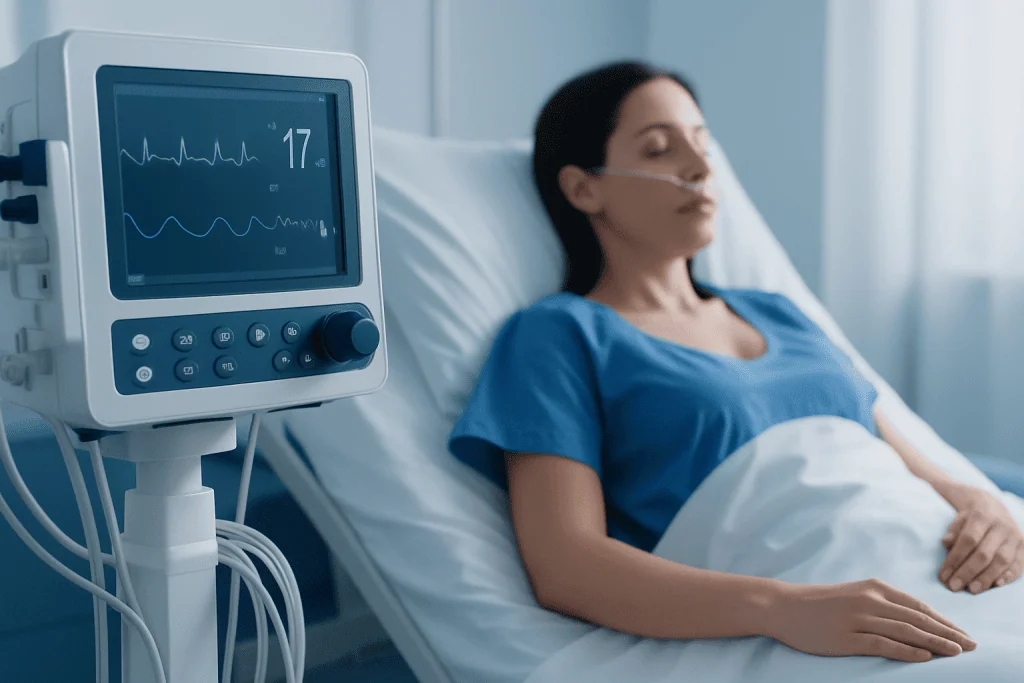
In the first days after surgery, it is common to have soreness, pressure, swelling, bruising, and a feeling of tightness across the chest. Some people describe the area as heavy, stiff, or sensitive to touch. Mild fatigue is also common because the body is using energy to heal.
Numbness or temporary changes in sensation can happen around the breasts, nipples, and nearby skin. These sensations may include tingling, burning, itching, or brief shooting feelings as nerves recover. In many cases, sensation improves gradually, though the timing differs from one person to another.
Drainage tubes are sometimes used, especially in more extensive procedures such as reductions, lifts combined with other surgery, or reconstruction-related operations. If drains are placed, the surgeon usually gives clear instructions on emptying, measuring, and watching the fluid. Support garments such as a surgical bra may also be recommended to reduce swelling and help support healing tissues.
Symptoms that are usually expected include:
- Mild to moderate pain controlled with prescribed or recommended medicines
- Bruising and swelling that peak early and then slowly improve
- Difficulty lifting the arms fully for a short period
- Temporary sleep discomfort, especially when lying flat
- Firmness or a “high” breast position before tissues settle
Recovery timeline: from the first day to the next few months
The first 24 to 72 hours are usually the most uncomfortable. Most people need rest, help with daily tasks, and regular pain relief during this time. Gentle walking is often encouraged soon after surgery to support circulation, but strenuous activity is avoided. Sleeping on the back with the upper body slightly elevated is commonly advised in the early phase.
By the end of the first week, many people feel better but are not yet fully comfortable. Swelling and bruising usually remain visible, and lifting, pushing, pulling, and overhead arm movements may still be limited. Depending on the procedure and the person’s job, returning to desk-based work may be possible within about one to two weeks, but more physically demanding work may require longer recovery.
Over weeks two to six, energy often improves and discomfort decreases significantly. The breasts may still feel firm, swollen, or uneven, but healing is progressing. Exercise restrictions are usually lifted gradually rather than all at once. High-impact workouts, heavy lifting, chest-focused exercise, and swimming may need to wait until the surgeon confirms that internal healing is strong enough.
By several months after surgery, much of the swelling has settled, scars begin to soften, and the breast shape becomes more natural. However, final results can continue to evolve for many months. This is especially true after larger reshaping procedures, implant exchange, or breast fat transfer, where tissue settling can take time.
What affects healing time and comfort
Recovery is not identical for everyone. The type of operation is one of the biggest factors. A smaller implant-based procedure may involve less tissue trauma than a breast reduction or combined lift and implant surgery. If a person is also having correction of asymmetry, revision surgery, or treatment related to gynecomastia in a broader chest contouring plan, recovery needs may differ.
General health also matters. Smoking, uncontrolled diabetes, poor nutrition, certain medications, and previous scarring problems can affect wound healing. People with a personal or family tendency toward thick scars may want to ask about scar prevention strategies, especially if there is concern about keloid scars.
Body position, activity level, and adherence to aftercare instructions can also influence comfort and healing. Doing too much too soon may increase swelling, bleeding risk, or discomfort. On the other hand, gentle movement, adequate hydration, balanced nutrition, and proper rest can support recovery.
Psychological expectations can shape the experience as well. Understanding that swelling, asymmetry in the early phase, and temporary shape changes are often normal can help reduce unnecessary worry. Clear communication with the surgical team before and after the procedure is one of the best ways to feel prepared.
Aftercare, wound care, and scar healing
Good aftercare helps protect the result and reduce complications. Patients are usually advised to keep incisions clean and dry, wear the recommended support bra or dressing, avoid pressure on the chest, and follow instructions about showering and changing bandages. The surgeon may also advise when it is safe to resume driving, lifting children, or sleeping in a more usual position.
Scar healing takes longer than many people expect. Incisions may look pink, raised, or firm at first, and this does not necessarily mean something is wrong. Over time, most scars fade and soften, though they rarely disappear completely. Sun protection is important because fresh scars can darken with ultraviolet exposure.
Many people ask when they can massage the breasts or apply scar products. The answer depends on the procedure and the stage of healing. Massaging too early or using creams before the incisions are sufficiently closed can be unhelpful or even harmful. It is safest to use only the products and timing recommended by the surgeon.
Helpful self-care steps may include:
- Taking medicines exactly as directed
- Wearing compression or support garments as advised
- Eating protein-rich, balanced meals and drinking enough fluids
- Avoiding smoking and nicotine products during healing
- Attending all scheduled follow-up visits
Possible risks and warning signs
Most people recover without serious problems, but every operation carries some risks. These can include bleeding, fluid collection, infection, delayed wound healing, visible scarring, asymmetry, changes in nipple sensation, or dissatisfaction with the final shape. Implant-based procedures may also have implant-specific considerations, while larger reductions and lifts can involve longer incision healing.
It is normal to have some swelling and discomfort, but certain signs need prompt medical attention. These include fever, rapidly increasing redness, foul-smelling drainage, sudden one-sided swelling, severe pain that is not controlled, shortness of breath, or calf pain. A wound that opens, skin that turns dark, or persistent drainage should also be assessed without delay.
People should not compare their healing too closely with someone else’s. One person may bruise more, another may swell longer, and another may have slower scar fading. What matters most is whether healing is moving in the right direction and whether the surgeon is satisfied with progress at follow-up visits.
If concerns arise, contacting the surgical team early is usually the best approach. Reassurance can often be given when symptoms are normal, and if treatment is needed, early review is generally safer than waiting.
When to return to normal activities and when to seek medical advice
Returning to routine activities should be gradual. Light walking is often started early, while heavy lifting, intense exercise, sexual activity, upper-body workouts, and sleeping on the stomach may need to wait for several weeks. Air travel, long car rides, and returning to childcare responsibilities may also need planning, especially in the first one to two weeks.
Follow-up appointments are an important part of recovery because healing is not judged only by how a person feels. The surgeon checks incision healing, swelling, breast position, scar development, and any signs of fluid buildup or infection. These visits are also a good time to ask about bras, exercise, scar care, and timelines for returning to work or travel.
A person should seek medical advice if recovery seems to stall, pain suddenly worsens, new asymmetry appears quickly, or there is uncertainty about medications or wound care. Even symptoms that are not emergencies can still be worth discussing. Clear guidance can prevent confusion and reduce stress during healing.
For international patients, practical planning can make recovery smoother, including arranging support after discharge and allowing enough time before travel. Near the end of the treatment journey, some patients choose centers with coordinated aftercare; Acibadem International’s multidisciplinary specialists in JCI-accredited hospitals diagnose and treat patients seeking procedures such as breast prosthesis removal and other breast aesthetic operations with structured follow-up when appropriate.
Frequently asked questions
How long does aesthetic breast surgery recovery usually take?
Initial recovery often takes one to two weeks, but this depends on the exact procedure and the person’s general health. Swelling, scar maturation, and final shape changes can continue improving over several months.
Is breast surgery recovery very painful?
Most people describe recovery as uncomfortable rather than unbearable. Soreness, tightness, and pressure are common at first, and these symptoms are usually managed with the pain relief plan provided by the surgeon.
When can someone go back to work after breast surgery?
Some people with desk-based jobs return within about one to two weeks. Those with physically demanding work, frequent lifting, or repetitive upper-body activity may need a longer recovery period and should follow their surgeon’s advice.
How long do swelling and bruising last after aesthetic breast surgery?
Bruising often improves over the first couple of weeks, while swelling may take longer to settle. Mild residual swelling can remain for weeks or even months, especially after larger reshaping procedures.
When is it safe to exercise again?
Gentle walking is often encouraged early, but strenuous exercise usually needs to wait. The timing depends on the procedure, the extent of healing, and whether the activity places strain on the chest or arms.
What symptoms after surgery should not be ignored?
Fever, increasing redness, sudden swelling on one side, worsening pain, shortness of breath, or unusual wound drainage should be assessed promptly. These symptoms do not always mean a serious complication, but they should not be ignored.
References
- American Society of Plastic Surgeons
- National Health Service
- Mayo Clinic
- U.S. Food and Drug Administration
- International Society of Aesthetic Plastic Surgery
This article is for general information only and is not a substitute for professional medical advice. Please consult a qualified doctor about your individual situation.
Aesthetic Breast Surgery in Turkey — costs, top hospitals & a free quote
JCI-accredited · board-certified surgeons · reply within 24h
Add us as a Preferred Source to see more of our trusted health content across Google Search, AI Overviews and Discover.

Plastic, Reconstructive & Aesthetic Surgery
Reconstructive and aesthetic procedures for the face and body, performed by experienced surgeons.
35 specialists in this unitRelated Treatments
Related Conditions
More from the Health Library



Related Specialists

Prof. Dr. Şükrü Yazar
Aesthetic Plastic & Reconstructive Surgery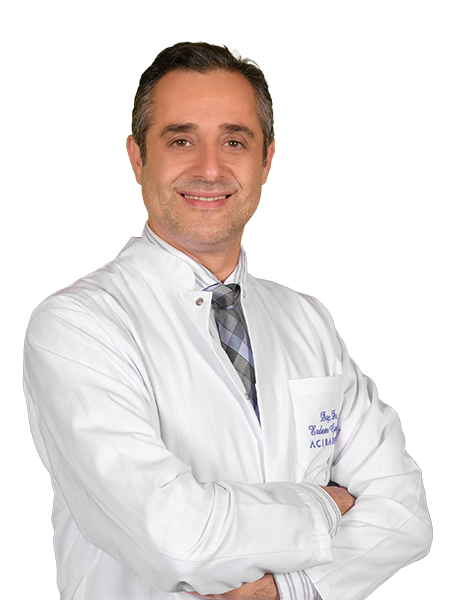
Assoc. Prof. Dr. Erdem Güven (m)
Aesthetic Plastic & Reconstructive Surgery
Prof. Dr. Hakan Ağır
Aesthetic Plastic & Reconstructive Surgery
Prof. Dr. Bülent Saçak
Aesthetic Plastic & Reconstructive Surgery