

Rhinoplasty in Turkey: Treatment Guide

Rhinoplasty in Turkey is surgery to reshape the nose for aesthetic improvement, better breathing, or both, with the technique tailored to the patient’s nasal structure and goals. At Acibadem, evaluation includes facial and nasal assessment, and treatment may involve open or closed rhinoplasty to modify bone, cartilage, and soft tissue under general anesthesia.
This guide explains what rhinoplasty in Turkey involves, who may be suitable, how the patient journey is planned, what recovery is like, and how Acibadem International supports you before, during and after travel. It is designed to help you prepare realistic questions for your specialist consultation.
At a glance
- Procedure type: Surgical reshaping of the nose, sometimes combined with functional nasal surgery
- Purpose: To improve nasal shape, proportion, symmetry and, when needed, breathing function
- Anesthesia: Usually general anesthesia
- Hospital stay: Often same-day discharge or 1 night, depending on your procedure and medical evaluation
- Estimated recovery: Bruising and swelling usually improve within 1-3 weeks; internal healing continues longer
- Return to daily life: Many patients return to light daily activities in 7-14 days, with surgeon approval
- Final result timeline: Nasal refinement may continue for 6-12 months or longer, especially at the tip
- Suitable department: Plastic, Reconstructive and Aesthetic Surgery; Ear, Nose and Throat for functional concerns
- International patient support: Online evaluation, interpreters, airport transfers, accommodation guidance and remote follow-up
What is this treatment?
Rhinoplasty is an operation that reshapes the nose. It may change the bridge, tip, nostrils, overall size, angle or profile of the nose so that it fits more naturally with your facial features. For some people, rhinoplasty is mainly cosmetic; for others, it is combined with treatment for breathing problems related to the nasal septum, nasal valves or previous trauma.
A good rhinoplasty plan is not based on one standard nose shape. Your surgeon evaluates your facial proportions, skin thickness, cartilage strength, nasal bones, breathing function and personal goals. The aim is to create a balanced result that looks natural for you, while protecting or improving nasal function whenever possible.
At Acibadem International, rhinoplasty planning can involve Plastic, Reconstructive and Aesthetic Surgery specialists and, when breathing issues are present, Ear, Nose and Throat specialists. This multidisciplinary approach helps ensure that both appearance and function are considered before surgery.
When is it recommended?
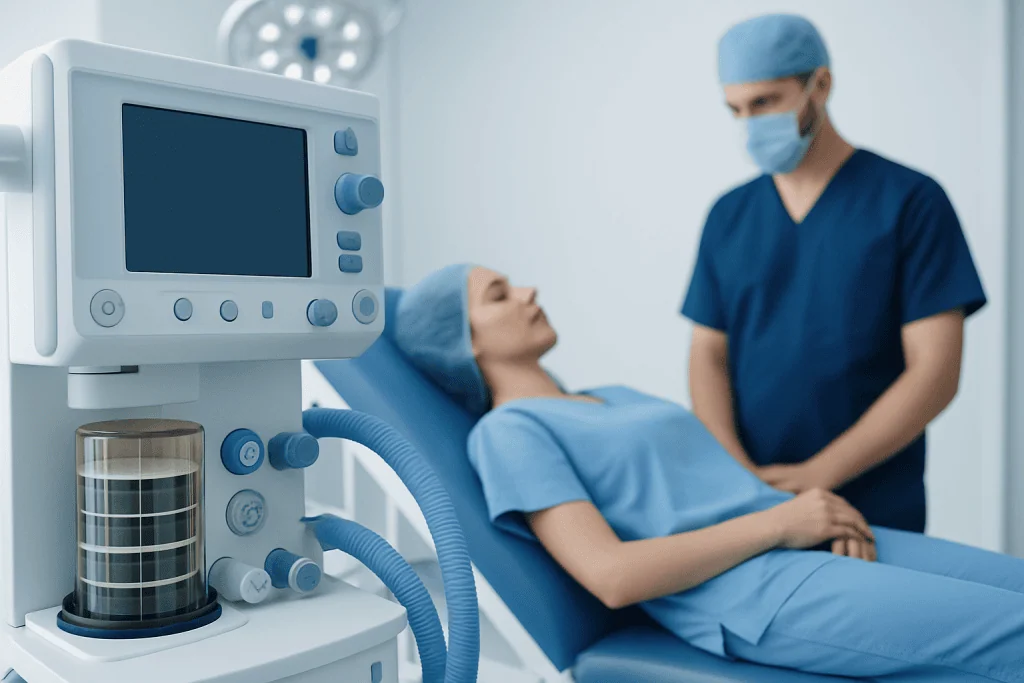
Rhinoplasty may be recommended when you are bothered by the shape, size or proportion of your nose and your expectations are realistic. Common concerns include a nasal hump, a drooping or wide tip, visible asymmetry, a nose that appears too large or too small for the face, or changes after injury.
It may also be recommended when structural problems affect breathing. A deviated septum, narrowed internal nasal valves or post-traumatic changes can sometimes be addressed with a septoplasty or functional rhinoplasty at the same time as cosmetic reshaping. Your surgeon will explain whether your breathing concerns are likely to improve with surgery and what limitations may apply.
Rhinoplasty is usually considered after facial growth is complete and when you are in good general health. It is also important that you are choosing surgery for your own comfort and confidence, not because of pressure from others or unrealistic images from social media.
Who is a good candidate?

You may be a good candidate if you are physically healthy, have completed facial growth, do not smoke or can stop as advised, and understand that rhinoplasty changes are measured in millimeters but can have a significant effect on facial balance. You should be able to describe what bothers you, while remaining open to your surgeon’s professional assessment of what is safe and realistic.
Good candidates also understand the recovery process. Swelling, bruising, nasal congestion and temporary changes in sensation are expected in the early phase. The nose continues to refine slowly, so patience is important, especially if you have thick skin or are having tip work or revision surgery.
Rhinoplasty may need to be postponed or reconsidered if you have uncontrolled medical conditions, active infection, untreated bleeding problems, unrealistic expectations or a history that increases anesthesia or wound-healing risks. A physician evaluation is always required to confirm whether rhinoplasty is appropriate for you.
Treatment options
Rhinoplasty is personalized, and the treatment option depends on your anatomy and goals. Cosmetic rhinoplasty focuses on external appearance, such as smoothing a hump, refining the tip, narrowing the bridge or adjusting nostril shape. Functional rhinoplasty focuses on improving airflow by supporting or correcting structures that contribute to obstruction.
Septorhinoplasty combines reshaping of the nose with correction of the septum, the internal wall between the nostrils. This may be suitable when a deviated septum affects breathing or when septal cartilage is needed for structural support. In some cases, turbinate treatment or nasal valve support may also be discussed, depending on examination findings.
Open rhinoplasty uses a small incision across the columella, the tissue between the nostrils, allowing detailed visualization of nasal structures. Closed rhinoplasty uses incisions inside the nostrils and may be appropriate for selected cases. Neither technique is automatically better; your surgeon chooses the approach that offers the safest access and most predictable control for your needs.
Revision rhinoplasty is performed after a previous nose operation and is usually more complex because scar tissue, altered anatomy and limited cartilage support may be present. Some patients may need cartilage grafting from the septum, ear or rib. Revision surgery requires especially careful evaluation, realistic planning and clear discussion of limitations.
Online evaluation before travel
Before you travel to Turkey, an online evaluation helps the medical team understand your goals and whether rhinoplasty may be suitable. You will usually be asked to share your medical history, previous surgery details, medication list, allergies, breathing symptoms and clear photos from standard angles. If you have had previous nasal surgery or trauma, old operative notes or imaging can be helpful.
The preliminary review is not a final diagnosis or guarantee of surgery. It helps your care team decide which specialist should evaluate you, what tests may be needed and whether your expectations seem medically appropriate. A definitive plan is made only after an in-person examination and, when needed, nasal endoscopy or imaging.
For international patients, this early step also supports safer travel planning. Acibadem International can help coordinate communication with the relevant department, provide guidance on expected length of stay, and explain what should be prepared before your arrival.
Before the treatment
Before rhinoplasty, you will have a consultation with your surgeon to review your goals, medical history and nasal anatomy. The surgeon may examine the inside and outside of your nose, assess breathing, evaluate facial proportions and discuss whether cosmetic, functional or combined surgery is appropriate. Photographs may be taken for medical planning and documentation.
You may be asked to complete blood tests, anesthesia evaluation, and additional tests depending on your age, medical conditions and procedure plan. Tell your team about all prescription medicines, supplements, blood thinners, allergies, previous anesthesia reactions and any history of bleeding or clotting problems. Do not stop or change medication unless your physician advises you to do so.
Smoking and nicotine products can affect healing and should be stopped as instructed by your surgeon. You should also plan comfortable clothing, arrange help during the first recovery days and avoid scheduling important social or work commitments immediately after surgery. Clear preparation helps you feel calmer and allows the team to focus on safe, personalized care.
What happens during the treatment
Rhinoplasty is usually performed under general anesthesia. After you are asleep and comfortable, the surgeon makes the planned incisions, either inside the nostrils or with a small external incision depending on the chosen approach. The nasal bones and cartilage are then carefully reshaped, repositioned, reduced, supported or grafted according to your treatment plan.
If breathing correction is part of your operation, the surgeon may straighten the septum, support the nasal valves or address other internal structures contributing to obstruction. The goal is to create a stable nose that looks balanced and functions as well as possible. In some cases, cartilage grafts are used to strengthen support or improve contour.
At the end of the procedure, the incisions are closed and a nasal splint is usually placed to protect the new shape. Internal splints or soft packing may be used in selected cases. You will then be taken to the recovery area, where nurses monitor your comfort, breathing, bleeding and vital signs as you wake from anesthesia.
Hospital stay and discharge
Some patients can leave the hospital on the same day, while others stay overnight for observation. The decision depends on the extent of surgery, anesthesia evaluation, your general health and your surgeon’s recommendation. International patients often appreciate having early monitoring and clear discharge instructions before returning to the hotel.
Before discharge, your team will explain how to sleep, how to protect the splint, how to manage nasal care, which activities to avoid and when to attend your first control visit. You may have swelling around the nose and eyes, mild bleeding or discharge, nasal congestion and a feeling of pressure. These are commonly expected early after rhinoplasty, but your team will explain what is normal for your case.
You should not drive after anesthesia and should have support for the first day. If you are traveling alone, Acibadem International patient services can help you plan transfers and practical arrangements so that your early recovery is organized and comfortable.
Recovery timeline
Rhinoplasty recovery is gradual. Most people feel well enough for light activities within the first couple of weeks, but the nose continues to heal internally and externally for months. Swelling is usually most noticeable early on and then improves slowly, with the nasal tip often taking the longest to refine.
| Timeframe | What to expect |
|---|---|
| First 24 hours | You rest with your head elevated. Mild bleeding, congestion, facial pressure and swelling may occur. Your team monitors your recovery from anesthesia and gives care instructions. |
| First week | Bruising and swelling can peak and then begin to improve. A splint may remain in place. You should avoid bending, heavy lifting and pressure on the nose. |
| Weeks 2-4 | Many patients return to light daily routines. Bruising often fades, but swelling and firmness may remain. Exercise and travel should follow your surgeon’s clearance. |
| Months 1-3 | The nose looks more natural as swelling decreases. Breathing and sensation may continue to improve. The tip may still feel firm or slightly swollen. |
| Final result | Refinement can continue for 6-12 months or longer, especially after major tip work, thick skin or revision rhinoplasty. Final results vary from person to person. |
Your personal timeline may be shorter or longer depending on your skin type, surgical technique, whether functional correction was performed, and whether this is a primary or revision procedure. Follow-up appointments are important because they allow your surgeon to monitor healing and guide you safely back to normal activities.
What to avoid after treatment
After rhinoplasty, you should avoid anything that increases swelling, bleeding risk or pressure on the healing nose. This usually includes heavy lifting, strenuous exercise, bending forward for long periods, hot environments and activities where the nose could be bumped. Your surgeon will tell you when it is safe to return to sport, swimming or more demanding activity.
Do not wear glasses directly on the nasal bridge until your surgeon allows it, as pressure may affect healing bones or cartilage. Avoid blowing your nose, aggressive cleaning inside the nostrils or pulling at crusts. If sneezing occurs, your team may advise you how to reduce pressure safely.
You should also avoid smoking, vaping and nicotine products because they can interfere with blood flow and healing. Alcohol, certain supplements and medications may increase bleeding risk, so use only what your medical team has approved. Sun protection is important because swelling and skin color changes can last longer after sun exposure.
Risks and possible complications
Rhinoplasty is commonly performed, but it is still surgery and carries risks. Possible complications include bleeding, infection, poor wound healing, anesthesia-related issues, scarring, changes in skin sensation, persistent swelling, asymmetry, irregularities, nasal obstruction or dissatisfaction with appearance. Most concerns can be managed, but some may require additional treatment.
Because the nose is a central facial feature and a breathing organ, even small changes can be noticeable. Results are influenced by anatomy, skin thickness, healing response, previous surgery, trauma and how well aftercare instructions are followed. No surgeon can guarantee a perfect or identical result to a photo.
Revision surgery may sometimes be needed if healing creates an irregularity, if breathing problems persist or if the outcome does not meet realistic goals. Choosing an experienced team, having a detailed consultation and following aftercare instructions can help reduce risk, but cannot eliminate it completely.
Warning signs: when to contact a doctor
Your team will explain what is expected after rhinoplasty and how to reach them if you have concerns. Mild swelling, bruising, congestion and small amounts of discharge may be part of normal early recovery. However, some symptoms require prompt medical advice.
- Heavy or persistent bleeding that does not improve with the instructions given by your team
- Fever, chills or feeling increasingly unwell
- Worsening pain, swelling or redness, especially if it is one-sided or rapidly increasing
- Sudden difficulty breathing that is not relieved by the recommended measures
- Foul-smelling discharge, pus or signs of infection around incisions
- Vision changes, severe headache or unusual eye pain
- New rash, facial swelling or symptoms suggesting an allergic reaction to medication
- Any fall, impact or accidental pressure on the nose during early healing
If you are unsure whether a symptom is normal, it is always appropriate to contact your care team. International patients receive guidance on how to communicate with Acibadem International during recovery and how remote follow-up can be arranged after returning home.
Results and expectations
Rhinoplasty results should be assessed gradually. Early swelling can make the nose look wider, higher or less refined than the final outcome. As swelling decreases, the bridge and tip become more defined, but small changes may continue for many months.
The best results are usually those that fit your face rather than copy someone else’s nose. During consultation, your surgeon will discuss what can reasonably be changed and what should be preserved for strength, breathing and natural appearance. Some asymmetry exists in every face, and complete symmetry is not a realistic goal.
Results vary from person to person. Skin thickness, cartilage quality, bone structure, previous surgery, scar tissue and healing biology all affect the final appearance. If a revision is ever considered, surgeons often recommend waiting until healing is mature unless there is a medical reason to intervene earlier.
International patient travel planning
Planning rhinoplasty abroad requires enough time for medical evaluation, surgery, early recovery and the first post-operative control. You should avoid planning a very short stay, because your surgeon needs to check healing, assess the splint or internal supports if used, and confirm whether you are fit to travel. The exact length of stay is personalized.
Before booking flights, share your preferred travel dates with the international patient team so they can coordinate appointment availability and advise on a practical schedule. You may be asked to arrive before the procedure for consultation, tests and anesthesia assessment. It is also wise to choose flexible travel arrangements in case your doctor recommends an extra control visit.
During early recovery, choose accommodation where you can rest comfortably, keep your head elevated and attend hospital visits easily. Acibadem International can assist with airport transfers, interpreter coordination and accommodation guidance, helping reduce the stress of navigating care in another country.
Cost and package information
The cost of rhinoplasty depends on several factors, including whether it is primary or revision surgery, the complexity of reshaping, whether functional correction is needed, the surgeon’s plan, anesthesia requirements, hospital stay, tests and follow-up needs. Revision rhinoplasty and procedures requiring grafts may involve more complex planning and operating time.
An international patient quotation may typically include the planned surgical procedure, hospital services related to the operation, anesthesia, standard pre-operative tests, a defined hospital stay and early follow-up appointments. Depending on the package structure, services such as interpreter support, airport transfers or accommodation guidance may also be coordinated.
Items that may not be included can vary and may involve additional consultations, extra imaging, treatment for unrelated medical conditions, extended hospital stay, hotel accommodation, flights, companion expenses or medications after discharge. Always ask what is included, what is excluded, what could change after in-person evaluation and how follow-up is handled after you return home.
Why choose Acibadem
Acibadem International supports patients traveling to Turkey for care within a network of JCI-accredited hospitals. For rhinoplasty, this means you can access specialist surgical departments, anesthesia evaluation, modern hospital infrastructure and coordinated international patient services in one pathway.
Your care plan is based on physician evaluation, not a one-size-fits-all package. When breathing issues are involved, collaboration between aesthetic surgery and ENT specialists may be recommended. This helps ensure that appearance, function and safety are considered together.
International patient services can help with practical details such as interpreters, transfers, appointment coordination, accommodation guidance and remote follow-up communication. The goal is to make each step understandable, organized and reassuring while keeping medical decisions in the hands of qualified physicians.
Medical review and disclaimer
This guide has been reviewed by the Acibadem International medical team. It is intended to provide general information about rhinoplasty in Turkey and to help you prepare for a specialist consultation.
The information here does not replace a personal medical examination, diagnosis or treatment recommendation. Rhinoplasty suitability, technique, anesthesia plan, expected recovery and travel clearance must be determined by a qualified physician after evaluating your health, anatomy and goals.
Medical outcomes vary between individuals, and no result can be guaranteed. If you are considering rhinoplasty, please share complete and accurate medical information with your care team and follow the instructions provided by your physician.
Step by step
- Initial contact. You contact Acibadem International and describe your goals, preferred travel dates and any breathing concerns or previous nose surgery.
- Medical record / photo submission. You share your medical history, medication list, allergies, previous operation notes if available, and clear facial photos from requested angles.
- Preliminary medical review. The relevant medical team reviews your information to understand whether rhinoplasty may be appropriate and whether functional assessment is needed.
- Treatment plan and quotation. You receive a preliminary plan and cost information based on the records provided, with the understanding that final decisions require in-person evaluation.
- Travel planning. International patient services help coordinate appointment timing, transfers, interpreter needs and accommodation guidance.
- Arrival. You arrive in Turkey and are guided to your scheduled hospital appointments with support for practical arrangements.
- In-person consultation. Your surgeon examines your nose, reviews your goals, evaluates breathing when needed and confirms the most suitable surgical approach.
- Pre-operative tests. You complete required blood tests, anesthesia assessment and any additional evaluations recommended for your safety.
- Treatment. Rhinoplasty is performed according to the agreed plan, usually under general anesthesia, with cosmetic and functional steps as indicated.
- Hospital stay. You are monitored after surgery and receive instructions for comfort, nasal care, activity limits and medication use.
- First control. Your surgeon checks early healing, reviews the splint or internal supports if used, and answers your recovery questions.
- Discharge / travel clearance. When your surgeon considers it appropriate, you receive discharge guidance and advice about flying, activity and follow-up.
- Remote follow-up. After returning home, you can share updates and photos as advised so the team can guide your ongoing recovery.
Your checklist
- Valid passport and travel documents
- Summary of medical history and current diagnoses
- List of all medications, vitamins and supplements
- Known allergies, including medication, latex or anesthesia-related reactions
- Details of previous surgeries, especially any previous nasal or facial surgery
- Current symptoms, including nasal blockage, snoring, sinus problems or breathing difficulty
- Relevant test results, imaging or nasal endoscopy reports if available
- Previous operative notes or implant/graft information if you had earlier rhinoplasty
- Clear photos of your face and nose from front, side, oblique and base views
- Smoking or nicotine use history and any recent infections or dental issues
Key takeaways
- Rhinoplasty may be suitable if you want to change nose shape, improve nasal proportions, correct asymmetry or address breathing concerns, but suitability requires specialist evaluation.
- International patients should usually plan enough time in Turkey for consultation, tests, surgery, early recovery and the first control visit before flying home.
- Visible swelling and bruising commonly improve over the first weeks, while final definition develops gradually over months.
- Open, closed, functional, septorhinoplasty and revision rhinoplasty are different approaches; the best option depends on your anatomy, goals and previous surgery history.
- You should contact your medical team promptly for increasing pain, fever, heavy bleeding, sudden breathing difficulty, worsening swelling or any symptom that feels unusual.
Frequently asked questions
Am I suitable for rhinoplasty in Turkey?
You may be suitable if you are healthy, have completed facial growth, have realistic expectations and want to improve nasal shape or breathing. Suitability can only be confirmed after a physician evaluates your anatomy, medical history and goals.
How long should I stay in Turkey for rhinoplasty?
The recommended stay depends on your surgical plan, recovery and first control visit. You should allow enough time for consultation, tests, surgery, early healing and medical clearance before flying home.
Is rhinoplasty painful?
Most patients describe pressure, congestion and discomfort more than severe pain, but experiences vary. Your team will provide a pain-control plan and explain which symptoms are expected and which should be reported.
Will rhinoplasty improve my breathing?
It may improve breathing if obstruction is related to correctable structural issues such as a deviated septum or nasal valve weakness. A functional assessment is needed, and improvement cannot be guaranteed in every case.
What is the difference between open and closed rhinoplasty?
Open rhinoplasty includes a small incision between the nostrils and allows direct visualization of nasal structures. Closed rhinoplasty uses internal incisions only. The best approach depends on your anatomy, goals and the complexity of correction.
When will I see the final result?
You will see early changes once the splint is removed and swelling starts to reduce, but this is not the final result. Refinement may continue for 6-12 months or longer, especially in the nasal tip or revision cases.
Can I fly after rhinoplasty?
Flying is usually considered only after your surgeon checks early healing and confirms that travel is appropriate. You should not book a tight return schedule, because medical clearance depends on your individual recovery.
What affects the cost of rhinoplasty?
Cost is influenced by the complexity of surgery, whether it is primary or revision rhinoplasty, whether functional correction is included, anesthesia, hospital stay, tests and follow-up needs. Your quotation should clearly explain what is included and what may be separate.
Is rhinoplasty safe?
Rhinoplasty is widely performed, but it is still surgery and has risks such as bleeding, infection, breathing issues, asymmetry or dissatisfaction with appearance. Careful evaluation, appropriate hospital conditions and following aftercare instructions help support safety.
What if I do not like my result?
It is important to wait for swelling to settle before judging the final result, because the nose changes gradually. If concerns remain after healing is mature, your surgeon can discuss whether observation, minor treatment or revision surgery is appropriate.
Add us as a Preferred Source to see more of our trusted health content across Google Search, AI Overviews and Discover.
More Patient Guides
Day Surgery in Turkey: Can You Leave Hospital the Same Day?
Day surgery in Turkey often lets you go home the same day if your procedure and recovery are suitable and your doctor…
11 min read
General Anesthesia in Turkey: How to Prepare and What Happens Before You Sleep
General anesthesia in Turkey helps you sleep safely through surgery. Learn preparation, recovery, risks, and travel planning in Istanbul.
11 min read
Choosing Between Outpatient and Inpatient Treatment in Turkey: What Affects the Decision
Choosing Between Outpatient and Inpatient Treatment in Turkey depends on your procedure, health, recovery needs and travel plans.
11 min read