

Hernia Repair in Turkey: Treatment Guide

Hernia repair in Turkey is surgery to return protruding tissue or bowel to its normal position and strengthen the weakened area of the abdominal wall. At Acibadem, hernia treatment is planned after specialist evaluation and may be performed with open or minimally invasive techniques, using mesh when appropriate, followed by postoperative monitoring and recovery guidance.
This guide explains how hernia repair is evaluated, planned and performed in Turkey, including surgical options, recovery, travel planning and international patient support. It is designed to help you understand what to expect before, during and after treatment at Acibadem.
At a glance
- Procedure type: Surgical repair of a hernia, often using open, laparoscopic or selected minimally invasive techniques
- Purpose: To repair a weakness in the abdominal wall, reduce symptoms and help prevent enlargement or complications
- Anesthesia: Usually general anesthesia; some open repairs may use regional or local anesthesia depending on the case
- Hospital stay: Often same-day discharge or one overnight stay; complex cases may require longer observation
- Estimated recovery: Light activity usually resumes gradually; full recovery depends on hernia type, repair method and your overall health
- Return to daily life: Many patients return to gentle daily activities within days, with work and exercise guided by the surgeon
- Final result timeline: Swelling and discomfort improve over weeks; strength and comfort continue to improve over several months
- Suitable department: General Surgery; sometimes supported by Gastroenterology, Radiology, Anesthesiology or other specialties
- International patient support: Medical coordination, interpreters, airport transfers, accommodation guidance and remote follow-up support
What is this treatment?
Hernia repair is a surgical treatment used to close or reinforce a weak area in the abdominal wall or diaphragm where tissue has pushed through. A hernia may appear as a bulge in the groin, around the belly button, at a previous surgical scar, or less visibly in areas such as the diaphragm. Some hernias are painless at first, while others cause discomfort, pressure, burning, or pain during coughing, lifting or standing.
The aim of hernia repair is to return the protruding tissue to its correct position and strengthen the weakened area. In many cases, a surgical mesh is used to reinforce the repair and reduce the chance of recurrence, but the exact method depends on the type of hernia and your individual medical situation. Your surgeon will explain whether mesh is recommended for you and why.
At Acibadem, hernia repair is planned by general surgery teams with support from anesthesiology, radiology and other departments when needed. For international patients, the process begins before travel with a review of your medical information so that your visit to Turkey can be planned safely and efficiently.
When is it recommended?
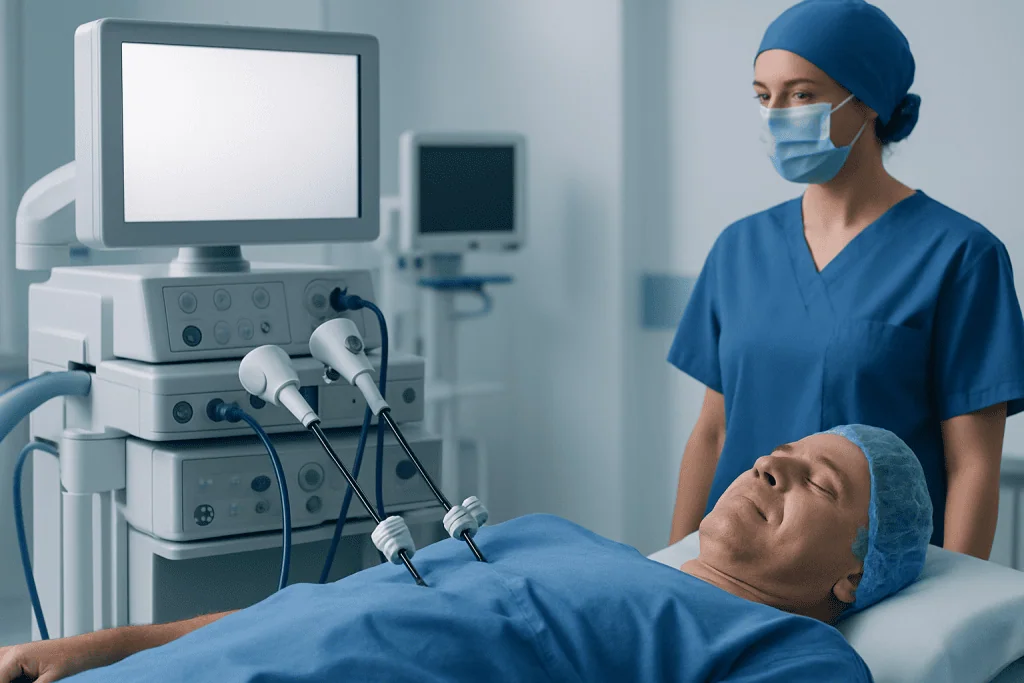
Hernia repair may be recommended when a hernia causes pain, visible swelling, pressure, digestive discomfort, activity limitation or progressive enlargement. Even if symptoms are mild, surgery may be considered if the hernia is likely to grow, interfere with daily life, or create a risk of trapping tissue. The recommendation depends on hernia type, location, size, symptoms and your overall health.
Common hernias treated by general surgeons include inguinal hernias in the groin, femoral hernias, umbilical hernias near the belly button, epigastric hernias in the upper abdomen and incisional hernias at previous surgical scars. Hiatal hernias, where part of the stomach moves through the diaphragm, are evaluated differently and may involve digestive symptoms such as reflux or swallowing discomfort.
Some small, minimally symptomatic hernias may be monitored for a time, especially when surgical risk is high. However, a hernia does not usually heal by itself, and delays can sometimes lead to enlargement or more complex repair later. Your physician will help you balance the timing of surgery with your symptoms, travel plans and safety.
Who is a good candidate?

You may be a good candidate for hernia repair if you have a confirmed hernia that is painful, enlarging, cosmetically concerning, or interfering with work, sports, travel or daily activities. Surgery may also be suitable if your hernia has a higher risk profile due to its location or if it has returned after previous repair. A physical examination and, when needed, imaging help confirm the diagnosis and guide treatment planning.
Good candidates are generally able to undergo anesthesia and follow recovery instructions, including temporary restrictions on lifting and strenuous exercise. If you have chronic conditions such as diabetes, heart disease, lung disease, obesity, blood clotting issues, or if you smoke, your medical team may recommend optimization before surgery to improve healing and safety.
Suitability is always individual. Previous abdominal operations, hernia size, infection history, medications, pregnancy plans, body weight, occupation and athletic goals can all influence the preferred repair method and timing. Your Acibadem physician will evaluate these factors and explain the safest approach for you.
Treatment options
Hernia repair can be performed using several approaches. Open hernia repair uses an incision over or near the hernia, allowing the surgeon to reposition the tissue and repair the weakness directly. It is commonly used for many inguinal, umbilical and incisional hernias and may be preferred for large or complex hernias, some recurrent hernias, or when previous surgery makes a minimally invasive approach less suitable.
Laparoscopic hernia repair is performed through small incisions using a camera and specialized instruments. It may be appropriate for selected inguinal hernias, bilateral groin hernias, recurrent hernias after some open repairs, and certain ventral or incisional hernias. Potential advantages can include smaller incisions and a different recovery profile, but it is not the best choice for every patient.
Mesh repair is frequently used to reinforce the abdominal wall, especially for adult hernias where tissue strength needs support. In selected situations, non-mesh repair may be considered, but this depends on the hernia type, tissue quality and surgeon assessment. If mesh is recommended, your surgeon will explain the rationale, placement technique and expected healing process.
For more complex abdominal wall hernias, treatment may involve advanced reconstruction techniques, separation of muscle layers, careful scar management or coordination with other specialties. Hiatal hernia treatment may include repair of the diaphragm opening and, in some cases, an anti-reflux procedure. The final plan is made after in-person examination, review of imaging and anesthetic assessment.
Online evaluation before travel
For international patients, the journey often begins with an online medical evaluation. You may be asked to share your symptoms, previous diagnoses, operation reports, imaging results and photographs of the hernia area if appropriate. This helps the medical team understand your situation before you travel and identify whether additional tests may be needed in Turkey.
The preliminary review is not a final diagnosis, but it is valuable for planning. It can help estimate the likely surgical approach, expected hospital stay, recovery needs and whether you should bring any special medical documents. If your hernia symptoms suggest urgency, you may be advised to seek immediate care locally rather than waiting for travel.
Acibadem International patient services can coordinate communication between you and the medical team, assist with document transfer, and help clarify practical details such as appointment scheduling, interpreter needs and estimated length of stay. This preparation can make your arrival smoother and reduce unnecessary delays.
Before the treatment
Before hernia repair, you will have an in-person consultation with your surgeon. The doctor will examine the hernia, review your medical history, discuss symptoms and evaluate any previous surgery. Imaging such as ultrasound, CT or endoscopy may be requested depending on the hernia type, body habitus, recurrence history or complexity.
Pre-operative assessment usually includes blood tests, anesthesia evaluation and, when needed, heart or lung checks. You should tell your care team about all medications and supplements, especially blood thinners, diabetes medications, immune suppressants and herbal products. Do not stop prescribed medication unless your physician instructs you to do so.
You will receive instructions about fasting, showering, arrival time, clothing and what to bring to the hospital. If you smoke, your medical team may recommend stopping before surgery because smoking can affect wound healing. It is also helpful to plan your accommodation, companion support and return flight with enough flexibility for recovery and first control.
What happens during the treatment
On the day of surgery, the team will confirm your identity, procedure details, consent forms, allergies and anesthesia plan. You will meet the anesthesia team, and an interpreter can support communication if needed. The surgical area may be marked, and you will be taken to the operating room when preparations are complete.
During open repair, the surgeon makes an incision near the hernia, gently returns the protruding tissue to its correct position and repairs the weakened area. If mesh is used, it is placed to reinforce the abdominal wall. The incision is then closed with sutures, surgical glue, strips or dressings according to the technique used.
During laparoscopic repair, small incisions are made for a camera and instruments. The surgeon views the area on a monitor, repairs the defect and may place mesh from inside the abdominal wall. After surgery, you are moved to a recovery area where nurses monitor your breathing, pain level, blood pressure and wound sites as you wake from anesthesia.
Hospital stay and discharge
Many hernia repairs are performed with same-day discharge or one overnight stay, depending on the type of hernia, anesthesia, pain control, travel considerations and your general health. More complex abdominal wall repairs, recurrent hernias or procedures combined with other treatments may require a longer hospital stay for observation and recovery.
Before discharge, your team will check that you can walk safely, tolerate fluids or food, urinate as expected and manage discomfort with prescribed medication. You will receive wound care instructions, activity restrictions, information about showering, and guidance on when to return for your first control appointment.
International patients should not rush directly from surgery to a long flight. Your surgeon will advise when it is safe to travel based on your procedure and early recovery. Acibadem International can help coordinate follow-up appointments, interpreter support and travel clearance documentation when appropriate.
Recovery timeline
Recovery after hernia repair varies depending on hernia size, repair method, mesh use, your general health and the physical demands of your daily life. Walking is usually encouraged early because it supports circulation and helps reduce stiffness, but lifting and strenuous activity must be limited until your surgeon approves.
The table below gives a general guide. Your own instructions may differ, especially if you had a large incisional hernia, recurrent hernia, hiatal hernia repair, additional abdominal procedure, or medical conditions affecting healing.
| Timeframe | What to expect |
|---|---|
| First 24 hours | You may feel drowsy from anesthesia, with soreness, tightness or mild swelling around the incision sites. Nurses monitor pain control, walking, urination and wound condition. |
| First week | Gentle walking is usually encouraged. Bruising, pulling sensations and fatigue can occur. You should avoid heavy lifting, sudden twisting and strenuous activity. |
| Weeks 2-4 | Many patients feel more comfortable and gradually increase light daily activities. Return to desk work may be possible if approved, while physically demanding work usually needs more time. |
| Months 1-3 | Tissue strength improves progressively. Your surgeon may allow more exercise in stages, depending on healing and hernia type. Some firmness or sensitivity may still be present. |
| Final result | Swelling and scar maturation continue over several months. The repaired area should feel more stable, but final comfort and appearance vary between patients. |
Always follow your personalized discharge plan. If you are traveling internationally, keep your medical documents, medication list and emergency contact information easily accessible during your return journey.
What to avoid after treatment
After hernia repair, avoid heavy lifting, forceful straining, intense abdominal exercises, running, contact sports and sudden twisting until your surgeon confirms it is safe. Even if you feel well, the deeper tissues need time to gain strength. Returning too quickly to strenuous activity can increase pain and may affect healing.
You should also avoid constipation and excessive coughing as much as possible, because both can create pressure on the repair. Your team may advise hydration, fiber, gentle walking and appropriate medication when needed. If you have chronic cough, prostate symptoms or digestive problems, mention this to your doctor because managing these issues can support recovery.
Do not soak the wound in a bath, pool or sea until your surgeon says the incision has healed enough. Avoid applying creams, powders or antiseptics unless prescribed. If you are flying home, avoid sitting still for long periods; walk regularly when safe, move your ankles and follow the travel advice given by your medical team.
Risks and possible complications
Hernia repair is a commonly performed operation, but every surgery carries risks. Possible complications include bleeding, infection, bruising, swelling, fluid collection, pain, numbness, wound healing problems, anesthesia-related issues, blood clots and recurrence of the hernia. The risk profile differs according to hernia type, repair method, previous surgery and personal health factors.
Mesh-related issues are uncommon but can include chronic discomfort, infection, movement or reaction, depending on the case. Some patients may feel temporary tightness, pulling or altered sensation as tissues heal. Persistent pain can occur and should be discussed with the surgeon so that the cause can be evaluated and treated appropriately.
Your team reduces risk through careful assessment, sterile surgical technique, appropriate anesthesia planning and clear aftercare instructions. You can also support safety by sharing complete medical information, following fasting and medication guidance, walking as advised and contacting the hospital promptly if warning signs appear.
Warning signs: when to contact a doctor
It is normal to have some soreness, swelling and bruising after hernia surgery, especially in the first days. However, certain symptoms should be assessed promptly because they may indicate infection, bleeding, bowel-related problems or recurrence. If you are unsure whether a symptom is expected, it is safer to contact your medical team.
- Severe or worsening pain that is not relieved by prescribed medication
- Fever, chills or feeling increasingly unwell
- Redness, warmth, pus, bad odor or increasing swelling at the wound
- Heavy bleeding or wound opening
- Persistent nausea, vomiting or inability to keep fluids down
- A hard, painful, discolored or non-reducible bulge
- Inability to pass stool or gas, especially with abdominal swelling
- Shortness of breath, chest pain, fainting or calf swelling
- Difficulty urinating or significant decrease in urine output
If symptoms are severe, sudden or rapidly worsening, seek urgent medical care immediately. International patients should keep Acibadem contact information and local emergency numbers available during their stay in Turkey and after returning home.
Results and expectations
The main expected result of hernia repair is a stronger abdominal wall and relief from the bulge, pressure or pain caused by the hernia. Many patients experience improved comfort with walking, standing, working and exercising after recovery. Cosmetic appearance may also improve, especially when the hernia caused visible swelling.
Results vary depending on the size and type of hernia, tissue quality, body weight, smoking status, physical activity, previous surgery and adherence to aftercare instructions. Some firmness, numbness or sensitivity may persist for a time as the area heals. Scars also mature gradually and may remain visible to some degree.
No hernia repair can guarantee that a hernia will never return. Recurrence is possible, particularly in complex, large or previously repaired hernias, or when risk factors remain. Your surgeon will discuss realistic expectations, lifestyle measures and the possibility of further treatment if symptoms return in the future.
International patient travel planning
Planning hernia repair abroad requires both medical and practical preparation. You should allow time for arrival, consultation, pre-operative tests, surgery, early recovery and the first control visit before flying home. The recommended length of stay depends on your hernia type, procedure complexity, health status and travel distance.
Bring comfortable loose clothing, supportive underwear if advised for groin hernia recovery, easy-to-wear shoes and copies of your medical documents. If possible, travel with a companion who can help with luggage, mobility and daily needs during the first days. Avoid planning tourism, long walks or heavy shopping immediately after surgery.
Acibadem International patient services can assist with airport transfers, interpreter coordination, accommodation guidance and appointment scheduling. Before your return, your surgeon will advise whether you are fit to travel and what precautions to follow during the flight, including movement, hydration and wound care.
Cost and package information
The cost of hernia repair varies because each treatment plan is individualized. Important factors include hernia type and location, size and complexity, whether the hernia is recurrent, open versus laparoscopic approach, mesh requirements, anesthesia needs, hospital stay, pre-operative tests and whether additional procedures are needed. Medical conditions that require extra evaluation can also influence the overall plan.
A typical international patient quotation may include the surgeon and hospital services related to the planned procedure, anesthesia, operating room use, standard hospital stay, routine nursing care and scheduled early follow-up. Depending on the package, it may also include international patient coordination services such as interpreter support or transfers.
Items not always included may involve additional diagnostic tests, treatment of unrelated conditions, extended hospital stay, unexpected consultations, special medications, personal expenses, hotel accommodation, flights or companion costs. Acibadem provides a personalized quotation after medical review so that you understand what is included and what may change if the final plan is adjusted after in-person evaluation.
Why choose Acibadem
Choosing where to have hernia repair is an important decision, especially when traveling internationally. Acibadem offers care within a hospital network experienced in treating international patients, with JCI-accredited hospitals, modern operating rooms and multidisciplinary support. Your care is coordinated by medical and international patient teams so that clinical and practical details are aligned.
General surgery specialists evaluate the hernia type, your symptoms, previous operations and overall health before recommending a treatment plan. When needed, radiology, anesthesiology, gastroenterology, cardiology or other departments contribute to safety planning. This is particularly helpful for complex hernias, recurrent hernias or patients with chronic medical conditions.
International patient services provide support with interpreters, appointment scheduling, transfers, accommodation guidance and communication after you return home. The goal is to help you feel informed, prepared and supported from your first online contact through recovery and remote follow-up.
Medical review and disclaimer
This guide has been reviewed by the Acibadem International medical team. It is provided for general information about hernia repair in Turkey and is intended to help you prepare for a medical consultation. It does not replace diagnosis, personalized medical advice or an in-person evaluation by a qualified physician.
Hernia treatment decisions depend on your examination findings, imaging, symptoms, medical history, anesthesia assessment and personal goals. The most suitable approach for you can only be confirmed after physician evaluation. Results, recovery times and risks vary from person to person.
If you have severe pain, vomiting, fever, a hard painful bulge, discoloration over the hernia or any rapidly worsening symptoms, seek urgent medical care. For non-urgent questions, Acibadem International can help coordinate communication with the relevant medical team.
Step by step
- Initial contact. You contact Acibadem International and share your main concern, preferred dates, language needs and basic medical background.
- Medical record / photo submission. You send available reports, imaging, previous operation notes, medication lists and, when appropriate, clear photos of the hernia area.
- Preliminary medical review. The medical team reviews your information to understand the likely diagnosis, possible treatment options and whether travel for planned care appears appropriate.
- Treatment plan and quotation. You receive an initial plan and personalized quotation based on the available information, with the understanding that the final plan depends on in-person evaluation.
- Travel planning. International patient services help coordinate appointment dates, interpreter needs, airport transfer options and accommodation guidance.
- Arrival. You arrive in Turkey and are guided to your scheduled hospital appointments with support from the international patient team.
- In-person consultation. Your surgeon examines you, reviews your symptoms and documents, answers your questions and confirms the most suitable surgical approach.
- Pre-operative tests. Blood tests, anesthesia evaluation and any required imaging or specialist assessments are completed before surgery.
- Treatment. Your hernia repair is performed using the planned open, laparoscopic or selected minimally invasive approach, depending on your case.
- Hospital stay. You are monitored after surgery for pain control, wound condition, mobility and general recovery before discharge.
- First control. Your surgeon checks the wound, reviews your recovery, adjusts instructions if needed and discusses activity restrictions.
- Discharge / travel clearance. You receive discharge documents, medication and wound care guidance, plus advice on when it is safe to fly or continue travel.
- Remote follow-up. After you return home, Acibadem International can help coordinate remote follow-up communication for recovery questions when appropriate.
Your checklist
- Valid passport and travel documents
- Medical history summary, including chronic conditions
- List of current medications, supplements and blood thinners
- Known allergies to medicines, latex, foods or antiseptics
- Previous surgery and anesthesia history
- Current symptoms, including pain pattern and when the bulge appears
- Previous hernia diagnosis, operation reports or discharge summaries
- Relevant ultrasound, CT, MRI, endoscopy or laboratory results
- Clear photos of the hernia area if requested and appropriate
- Information about smoking, diabetes, heart, lung or clotting conditions
- Emergency contact details and companion information
- Questions about work, lifting, sports, flight timing and recovery needs
Key takeaways
- Hernia repair may be recommended when a hernia causes pain, swelling, activity limitation, enlargement or risk of complications.
- Your surgeon will choose between open, laparoscopic or other minimally invasive approaches based on hernia type, size, previous surgery and general health.
- International patients usually need enough time in Turkey for consultation, pre-operative tests, surgery, early recovery and first control before travel clearance.
- Recovery is typically gradual: walking starts early, while heavy lifting and strenuous exercise are restricted until your surgeon confirms it is safe.
- Seek urgent medical advice for severe pain, fever, vomiting, a hard or discolored bulge, wound infection signs or inability to pass stool or gas.
Frequently asked questions
How do I know if I need hernia surgery?
A physician can confirm this after examination and, when needed, imaging. Surgery is often considered when a hernia causes pain, grows, limits activity or carries a risk of complications. Some small, minimally symptomatic hernias may be monitored, but they usually do not disappear on their own.
Can my hernia be evaluated before I travel to Turkey?
Yes. You can share medical records, imaging, previous operation notes and photos when appropriate for a preliminary review. This helps the team plan your visit, but the final recommendation is made after in-person consultation and examination.
Will I need open or laparoscopic hernia repair?
The best approach depends on the hernia type, size, location, previous operations, symptoms and your overall health. Laparoscopic repair may suit some patients, while open repair may be safer or more effective for others. Your surgeon will explain the reasoning behind the recommended method.
Is mesh always used in hernia repair?
Mesh is commonly used in many adult hernia repairs to reinforce the weakened area. It is not automatically used in every case, and the decision depends on the hernia and tissue condition. Your surgeon will discuss the benefits and considerations if mesh is recommended.
How long should I stay in Turkey for hernia repair?
Your recommended stay depends on the procedure complexity, hospital stay, early recovery and first control appointment. Many patients need time for consultation, tests, surgery and a short observation period before travel clearance. Complex or recurrent hernias may require a longer stay.
When can I return to work after hernia surgery?
Return to work depends on your job and your surgeon's instructions. Desk-based work may be possible sooner than work involving lifting, bending or physical strain. You should not resume heavy duties until your surgeon confirms the repair has healed enough.
When can I fly after hernia repair?
Flight timing is individualized and depends on the type of surgery, pain control, mobility and risk factors. Your surgeon will advise when you are fit to travel and what precautions to take during the flight. It is important not to schedule your return too soon after surgery.
What affects the cost of hernia repair in Turkey?
Cost depends on hernia type, surgical approach, mesh requirements, anesthesia, hospital stay, tests and any additional medical needs. Recurrent or complex hernias may require more detailed planning. A personalized quotation is provided after medical review.
Is hernia repair safe?
Hernia repair is commonly performed, but all surgery has potential risks such as bleeding, infection, pain, recurrence and anesthesia-related issues. Safety depends on careful evaluation, appropriate technique and following recovery instructions. Your team will explain your personal risk factors before surgery.
Can a hernia come back after repair?
Recurrence is possible after any hernia repair, although surgical techniques aim to reduce this risk. Factors such as hernia size, tissue quality, smoking, body weight, heavy lifting and previous repair history can influence recurrence. Your surgeon will advise how to protect the repair during recovery.
What support is available if I do not speak Turkish?
Acibadem International can arrange interpreter support for medical appointments and hospital processes. The international patient team also helps with scheduling, transfers, accommodation guidance and communication with the medical team. This support is designed to make your treatment journey clearer and less stressful.
Add us as a Preferred Source to see more of our trusted health content across Google Search, AI Overviews and Discover.
More Patient Guides
Day Surgery in Turkey: Can You Leave Hospital the Same Day?
Day surgery in Turkey often lets you go home the same day if your procedure and recovery are suitable and your doctor…
11 min read
General Anesthesia in Turkey: How to Prepare and What Happens Before You Sleep
General anesthesia in Turkey helps you sleep safely through surgery. Learn preparation, recovery, risks, and travel planning in Istanbul.
11 min read
Choosing Between Outpatient and Inpatient Treatment in Turkey: What Affects the Decision
Choosing Between Outpatient and Inpatient Treatment in Turkey depends on your procedure, health, recovery needs and travel plans.
11 min read