

Executive Check-Up in Turkey: Treatment Guide

An executive check-up in Turkey is a structured preventive health assessment designed to review overall health, identify risk factors, and detect potential problems early through medical history, physical examination, laboratory tests, and imaging when needed. At Acibadem, executive check-up programs are planned around the person’s age, sex, lifestyle, and medical background, with evaluation by relevant specialists and follow-up guidance based…
This guide explains what an executive check-up includes, who it is suitable for, how to prepare, what to expect during your hospital visit in Turkey, and how results are reviewed. It is designed to help you plan your preventive health screening with confidence, especially if you are traveling internationally.
At a glance
- Procedure type: Preventive health screening and medical assessment
- Purpose: Early detection of health risks, baseline health assessment and personalized medical guidance
- Anesthesia: Not required for a standard check-up; sedation may be used only for selected add-on procedures such as endoscopy
- Hospital stay: Usually outpatient; overnight stay is not typically needed
- Estimated recovery: Minimal for routine tests; longer observation may be needed after certain add-on procedures
- Return to daily life: Usually the same day, depending on tests performed
- Final result timeline: Many results are available the same day or within a few days; some specialized tests may take longer
- Suitable department: Check-Up and Preventive Medicine, with access to Internal Medicine, Cardiology, Radiology and other specialties
- International patient support: Interpreter assistance, appointment coordination, transfer planning, accommodation guidance and remote follow-up
What is this treatment?
An executive check-up is a comprehensive preventive health assessment designed to review your current health status, identify risk factors and detect possible conditions at an early stage. It is not a treatment for one specific disease; rather, it is a structured medical evaluation that combines physician consultation, laboratory tests, imaging and selected specialist assessments.
Executive check-up programs are often chosen by people with demanding work schedules, frequent travel, high stress, family responsibilities or limited time for routine medical visits. The goal is to bring important health information together in a coordinated way, so you can understand your risks and receive practical recommendations.
At Acibadem International, check-up planning is guided by your age, sex, medical history, family history, symptoms and previous test results. This helps avoid a one-size-fits-all approach and allows the medical team to recommend tests that are clinically appropriate for you.
When is it recommended?
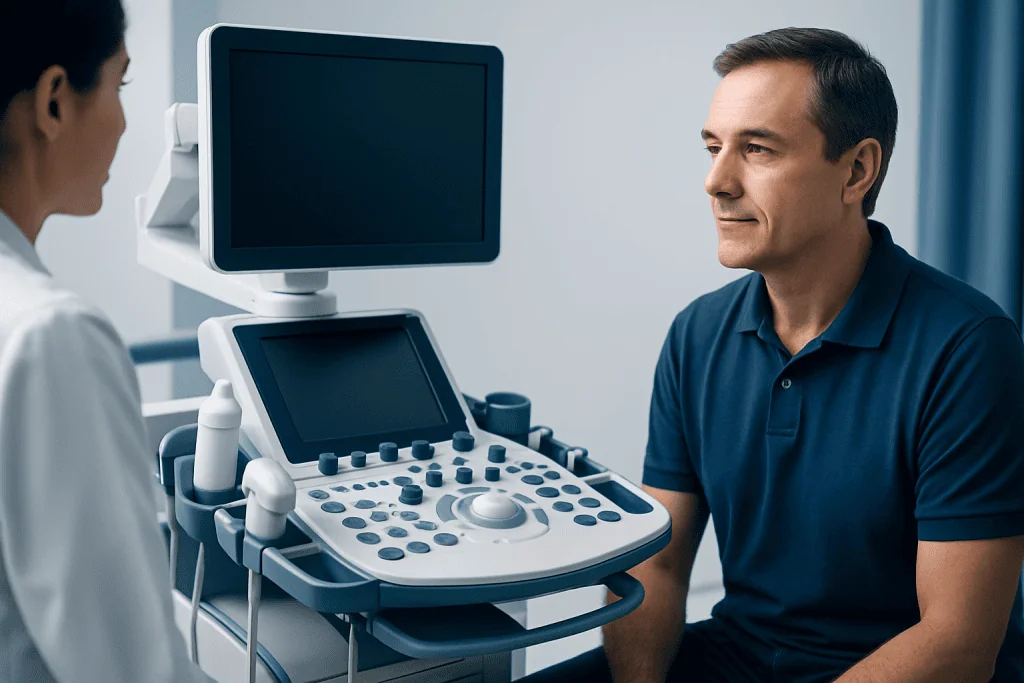
An executive check-up may be recommended when you want a baseline overview of your health, when you have not had routine screening for a long time, or when you want to monitor known risk factors such as high blood pressure, cholesterol, diabetes risk, weight changes or a family history of heart disease or cancer. It can also be useful before making major lifestyle changes, starting an intensive exercise plan or entering a high-pressure work period.
It is also commonly considered by international patients who prefer to combine travel with an organized medical evaluation in a hospital setting. For people living in countries where specialist appointments or imaging access may take longer, a planned check-up visit can provide a coordinated pathway.
A check-up is not a replacement for urgent medical care. If you have severe chest pain, sudden weakness, difficulty breathing, fainting, severe abdominal pain or other acute symptoms, you should seek emergency care immediately rather than waiting for a scheduled screening appointment.
Who is a good candidate?

You may be a good candidate for an executive check-up if you are an adult who wants a preventive review, especially if you have a busy lifestyle, frequent travel, high stress, sedentary work, smoking history, alcohol use, weight concerns or a family history of chronic disease. It may also be helpful if you have vague symptoms such as fatigue, sleep problems or reduced exercise tolerance, although symptoms always need a physician-led diagnostic approach.
People with known chronic conditions can also benefit from a check-up when it is used to monitor overall health and detect related risks. For example, a person with diabetes may need kidney, eye, heart and vascular risk assessment, while someone with hypertension may need cardiovascular review and medication evaluation.
Suitability depends on your individual situation. Some tests may not be appropriate during pregnancy, after recent surgery, in people with kidney disease, in those with contrast allergy or in patients taking certain medications. Your physician will decide which tests are safe and useful for you.
Treatment options
Executive check-up programs can vary in scope. A standard preventive package often includes a physician consultation, basic blood and urine tests, assessment of blood sugar and cholesterol, liver and kidney function tests, thyroid screening, electrocardiogram, chest imaging where appropriate, abdominal ultrasound and general risk evaluation. The exact contents depend on your medical profile.
Age- and sex-specific options may include breast health screening, cervical screening, prostate assessment, bone density evaluation or hormonal evaluation when medically indicated. Cardiovascular-focused check-ups may include exercise testing, echocardiography or advanced cardiac imaging if your physician considers it appropriate.
Some patients may need gastrointestinal assessment, such as stool testing, abdominal imaging or endoscopy, depending on age, symptoms, family history and previous screening. Endoscopy is not part of every executive check-up and usually requires additional preparation, informed consent and sometimes sedation.
Additional options may include nutrition consultation, lifestyle counseling, pulmonary function testing, dermatology review, ophthalmology examination or advanced imaging. The aim is not to do every available test, but to choose the right tests for your risk profile and avoid unnecessary procedures.
Online evaluation before travel
Before you travel, the international patient team can help you share your basic information securely for preliminary review. This may include your age, sex, height, weight, current symptoms, medical conditions, medications, allergies, previous surgeries and recent test results. If you have a specific concern, such as heart disease risk or cancer screening, it is helpful to mention it early.
The medical team can then recommend a suitable check-up pathway and advise whether extra tests or specialist appointments may be needed. This preliminary review is not the same as a final diagnosis, but it helps create a more efficient plan and schedule your hospital visit realistically.
Online planning is especially useful for international patients because some tests require fasting, medication guidance, timing around menstrual cycle, or additional preparation. Clear planning can help reduce delays and make your stay in Turkey more comfortable.
Before the treatment
You may be asked to fast before blood tests, usually from the night before, depending on the planned laboratory work. You should drink water unless instructed otherwise, and you should ask the medical team whether to take your usual medications on the morning of the check-up, especially if you use diabetes medication, blood thinners, blood pressure medication or thyroid medication.
Bring previous test results, imaging reports, discharge summaries, vaccination records and a list of medications and supplements. If you have allergies, contrast reactions, kidney disease, pregnancy possibility, implanted devices or claustrophobia, inform the team before imaging tests are scheduled.
Try to avoid heavy meals, alcohol and intense exercise shortly before your check-up, as these may affect some results. For women, the timing of urine tests, cervical screening or certain gynecological evaluations may need to be adjusted depending on menstruation and symptoms.
What happens during the treatment
On arrival at the hospital, you are usually welcomed by the international patient services team and guided through registration, scheduling and interpretation support if needed. Your check-up commonly begins with a physician consultation, where your medical history, family history, lifestyle, symptoms and expectations are reviewed.
Routine tests may include blood and urine sampling, vital signs, electrocardiogram, imaging and specialist examinations depending on your package. The sequence is planned to make the day efficient, but some waiting time may be needed because certain tests require preparation, reporting or physician availability.
After the tests are completed, physicians review the results and explain the findings in understandable language. If an abnormal result is found, you may be referred for an additional consultation or test. Not every abnormality means a serious disease; some findings are minor, temporary or need confirmation.
Hospital stay and discharge
Most executive check-ups are completed on an outpatient basis, meaning you do not stay overnight in the hospital. You can usually return to your hotel or accommodation after the day’s tests and consultations, unless an additional procedure or medical concern requires observation.
If you have an add-on procedure such as endoscopy with sedation, you may need to rest under supervision until you are fully alert. You should not drive, make important decisions or drink alcohol after sedation on the same day, and you may need a companion depending on the procedure and physician advice.
Before leaving, you should understand which results are final, which are pending and whether any follow-up appointments are needed. International patients can receive help with report delivery, translation support where available and remote communication after returning home.
Recovery timeline
Recovery after a standard executive check-up is usually very quick because most tests are non-invasive. You may feel mild tenderness at the blood draw site, temporary fatigue from fasting or mild discomfort after certain examinations, but most people resume normal activities the same day.
If your check-up includes procedures such as endoscopy, contrast imaging or more advanced testing, your recovery instructions may be different. Always follow the specific advice given by your physician and nursing team.
| Timeframe | What to expect |
|---|---|
| First 24 hours | You can usually eat and drink after routine blood tests unless instructed otherwise. Mild bruising at the blood draw site or tiredness after fasting can occur. If sedation was used, rest and avoid driving or alcohol. |
| First week | Most routine results are reviewed or becoming available. You may receive recommendations for lifestyle changes, medication review or further specialist assessment if needed. |
| Weeks 2-4 | Additional test results, specialist opinions or follow-up plans may be completed. If a finding needs confirmation, your physician may recommend repeat testing or targeted investigation. |
| Months 1-3 | This is a good period to begin lifestyle changes, start recommended treatment through your local physician if needed, and schedule any follow-up tests advised by the medical team. |
| Final result | Your check-up provides a health snapshot for that point in time. Long-term value depends on following medical advice, monitoring risk factors and repeating screening at intervals recommended by your physician. |
What to avoid after treatment
After a standard check-up, there are usually few restrictions. If you only had blood tests, imaging and consultations, you can generally return to normal daily life, eat normally and continue your regular routine unless your doctor advises otherwise.
If sedation was used for an add-on procedure, avoid driving, operating machinery, signing important documents, alcohol and unaccompanied travel for the period advised by your care team. If contrast material was used, you may be advised to drink fluids unless you have a medical condition requiring fluid restriction.
Avoid interpreting results without medical guidance. Laboratory values can be affected by fasting, stress, recent illness, medication, exercise and other factors. A physician should explain what your results mean in your personal context.
Risks and possible complications
An executive check-up is generally low risk, especially when it consists of consultation, blood tests, urine tests, ultrasound and non-invasive examinations. Minor issues may include bruising, tenderness or lightheadedness after blood sampling, temporary anxiety while waiting for results, or discomfort during certain examinations.
Some tests may involve additional considerations. Imaging that uses radiation is recommended only when the expected benefit is appropriate. Contrast imaging may carry a risk of allergic reaction or kidney-related concerns in selected patients, so your medical history and kidney function are important.
Screening can sometimes find incidental findings that are not dangerous but require further evaluation. It can also produce false-positive or false-negative results. This means a test may suggest a problem that is not present, or may not detect a condition at an early stage. For this reason, physician interpretation and follow-up planning are essential.
Warning signs: when to contact a doctor
Most people feel well after a check-up, but you should contact a doctor or seek urgent care if you experience concerning symptoms after any test or procedure. This is particularly important if you had contrast imaging, sedation or an invasive add-on test.
- Severe or worsening pain, swelling, redness or discharge at a blood draw or injection site
- Fainting, severe dizziness, confusion or weakness that does not improve
- Shortness of breath, chest pain, palpitations or sudden sweating
- Signs of allergic reaction such as facial swelling, widespread rash, wheezing or difficulty breathing
- Persistent vomiting, severe abdominal pain or black stools after gastrointestinal procedures
- Fever, chills or feeling seriously unwell after an invasive test
- Bleeding that does not stop with gentle pressure
- Any sudden neurological symptom such as facial drooping, speech difficulty or loss of strength
If you are unsure whether a symptom is important, it is safer to ask for medical advice. International patients can contact the coordination team for guidance on how to reach the relevant medical service.
Results and expectations
The main result of an executive check-up is a clearer understanding of your current health status and risk profile. You may receive reassurance that key parameters are within expected ranges, or you may learn about issues that need attention, such as cholesterol, blood sugar, blood pressure, vitamin deficiencies, liver enzyme changes or imaging findings.
Results should be seen as a starting point for action, not as a guarantee of future health. A normal check-up does not remove the need for healthy habits, age-appropriate screening and medical review if symptoms develop later. Similarly, an abnormal result does not automatically mean a serious disease; it may need repeat testing or specialist interpretation.
Your physician may recommend lifestyle changes, follow-up tests, specialist appointments, medication review or ongoing monitoring with your local doctor. The most valuable outcome is a practical plan that you can continue after returning home.
International patient travel planning
For international patients, planning begins before arrival. Share your preferred travel dates, length of stay, language needs and medical priorities with the coordination team. If you need a same-day or short-stay check-up, it is important to schedule tests and consultations in advance as much as possible.
You may be advised to arrive with enough time to rest before fasting tests, especially after a long flight. Jet lag, dehydration and travel fatigue can affect how you feel during the check-up, so comfortable scheduling can improve your experience.
Acibadem International can help coordinate interpreter support, hospital appointments, airport transfer arrangements where requested, and accommodation guidance. If follow-up results become available after you leave Turkey, remote communication can help you understand the next steps.
Cost and package information
The cost of an executive check-up depends on the scope of the package, your age and sex, the number of specialist consultations, laboratory tests, imaging studies and any add-on procedures such as endoscopy or advanced cardiac assessment. Costs may also vary if additional tests are recommended after the initial physician review.
A typical check-up package may include scheduled physician consultation, selected laboratory tests, imaging included in the package, nursing support, coordination and result review. International patient services may also help with appointment planning, interpretation and logistics depending on the arrangement.
Items that may not be included can include additional specialist visits, extra imaging, procedures requiring sedation, biopsy or pathology, medications, treatment of newly discovered conditions, hotel accommodation, flights, personal expenses and services not listed in the agreed plan. Before confirming travel, request a written explanation of what is included and what may be billed separately.
Why choose Acibadem
Acibadem International supports patients who travel to Turkey for medical care by coordinating hospital appointments, language assistance and practical arrangements. The group includes JCI-accredited hospitals, which reflects a commitment to internationally recognized quality and patient safety standards.
Executive check-ups benefit from access to multiple departments in one healthcare system, including Internal Medicine, Cardiology, Radiology, Gastroenterology, Gynecology, Urology and other specialties when needed. This multidisciplinary access can be helpful if a screening result requires prompt interpretation or further evaluation.
The international patient experience is designed to be clear and organized, from preliminary planning to hospital navigation and remote follow-up. You remain at the center of decision-making, and recommendations are based on physician evaluation rather than unnecessary testing.
Medical review and disclaimer
This guide has been reviewed by the Acibadem International medical team and is provided for general information only. It is intended to help you understand the executive check-up process and prepare for a medical visit in Turkey.
The information in this guide does not replace an in-person or online consultation with a qualified physician. Medical decisions should be based on your personal history, examination findings, test results and physician judgment.
Suitability for any check-up package, test, imaging study or procedure requires physician evaluation. Results, recommendations and follow-up needs vary from person to person, and no screening program can guarantee detection or prevention of every medical condition.
Step by step
- Initial contact. You contact Acibadem International and share your preferred dates, language needs, main health concerns and whether you are seeking a general or focused executive check-up.
- Medical record / photo submission. You send relevant medical records, previous test results, medication lists, allergy information and any imaging reports. Photos are usually not needed for a check-up unless related to a specific concern such as a skin lesion.
- Preliminary medical review. The medical team reviews your information to understand your risk factors and recommend the most appropriate check-up pathway. This review helps plan the visit but does not replace a physician consultation.
- Treatment plan and quotation. You receive a proposed check-up plan explaining the main tests, consultations and what is typically included. Any possible add-ons or separately billed services should be clarified before confirmation.
- Travel planning. The international patient team helps you plan appointment timing, arrival date, fasting instructions, transfer options and accommodation guidance when requested.
- Arrival. When you arrive in Turkey, you are guided to the hospital according to the agreed schedule. Interpreter support can be arranged to help you communicate comfortably.
- In-person consultation. A physician reviews your history, symptoms, lifestyle, family history and previous results. The plan may be adjusted if the physician identifies a safety concern or a more appropriate test pathway.
- Pre-operative tests. For an executive check-up, this usually means baseline assessments such as blood tests, urine tests, vital signs and other screening tests rather than surgical preparation. If an invasive add-on procedure is planned, additional safety checks may be needed.
- Treatment. Your check-up tests and examinations are performed according to the schedule. This may include laboratory tests, imaging, cardiology assessments and specialist consultations depending on your package.
- Hospital stay. Most check-ups are outpatient and do not require overnight hospitalization. If sedation or an additional procedure is performed, short observation may be needed.
- First control. Your physician reviews available results with you, explains important findings and recommends next steps. Some specialized results may be shared later.
- Discharge / travel clearance. You receive instructions about pending results, warning signs and whether any further medical appointment is needed before travel. For standard check-ups, travel is usually possible without a long recovery period.
- Remote follow-up. After you return home, the international patient team can help share completed reports and coordinate remote communication for follow-up questions or recommended next steps.
Your checklist
- Valid passport and travel documents
- Full medical history, including chronic diseases and current symptoms
- List of all medications, vitamins and supplements
- Allergy information, including medication, food, latex or contrast allergies
- History of previous surgeries, hospitalizations and major illnesses
- Recent blood tests, imaging reports, ECGs or specialist letters
- Family history of heart disease, cancer, diabetes or inherited conditions
- Vaccination records if relevant to your medical history or travel plan
- Information about smoking, alcohol use, exercise, sleep and diet
- For women, pregnancy possibility, menstrual cycle details and previous gynecological screening results
- Any implanted devices, pacemakers, stents or metal implants
- Questions or health priorities you want to discuss with the physician
Key takeaways
- An executive check-up is suitable if you want a structured, preventive review of your health, especially if you have a busy lifestyle, family history of disease or limited time for routine care.
- Most standard check-up programs are completed as an outpatient visit, often within one day, although add-on tests can extend the schedule.
- You may need to fast before blood tests and should bring your medical history, medication list, previous results and any current symptoms to help personalize the evaluation.
- Results are interpreted by physicians, not only by laboratory reference ranges, so your age, risks, lifestyle and medical history are considered together.
- Screening can support early detection but cannot guarantee that every condition will be found; abnormal or uncertain findings may require further evaluation.
- International patients are supported with planning, interpreters, transfers where arranged, accommodation guidance and remote communication after returning home.
Frequently asked questions
Is an executive check-up suitable for me if I feel healthy?
Yes, many people choose an executive check-up while feeling well because the purpose is preventive screening and risk assessment. It can help identify silent risk factors such as high cholesterol, high blood pressure or blood sugar changes. Your physician will decide which tests are appropriate for your age, history and lifestyle.
How long should I stay in Turkey for an executive check-up?
Many standard check-up programs can be completed as an outpatient visit, often within a short stay. However, it is wise to allow extra time in case additional tests, specialist consultations or pending results are needed. The recommended stay depends on your package and medical findings.
Do I need to fast before the check-up?
Fasting is commonly required for some blood tests, especially glucose and lipid measurements. The team will give you specific instructions before your appointment. You should ask in advance whether to take your usual morning medications.
Can I combine my check-up with tourism or business travel?
In many cases, yes, because standard check-ups have minimal recovery time. It is still best to schedule the medical visit early in your trip so any additional tests can be arranged if needed. If sedation or an invasive add-on procedure is planned, you may need a rest period.
What factors influence the cost of an executive check-up?
Cost depends on the scope of the package, laboratory tests, imaging, specialist consultations and any add-on procedures. Additional tests recommended after physician review may be billed separately. You should request a clear written explanation of what is included and excluded before confirming travel.
Are executive check-ups safe?
Standard check-up tests are generally low risk, especially when they involve consultation, blood tests, urine tests and ultrasound. Some imaging or procedures may have specific considerations, such as contrast allergy, radiation exposure or sedation. Your physician will recommend tests only after considering safety and medical usefulness.
Will the check-up detect every possible disease?
No screening program can detect every condition or guarantee future health. A check-up provides a health snapshot and helps identify important risks, but false-positive and false-negative results can occur. You should seek medical care if symptoms develop later, even if your check-up was normal.
What happens if an abnormal result is found?
Your physician will explain what the finding may mean and whether it needs repeat testing, specialist review or further investigation. Some abnormalities are minor or temporary, while others need closer follow-up. International patients can receive guidance on next steps before returning home or through remote communication.
Will I receive my results in English?
International patient services can help coordinate communication and report sharing in a language you understand where available. Interpreter support can also be arranged during consultations. It is helpful to ask in advance about the format and timing of final reports.
Why choose a hospital-based check-up instead of separate tests?
A hospital-based check-up allows your tests to be planned, performed and interpreted within a coordinated medical system. If a result needs specialist input, referral can often be arranged more efficiently. The main benefit is physician-led interpretation, not simply collecting test numbers.
Add us as a Preferred Source to see more of our trusted health content across Google Search, AI Overviews and Discover.
More Patient Guides
Day Surgery in Turkey: Can You Leave Hospital the Same Day?
Day surgery in Turkey often lets you go home the same day if your procedure and recovery are suitable and your doctor…
11 min read
General Anesthesia in Turkey: How to Prepare and What Happens Before You Sleep
General anesthesia in Turkey helps you sleep safely through surgery. Learn preparation, recovery, risks, and travel planning in Istanbul.
11 min read
Choosing Between Outpatient and Inpatient Treatment in Turkey: What Affects the Decision
Choosing Between Outpatient and Inpatient Treatment in Turkey depends on your procedure, health, recovery needs and travel plans.
11 min read