Quick answer
Deep vein thrombosis is a blood clot that forms in a deep vein, usually in the leg, and can become dangerous if it travels to the lungs. At Acibadem in Turkey, diagnosis focuses on imaging and blood tests, and treatment may include blood-thinning medication, compression, monitoring, or minimally invasive procedures to remove or dissolve the clot when needed.
Overview
Deep vein thrombosis, often called DVT, is a condition in which a blood clot forms in a deep vein, most commonly in the leg. Deep veins are located deeper inside the body and carry blood back toward the heart. When a clot forms in one of these veins, it can partially or completely block normal blood flow.
DVT is important because the clot may grow, damage the vein, or in some cases break loose and travel to the lungs. This can cause a serious condition called pulmonary embolism. With timely medical evaluation and appropriate care, many people with DVT can be treated effectively and monitored to reduce the risk of complications.
Vascular surgery specialists are often involved in assessing the severity of DVT, identifying the underlying cause, planning treatment, and managing long-term vein health, especially in complex or recurrent cases.
Symptoms
DVT symptoms can vary. Some people have clear signs, while others may have very mild symptoms or none at all. When symptoms occur, they usually affect one leg, although DVT can occur in other parts of the body.
- Swelling in the calf, ankle, foot, or entire leg
- Pain or tenderness, often starting in the calf
- A feeling of warmth in the affected area
- Redness or a change in skin color
- A heavy, tight, or aching sensation in the leg
- Visible surface veins that appear more prominent than usual
Symptoms of a possible pulmonary embolism require urgent medical attention. These may include sudden shortness of breath, chest pain, coughing blood, rapid heartbeat, dizziness, or fainting. These symptoms should be treated as an emergency.
Causes and Risk Factors
DVT develops when blood flow slows down, the blood becomes more likely to clot, or the inner lining of a vein is injured. Often, more than one factor is involved.
Common risk factors include long periods of immobility, such as extended bed rest, long-distance travel, or recovery after surgery. Major operations, especially involving the legs, hips, pelvis, or abdomen, can increase the risk. Injury to a vein, fractures, or trauma may also contribute.
Other factors that may increase risk include pregnancy and the period after childbirth, certain hormonal treatments, some cancer conditions and their treatments, obesity, smoking, increasing age, and a personal or family history of blood clots. Some people have inherited or acquired conditions that make the blood more likely to clot.
Not everyone with risk factors will develop DVT, and DVT can sometimes occur without an obvious reason. A medical evaluation helps identify possible causes and guide prevention of future episodes.
Diagnosis
Diagnosis begins with a medical history and physical examination. The doctor may ask about symptoms, recent surgery or travel, previous clots, medications, pregnancy, medical conditions, and family history. The affected limb may be checked for swelling, tenderness, warmth, and skin changes.
The most common imaging test used to evaluate suspected DVT is ultrasound. This test uses sound waves to assess blood flow and look for clots in the veins. It is non-invasive and does not involve radiation.
Blood tests may be used in some cases to help assess the likelihood of a clot, but they do not replace medical evaluation. If the clot is suspected in a less common location, or if ultrasound findings are unclear, additional imaging tests may be considered. The choice of tests depends on the patient’s symptoms, risk factors, and overall condition.
Treatment Options
The goals of DVT treatment are to prevent the clot from getting larger, reduce the risk of the clot traveling to the lungs, relieve symptoms, and lower the chance of future clots. Treatment is individualized based on the location and size of the clot, the patient’s risk factors, bleeding risk, other medical conditions, and overall health.
Many patients are treated with blood-thinning medicines. These medicines do not dissolve the clot immediately, but they help prevent new clots from forming and reduce the chance that the existing clot will grow. The body gradually breaks down the clot over time. The duration of treatment varies and should be determined by a doctor.
Compression therapy may be recommended for selected patients to support the veins and help with swelling or discomfort. It should be used under medical guidance, especially if there are circulation problems or other vascular conditions.
In more severe or complex cases, vascular specialists may consider procedures to remove or break down a clot, improve blood flow, or address narrowing or compression of a vein. These approaches are not needed for everyone and are considered when the potential benefits outweigh the risks.
Long-term follow-up may be important, particularly for patients with recurrent DVT, ongoing risk factors, or persistent leg swelling and discomfort. Some people develop post-thrombotic syndrome, a condition that can cause chronic swelling, heaviness, skin changes, or pain after DVT.
When to See a Doctor
Seek medical advice promptly if you develop unexplained swelling, pain, warmth, or redness in one leg, especially if you have recently had surgery, been immobile, traveled for a long time, are pregnant, or have a history of blood clots.
Call emergency medical services immediately if you experience sudden shortness of breath, chest pain, coughing blood, fainting, or a rapid heartbeat, as these may be signs of a pulmonary embolism.
DVT is a medical condition that requires professional assessment. Early evaluation can help confirm the diagnosis, guide safe treatment, and reduce the risk of complications. If you are concerned about your risk, a vascular specialist can review your medical history and recommend appropriate preventive measures for your situation.
Treatments for This Condition
Doctors Who Treat This Condition
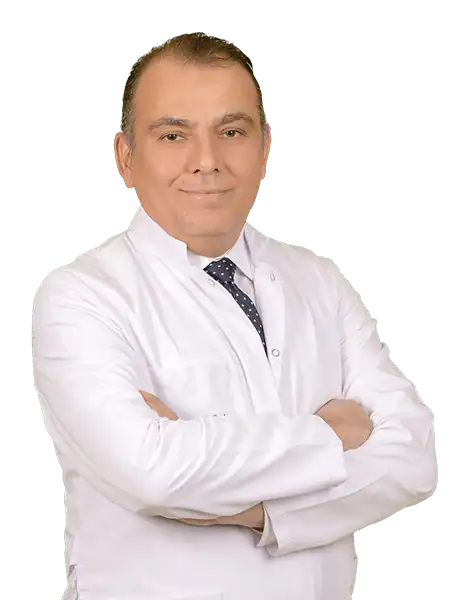
Prof. Dr. Ahmet Tulga Ulus
Cardiovascular Surgery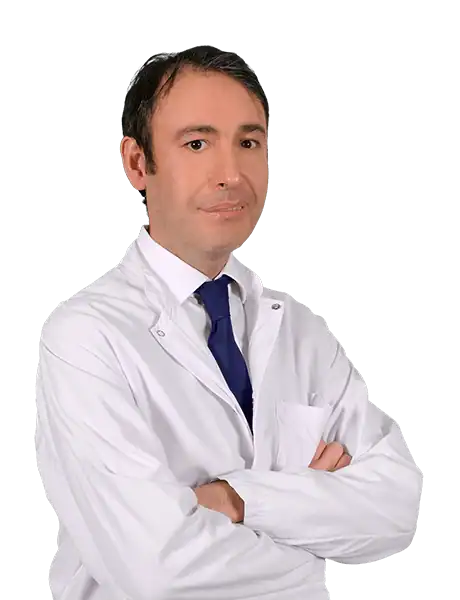
Prof. Dr. Ahmet Ümit Güllü
Cardiovascular Surgery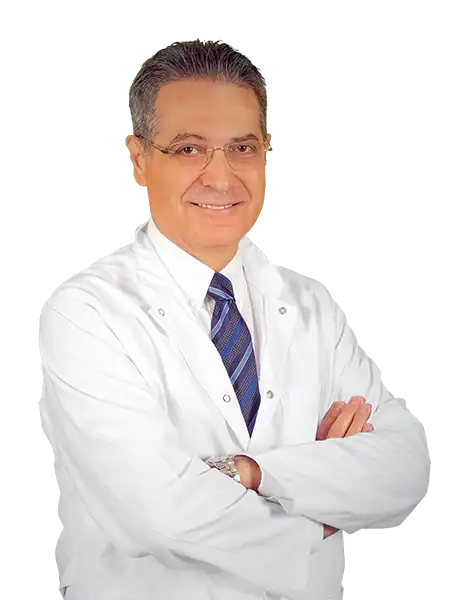
Prof. Dr. Bülent Kisacikoğlu
Cardiovascular Surgery
Prof. Dr. Cem Alhan
Cardiovascular Surgery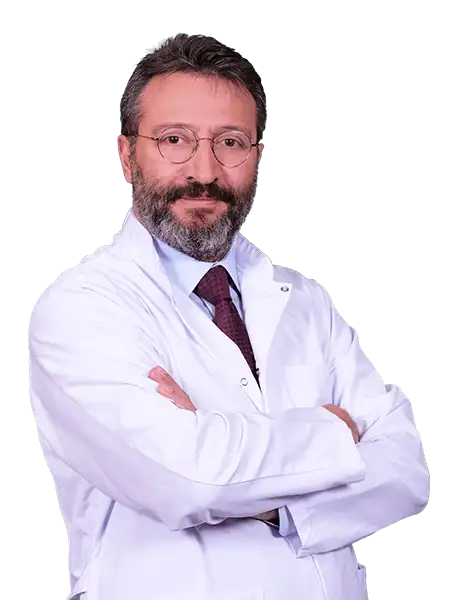
Prof. Dr. Ersin Erek
Cardiovascular Surgery
Prof. Dr. Eyüp Murat Ökten
Cardiovascular Surgery
Prof. Dr. Fuat Bilgen
Cardiovascular Surgery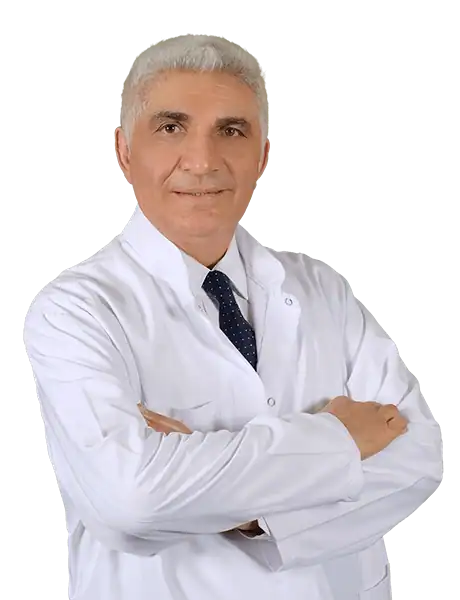
Prof. Dr. Hayati Özkan
Cardiovascular Surgery
Prof. Dr. Mehmet Özkan
Cardiovascular Surgery
Prof. Dr. Rıza Türköz
Cardiovascular Surgery
Prof. Dr. Tayyar Sarioğlu
Cardiovascular Surgery