

Wound Dressing Changes After Surgery in Turkey
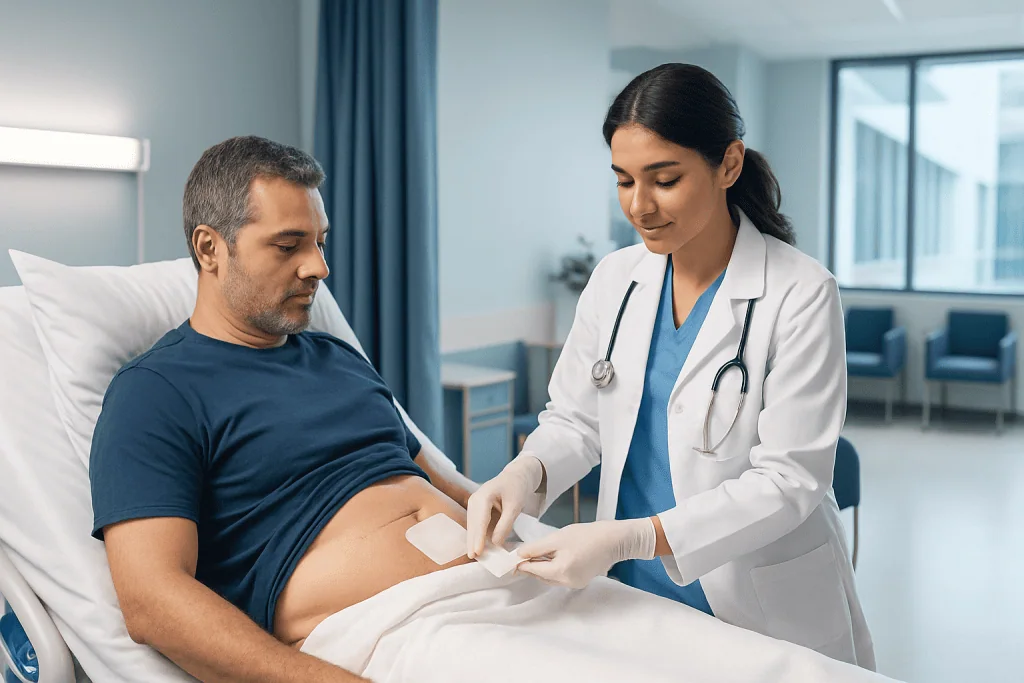
A practical guide to safe surgical wound dressing changes in Turkey, including travel planning, recovery, warning signs and follow-up.
This guide explains what to expect from surgical wound dressing changes in Turkey, including how wounds are assessed, how dressings are selected, what recovery looks like and when to seek medical advice. It is designed to help you plan safe aftercare with Acibadem International before, during and after your visit.
At a glance
- Procedure type: Post-operative wound care and dressing change
- Purpose: To protect the surgical wound, reduce contamination risk, manage drainage and support healing
- Anesthesia: Usually not required; local comfort measures may be used if needed
- Hospital stay: Often outpatient, or performed during your planned hospital stay after surgery
- Estimated recovery: Depends on the original surgery, wound size, healing progress and any medical conditions
- Return to daily life: Often possible as advised by your surgeon, while keeping the wound protected and dry when required
- Final result timeline: Wound closure and scar maturation may take weeks to months, depending on the procedure
- Suitable department: Surgical specialty, wound care team, nursing services and related multidisciplinary departments
- International patient support: Interpreter assistance, appointment coordination, transfers, accommodation guidance and remote follow-up
What is this treatment?
Wound dressing changes after surgery are structured medical care steps used to protect a surgical incision or wound while your body heals. A dressing can absorb fluid, reduce friction from clothing, provide a clean barrier, support the wound edges and allow your clinical team to monitor healing. Although dressing changes may look simple, they are an important part of safe recovery, especially after major surgery, reconstructive procedures, abdominal operations, orthopedic surgery, plastic surgery or procedures where drains, sutures or staples are present.
During a dressing change, a nurse or physician checks the wound for expected healing signs and for concerns such as unusual drainage, separation of the wound edges, excessive swelling or infection. The old dressing is removed carefully, the skin and wound are assessed, the area may be cleaned according to the surgeon’s protocol and a new sterile or clean dressing is applied. The exact technique depends on the wound type, the surgery performed and your doctor’s instructions.
For international patients in Turkey, wound dressing changes may be part of your hospital stay, your outpatient control visits or your recovery plan before flying home. At Acibadem International, wound care is coordinated with the relevant surgical team and international patient services so that you understand what will happen, when your next check is needed and how to continue care safely after discharge.
When is it recommended?

Wound dressing changes are recommended whenever a surgical site needs protection, monitoring or drainage management after an operation. Some small incisions may only need a simple dressing for a short time, while larger wounds, complex closures or areas under tension may require repeated professional dressing changes. Your surgeon decides the frequency based on the operation, the wound appearance, your medical history and your healing progress.
Dressing care may be especially important if the wound is close to a joint, under clothing pressure, in an area that moves frequently or in a place that is difficult for you to see or reach. It may also be recommended when drains are in place, when stitches or staples need monitoring, when there is expected fluid leakage or when a special dressing such as a waterproof, antimicrobial or negative pressure wound therapy dressing is used.
Patients with diabetes, circulation problems, immune system conditions, smoking history, previous wound healing problems or higher body mass index may need closer monitoring. This does not mean complications will occur, but it does mean your team may prefer more structured follow-up and clear instructions. If you are traveling to Turkey for surgery, your wound dressing schedule should be included in your overall treatment and travel plan.
Who is a good candidate?

You may be a good candidate for professional wound dressing changes if you have recently had surgery and your incision needs planned follow-up, dressing replacement, drainage assessment or wound care education. This includes patients recovering from general surgery, orthopedic procedures, cardiac or vascular surgery, plastic and reconstructive surgery, bariatric surgery, gynecologic or urologic procedures and many other operations.
You may also benefit from supervised dressing changes if you feel uncertain about caring for the wound yourself, if the wound is in a hard-to-reach area or if you are traveling without a companion. Some patients prefer to have the first dressing changes performed by trained staff so they can learn the correct technique before returning home. This can be reassuring, particularly when instructions vary from what you may have received after a previous surgery.
Suitability is always determined by a physician or qualified clinical team after reviewing your surgery type, wound condition and medical history. If you had surgery outside Acibadem and need wound care support in Turkey, you should share your operation report, discharge summary, medication list and any instructions from your original surgeon so the team can understand your needs safely.
Treatment options
There is no single dressing that is right for every surgical wound. The best option depends on the incision location, whether the wound is dry or draining, the condition of the surrounding skin, the presence of sutures, staples or drains and your surgeon’s goals. A simple sterile gauze dressing may be enough for many clean surgical incisions, while other wounds may need absorbent pads, silicone contact layers, transparent film, foam dressings or protective coverings designed to reduce friction and moisture exposure.
Some patients may need specialized dressing approaches. Antimicrobial dressings may be considered in selected cases when the wound has a higher infection risk or as directed by the physician. Waterproof or shower-resistant coverings may be used for certain wounds, but only if your surgeon confirms showering is allowed. Negative pressure wound therapy may be recommended for specific wounds where controlled suction can help manage fluid and support wound healing, but it requires careful medical assessment and device instructions.
Dressing frequency also varies. Some dressings are changed daily, while others are left in place longer if they remain clean, dry and secure. Drains, staples and sutures are managed according to the surgical plan, and removal timing depends on wound healing and the procedure performed. Your team will explain whether you should change dressings yourself, return to the clinic, arrange local nursing support or avoid touching the dressing until your next control.
Online evaluation before travel
If you are planning surgery in Turkey, wound dressing needs can often be discussed before you travel. You may be asked to share your diagnosis, planned procedure, medical history, current medications, allergies and any previous wound healing concerns. If you are requesting aftercare for surgery performed elsewhere, you should also provide the operation report, discharge instructions and clear photos of the wound if requested by the medical team.
An online evaluation helps the team understand whether your wound care needs can be safely supported in an outpatient setting or whether you may need in-person examination, laboratory tests, imaging or referral to a specific specialist. Photos can be useful for orientation, but they do not replace a physical examination. Wound depth, tenderness, odor, drainage amount and skin temperature are difficult to judge accurately online.
Acibadem International patient services can help coordinate the communication between you and the relevant medical department. If language support is needed, interpreter assistance can be arranged for appointments and instructions. The goal is to help you arrive with realistic expectations, a clear schedule and enough time in Turkey for safe wound checks before traveling home.
Before the treatment
Before a wound dressing change, your clinical team will confirm your identity, review your surgery and ask about pain, fever, drainage, bleeding, allergies and medication use. It is important to mention blood thinners, diabetes medicines, immune-suppressing medicines, steroid use, antibiotic treatment and any allergy to adhesive tapes, iodine, chlorhexidine, latex or dressing materials. These details help the team choose safe products and avoid skin irritation or medication-related concerns.
You may be asked when the dressing was last changed, whether it became wet or loose and whether you noticed any change in drainage color, smell or amount. If you have drains, you may be asked about output volume and appearance. If you are monitoring your temperature or blood sugar at home, bring your notes or share the values with the team.
Wear comfortable clothing that allows easy access to the wound area. Avoid applying creams, powders, herbal products or antiseptics unless your surgeon has specifically approved them. If you have anxiety about seeing the wound or discomfort during dressing removal, tell the nurse beforehand; the team can work gently, explain each step and help you feel more comfortable.
What happens during the treatment
A wound dressing change usually begins with hand hygiene, preparation of clean or sterile materials and careful removal of the old dressing. The nurse or physician may moisten the dressing if it is stuck, to reduce discomfort and avoid disturbing the healing tissue. The old dressing may be checked for drainage amount, color and odor because these details can help assess healing.
The wound and surrounding skin are then examined. The team looks for healthy closure, swelling, redness, bruising, warmth, tenderness, skin irritation from adhesive, drainage and any separation of the wound edges. If cleaning is needed, it is performed according to the surgeon’s protocol, using appropriate solutions and gentle technique. Not every wound should be aggressively cleaned, and not every wound needs antiseptic products.
A new dressing is selected and applied to protect the area and support healing. If drains, sutures or staples are present, they are secured or checked as needed. You will receive instructions about keeping the dressing dry, showering, movement, clothing, activity and when to return for the next dressing change. If you are continuing care at your hotel or after returning home, the team may show you or your companion how to recognize normal versus concerning changes.
Hospital stay and discharge
If your dressing changes are part of a hospital stay after surgery, they will be integrated into your daily medical and nursing care. The team will monitor your wound along with your pain control, mobility, nutrition, vital signs and overall recovery. Depending on the operation, the first dressing change may happen within a planned timeframe or may be delayed if the surgeon wants the initial dressing to remain undisturbed.
Before discharge, you should receive clear instructions about wound care, bathing, activity limits, medications, follow-up appointments and warning signs. Ask who to contact if the dressing becomes wet, falls off, bleeds through or causes skin irritation. If you are staying in Turkey for outpatient follow-up, confirm the date and location of your next control visit.
For international patients, discharge planning should also include travel considerations. Your team may advise you to remain nearby until the first control or until drains are removed, depending on your surgery. Acibadem International can help coordinate interpreter-supported discharge education, transfers and communication with your care team so you feel confident before leaving the hospital.
Recovery timeline
Your recovery timeline depends mainly on the original surgery, wound size, wound location and your general health. Dressing changes support healing, but they do not make all wounds heal at the same speed. Some incisions become dry and stable quickly, while others need longer monitoring because of swelling, drainage, tension, drains or medical conditions that affect healing.
| Timeframe | What to expect |
|---|---|
| First 24 hours | The original surgical dressing may remain in place unless your surgeon instructs otherwise. Mild swelling, bruising or small amounts of expected drainage may be monitored by the care team. |
| First week | You may have one or more dressing changes and wound checks. The team assesses drainage, redness, wound edge closure, pain and any drains, sutures or staples. |
| Weeks 2-4 | Many wounds become drier and more stable, but activity limits may continue. Sutures or staples may be removed according to the surgeon’s plan, depending on wound healing and procedure type. |
| Months 1-3 | The incision usually continues to strengthen and the scar may look pink, firm or slightly raised. Scar care may be discussed if the wound is fully closed and your doctor approves. |
| Final result | Scar maturation can take several months or longer. Final appearance varies by surgery, skin type, genetics, wound tension, sun exposure and any healing complications. |
Always follow the timeline given by your own surgeon, even if it differs from general guidance. If you are flying home, ask whether you need a final wound check before travel and how to continue care with a local doctor or nurse if additional dressing changes are required.
What to avoid after treatment
After a wound dressing change, avoid removing or disturbing the dressing unless your care team has instructed you to do so. Do not apply creams, oils, alcohol, hydrogen peroxide, powders, herbal remedies or antiseptics without medical approval, as some products can irritate the skin or delay healing. Avoid scratching the area, pulling at scabs or trimming sutures yourself.
Keep the dressing dry if your surgeon has instructed you to avoid moisture. If showering is allowed, follow the exact instructions you were given and do not soak the wound in a bathtub, pool, hot tub or sea until your doctor confirms it is safe. Wet dressings can loosen, irritate the skin and increase contamination risk, so contact your team if the dressing becomes soaked or dirty.
Avoid strenuous activity, heavy lifting, stretching or movements that place tension on the incision until cleared by your surgeon. Tight clothing, belts, braces or compression garments should only be used as instructed, because pressure can affect wound comfort and circulation. Smoking and poor nutrition can also interfere with healing, so discuss support options with your medical team if needed.
Risks and possible complications
Wound dressing changes are generally low-risk when performed correctly, but any surgical wound can develop healing problems. Possible issues include skin irritation from adhesive, discomfort during dressing removal, minor bleeding, delayed healing, fluid collection, wound separation or infection. These risks depend more on the surgery and your health than on the dressing change itself, but good technique and follow-up help reduce avoidable problems.
Infection is one of the main concerns after surgery, and early recognition is important. Signs can include increasing redness, warmth, swelling, worsening pain, fever, pus-like discharge or a foul smell. Some drainage may be expected after certain operations, so the key is whether symptoms are changing, worsening or different from what your surgeon described as normal.
Certain factors may increase the chance of wound complications, such as diabetes, smoking, poor circulation, immune suppression, malnutrition, obesity, previous radiation, repeated surgery in the same area or tension on the wound. Your team will consider these factors when planning dressing type and follow-up frequency. No wound care plan can guarantee a specific outcome, but close monitoring and timely medical advice can support safer healing.
Warning signs: when to contact a doctor
It is normal to have some discomfort, mild swelling or limited bruising after many operations, but you should contact your doctor if symptoms increase or feel unusual. Do not wait for your next scheduled appointment if you are worried about a wound change, especially when you are traveling or staying away from home.
- Fever, chills or feeling generally unwell
- Increasing redness, warmth or swelling around the wound
- Worsening pain that is not improving as expected
- Pus-like, green, yellow or foul-smelling discharge
- Bleeding that soaks the dressing or does not stop with advised measures
- The wound edges opening or stitches or staples coming loose
- Sudden increase in drainage, especially if accompanied by pain or swelling
- Skin blisters, rash or severe itching under the dressing or tape
- Numbness, color change, coldness or severe swelling in a nearby limb
- Shortness of breath, chest pain, fainting or sudden calf pain, which requires urgent medical attention
If you are an Acibadem International patient, use the contact pathway provided in your discharge documents. If symptoms are severe or sudden, seek urgent medical care at the nearest appropriate facility rather than waiting for remote advice.
Results and expectations
The goal of wound dressing changes is to support safe healing, protect the surgical site and identify concerns early. A well-managed dressing plan can help keep the wound clean, reduce unnecessary irritation and provide reassurance while your body heals. However, the final wound and scar outcome depends on many factors, including the original surgery, incision placement, tissue quality, genetics, medical conditions and how closely aftercare instructions are followed.
Scars change over time. Early scars may appear red, pink, firm, raised or darker than the surrounding skin, and this does not always mean something is wrong. With time, many scars soften and fade, but they may not disappear completely. Your doctor may discuss scar care once the wound is fully closed, but scar creams, silicone products or massage should only be started when your surgeon says it is safe.
Sometimes wounds need additional care, such as more frequent dressing changes, antibiotics if infection is diagnosed, drainage of a fluid collection, removal or replacement of sutures or, rarely, another procedure. These possibilities are not common for every patient, but they are part of honest surgical aftercare planning. If revision of a scar or wound is ever considered, it is usually assessed after adequate healing time unless there is an urgent medical reason.
International patient travel planning
When planning surgery and wound care in Turkey, allow enough time for the early healing phase and your first post-operative control. The ideal length of stay depends on your procedure, dressing needs, drains, suture or staple timing, mobility and your surgeon’s recommendation. Some patients can travel after a short recovery period, while others should remain longer for wound checks and travel clearance.
Before booking flights, ask whether you will need outpatient dressing changes, when you can shower, whether drains may still be present and whether you should avoid long flights for a period of time. If you will need dressing supplies after returning home, confirm what to purchase and whether a local nurse or physician should continue care. Keep your discharge report, operation summary and wound care instructions with you during travel.
Acibadem International supports patients with appointment scheduling, interpreter services, airport transfers, accommodation guidance and remote follow-up coordination. If you are traveling with a companion, they may also receive practical instructions, such as how to help protect the wound, when to call the hospital and how to support you during the first days after discharge.
Cost and package information
The cost of wound dressing changes after surgery depends on several factors, including whether the dressing is part of a surgical package or arranged separately, the complexity of the wound, the number of visits required, the type of dressing materials used, whether a specialist physician review is needed and whether additional tests or treatments are required. Specialized dressings, negative pressure wound therapy devices, laboratory tests, imaging or medications may affect the overall cost.
When wound care is included in a surgical plan, typical inclusions may involve planned in-hospital dressing changes, standard nursing care, discharge education and scheduled early control visits. If you request additional outpatient dressing changes, care for surgery performed elsewhere or unplanned wound reviews, these may be assessed separately. International patient coordination services can clarify what is included in your personalized plan before you confirm travel.
Items that may not be included can include extra consultations outside the planned package, additional dressing materials, medications, laboratory tests, imaging, extended accommodation, local nursing care after discharge, extra transfers or treatment for complications. You should request a written explanation of inclusions and exclusions so you can plan confidently. Acibadem International provides individualized information based on physician evaluation and your specific aftercare needs, without relying on one-size-fits-all assumptions.
Why choose Acibadem
Wound care is safest when it is connected to the broader surgical plan. Acibadem International works within a healthcare group that includes JCI-accredited hospitals, experienced surgical departments and multidisciplinary teams. This means your dressing changes can be coordinated with the surgeon, nurses and relevant specialists when needed, rather than treated as an isolated task.
For international patients, practical support matters as much as clinical care. Interpreter assistance, appointment planning, transfer coordination, accommodation guidance and discharge communication can make your recovery in another country feel more manageable. Clear instructions in a language you understand help you recognize normal healing, follow activity restrictions and know when to contact the team.
Acibadem International also supports continuity after you return home. Remote follow-up may be arranged when appropriate, and your discharge documents can help your local doctor or nurse continue wound care. While no clinic can guarantee a specific healing outcome, coordinated care and timely communication can make the recovery process clearer and more reassuring.
Medical review and disclaimer
This guide has been reviewed by the Acibadem International medical team. It is intended to provide general information about wound dressing changes after surgery in Turkey and to help you prepare practical questions for your consultation and recovery planning.
The information here does not replace an in-person consultation, diagnosis, individualized medical advice or emergency care. Wound care instructions can differ depending on your surgery, wound condition, medical history, medications and the products used during your operation. Always follow the instructions given by your own surgeon or wound care team.
Suitability for any dressing method, follow-up schedule, travel timing or additional treatment requires physician evaluation. If you notice concerning symptoms or feel that your wound is worsening, contact your doctor promptly or seek urgent medical care when necessary.
Step by step
- Initial contact. You contact Acibadem International with your request for surgery-related wound care or post-operative dressing support in Turkey. The team records your needs, preferred dates, language requirements and whether your surgery will be performed at Acibadem or elsewhere.
- Medical record / photo submission. You share your medical history, operation details if available, medication list, allergies and clear wound photos if requested. If you have a discharge summary, laboratory results or instructions from another surgeon, these are also helpful.
- Preliminary medical review. The relevant clinical team reviews the information to understand the wound care need and whether an outpatient appointment is appropriate. You may be asked additional questions about drainage, fever, pain, diabetes, blood thinners or previous wound healing problems.
- Treatment plan and quotation. You receive a personalized plan explaining the likely dressing change approach, expected number of visits when predictable and what is included or excluded. The plan remains subject to in-person examination and physician evaluation.
- Travel planning. International patient services help coordinate appointment timing, airport transfers and accommodation guidance. You should plan enough time in Turkey for early wound checks and travel clearance if recommended.
- Arrival. When you arrive in Turkey, the support team helps guide you to your scheduled hospital or clinic appointment. Interpreter support can be arranged so you understand the process and instructions clearly.
- In-person consultation. A physician or qualified clinical team examines the wound, reviews your symptoms and confirms the dressing plan. The team checks for normal healing signs and any concerns that may require additional action.
- Pre-operative tests. If your dressing care is part of a planned surgery, pre-operative tests are completed according to the surgical protocol. If you are attending for wound care after an operation, tests such as blood work or imaging may be requested only when clinically needed.
- Treatment. The old dressing is removed carefully, the wound is assessed and cleaned if appropriate, and a new dressing is applied. You are given instructions about keeping the dressing dry, activity, showering and warning signs.
- Hospital stay. If you are still admitted after surgery, dressing changes are integrated into your inpatient recovery. Nurses and physicians monitor your wound along with your pain control, mobility, drains and general condition.
- First control. At the first outpatient control, the team reassesses healing, drainage, skin condition and the need for further dressing changes. Sutures, staples or drains are managed according to your surgeon’s plan.
- Discharge / travel clearance. Before you leave the hospital or travel home, you receive wound care instructions, follow-up recommendations and contact information. Your doctor advises whether you are fit to travel based on your overall recovery and wound status.
- Remote follow-up. When appropriate, remote follow-up can help answer questions after you return home. You may be asked to share updates or photos, but urgent or worsening symptoms should be assessed by a local doctor without delay.
Your checklist
- Passport and travel documents
- Medical history, including chronic conditions such as diabetes, vascular disease or immune system disorders
- Operation report and discharge summary if surgery has already been performed
- Current medication list, including blood thinners, steroids, diabetes medicines and supplements
- Allergies, especially to adhesives, latex, iodine, chlorhexidine, antibiotics or dressing materials
- Previous surgeries and any past wound healing problems
- Current symptoms, including pain level, fever, drainage, swelling or odor
- Recent test results, blood tests or imaging if relevant
- Clear wound photos if requested by the medical team before travel
- Details of drains, sutures, staples or special dressings currently in place
- Contact details for your original surgeon or local doctor if applicable
- Questions about showering, activity, flying, supplies and follow-up after returning home
Key takeaways
- Wound dressing changes are an important part of post-operative care and should follow your surgeon’s specific instructions.
- The type and frequency of dressing changes depend on the surgery, wound condition, drainage, stitches, drains and your overall health.
- International patients should plan enough time in Turkey for the first post-operative controls and travel clearance when recommended.
- Keep the wound clean, avoid unapproved products and contact your care team promptly if you notice increasing redness, swelling, discharge, fever or worsening pain.
- Acibadem International can help coordinate wound checks, interpreter support, discharge instructions and remote follow-up after you return home.
Frequently asked questions
Do I always need a doctor or nurse to change my surgical dressing?
Not always. Some simple wounds can be cared for at home after you receive clear instructions, while others need professional dressing changes because of drainage, drains, sutures, wound location or infection risk. Your surgeon or wound care team will tell you what is safest for your situation.
How often should my dressing be changed after surgery?
The frequency depends on the operation, wound condition, dressing type and amount of drainage. Some dressings are changed daily, while others stay in place longer if they remain clean, dry and secure. You should follow your own surgeon’s schedule rather than general advice.
Can I travel to Turkey for wound dressing changes after surgery performed elsewhere?
In many cases, you can request an evaluation, but the team will need your operation report, discharge instructions, medical history and current wound information. Photos may help with preliminary review, but an in-person examination is needed for safe decision-making. If the wound appears urgent, you may be advised to seek immediate local care first.
How long should I stay in Turkey after surgery for wound checks?
The recommended stay depends on your surgery, wound healing, drains, mobility and your doctor’s travel advice. Some patients need only early control visits, while others should remain until drains are removed or the wound is more stable. Your plan should be personalized before you book return flights.
Will a dressing change be painful?
Most dressing changes cause little discomfort, but some tenderness is possible, especially if the wound is fresh or the dressing has stuck to the skin. The nurse can work slowly and use appropriate techniques to reduce discomfort. Tell the team if you feel pain, anxiety or sensitivity to adhesive.
Can I shower after a wound dressing change?
Showering depends on the surgery, dressing type and your surgeon’s instructions. Some dressings are designed to resist water, while others must stay completely dry. Do not soak the wound in a bath, pool, hot tub or sea until your doctor confirms it is safe.
What affects the cost of wound dressing changes in Turkey?
Cost is influenced by the number of visits, wound complexity, type of dressing materials, whether a physician review is required and whether tests, medications or specialized devices are needed. It also depends on whether the care is included in your surgical package or arranged separately. You should request a written explanation of what is included and not included.
How do I know if my wound is infected?
Possible warning signs include increasing redness, warmth, swelling, worsening pain, fever, pus-like discharge or a foul smell. Some mild drainage or bruising may be expected after certain operations, so the important point is whether symptoms are worsening or different from what you were told to expect. Contact your doctor promptly if you are unsure.
Can I change the dressing myself at my hotel?
You should only do this if your care team says it is appropriate and teaches you the correct method. Some wounds should not be touched until the next clinical control, while others can be managed with clean technique and the right supplies. If the dressing becomes wet, loose or heavily stained, contact your team for advice.
Will good dressing care prevent a scar?
Dressing care supports healing and may reduce avoidable irritation or contamination, but it cannot prevent scarring completely. Scar appearance depends on the surgery, skin type, genetics, wound tension and healing process. Your doctor may discuss scar care once the wound is fully closed.
Is wound dressing care at Acibadem suitable for international patients?
Yes, international patients can receive coordinated support when clinically appropriate. Acibadem International can help with interpreter services, appointments, transfers, discharge instructions and remote follow-up. Suitability and the exact care plan require medical review and in-person assessment.
Add us as a Preferred Source to see more of our trusted health content across Google Search, AI Overviews and Discover.
More Patient Guides

Day Surgery in Turkey: Can You Leave Hospital the Same Day?
Day surgery in Turkey often lets you go home the same day if your procedure and recovery are suitable and your doctor…
11 min read
General Anesthesia in Turkey: How to Prepare and What Happens Before You Sleep
General anesthesia in Turkey helps you sleep safely through surgery. Learn preparation, recovery, risks, and travel planning in Istanbul.
11 min read
Choosing Between Outpatient and Inpatient Treatment in Turkey: What Affects the Decision
Choosing Between Outpatient and Inpatient Treatment in Turkey depends on your procedure, health, recovery needs and travel plans.
11 min read