

Warning Signs After Discharge in Turkey

Know which symptoms need urgent medical advice after discharge in Turkey, and how Acibadem supports safe recovery and follow-up.
This guide explains which symptoms after discharge may require medical advice, urgent assessment, or emergency care while you are recovering in Turkey or after returning home. It also outlines how Acibadem International supports you with follow-up, interpretation, travel coordination, and clear discharge instructions.
At a glance
- Procedure type: Post-discharge recovery monitoring and medical follow-up
- Purpose: To help you recognize normal recovery changes versus symptoms that should be reported
- Anesthesia: Not applicable; depends on the treatment or surgery you received
- Hospital stay: Varies by treatment, medical condition, and physician assessment
- Estimated recovery: Depends on your diagnosis, procedure, general health, and treatment plan
- Return to daily life: Only as advised by your treating physician; gradual return is common
- Final result timeline: Varies widely; some recoveries take days, while others require weeks or months
- Suitable department: Your treating specialty, emergency medicine, internal medicine, surgery, or relevant multidisciplinary team
- International patient support: Interpreters, care coordination, transfers, accommodation guidance, discharge planning, and remote follow-up support
What is this treatment?
Warning signs after discharge are symptoms or changes that may indicate your recovery needs medical attention. They are not a separate treatment, but an important part of safe aftercare following surgery, an interventional procedure, cancer treatment, cardiac care, diagnostic care, or a medical hospital stay in Turkey.
When you leave the hospital, your body is still healing. Some discomfort, tiredness, mild swelling, reduced appetite, or temporary changes around a surgical site may be expected depending on your treatment. However, symptoms that become stronger, appear suddenly, or do not match your discharge instructions should be discussed with a healthcare professional.
At Acibadem International, discharge planning aims to help you understand what is normal for your case, what needs a routine follow-up, and what should be reported urgently. Your care team can provide guidance in your language through interpreter support and can coordinate follow-up while you are in Turkey and, when appropriate, after you return home.
When is it recommended?
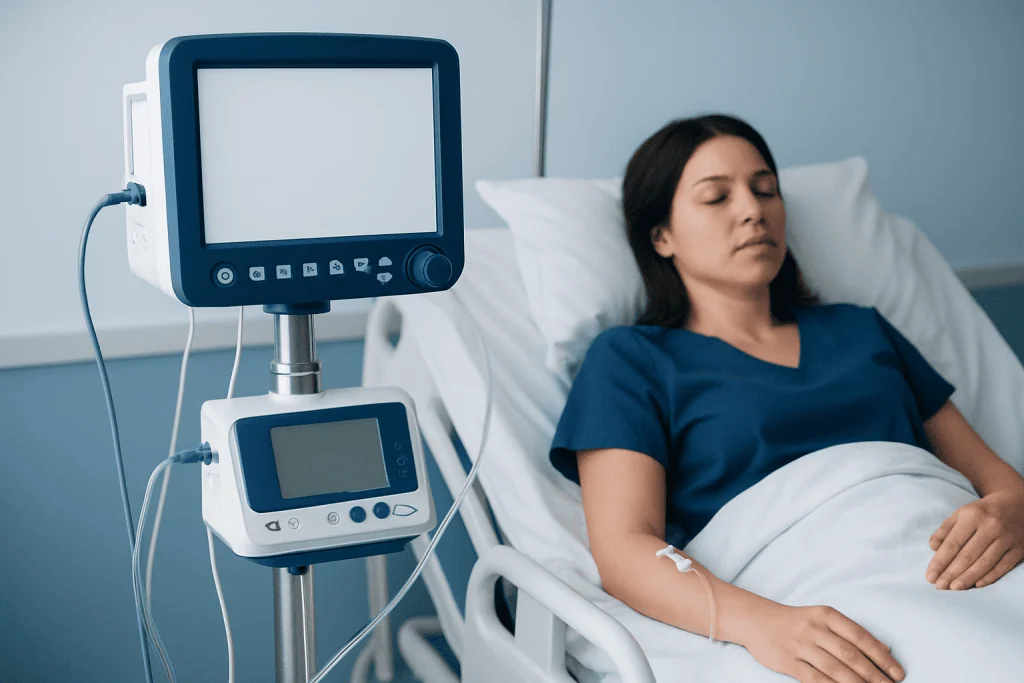
Post-discharge monitoring is recommended for every patient after hospital care, especially if you have had surgery, anesthesia, an invasive procedure, a new medication plan, or treatment for a serious medical condition. It is also important if you are traveling internationally, because flights, hotel stays, time-zone changes, and unfamiliar surroundings can make recovery feel more complicated.
You should pay close attention to warning signs during the first days after discharge, because this is when your body is adjusting from hospital care to outpatient recovery. The exact signs to watch for depend on your treatment. For example, after surgery you may need to monitor wounds and pain; after cardiac care you may need to watch breathing, chest discomfort, or swelling; after cancer treatment you may need to monitor fever, hydration, or unusual weakness.
Monitoring is also recommended before you travel home. Your doctor may want to see you for a control visit, review test results, remove or inspect dressings, assess mobility, or confirm that your condition is stable enough for travel. You should not assume that feeling well for a few hours is enough to fly; travel clearance should come from your treating physician.
Who is a good candidate?

Every patient is a candidate for discharge education and warning-sign guidance. This includes adults, children with a parent or guardian, older patients, people with chronic diseases, and patients recovering after planned or urgent treatment. The goal is to help you and your companion feel confident about what to do after leaving the hospital.
Extra attention may be helpful if you have diabetes, heart or lung disease, immune system problems, a history of blood clots, complex surgery, a long hospital stay, multiple medications, limited mobility, or language barriers. These factors do not mean you will have a complication; they simply make clear instructions and reliable communication more important.
If you are traveling alone, it is especially useful to discuss practical support before discharge. Your care coordinator can help you understand whom to call, how to attend follow-up appointments, how to reach the hospital if symptoms change, and whether you may benefit from having a companion during the early recovery period.
Treatment options
After discharge, the right response depends on the symptom, its severity, and your medical history. Many concerns can be handled through scheduled follow-up, a phone call with the care team, or advice about medication timing, wound care, diet, hydration, or activity. Other symptoms require an in-person examination, laboratory tests, imaging, or assessment by the relevant specialist.
Common follow-up options include a routine control appointment, same-day review at the hospital, emergency department assessment, dressing change, medication adjustment, physiotherapy guidance, or consultation with another specialty. For international patients, Acibadem International can help coordinate these steps and provide interpreter support so that you understand the plan clearly.
In a true emergency, you should seek immediate local emergency care rather than waiting for a scheduled appointment or remote reply. Your discharge instructions should include which symptoms require urgent action, which phone numbers to use, and whether you should return to the hospital, call emergency services, or contact your care coordinator first.
Online evaluation before travel
Before you travel to Turkey for treatment, an online evaluation helps the medical team understand your diagnosis, previous care, medications, allergies, test results, and travel plans. This is not a substitute for an in-person consultation, but it helps prepare a safer and more personalized treatment and aftercare plan.
You may be asked to share medical reports, imaging, laboratory results, photographs of the treatment area when relevant, and a list of current medications or supplements. If you have had previous complications, reactions to anesthesia, blood clots, infections, or hospital admissions, it is important to mention them early.
For discharge safety, online planning can also identify practical needs such as interpreter support, accessible accommodation, mobility assistance, a companion, special dietary needs, or extra follow-up time in Turkey. Your final suitability for treatment and travel is always confirmed by physicians after in-person evaluation.
Before the treatment
Before any treatment or hospital admission, your team will review your medical condition and explain the expected recovery path as clearly as possible. You should ask what symptoms are expected, how pain or discomfort will be managed, how to care for wounds or devices if applicable, and when you can walk, shower, eat normally, fly, or return to daily activities.
It is helpful to prepare a written list of your medications, allergies, previous surgeries, chronic conditions, and emergency contacts. If you take blood thinners, diabetes medication, heart medication, immune-suppressing medication, or herbal supplements, tell your physician because these may influence treatment planning and recovery instructions.
Before discharge, confirm that you understand your medication schedule, follow-up appointment date, activity restrictions, wound care steps, and warning signs. If English is not your preferred language, interpreter support can help you ask questions and repeat the plan back to the team for confidence.
What happens during the treatment
During your treatment or hospital stay, your medical team monitors your condition, manages pain or symptoms, and checks for early signs that may influence discharge timing. Depending on your care, this may include vital sign checks, wound assessment, blood tests, imaging, mobility assessment, medication adjustments, or specialist consultations.
Discharge is usually considered when your physician is satisfied that your condition is stable, your pain or symptoms are manageable, you can follow the recovery plan, and any necessary support is arranged. For some patients, this may happen quickly; for others, observation for a longer period is safer.
Your discharge education is part of the treatment process. You should receive instructions about normal recovery, warning signs, follow-up appointments, medications, diet, activity, hygiene, travel, and whom to contact. If anything is unclear, it is always appropriate to ask before leaving the hospital.
Hospital stay and discharge
Your hospital stay depends on the treatment you received, your overall health, and how your body responds. Some patients are discharged the same day after a minor procedure, while others require inpatient monitoring. The safest discharge timing is individualized and decided by your treating physician.
Before leaving, your team may check your vital signs, review test results, examine the treatment area, assess walking or breathing, and confirm that you can take medications as instructed. If you have drains, dressings, catheters, braces, or other medical devices, you should be shown how to manage them or when to return for care.
For international patients, discharge also includes practical coordination. Acibadem International can help with interpreter support, transfer arrangements, accommodation guidance, follow-up appointments, and communication with the care team. Your discharge plan should also consider when it is medically appropriate for you to fly or continue travel.
Recovery timeline
Recovery timelines differ widely depending on the treatment, diagnosis, anesthesia, age, general health, and whether you have any chronic conditions. The table below is a general guide for post-discharge awareness and does not replace the instructions given by your physician.
| Timeframe | What to expect |
|---|---|
| First 24 hours | You may feel tired, sleepy, sore, or less hungry. Follow medication instructions carefully, rest, drink fluids if allowed, and avoid making travel decisions without medical advice. |
| First week | Gradual improvement is expected for many patients. Monitor temperature, pain level, wound appearance if applicable, breathing, urination, bowel function, mobility, and medication side effects. |
| Weeks 2-4 | Energy and comfort often improve, but some swelling, stiffness, bruising, or reduced stamina may continue depending on treatment. Attend follow-up appointments and ask before increasing activity. |
| Months 1-3 | Deeper healing may continue. Some patients return to many daily activities, while others need rehabilitation, ongoing medication, or specialist monitoring. |
| Final result | The final recovery point varies by condition and treatment. Surgical scars, swelling, strength, function, or treatment response may take months to settle, and results vary from person to person. |
If your recovery suddenly moves in the wrong direction, such as pain increasing after it had improved, fever developing, or a wound changing noticeably, contact your care team. A prompt check can often clarify whether reassurance, medication adjustment, or in-person evaluation is needed.
What to avoid after treatment
After discharge, avoid activities that your physician has not approved. This may include heavy lifting, strenuous exercise, swimming, sauna use, driving, alcohol, smoking, long walks, sexual activity, or flying too soon. Restrictions vary by treatment, so follow your specific instructions rather than general advice from other patients.
Do not change, stop, or restart medication unless your physician tells you to. This is especially important for antibiotics, blood thinners, pain medication, heart medication, diabetes medication, steroids, and immune-related treatments. If you feel side effects or are unsure about timing, contact the care team for clarification.
Avoid ignoring symptoms because you are worried about changing travel plans. It is safer to report a concern early than to travel with an unresolved problem. Your international patient coordinator can help you communicate with the medical team and adjust logistics if your doctor recommends extra observation.
Risks and possible complications
Every medical treatment has potential risks, and the type of risk depends on the procedure, condition, anesthesia, medications, and your personal health profile. Possible post-discharge concerns may include infection, bleeding, dehydration, medication reactions, blood clots, breathing problems, wound healing issues, uncontrolled pain, or worsening of the original condition.
Most patients recover without serious problems, but it is important to recognize that complications can sometimes develop after leaving the hospital. This is why follow-up appointments, clear instructions, and honest communication about symptoms are part of safe care.
Your physician will discuss risks that are most relevant to your treatment. If you have a chronic disease, previous complications, allergies, or a history of clotting or bleeding problems, make sure these are known before treatment and again during discharge planning.
Warning signs: when to contact a doctor
Contact your doctor, care coordinator, or emergency services according to your discharge instructions if you notice symptoms that are severe, sudden, worsening, or unusual for you. If you feel that something is seriously wrong, do not wait for a routine appointment.
- Fever, chills, or feeling increasingly unwell, especially after initial improvement
- Increasing pain that is not controlled by prescribed medication or pain that suddenly changes
- Shortness of breath, chest pain, coughing blood, or rapid worsening of breathing
- Heavy bleeding, persistent bleeding, black stools, vomiting blood, or bleeding from a wound
- Redness, warmth, swelling, pus, bad odor, opening of a wound, or rapidly spreading skin changes
- Severe headache, confusion, fainting, seizure, new weakness, facial drooping, or trouble speaking
- Severe nausea, repeated vomiting, inability to drink fluids, or signs of dehydration
- Leg swelling, calf pain, sudden warmth, or one-sided swelling, especially after surgery or long travel
- Difficulty urinating, very low urine output, severe abdominal swelling, or persistent constipation with pain
- Allergic symptoms such as swelling of the face or throat, widespread rash, wheezing, or severe dizziness
This list is general and not complete. Your personal warning signs may differ depending on your treatment, so always follow your written discharge instructions and contact the medical team if you are uncertain.
Results and expectations
The main expectation after discharge is steady, gradual recovery in line with your physician’s plan. Some days may feel better than others, and temporary tiredness or discomfort can be normal. What matters most is the overall direction of improvement and the absence of concerning symptoms.
Results vary depending on the treatment. Some outcomes are visible quickly, while others require healing, rehabilitation, medication response, or repeated assessments. In some cases, additional treatment, adjustment, or revision may be needed; this does not mean that something was done incorrectly, but that medicine sometimes requires staged decisions.
Keep realistic expectations and stay in communication with your care team. Photographs, symptom notes, temperature records, medication questions, or follow-up test results may help your physician understand your progress, especially after you return home.
International patient travel planning
Travel planning should be coordinated with your medical plan, not separate from it. Before booking return flights, ask your physician how long you should stay in Turkey, when your first control visit will take place, and whether you have any restrictions for flying, walking long distances, carrying luggage, or sitting for extended periods.
If you are recovering after surgery or a significant medical treatment, your doctor may recommend extra days in Turkey for observation or follow-up. This can be especially helpful if dressings need to be checked, drains removed, medications adjusted, or early healing assessed before you fly.
Acibadem International can support practical details such as airport transfers, interpreter services, accommodation guidance, appointment scheduling, and communication with your care team. If your condition changes, your coordinator can help you understand the next step and adjust plans appropriately.
Cost and package information
The cost of treatment and aftercare depends on several factors, including your diagnosis, treatment type, hospital stay length, physician evaluations, anesthesia if used, operating room or procedure needs, imaging, laboratory tests, medications, pathology or biopsy analysis, rehabilitation, and any additional consultations required.
International patient packages may include elements such as medical consultation, planned procedure or treatment services, standard hospital accommodation, nursing care, routine medications during admission, interpreter support, airport transfer arrangements, and care coordination. The exact inclusions should always be confirmed in your written treatment plan.
Items that may not be included can vary, but may involve extra tests, unexpected additional treatment, extended hospital stay, intensive care, special implants or devices, post-discharge medications, companion expenses, hotel accommodation, flights, personal expenses, or care for unrelated conditions. Acibadem International provides individualized quotations after medical review, and final costs can change if your medical needs change after in-person evaluation.
Why choose Acibadem
Acibadem International serves patients from many countries through JCI-accredited hospitals, experienced specialist teams, and coordinated international patient services. For discharge safety, this means your care pathway can include structured instructions, follow-up planning, and communication support designed for patients who may be far from home.
Multidisciplinary care is important when warning signs overlap between specialties. For example, a symptom after surgery may require input from the surgical team, internal medicine, infectious diseases, cardiology, radiology, emergency medicine, or rehabilitation. The goal is to guide you to the right assessment at the right time.
International patient support can include interpreters, transfers, accommodation guidance, appointment coordination, and remote follow-up where medically appropriate. This support helps reduce uncertainty so you can focus on recovery while knowing how to reach the right people if symptoms change.
Medical review and disclaimer
This guide has been reviewed by the Acibadem International medical team and is intended to provide general information for international patients planning treatment, discharge, recovery, and follow-up in Turkey.
It does not replace a consultation, diagnosis, emergency assessment, or personalized medical advice from a qualified physician. Symptoms can have different meanings depending on your treatment, medical history, medications, and examination findings.
Your suitability for any treatment, discharge timing, travel clearance, and follow-up plan must be determined by your physician after appropriate evaluation. If you have urgent or severe symptoms, seek immediate medical care according to local emergency guidance and your discharge instructions.
Step by step
- Initial contact. You contact Acibadem International with your treatment request, current symptoms, diagnosis, and travel expectations. A coordinator explains the process and helps you understand what information is needed for medical review.
- Medical record / photo submission. You share medical reports, laboratory results, imaging, prescriptions, allergy information, and photos of the relevant area if requested. Clear records help the medical team assess your case before travel.
- Preliminary medical review. The relevant specialist team reviews your information and may request additional documents. This review helps identify possible treatment options, estimated hospital stay, recovery needs, and any safety considerations.
- Treatment plan and quotation. You receive a preliminary plan and individualized quotation based on the available information. Final recommendations and costs may change after in-person consultation and tests.
- Travel planning. Your coordinator helps with appointment scheduling, transfer planning, accommodation guidance, and interpreter arrangements. You are advised to plan enough time in Turkey for treatment and the first control visit.
- Arrival. After arrival in Turkey, transfer and reception support can be arranged. You are guided to your appointment and assisted with registration and communication needs.
- In-person consultation. Your physician examines you, reviews your records, confirms your diagnosis, discusses expectations, and explains benefits, risks, alternatives, and recovery instructions.
- Pre-operative tests. If your treatment requires a procedure or surgery, tests may be performed to assess fitness for anesthesia and treatment. These may include blood tests, imaging, heart evaluation, or other specialty assessments depending on your case.
- Treatment. Your treatment is performed according to the confirmed plan. The medical team monitors your condition and provides instructions about early recovery and symptom control.
- Hospital stay. During your hospital stay, nurses and physicians monitor vital signs, pain, mobility, wound or treatment area, medications, and overall stability. Discharge is planned only when your physician considers it appropriate.
- First control. A first follow-up visit may include examination, dressing review, medication adjustment, test review, or discussion of travel readiness. This is an important time to ask about warning signs and daily activity.
- Discharge / travel clearance. You receive written and verbal discharge instructions, including medication use, restrictions, warning signs, emergency contacts, and follow-up timing. Your physician advises when it is safe for you to travel.
- Remote follow-up. After you return home, remote communication may be used when appropriate to review recovery progress, answer questions, and advise whether local medical assessment is needed.
Your checklist
- Valid passport and travel documents
- Medical history summary, including chronic conditions
- Current medication list, including supplements and blood thinners
- Known allergies and previous medication or anesthesia reactions
- Previous surgeries, hospitalizations, or complications
- Current symptoms and how long they have been present
- Relevant laboratory results, imaging reports, pathology reports, and discharge summaries
- Photos of wounds, swelling, skin changes, or treatment area if relevant and requested
- Contact details for your home physician and emergency contact person
- Insurance information or payment documents if applicable
- Questions you want to ask about recovery, travel clearance, and warning signs
Key takeaways
- Mild tiredness, temporary discomfort, small bruises, and gradual improvement can be normal, but worsening symptoms should be reported.
- Contact your Acibadem care team promptly if you develop fever, increasing pain, breathing difficulty, heavy bleeding, wound changes, fainting, or new neurological symptoms.
- Your discharge plan should include medication instructions, wound care guidance, activity limits, follow-up appointments, and emergency contact details.
- International patients should stay in Turkey until their treating physician confirms that it is safe to travel.
- Recovery varies by treatment and personal health; remote follow-up can help you stay connected after returning home.
Frequently asked questions
How do I know if a symptom after discharge is normal or serious?
Normal recovery symptoms usually improve gradually and match the instructions your doctor gave you. Symptoms that are severe, sudden, worsening, or unusual for you should be reported. If you are unsure, it is safer to contact your care team for guidance.
Who should I contact first if I notice a warning sign in Turkey?
Follow the contact instructions provided at discharge. Depending on the symptom, you may contact your Acibadem care coordinator, your treating department, or emergency services. For severe symptoms such as chest pain, breathing difficulty, fainting, or heavy bleeding, seek urgent medical care immediately.
How long should I stay in Turkey after treatment?
The recommended stay depends on your treatment, general health, and first follow-up needs. Some patients need only a short observation period, while others should remain longer for wound checks, test results, rehabilitation, or travel clearance. Your treating physician will advise the safest timing.
Can I fly home if I feel well after discharge?
Feeling well is encouraging, but it does not always mean you are ready to fly. Air travel can involve long sitting, walking through airports, carrying luggage, and limited access to your treating team. Always ask your physician for travel clearance before booking or changing flights.
What should I do if I develop fever after returning home?
A fever after treatment should be taken seriously, especially if it is accompanied by chills, increasing pain, wound changes, cough, urinary symptoms, or weakness. Contact your local doctor or emergency service as appropriate, and inform Acibadem International so your treating team can be updated. Do not delay urgent care while waiting for remote advice.
Are pain and swelling always warning signs?
Some pain, bruising, or swelling can be expected after many treatments, especially surgery. The concern is when pain or swelling increases, becomes one-sided, is associated with redness or fever, or does not improve as expected. Your discharge instructions should explain what is typical for your case.
What factors influence the cost if I need extra care after discharge?
Cost depends on the type of evaluation needed, such as consultation, tests, imaging, medication, dressing care, hospital observation, or additional treatment. It also depends on whether the issue is related to the original treatment or a separate medical condition. Acibadem International can clarify inclusions and possible additional items based on your specific situation.
Is remote follow-up enough after I return home?
Remote follow-up can be useful for general questions, progress updates, and reviewing certain symptoms or photos when appropriate. However, it cannot replace a physical examination, urgent care, laboratory tests, or imaging when these are needed. If your symptoms are concerning, you may be advised to see a local doctor immediately.
What documents should I keep with me after discharge?
Keep your discharge summary, medication list, test results, imaging reports if provided, follow-up plan, and emergency contact details. It is also helpful to keep your passport, insurance information, and your coordinator’s contact details easily accessible. If you seek care elsewhere, these documents help the new team understand your treatment.
Can complications happen even if the treatment went well?
Yes, complications can sometimes develop after an otherwise smooth treatment because healing continues after discharge. This is why monitoring, follow-up visits, and clear warning-sign instructions are important. Prompt communication helps your care team decide whether reassurance, adjustment, or examination is needed.
Add us as a Preferred Source to see more of our trusted health content across Google Search, AI Overviews and Discover.
More Patient Guides
Day Surgery in Turkey: Can You Leave Hospital the Same Day?
Day surgery in Turkey often lets you go home the same day if your procedure and recovery are suitable and your doctor…
11 min read
General Anesthesia in Turkey: How to Prepare and What Happens Before You Sleep
General anesthesia in Turkey helps you sleep safely through surgery. Learn preparation, recovery, risks, and travel planning in Istanbul.
11 min read
Choosing Between Outpatient and Inpatient Treatment in Turkey: What Affects the Decision
Choosing Between Outpatient and Inpatient Treatment in Turkey depends on your procedure, health, recovery needs and travel plans.
11 min read