

Power Plugs and Device Charging for Patients in Turkey

Learn how to charge phones, laptops and medical devices safely during your hospital stay and travel in Turkey.
This guide explains how you can prepare your phones, laptops and essential devices for safe charging during your trip to Turkey. It covers plug types, voltage, adapters, hospital-room charging, medical device considerations and practical support from Acibadem International.
At a glance
- Procedure type: Travel preparation and hospital-stay support
- Purpose: To keep communication, documents and approved personal or medical devices powered safely during your stay
- Anesthesia: Not applicable
- Hospital stay: Depends on your planned medical care; charging access is available in patient areas
- Estimated recovery: Not applicable; planning is best completed before travel
- Return to daily life: You can use compatible devices throughout travel and hospitalization, according to hospital guidance
- Final result timeline: Best prepared before departure; checked again on arrival if needed
- Suitable department: International Patient Services, hospital nursing team and biomedical/technical support when relevant
- International patient support: Acibadem International can help with practical arrival guidance, interpreters, transfers, accommodation guidance and remote follow-up coordination
What is this treatment?
Power plug and device charging preparation is a practical part of planning your medical trip to Turkey. It helps you keep your phone, laptop, tablet, translator app, medical documents and approved personal medical devices ready during travel, hospitalization and follow-up appointments.
Turkey commonly uses Type C and Type F electrical sockets, with a standard voltage of 220–240 V and 50 Hz. Many modern mobile phone, laptop and tablet chargers are designed for international voltage ranges, but the plug shape may be different from your home country, so a travel adapter is often needed.
For patients, reliable charging is more than convenience. Your phone may be used for appointment messages, hospital communications, digital documents, banking confirmations, family updates and remote follow-up after you return home. If you use a personal medical device, such as a CPAP machine or mobility equipment charger, preparation becomes even more important.
When is it recommended?
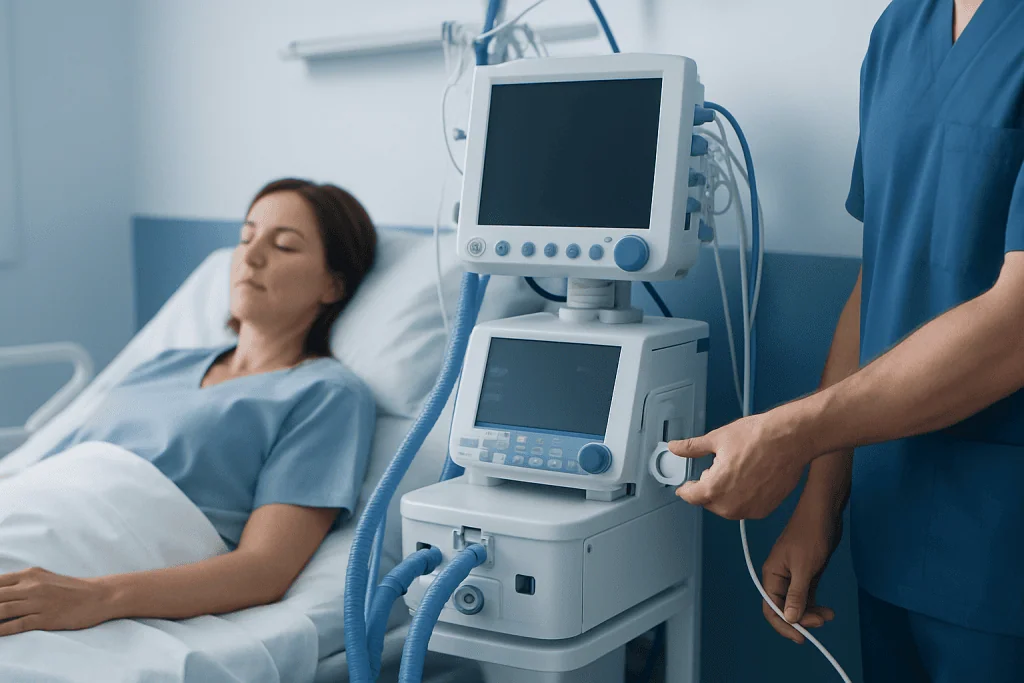
Charging preparation is recommended for every international patient and companion traveling to Turkey, especially if you will stay in hospital, attend multiple appointments or remain in the country for recovery. It is best handled before you leave home, when you still have time to check charger labels, purchase adapters and ask questions about any special device needs.
It is particularly important if you rely on electronic health tools, including sleep apnea devices, glucose-related devices, hearing aids, mobility aids, medication reminder systems or communication tools. Some devices are simple to charge from a standard outlet, while others may require specific power supplies or manufacturer-approved accessories.
You should also plan carefully if you are traveling from a country with a different voltage system or plug type. If your charger supports only a lower voltage range, using it directly in Turkey may damage the charger or device and may create a safety concern. When in doubt, check with the device manufacturer or speak with your Acibadem International contact before travel.
Who is a good candidate?

This guide is suitable for any patient or companion who will bring electronic devices to Turkey. You are especially likely to benefit if you use your phone for translation, navigation, online banking, messaging with your care coordinator, storing test results or keeping copies of your travel documents.
You should pay extra attention if you have a device that supports your health, comfort or independence. Examples may include a CPAP device, rechargeable hearing aids, electric wheelchair or scooter chargers, portable nebulizers, personal monitoring devices or specialized communication devices. These should be discussed with your medical team when they are relevant to your care or hospital stay.
If you are unsure whether a device is safe or appropriate to use in the hospital environment, do not assume. Bring the device information, charger details and any manufacturer instructions, and ask your clinical team or International Patient Services for guidance. Hospital staff can advise you on where personal devices may be used and when clinical equipment must take priority.
Treatment options
For most patients, the simplest option is a Type C or Type F plug adapter used with your existing charger, provided the charger label confirms input compatibility with 220–240 V and 50 Hz. A plug adapter changes the shape of the plug; it does not change the electrical voltage. This is usually enough for modern smartphones, tablets and many laptops, but you should always check the label.
If your device charger is not compatible with Turkey’s voltage, you may need a voltage converter or a compatible replacement charger from the device manufacturer. This is especially important for older electronics, some grooming devices, certain household appliances and any medical or assistive device. For medical equipment, manufacturer-approved accessories are usually the safest choice.
Useful supporting options include a small power bank for travel days, a multi-port USB charger that is compatible with 220–240 V, longer charging cables and a labeled pouch for adapters. In the hospital, you should avoid bulky multi-plug extensions unless approved, and you should never use visibly damaged cables, loose adapters or overloaded sockets.
Online evaluation before travel
Before you travel, your Acibadem International contact may ask about practical needs that could affect your stay, including whether you use medical devices or mobility equipment. This is the right time to mention any device that must be powered, charged or used overnight.
You can prepare by sending basic information such as the device name, model, power requirements shown on the charger label and how often you need to use it. Photos of the plug, charger label and device can be helpful when there is uncertainty. This does not replace manufacturer guidance, but it helps the team understand what practical support may be needed.
If you use a device that is part of your ongoing medical care, your physician may want to know how and when you use it. In some situations, the hospital team may advise you to bring the device for review, use hospital-approved equipment instead or follow specific instructions during your treatment period.
Before the treatment
Before your trip, make a simple charging plan. Check each charger label for input information, usually written as “Input” followed by a voltage range. If the range includes 220–240 V, the charger is generally compatible with Turkey’s voltage, though you may still need a Type C or Type F adapter for the plug shape.
Pack at least one adapter in your hand luggage and one in your main luggage if possible. Keep your essential charging cable, phone charger, power bank and important device accessories with you during the flight and airport transfers. This helps if baggage is delayed or if you need to communicate during arrival.
If you have surgery or a procedure planned, consider that you may not be able to move freely immediately afterward. Use longer cables where appropriate, charge devices fully before admission and ask the nursing team where personal devices may be safely placed. Avoid placing devices or cables where they may interfere with clinical equipment, walking paths or bedside care.
What happens during the treatment
During your hospital stay, you can usually charge everyday personal devices such as phones and tablets in your room or designated patient areas. Your nursing team can guide you if you are unsure where to plug in a device. Patient safety and access to clinical equipment always come first.
If you are undergoing a procedure, personal devices may need to be put away temporarily, especially in operating, imaging or treatment areas. Staff will explain what you can keep with you and what should remain with your companion or in your room. This is a routine part of maintaining a safe clinical environment.
For personal medical devices, do not connect or use them in a hospital setting without informing your care team. Some devices may be appropriate to use, while others may need review by the clinical or technical team. If your treatment plan includes monitoring, anesthesia or overnight observation, the hospital team will prioritize approved medical equipment and safe device management.
Hospital stay and discharge
During hospitalization, keeping your phone charged can help you stay connected with your family, interpreter, care coordinator and travel arrangements. Many international patients also use their devices to access translated instructions, flight details, insurance communication and digital copies of medical records.
At discharge, you may receive written instructions, appointment times and follow-up information. Make sure your phone is charged before leaving the hospital, especially if you will travel to a hotel or airport. If you use digital documents, save important files offline as well as online, in case of temporary connectivity issues.
If you are traveling with a companion, agree on a simple routine: who carries the adapters, who keeps the power bank charged and where important cables are stored. Small preparations reduce stress on discharge day and help you focus on recovery and safe travel.
Recovery timeline
Power and charging preparation does not have a medical recovery period, but there is a practical timeline that can make your trip smoother. The goal is to avoid last-minute uncertainty and to keep essential devices available when you need them most.
| Timeframe | What to expect |
|---|---|
| First 24 hours | After arrival or admission, confirm where you can safely charge your phone and essential devices. Keep cables tidy and ask staff before using any medical or assistive device. |
| First week | You may rely heavily on your phone for appointments, translations, family updates and transport. Keep a power bank charged and avoid using damaged or loose adapters. |
| Weeks 2-4 | If you remain in Turkey for recovery, review your charging setup in your hotel or accommodation. Continue to follow medical advice about any device related to your care. |
| Months 1-3 | For remote follow-up, ensure you can access your digital records, video calls and secure communication channels. Replace worn charging accessories if needed. |
| Final result | A reliable charging plan supports smoother communication from your first appointment through return home and follow-up, but it should always fit your medical team’s instructions. |
If your treatment involves limited mobility, fatigue or post-procedure restrictions, ask your companion or nurse for help arranging devices within safe reach. Do not stretch, bend or move against medical advice simply to reach a charger.
What to avoid after treatment
After a procedure, avoid placing charging cables where you may trip, pull on an IV line or disturb monitoring equipment. Bedside areas can be busy, and a cable that seems harmless may become inconvenient during nursing care, physiotherapy or transfers.
Avoid using damaged chargers, cracked adapters, exposed wires or equipment that becomes unusually hot. Do not overload sockets with multiple high-power devices, and avoid unapproved extension cords in clinical areas. If you need an additional outlet, ask hospital staff rather than improvising.
Do not rely on your phone alone for essential information. Keep printed or offline copies of key documents such as your passport page, appointment schedule, accommodation details, emergency contacts and discharge instructions. This is helpful if your battery runs low or your device is temporarily unavailable.
Risks and possible complications
The main risks are practical and safety-related rather than medical. An incompatible charger may fail, overheat or damage your device. A missing adapter may leave you unable to charge your phone at an important moment, such as during airport arrival, hospital admission or discharge coordination.
For personal medical devices, the concern is that power interruption, wrong accessories or unapproved use in a hospital environment could affect your routine care or interfere with safe hospital processes. This is why you should inform your care team about any device you depend on and follow their instructions.
There are also privacy and communication considerations. If your device loses power, you may not be able to access digital records, messages or travel documents. Protect yourself by keeping important information backed up, using secure passwords and carrying essential documents separately from your electronics.
Warning signs: when to contact a doctor
Most charging issues can be solved with simple practical help, but some situations require prompt attention from your medical or hospital team. This is especially true when a device is linked to your health, comfort, breathing support, mobility or prescribed monitoring.
- A medical device stops working, loses power unexpectedly or shows repeated alarms.
- A charger, adapter or device becomes unusually hot, smells burnt, sparks or shows visible damage.
- You cannot use an essential device such as a CPAP machine, hearing aid charger or mobility equipment charger as planned.
- A cable or device interferes with IV lines, monitors, wound care, mobility assistance or bedside nursing care.
- You feel unwell because a health-related device was not available or did not function as expected.
- You are unsure whether a personal device is safe to use in your room, treatment area or imaging area.
If any of these situations occurs, unplug the device if it is safe to do so and notify the nursing team, physician or International Patient Services. Do not attempt repairs to medical equipment during your hospital stay.
Results and expectations
A good charging plan gives you confidence that your communication, travel documents and essential devices will be available when needed. It can make your arrival, hospital stay, discharge and return home feel more organized and less stressful.
However, results depend on preparation. Different countries use different plug types and voltage systems, and different devices have different requirements. Checking labels and asking questions before travel is the safest approach.
For health-related devices, the expectation should be clear: personal devices may support your usual routine, but they do not replace hospital assessment, prescribed treatment or physician supervision. Your care team will advise what is appropriate during your specific medical journey.
International patient travel planning
When planning your trip to Turkey, include charging needs in the same checklist as passports, medical records, medications and appointment details. Pack adapters and key cables in your carry-on bag, and make sure your phone is fully charged before each major travel stage.
Acibadem International supports patients with practical coordination such as arrival information, interpreters, transfers and accommodation guidance. If your device needs are unusual, mention them early so the team can help direct your question to the appropriate person or advise what to bring.
For long flights or transfers, a fully charged power bank can be helpful, but airline rules may limit where and how power banks can be carried. Check your airline’s current policy before travel. Keep cables organized and avoid packing essential device accessories only in checked baggage.
Cost and package information
Power plug and charging needs are usually a small but important part of travel preparation. The cost can vary depending on whether you need one simple plug adapter, multiple adapters for family members, a compatible replacement charger, a multi-port charger, a power bank or manufacturer-approved accessories for a medical device.
Items typically included in your own preparation may include travel adapters, charging cables, power banks and device-specific chargers. Hospital accommodation usually provides access to suitable electrical outlets in patient areas, but personal accessories are generally your responsibility unless specifically arranged otherwise.
Items not typically included may include replacement electronics, special medical device accessories, airline-approved battery solutions, personal extension cords or manufacturer-specific power supplies. If your device is medically important, ask your care coordinator what information to send before travel so your needs can be reviewed appropriately.
Why choose Acibadem
Acibadem International welcomes patients from many countries and understands that a safe medical journey includes practical details as well as clinical care. JCI-accredited hospitals, multidisciplinary teams and dedicated international patient services help create an organized environment for your treatment and stay.
International Patient Services can support you with interpreters, airport transfer coordination, accommodation guidance and communication before and after your visit. For device-related concerns, they can help you ask the right questions and connect you with the relevant hospital team when appropriate.
The aim is not only to provide medical treatment, but also to help you feel informed and prepared. From your first contact to remote follow-up, you can ask practical questions about your stay, including how to manage essential devices safely while following your physician’s advice.
Medical review and disclaimer
This guide has been reviewed by the Acibadem International medical team. It is intended to provide general information for international patients preparing to travel to Turkey and does not replace an individual consultation with a physician or qualified healthcare professional.
Electrical compatibility and device use can vary by device, manufacturer, hospital area and your medical situation. If you use a personal medical device or assistive equipment, suitability for use during hospitalization requires physician and hospital team evaluation.
Always follow your treating physician’s instructions, the device manufacturer’s guidance and hospital safety rules. If you are unsure about a device, charger or adapter, ask before using it.
Step by step
- Initial contact. When you contact Acibadem International, mention any essential electronic or medical devices you plan to bring, especially if they support breathing, mobility, hearing, monitoring or communication.
- Medical record / photo submission. Along with medical records, you may share photos of the device, plug and charger label if you have concerns about compatibility or hospital use.
- Preliminary medical review. The medical team reviews your treatment needs, and relevant device information can be considered when planning your hospital stay or procedure.
- Treatment plan and quotation. Your treatment plan focuses on your medical care. Device accessories such as travel adapters, chargers and power banks are usually personal travel items unless specifically discussed.
- Travel planning. Before departure, check charger voltage labels, pack Type C or Type F adapters, keep essential cables in your carry-on and confirm airline rules for batteries or power banks.
- Arrival. After arrival in Turkey, keep your phone charged for transfer communication, hotel check-in, hospital directions and messages from your international patient coordinator.
- In-person consultation. At your consultation, tell your physician or nurse about any personal medical device you use regularly and ask whether it can be used during your hospital stay.
- Pre-operative tests. During tests or imaging, you may be asked to remove or switch off personal electronics. Follow staff instructions to keep the clinical area safe.
- Treatment. Personal devices may need to be stored away during surgery, procedures or treatment sessions. Hospital-approved equipment will be used when clinical monitoring or support is required.
- Hospital stay. Charge phones and approved devices only in safe areas, keep cables tidy and ask staff before plugging in medical or assistive equipment.
- First control. Use a charged phone to keep appointment details, interpreter coordination and follow-up notes accessible. Save important instructions offline when possible.
- Discharge / travel clearance. Before leaving the hospital, make sure your phone and essential devices are charged and that you have digital and written copies of discharge instructions.
- Remote follow-up. After returning home, keep your device ready for video calls, sharing photos if requested and receiving follow-up guidance from the care team.
Your checklist
- Passport and travel documents
- Medical history and current diagnosis or symptoms
- Medication list, including supplements and regular devices used for health support
- Allergies and previous surgeries or procedures
- Relevant test results, imaging and discharge summaries
- Photos of any medical device, charger label and plug if compatibility is uncertain
- Phone, laptop or tablet chargers with voltage labels checked
- Type C or Type F plug adapters suitable for Turkey
- Power bank and charging cables packed in carry-on luggage according to airline rules
- Manufacturer instructions for CPAP, mobility, hearing, monitoring or other medical devices
- Emergency contacts and offline copies of key documents
- Accommodation and transfer details saved both digitally and in print
Key takeaways
- Turkey uses Type C and Type F plugs, and the standard voltage is 220–240 V, so many modern phone and laptop chargers work with only a plug adapter.
- Check every charger label before travel; if it does not support 220–240 V input, you may need a voltage converter or a different charger.
- Bring enough adapters for your phone, laptop, companion’s devices and any approved personal medical equipment you plan to use.
- For medical devices such as CPAP machines, mobility equipment chargers or monitors, inform your care coordinator in advance so compatibility and hospital guidance can be reviewed.
- Avoid overloading outlets, using damaged chargers or relying only on one power source; keep essential devices charged before appointments and transfers.
- If a medical device fails, overheats, alarms unexpectedly or affects your treatment routine, contact your clinical team promptly.
Frequently asked questions
What plug type is used in Turkey?
Turkey commonly uses Type C and Type F plugs. If your home country uses a different plug shape, you will usually need a travel adapter. A plug adapter changes the shape only; it does not convert voltage.
Will my phone charger work in Turkey?
Many modern phone chargers support international voltage ranges, including 220–240 V. Check the small print on your charger label before travel. If it includes Turkey’s voltage range, you will usually only need the correct plug adapter.
Do I need a voltage converter?
You may need a voltage converter if your charger does not support 220–240 V input. This is more common with some older devices or certain appliances. For medical devices, ask the manufacturer and inform your medical team before travel.
Can I charge my phone in the hospital room?
In most patient areas, you can charge everyday personal devices such as phones or tablets. You should keep cables tidy and avoid interfering with clinical equipment or walking paths. If you are unsure, ask your nurse where charging is safest.
Can I bring my CPAP machine or other medical device?
You may bring personal medical devices, but you should inform Acibadem International and your physician before travel. Bring the device details, charger label and manufacturer instructions. The hospital team will advise whether and how it can be used during your stay.
Should I pack adapters in checked luggage or carry-on?
Keep at least one adapter, your phone charger and essential cables in your carry-on bag. This helps if checked baggage is delayed or if you need your phone during arrival and transfers. A backup adapter in checked luggage can also be useful.
Are power banks allowed when flying to Turkey?
Power bank rules depend on airline and aviation regulations, and they can change. Many airlines require power banks to be carried in hand luggage rather than checked baggage. Check your airline’s current instructions before departure.
What charging items should a companion bring?
A companion should bring their own adapter, phone charger and any cables they need for communication and travel arrangements. It is helpful if one person also carries a charged power bank. Keeping accessories organized reduces stress during appointments and discharge.
What affects the cost of charging preparation?
Cost depends on how many devices you bring and whether you need simple adapters, multi-port chargers, replacement chargers, power banks or medical-device accessories. Special manufacturer-approved accessories may cost more than standard travel adapters. No specific price can be estimated without knowing your devices.
What should I do if my charger overheats or sparks?
Stop using it immediately if it is safe to unplug, and inform hospital staff if you are in the hospital. Do not use damaged cables, cracked adapters or devices that smell burnt. If the device is medically important, contact your care team promptly for guidance.
Will charging preparation affect my treatment results?
Charging preparation does not change your medical outcome directly, but it supports communication, document access and comfort during your care journey. For medical devices, safe and appropriate use should be guided by your physician and hospital team. Your suitability for any treatment always requires individual medical evaluation.
Add us as a Preferred Source to see more of our trusted health content across Google Search, AI Overviews and Discover.
More Patient Guides
Day Surgery in Turkey: Can You Leave Hospital the Same Day?
Day surgery in Turkey often lets you go home the same day if your procedure and recovery are suitable and your doctor…
11 min read
General Anesthesia in Turkey: How to Prepare and What Happens Before You Sleep
General anesthesia in Turkey helps you sleep safely through surgery. Learn preparation, recovery, risks, and travel planning in Istanbul.
11 min read
Choosing Between Outpatient and Inpatient Treatment in Turkey: What Affects the Decision
Choosing Between Outpatient and Inpatient Treatment in Turkey depends on your procedure, health, recovery needs and travel plans.
11 min read