

Weather and Seasonal Packing for Treatment Travel to Turkey

Plan what to pack for treatment travel to Turkey by season, climate, hospital needs, recovery comfort and international patient support.
This guide helps you prepare clothing, documents, comfort items and travel essentials for treatment travel to Turkey in every season. You will learn what to expect from the weather, what to bring for hospital and hotel stays, and how Acibadem International supports you before, during and after your visit.
At a glance
- Procedure type: Travel preparation and seasonal packing guidance for medical treatment in Turkey
- Purpose: To help you arrive prepared, comfortable and ready for your consultation, treatment and recovery
- Anesthesia: Not applicable; anesthesia depends on your planned medical procedure
- Hospital stay: Depends on your treatment plan; packing should cover both hospital and hotel recovery needs
- Estimated recovery: Varies by treatment; pack for rest, mobility, wound care instructions and follow-up visits
- Return to daily life: Your physician will advise when you can resume routine activities and travel
- Final result timeline: Depends on the treatment; swelling, fatigue or restrictions may affect what you need to pack
- Suitable department: International Patient Services, relevant medical specialty and travel coordination teams
- International patient support: Interpreter support, airport transfers, accommodation guidance, appointment coordination and remote follow-up
What is this treatment?
Weather and seasonal packing for treatment travel to Turkey is a practical part of your medical journey. It is not a medical procedure, but it can make your hospital stay, recovery period and return travel more comfortable and organized. Preparing well helps you focus on your consultation and care rather than last-minute needs.
Turkey’s climate varies by region and season. Istanbul can be cool and rainy in winter, warm and humid in summer, and changeable in spring and autumn. Coastal cities may feel milder, while inland areas can be colder in winter and hotter in summer. Your packing should reflect both the local weather and the requirements of your planned treatment.
At Acibadem International, many patients travel from abroad for consultations, surgery, diagnostics, cancer care, fertility care, orthopedics, cosmetic procedures and other treatments. The right packing choices can support privacy, mobility, wound protection, comfort after anesthesia and easier communication with your care team.
When is it recommended?
Seasonal packing preparation is recommended as soon as your treatment plan and approximate travel dates are being discussed. Ideally, you should start organizing documents and essential items before booking flights, especially if you need medical reports, imaging, prescriptions or mobility assistance during travel.
It is especially helpful if your treatment involves surgery, anesthesia, a hospital stay, physical restrictions, wound care, swelling, drainage, compression garments or follow-up visits. It is also important for patients traveling with children, elderly companions, chronic conditions, allergies, mobility limitations or special dietary needs.
You should review your packing list again after your preliminary medical evaluation and once your care coordinator confirms your expected hospital stay, pre-operative tests, recovery hotel stay and first control appointment. Your list may change depending on whether your treatment is outpatient, inpatient or part of a longer care pathway.
Who is a good candidate?
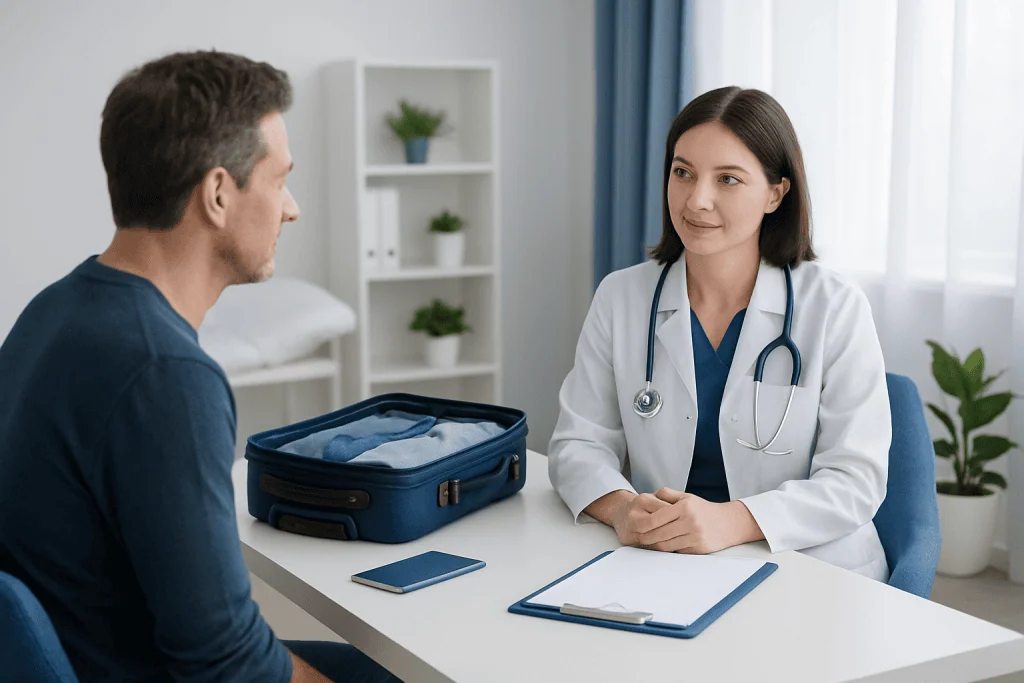
This guide is useful for any international patient planning treatment in Turkey, whether you are coming for a short outpatient visit or a longer surgical journey. It is also helpful for companions who will assist with transportation, translation support, medication schedules, meals and emotional reassurance during recovery.
You may benefit most from careful packing if you have limited mobility, are recovering from surgery, need to avoid lifting heavy luggage, or will be wearing dressings, splints, drains, compression garments or braces. Clothing that opens at the front, slip-on shoes and layered outfits can make hospital and hotel routines easier.
If you have a chronic illness, implanted medical device, medication schedule, allergies or previous complications during travel, packing should be discussed with your physician before departure. Your suitability for travel and the timing of treatment must always be confirmed through medical evaluation.
Treatment options
For this topic, “options” means different packing approaches depending on your season, city, procedure and recovery needs. A winter packing plan may include a warm coat, waterproof shoes, scarf, layers and rain protection, while a summer plan may focus on breathable fabrics, sun protection, hydration-friendly items and light layers for air-conditioned hospital areas.
For surgical treatments, consider loose clothing that does not press on the treatment area. After facial procedures, button-up shirts and wide-neck tops may be easier. After abdominal, breast or orthopedic procedures, soft waistbands, supportive footwear and easy-to-wear garments may be more practical. Your team may also advise specific garments or supports according to your procedure.
For diagnostic visits or non-surgical care, your packing may be lighter but should still include documents, medications, comfortable clothes for long appointments and chargers for communication. If you are receiving ongoing treatment, such as oncology care, your physician may advise additional precautions related to infection prevention, fatigue, skin sensitivity or temperature comfort.
Companions should pack separately for flexibility. A companion’s bag may include copies of contact information, snacks suitable for waiting periods, comfortable clothing, a small notebook, phone charger, and any items needed to help you rest after discharge.
Online evaluation before travel
Before you travel, Acibadem International may request medical information for preliminary review. This can include reports, images, laboratory results, medication lists and photographs where relevant. This online evaluation helps the medical team understand your needs and helps the international patient team guide you on expected duration of stay and practical preparation.
During this stage, you can ask whether you should bring any specific garments, compression items, braces, mobility aids, previous imaging on a disc or USB, or original pathology reports. You should also mention if you have allergies to medications, adhesives, latex, antiseptics or foods, as this may influence what you bring and what the hospital team prepares.
Online evaluation does not replace an in-person consultation. Your final treatment plan, medical suitability and travel clearance depend on physician examination and any required tests after arrival. However, sharing complete information early can reduce uncertainty and make your packing more accurate.
Before the treatment
Before treatment, organize your documents in a carry-on bag rather than checked luggage. Keep your passport, visa documents if required, appointment details, hospital contact information, medical reports, imaging, prescriptions, insurance papers if applicable and emergency contacts easily accessible. It is helpful to keep both printed and digital copies.
Pack your regular medications in their original packaging with prescription information. Bring enough for your planned stay plus a reasonable extra supply in case of travel changes. Do not stop, start or change any medication without physician advice, especially blood thinners, diabetes medications, heart medications, hormonal treatments or supplements.
Choose clothes that are easy to put on and remove. For many treatments, front-opening tops, loose trousers, soft underwear and non-slip shoes are more comfortable. Avoid packing only tight jeans, complicated fastenings or heavy clothing that may be difficult to manage after a procedure.
What happens during the treatment
On treatment or appointment days, you will usually arrive at the hospital with your documents and any items requested by your care team. Depending on your plan, you may have blood tests, imaging, anesthesia evaluation, specialist consultation or admission procedures before treatment begins. Your interpreter or international patient team can help coordinate communication when needed.
Your personal belongings may need to be limited during hospital admission. Bring essential items such as phone, charger, glasses, hearing aids, medical device cards and a small toiletry kit, but avoid bringing valuables. If you have a companion, they can keep extra clothing and non-essential items at the hotel.
Hospital rooms are temperature-controlled, so layered clothing is useful even in warm months. A light cardigan, socks and comfortable robe or loose clothing may help you feel more at ease. Follow the hospital team’s instructions about fasting, jewelry, nail polish, contact lenses, dentures and personal items before procedures involving anesthesia.
Hospital stay and discharge
Your hospital stay depends on your medical procedure, overall health and recovery progress. Some patients return to their hotel on the same day, while others may stay one or more nights for observation and care. Your doctor will decide when discharge is safe and what restrictions you should follow.
For discharge, wear loose, weather-appropriate clothing that does not rub against incision sites, dressings, splints or sensitive areas. If you are traveling in winter, avoid heavy layers that require difficult movements; choose warm but easy-to-wear items. In summer, choose breathable fabrics while still protecting treated areas from sun exposure when advised.
Before leaving the hospital, make sure you understand your medication instructions, wound care guidance, bathing restrictions, activity limits, diet recommendations, follow-up appointment time and warning signs. Ask your interpreter or coordinator to help clarify any instructions you are unsure about.
Recovery timeline
Your recovery timeline depends on your treatment, anesthesia, age, general health and the complexity of care. Packing should support the most sensitive early period, when you may feel tired, swollen, less mobile or more dependent on your companion. Your physician’s instructions always take priority over general travel advice.
| Timeframe | What to expect |
|---|---|
| First 24 hours | You may need rest, easy clothing, assistance with movement and quick access to medications, water, phone charger and discharge instructions. |
| First week | You may attend control visits and need loose outfits, comfortable shoes, weather protection and items that help you rest at the hotel. |
| Weeks 2-4 | Many patients gradually feel more independent, but activity, lifting, sun exposure and travel timing should follow physician advice. |
| Months 1-3 | Swelling, fatigue or treatment-specific restrictions may continue for some procedures; remote follow-up and symptom updates may be important. |
| Final result | Final outcomes vary by treatment and individual healing; your doctor will explain when results can be assessed and whether further care is needed. |
For your hotel recovery period, pack items that help you avoid unnecessary effort: slip-on shoes, a refillable water bottle if appropriate, entertainment, a small pillow for positioning, and clothing that can be layered. If your doctor recommends walking, compression garments or special precautions, prepare accordingly.
What to avoid after treatment
After treatment, avoid packing plans that require you to carry heavy luggage, walk long distances without help or manage multiple bags alone. If you are traveling with a companion, agree in advance who will handle documents, airport procedures and bags. If you are alone, ask your coordinator about transfer support and practical assistance.
Avoid tight clothing, high heels, heavy coats that restrict movement, and accessories that may press on treated areas. If you have facial swelling or dressings, avoid hats, scarves or sunglasses that touch sensitive sites unless your doctor says they are safe. If you have abdominal or orthopedic treatment, avoid belts, stiff waistbands and shoes that are hard to remove.
Do not use over-the-counter medications, herbal products, supplements, skin products or wound care items unless approved by your physician. Even familiar products may not be suitable after certain procedures. Always follow your discharge instructions and ask before applying anything to treated skin or incision areas.
Risks and possible complications
Packing itself is not risky, but inadequate preparation can create avoidable discomfort. Missing documents, unavailable medications, unsuitable clothing or unmanaged weather exposure may make the journey more stressful. Planning ahead reduces the chance of delays and helps your care team make informed decisions.
Medical travel may involve treatment-related risks such as bleeding, infection, swelling, pain, delayed healing, anesthesia-related effects or the need for additional treatment, depending on the procedure. Travel-related issues can include fatigue, dehydration, mobility challenges or discomfort during flights. Your physician will explain risks relevant to your condition and treatment.
Weather can also affect comfort. Cold and rain may increase the need for warm layers and non-slip shoes, while heat may increase fatigue and sun sensitivity. Patients after some procedures may need to avoid direct sun exposure, overheating, crowded places or strenuous sightseeing until cleared by their doctor.
Warning signs: when to contact a doctor
After treatment, it is important to know which symptoms require medical advice. Your discharge instructions may include procedure-specific warning signs, and these should always guide your actions. If you are unsure whether a symptom is normal, contact your care team rather than waiting.
- Fever, chills or feeling suddenly unwell
- Increasing pain that is not improving as expected
- Bleeding, unusual drainage, bad odor or opening of a wound
- Increasing redness, warmth, swelling or tenderness around a treated area
- Shortness of breath, chest pain, fainting or severe dizziness
- Sudden leg swelling, calf pain or difficulty walking
- Persistent vomiting, inability to drink fluids or signs of dehydration
- New confusion, severe headache, weakness or vision changes
- Allergic symptoms such as widespread rash, facial swelling or breathing difficulty
If symptoms are severe or rapidly worsening, seek urgent medical help. Acibadem International’s patient support and medical teams can guide you on the appropriate next step while you are in Turkey, and remote follow-up may support you after you return home.
Results and expectations
Good packing will not determine your medical result, but it can support a smoother experience. When you are comfortable, organized and dressed appropriately for recovery, it may be easier to attend appointments, rest properly and follow instructions. Small details, such as front-opening clothing or waterproof shoes in rainy weather, can make daily routines easier.
Expectations should remain realistic. Recovery varies from person to person, and some treatments require patience before final results can be assessed. Swelling, bruising, fatigue, limited mobility or follow-up care may affect your travel comfort and daily plans in Turkey.
Sometimes treatment plans change after in-person examination or pre-operative tests. This may affect the length of stay, what you need to buy locally or whether your return flight should be adjusted. Your care team will guide you if changes are medically necessary.
International patient travel planning
For international patients, travel planning should combine medical timing with practical comfort. Ask your coordinator how many days you should plan to stay in Turkey, when the first control visit is expected and when your doctor may assess you for travel clearance. Do not plan a return flight too tightly around a procedure unless your medical team has confirmed it is appropriate.
Seasonal considerations matter. In winter, pack warm layers, a raincoat or umbrella, waterproof shoes and clothes that can be worn comfortably over dressings. In spring and autumn, expect variable temperatures and bring layers. In summer, bring breathable clothing, sun protection and a light layer for air-conditioned indoor areas.
Acibadem International can assist with airport transfers, interpreter services and accommodation guidance. If you need wheelchair support at the airport, a companion bed, special room needs or help coordinating appointments, share this early so arrangements can be planned before arrival.
Cost and package information
The cost of your medical journey is influenced by your diagnosis, treatment type, specialist consultations, tests, imaging, anesthesia, hospital stay, medications, medical supplies and follow-up needs. Travel season may also affect flight and accommodation availability, but medical fees are determined by your individual care plan rather than packing needs.
A treatment quotation may typically include items such as planned hospital services, physician services related to the procedure, standard pre-operative tests, anesthesia when applicable, and expected hospital stay as defined in the plan. The exact inclusions must be reviewed in your written quotation because every treatment pathway is different.
Items that may not be included can include flights, accommodation outside the hospital, personal shopping, extended hotel stay, companion expenses, additional tests requested after evaluation, treatment changes, special garments, medications after discharge or management of unrelated medical issues. Acibadem International can help explain what is included and what may require separate planning, without replacing the need for physician assessment.
Why choose Acibadem
Acibadem International supports patients traveling to Turkey with coordinated medical and practical assistance. As part of a healthcare group with JCI-accredited hospitals, the international patient pathway is designed to help you move from online inquiry to consultation, treatment, discharge and follow-up with clearer communication.
You may receive support with appointment scheduling, interpreter services, airport transfers, accommodation guidance and communication with the relevant medical department. These services can be especially reassuring when you are traveling in an unfamiliar country, managing medical documents or recovering away from home.
The medical team’s role is to evaluate your condition and recommend safe, appropriate care. The international patient team’s role is to help the journey feel organized and understandable. Together, this approach helps you prepare for Turkey’s climate, your hospital stay and your recovery period with confidence.
Medical review and disclaimer
This guide has been reviewed by the Acibadem International medical team. It is intended to provide general information about weather, seasonal packing and practical preparation for treatment travel to Turkey.
It does not replace a medical consultation, diagnosis, treatment plan or travel clearance from a qualified physician. Your individual needs may differ depending on your condition, planned procedure, medications, mobility, allergies, age and recovery expectations.
Suitability for treatment and travel must be confirmed by physician evaluation. Always follow the instructions given by your doctor and care team, and contact them if you have questions about medications, wound care, flight timing, activity limits or symptoms after treatment.
Step by step
- Initial contact. You contact Acibadem International and share your treatment interest, preferred dates, destination city and any practical needs such as interpreter support, mobility assistance or companion travel.
- Medical record / photo submission. You send relevant medical reports, test results, imaging, medication lists and photos if requested. This helps the team understand your care needs and advise what documents and items to bring.
- Preliminary medical review. The relevant medical department reviews your information and provides general guidance on possible treatment pathways, expected stay and any special preparation that may affect packing.
- Treatment plan and quotation. You receive information about the proposed plan and what is typically included. You can ask which medical supplies, garments or documents should be prepared before travel.
- Travel planning. You plan flights, accommodation and seasonal clothing according to your appointment dates, expected recovery period and physician guidance on return travel.
- Arrival. You arrive in Turkey with essential documents and medications in your carry-on bag. Transfer support may be arranged through international patient services.
- In-person consultation. Your physician examines you, reviews your records and confirms whether the proposed treatment remains suitable. Your plan may be adjusted after this evaluation.
- Pre-operative tests. If your treatment requires it, you complete blood tests, imaging, anesthesia assessment or other checks. These results help confirm safety before proceeding.
- Treatment. You receive your planned procedure, therapy or diagnostic service according to the confirmed medical plan. Bring only essential personal items to the hospital.
- Hospital stay. You recover under medical supervision for the required time. Comfortable clothing, chargers, glasses, hearing aids and approved personal items can make this period easier.
- First control. You attend your follow-up appointment for wound checks, treatment review or recovery assessment. Your doctor explains next steps and ongoing restrictions.
- Discharge / travel clearance. Your physician confirms discharge instructions and advises when travel is appropriate. You should not fly earlier than recommended.
- Remote follow-up. After returning home, you may share updates, photos or reports as advised. Remote follow-up helps the team monitor your progress and answer recovery questions.
Your checklist
- Passport valid for your travel dates and visa documents if required
- Appointment confirmation, hospital address and Acibadem International contact details
- Medical history summary, including current diagnosis and symptoms
- Medication list with doses, schedules and original prescription packaging
- Allergy information, including medications, foods, latex, adhesives or antiseptics
- Previous surgery and anesthesia history, including any complications
- Relevant test results, blood work, pathology reports and imaging files
- Photos of the treatment area if requested during online evaluation
- Insurance documents or payment-related paperwork if applicable
- Comfortable seasonal clothing, front-opening tops and non-slip shoes
- Phone, charger, adapter, glasses, hearing aids and essential personal devices
- Emergency contact details and companion information if traveling with someone
Key takeaways
- Turkey has four seasons, so your packing list should match both the month of travel and the city where you will be treated.
- Prioritize loose, front-opening clothing, comfortable shoes, medical documents, medications in original packaging and recovery-friendly personal items.
- Plan for hospital, hotel and airport comfort, including layers, chargers, hygiene items and any mobility aids recommended by your care team.
- Avoid overpacking; leave space for medical reports, prescribed items and comfortable clothing for your return journey.
- Always follow your physician’s instructions about compression garments, wound care supplies, activity limits and flight clearance.
Frequently asked questions
What should I pack first for treatment travel to Turkey?
Start with medical documents, passport, prescriptions and essential medications in your carry-on bag. Then add comfortable seasonal clothing, chargers, personal hygiene items and any procedure-specific items recommended by your care team.
How does the weather in Turkey affect my packing list?
Turkey has different weather by season and region. Winter can be cold and rainy, summer can be hot, and spring or autumn can change quickly, so layers are often the safest choice.
What clothing is best after surgery or a hospital procedure?
Loose, soft, easy-to-wear clothing is usually most comfortable. Front-opening tops, elastic waistbands and slip-on non-slip shoes can help if movement is limited, but your procedure may require specific guidance.
Should I bring all my regular medications?
Yes, bring your regular medications in original packaging with prescription details, unless your physician advises otherwise. Keep them in your carry-on bag and tell the medical team about every medication and supplement you use.
How long should I stay in Turkey after treatment?
The required stay depends on your treatment, test results, recovery and first control appointment. Your physician will advise when it is safe to travel, and you should avoid booking a return flight that conflicts with medical clearance.
Can I buy recovery items in Turkey if I forget something?
Many basic items can be purchased locally, but you should not rely on buying essential medications, medical documents or specialized garments after arrival. Ask your care coordinator in advance if you are unsure what should be brought from home.
Is it safe to travel alone for treatment?
Some patients travel alone, while others benefit from a companion, especially after surgery or procedures involving anesthesia. Your medical team can advise whether companion support is recommended for your treatment and recovery needs.
What should I avoid packing?
Avoid unnecessary valuables, heavy luggage, tight clothing and items that may press on treated areas. Also avoid bringing unapproved supplements, skin products or wound care products to use after treatment without your physician’s permission.
Will Acibadem International help with transfers and accommodation?
International patient services can assist with airport transfers, interpreter support, appointment coordination and accommodation guidance. It is best to share mobility needs, companion details and special requests before you travel.
Does packing affect my treatment result?
Packing does not determine the medical outcome, but good preparation can make your recovery more comfortable and organized. Results depend on your condition, treatment plan, physician evaluation and individual healing process.
Add us as a Preferred Source to see more of our trusted health content across Google Search, AI Overviews and Discover.
More Patient Guides
Day Surgery in Turkey: Can You Leave Hospital the Same Day?
Day surgery in Turkey often lets you go home the same day if your procedure and recovery are suitable and your doctor…
11 min read
General Anesthesia in Turkey: How to Prepare and What Happens Before You Sleep
General anesthesia in Turkey helps you sleep safely through surgery. Learn preparation, recovery, risks, and travel planning in Istanbul.
11 min read
Choosing Between Outpatient and Inpatient Treatment in Turkey: What Affects the Decision
Choosing Between Outpatient and Inpatient Treatment in Turkey depends on your procedure, health, recovery needs and travel plans.
11 min read