

Preparing Your Home Before Traveling to Turkey for Treatment

A practical guide to preparing your home, documents, support and recovery space before traveling to Turkey for medical treatment.
This guide explains how to prepare your home, family responsibilities, recovery space, documents and support network before you travel to Turkey for medical treatment. It helps you leave with confidence and return to a safer, more comfortable environment after care.
At a glance
- Procedure type: Pre-travel home preparation and recovery planning
- Purpose: To make your treatment journey and return home safer, calmer and better organized
- Anesthesia: Not applicable; anesthesia depends on your planned medical treatment
- Hospital stay: Depends on your treatment plan and physician recommendation
- Estimated recovery: Varies by treatment; home preparation should match your expected mobility and aftercare needs
- Return to daily life: Depends on your procedure, recovery progress and medical clearance
- Final result timeline: Varies by treatment; some results are immediate while others evolve over weeks or months
- Suitable department: International Patient Services, relevant medical specialty and care coordination team
- International patient support: Interpreter support, transfers, accommodation guidance, appointment coordination and remote follow-up
What is this treatment?
Preparing your home before traveling to Turkey for treatment is not a medical procedure in itself, but it is an important part of your care journey. It means organizing your living space, personal responsibilities, documents, support network and recovery essentials before you leave, so that both your trip and your return home feel more manageable.
For many international patients, the focus before travel is naturally on hospital appointments, flights and accommodation. However, what waits for you at home also matters. A well-prepared home can make it easier to rest, follow medical instructions, attend remote follow-up appointments and avoid unnecessary physical effort during the early recovery period.
Your exact preparation depends on the treatment you are planning, your general health, whether you live alone, and how much help you will need after returning. Acibadem International can help you understand the typical travel and aftercare pathway for your planned treatment, while your physician will give procedure-specific medical instructions.
When is it recommended?
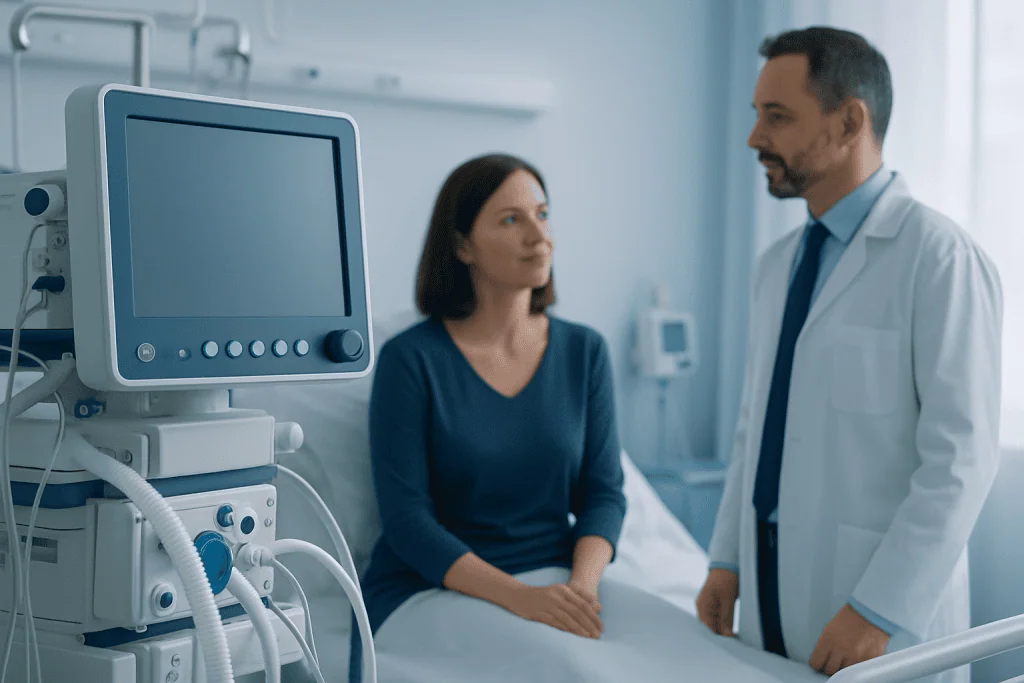
Home preparation is recommended for every international patient traveling for medical care, but it becomes especially important if your treatment may involve surgery, anesthesia, limited movement, wound care, medication schedules or fatigue. Even if your procedure is outpatient or minimally invasive, you may still benefit from organizing your home before you travel.
It is also strongly recommended if you live alone, care for children or elderly relatives, have pets, manage a busy work schedule, or need regular medication. Making arrangements in advance helps reduce the number of decisions you must make while recovering and gives your companion or family clear guidance on how to support you.
You should start planning as soon as your preliminary treatment plan and expected stay in Turkey are discussed. Some tasks, such as arranging help at home, preparing medical documents or modifying a recovery space, are easier when they are not left until the final days before travel.
Who is a good candidate?

Every patient traveling abroad for treatment is a good candidate for structured home preparation. This includes patients traveling for check-ups, diagnostic procedures, dental treatment, fertility care, oncology consultations, orthopedic surgery, bariatric surgery, cosmetic surgery, cardiac care or any other planned medical service.
You may need more detailed preparation if you expect to have reduced mobility, lifting restrictions, dietary changes, wound care, frequent medication, or a longer recovery period. Patients with chronic conditions such as diabetes, heart disease, respiratory conditions or immune system concerns should be especially careful to plan medication, monitoring and follow-up support.
Your needs should be personalized. A young patient having a short outpatient procedure may only need basic home organization, while a patient having major surgery may need help with meals, stairs, hygiene, transport and daily tasks. Your Acibadem International care coordinator can guide you on questions to ask your medical team before finalizing your home plan.
Treatment options
Because this guide is about preparation rather than a specific procedure, the main “options” relate to how you organize your home and support system. You may choose a basic preparation plan, a more comprehensive recovery plan, or a caregiver-supported plan depending on your treatment and personal circumstances.
A basic plan may include cleaning the home, preparing documents, arranging bills, stocking easy meals and making sure someone can be contacted in an emergency. A recovery-focused plan may also include setting up a sleeping area on one level, removing trip hazards, placing essentials within reach, preparing wound-care storage if advised, and organizing transport for follow-up appointments at home.
If you live alone or expect limited mobility, a caregiver-supported plan may be safest. This can involve asking a family member or friend to stay with you, arranging professional home support, preparing written instructions, and planning who will help with groceries, pets, children, laundry and household tasks. Your medical team can advise what level of assistance is appropriate for your treatment.
Online evaluation before travel
Before you travel to Turkey, an online evaluation helps the medical team understand your health background and treatment goals. You may be asked to share medical reports, test results, imaging, photographs where relevant, medication lists, allergy information and details of previous surgeries. This allows the relevant specialist team to provide a preliminary opinion and plan the next steps.
This stage is also the right time to ask practical home-preparation questions. You can ask how long you may need help after returning home, whether stairs may be difficult, whether you will have lifting or driving restrictions, and what kind of wound care or medication schedule may be expected. Answers may remain general until your in-person examination, but they can still help you plan responsibly.
Acibadem International’s patient services team supports international patients with appointment coordination, interpreter arrangements, transfer planning and communication with the hospital. The online evaluation does not replace a physical consultation, and final treatment suitability is confirmed only after your physician evaluates you in person.
Before the treatment
Before you travel, create a home checklist that covers your health, household and personal responsibilities. Confirm that your passport is valid, collect medical documents, prepare your medication list, and make digital copies of important records. Keep emergency contacts and your Acibadem International contact details accessible to both you and a trusted person at home.
At home, prepare a calm recovery area. Choose a place that is easy to reach, close to a bathroom if possible, and free from clutter. Place essentials such as water, phone charger, tissues, thermometer if advised, prescribed items, comfortable clothing and entertainment within easy reach. If you may have mobility limitations, reduce the need to climb stairs or carry heavy items.
Also think about responsibilities that will continue while you are away. Arrange pet care, childcare, plant care, mail collection, household security, bill payments and work handover. If someone will assist you after you return, write down key information such as alarm codes, pharmacy details, doctor contacts and your expected recovery restrictions.
What happens during the treatment
Your actual treatment in Turkey will depend on your diagnosis, goals and physician’s recommendation. After arrival, you will usually have an in-person consultation, a review of your medical history, and any necessary tests or imaging before the final plan is confirmed. Your doctor will explain the procedure, expected benefits, limitations, possible risks and recovery instructions.
During your hospital experience, Acibadem International can assist with interpreter support, appointment flow and coordination between departments when needed. International patients often appreciate having clear explanations in their preferred language, especially when discussing consent, medication, discharge instructions and follow-up plans.
Use this time to confirm the details that affect your home return. Ask when you may fly, what activity restrictions apply, how to care for any wounds or dressings, what symptoms require medical attention, and when remote follow-up is expected. These instructions should guide how you use the recovery space you prepared before traveling.
Hospital stay and discharge
The length of your hospital stay depends entirely on your treatment, your general health and how you recover immediately afterward. Some treatments may not require an overnight stay, while others require careful monitoring in hospital. Your doctor will decide when discharge is appropriate based on clinical criteria and your safety.
Before discharge, make sure you understand your medications, activity restrictions, wound or dressing care, diet guidance, hygiene instructions and follow-up schedule. If you have a companion, it is helpful for them to hear the instructions too. Ask for written instructions whenever possible, especially if you will continue recovery in a hotel before flying home.
Discharge from hospital does not always mean you are ready to travel internationally immediately. Your physician may recommend a local recovery period in Turkey and a first control visit before travel clearance. This is an important safety step and should be included in your travel planning.
Recovery timeline
Your recovery timeline depends on the treatment you receive, your age, general health, procedure complexity and how closely you follow medical advice. The table below gives a general planning framework for your home preparation, not a substitute for your personalized recovery instructions.
| Timeframe | What to expect |
|---|---|
| First 24 hours | You may feel tired, emotional, sore or less independent depending on your treatment. You should follow hospital instructions closely and avoid making major decisions without support. |
| First week | You may need help with meals, hygiene, mobility, medication reminders or attending control appointments. Rest, hydration and following restrictions are important. |
| Weeks 2-4 | Many patients gradually resume light daily activities, but lifting, driving, exercise and work may still be restricted depending on the procedure. |
| Months 1-3 | Energy, mobility and comfort often continue to improve. Some treatments still require follow-up, rehabilitation, dietary changes or activity progression. |
| Final result | Final healing and results vary widely by treatment. Some outcomes are visible quickly, while others evolve over several months or require long-term monitoring. |
When preparing your home, plan for the most cautious version of your early recovery rather than the most optimistic one. It is easier to cancel extra help than to arrange urgent support when you are tired or uncomfortable.
What to avoid after treatment
After treatment, avoid activities that your physician has restricted, even if you feel well. These may include heavy lifting, intense exercise, bending, driving, smoking, alcohol, swimming, sauna use, sexual activity or returning to work too early. The exact restrictions depend on your procedure and medical condition.
At home, avoid cluttered walkways, slippery rugs, poorly lit stairs and storing essentials in hard-to-reach places. If you are taking pain medication or feeling weak, falls and accidents can become more likely. Keep your recovery area simple, safe and easy to navigate.
Also avoid relying only on memory for medical instructions. Keep written discharge notes, medication schedules and emergency contacts visible. If anything is unclear, contact your care team rather than guessing or changing instructions on your own.
Risks and possible complications
Home preparation itself is low risk, but poor planning can make recovery more stressful and may increase the chance of missed medications, falls, delayed follow-up or unnecessary strain. The medical risks and possible complications depend on the treatment you receive, your health background and the complexity of care.
General issues after medical procedures may include pain, swelling, bruising, fatigue, nausea, wound problems, bleeding, infection, blood clots, medication reactions or delayed healing. Not every patient experiences these, and many symptoms can be part of normal recovery, but your physician should explain what is expected and what is not.
A safe plan includes knowing who to contact in Turkey, who to contact locally after returning home, and where to seek urgent care if needed. Acibadem International can support remote follow-up communication, but emergency symptoms should be assessed promptly by local emergency services or a nearby healthcare provider.
Warning signs: when to contact a doctor
You should receive treatment-specific warning signs before discharge. Keep them in an accessible place at home and share them with the person supporting you. If you are unsure whether a symptom is normal, it is safer to ask for medical advice.
- Fever, chills or feeling suddenly unwell
- Increasing pain that does not improve with prescribed medication or rest
- Shortness of breath, chest pain, fainting or severe dizziness
- Uncontrolled bleeding or rapidly increasing swelling
- Redness, warmth, pus, bad smell or opening at a wound site
- Severe nausea, vomiting or inability to keep fluids down
- New weakness, confusion, severe headache or vision changes
- Calf pain, leg swelling or sudden difficulty walking
- Allergic-type symptoms such as facial swelling, rash or breathing difficulty
For urgent or severe symptoms, seek emergency medical care immediately in your location. For non-urgent concerns, contact your treating team or the remote follow-up channel provided by Acibadem International.
Results and expectations
Good home preparation does not change the medical outcome by itself, but it can support a smoother recovery experience. When your environment is organized, you are more likely to rest properly, follow instructions, attend follow-up appointments and avoid unnecessary stress during the early healing period.
Results and timelines vary by treatment. Some patients feel ready to resume normal routines quickly, while others need more time, rehabilitation or ongoing monitoring. It is important not to compare your recovery with another patient’s experience, even if the treatment sounds similar.
In some medical and surgical treatments, additional care, adjustment or revision may sometimes be needed. This does not mean you did something wrong; it reflects the fact that healing and treatment response vary. Your physician is the best person to explain realistic expectations for your individual case.
International patient travel planning
Travel planning should connect your medical schedule in Turkey with your responsibilities at home. Confirm your expected arrival date, consultation date, treatment date, hospital stay, first control appointment and earliest possible travel clearance before making firm return plans. Avoid scheduling major work or family commitments immediately after your expected return.
Prepare your home as if your return could be slightly delayed or your recovery could require more rest than expected. Arrange flexible support for pets, children, work and household duties. Keep a trusted person informed about your itinerary, hotel details, hospital contact information and emergency plan.
Acibadem International supports patients with airport transfers, interpreter coordination, accommodation guidance and appointment organization. These services can reduce logistical pressure while you focus on your health, but your travel plans should always remain aligned with your doctor’s medical advice.
Cost and package information
The cost of your treatment journey depends on several factors, including the medical specialty, diagnostic tests, procedure complexity, hospital stay, anesthesia needs, implants or special materials if used, medications, follow-up requirements and any additional consultations. Home preparation costs may also vary depending on whether you need caregiving support, mobility aids, meal services, childcare or pet care.
A treatment quotation for international patients may typically include items such as planned hospital services, physician-related services, standard pre-operative tests related to the treatment, nursing care during hospitalization and defined coordination support. Depending on the plan, assistance such as transfers, interpreter support or accommodation guidance may be discussed separately or included in a package structure.
Items that may not be included can vary and may involve extra tests, additional specialist consultations, extended hospital stay, unexpected medical needs, personal expenses, flights, accommodation, companion costs, home caregiving after return or local follow-up care in your country. Always review what is included and excluded in writing before travel, and ask your coordinator to clarify anything that is not clear.
Why choose Acibadem
Acibadem International supports patients from many countries through JCI-accredited hospitals, experienced multidisciplinary teams and coordinated international patient services. For someone traveling abroad, this coordination can make the process clearer from the first online contact through treatment, discharge and remote follow-up.
Your care pathway may involve physicians, nurses, anesthesiology teams, imaging departments, rehabilitation specialists, dietitians or other professionals depending on your treatment. Having these services within an organized hospital network helps your care team communicate and plan around your individual needs.
International patient support can include interpreter services, airport transfer coordination, appointment scheduling, accommodation guidance and assistance with follow-up communication. The goal is to help you feel informed and supported while ensuring that medical decisions remain based on physician evaluation and patient safety.
Medical review and disclaimer
This guide has been reviewed by the Acibadem International medical team. It is intended to provide general information for international patients preparing their home before traveling to Turkey for treatment.
The information here does not replace a consultation, diagnosis or personalized medical advice from a qualified physician. Your treatment suitability, travel readiness, recovery restrictions and aftercare needs can only be determined after medical evaluation by your doctor.
If you have urgent symptoms or feel seriously unwell, seek emergency medical care in your location. For questions about your planned treatment at Acibadem, contact your international patient coordinator or medical team for guidance appropriate to your case.
Step by step
- Initial contact. You contact Acibadem International and share your treatment request, preferred dates, language needs and basic health information.
- Medical record / photo submission. You send relevant medical reports, test results, imaging, medication lists and photos if they are needed for your specialty.
- Preliminary medical review. The relevant medical team reviews your information and provides an initial opinion about possible next steps, while noting that final decisions require in-person evaluation.
- Treatment plan and quotation. You receive a preliminary plan and written cost information showing the expected medical pathway and what is included or excluded.
- Travel planning. You coordinate flight timing, accommodation, airport transfers, companion plans and home responsibilities such as childcare, pets, bills and work coverage.
- Arrival. You arrive in Turkey and are supported with planned logistics such as transfers and hospital appointment coordination when arranged.
- In-person consultation. Your physician examines you, reviews your history and confirms whether the proposed treatment is suitable for you.
- Pre-operative tests. If your treatment requires it, you complete blood tests, imaging, anesthesia assessment or other checks before the final medical decision.
- Treatment. Your treatment is performed according to the confirmed plan, with interpreter support and clinical monitoring as appropriate.
- Hospital stay. You recover in hospital or in outpatient care depending on your treatment, while the team monitors your comfort and early recovery.
- First control. You attend your first follow-up visit in Turkey, where your doctor checks healing, answers questions and updates your instructions.
- Discharge / travel clearance. Your physician advises when you can leave hospital and when it is medically appropriate to travel home.
- Remote follow-up. After returning home, you stay in contact through the agreed follow-up channel and seek local medical care if urgent symptoms occur.
Your checklist
- Valid passport and any required visa or travel authorization
- Medical history summary, including current diagnoses and previous treatments
- Current medication list, including supplements and over-the-counter products
- Known allergies, especially to medications, latex, foods or anesthesia-related agents
- Details of previous surgeries, hospitalizations and anesthesia experiences
- Recent test results, imaging reports, pathology reports or specialist letters
- Clear photos or medical images if requested for your treatment evaluation
- Emergency contact details for a trusted person at home and your companion if traveling with one
- Insurance information and any documents required by your insurer or employer
- Home care plan for children, elderly relatives, pets, plants, mail and household security
- Prepared recovery space with essentials within easy reach
- Written list of questions about travel clearance, recovery restrictions and warning signs
Key takeaways
- Preparing your home before travel helps reduce stress after treatment, especially if your mobility, energy or daily routine will be temporarily limited.
- Plan practical support for children, pets, bills, medications, food, transport and work responsibilities before you leave.
- Your recovery area should be clean, easy to access and stocked with essentials recommended by your physician.
- Confirm your expected length of stay, travel clearance and aftercare needs with your Acibadem International care team before booking return arrangements.
- Seek medical advice promptly if you notice warning signs after returning home, such as fever, worsening pain, breathing difficulty, bleeding or wound changes.
Frequently asked questions
How early should I start preparing my home before traveling to Turkey for treatment?
It is best to start as soon as your preliminary treatment plan and travel dates are discussed. This gives you time to arrange help, prepare documents, organize your recovery space and handle family or work responsibilities without rushing.
Do I need someone to stay with me after I return home?
This depends on your treatment, general health and expected recovery restrictions. If you may have limited mobility, fatigue, wound care or medication schedules, having a trusted person nearby during the early recovery period can be very helpful.
What should I prepare in my recovery area at home?
Choose a clean, comfortable and easy-to-reach area with good lighting and minimal clutter. Keep water, phone charger, medications, medical instructions, tissues, comfortable clothing and any physician-recommended items within reach.
Can Acibadem tell me exactly how long I should stay in Turkey?
Your expected stay can be estimated after preliminary review, but the final recommendation depends on your in-person consultation, treatment details and early recovery. Your doctor will advise when it is safe to travel home.
Should I book my return flight before treatment?
You may plan a tentative return date, but flexibility is helpful. Some patients need a control visit or additional recovery time before travel clearance, so avoid scheduling important commitments immediately after your expected return.
What home tasks are most important to complete before I leave?
Arrange childcare, pet care, bill payments, work handover, mail collection, transport from the airport and help with groceries or meals. Also make sure your home is clean, safe and free from trip hazards.
What cost factors should I consider besides the treatment itself?
In addition to medical services, consider flights, accommodation, companion expenses, transfers, personal spending, home caregiving, mobility aids, meal support and local follow-up care after return. Always review what is included and excluded in your written quotation.
Is it safe to travel abroad for treatment?
Many patients travel internationally for medical care, but safety depends on proper evaluation, clear planning and following medical advice. Choosing accredited hospitals, sharing complete medical information and waiting for travel clearance are important steps.
What if I have a problem after returning home?
For urgent symptoms such as chest pain, breathing difficulty, heavy bleeding or fainting, seek emergency care locally. For non-urgent questions, use the remote follow-up channel provided by your Acibadem International care team.
Will preparing my home improve my treatment results?
Home preparation cannot guarantee a medical result, but it can support safer rest, better adherence to instructions and less stress during recovery. Results vary by treatment and individual healing, and your physician will explain realistic expectations for your case.
Add us as a Preferred Source to see more of our trusted health content across Google Search, AI Overviews and Discover.
More Patient Guides
Day Surgery in Turkey: Can You Leave Hospital the Same Day?
Day surgery in Turkey often lets you go home the same day if your procedure and recovery are suitable and your doctor…
11 min read
General Anesthesia in Turkey: How to Prepare and What Happens Before You Sleep
General anesthesia in Turkey helps you sleep safely through surgery. Learn preparation, recovery, risks, and travel planning in Istanbul.
11 min read
Choosing Between Outpatient and Inpatient Treatment in Turkey: What Affects the Decision
Choosing Between Outpatient and Inpatient Treatment in Turkey depends on your procedure, health, recovery needs and travel plans.
11 min read