Adenomyosis: Painful Periods, Heavy Bleeding, and Diagnosis

Adenomyosis may cause heavy menstrual bleeding, painful cramps, pelvic pain, bloating, and pain during sex, although some people have no symptoms. Diagnosis is usually based on medical history, pelvic examination, transvaginal ultrasound, and sometimes MRI.
Key Takeaways
- Adenomyosis may cause heavy menstrual bleeding, painful cramps, pelvic pain, bloating, and pain during sex, although some people have no symptoms.
- Diagnosis is usually based on medical history, pelvic examination, transvaginal ultrasound, and sometimes MRI.
- Treatment depends on symptom severity, age, fertility plans, and whether other conditions such as fibroids or endometriosis are also present.
- Medicines, hormonal treatments, minimally invasive procedures, and surgery may all have a role in care.
- Anyone with very heavy bleeding, worsening pelvic pain, or symptoms of anemia should consult a qualified gynecologist.
Adenomyosis is a common gynecologic condition in which tissue similar to the uterine lining grows into the muscular wall of the uterus. It can cause painful periods, heavy bleeding, pelvic pressure, and fertility concerns, but many people improve with appropriate diagnosis and individualized treatment.
Overview
Adenomyosis is a benign condition of the uterus. It occurs when tissue similar to the endometrium, which normally lines the inside of the uterus, is found within the myometrium, the muscular wall of the uterus. During the menstrual cycle, this tissue can respond to hormonal changes, contributing to inflammation, thickening of the uterine wall, cramping, and heavy bleeding.
The condition is most often diagnosed in women in their 30s and 40s, but it can occur at different reproductive ages. Some people have no symptoms and only learn they have adenomyosis during imaging or after surgery for another reason. Others experience symptoms that interfere with daily life, work, sleep, and sexual well-being.
Adenomyosis is not cancer, and it is not the same as endometriosis or uterine fibroids. However, these conditions can overlap and produce similar symptoms. A careful evaluation helps distinguish the cause of painful periods and heavy bleeding so that treatment can be tailored to the individual.
Symptoms of Adenomyosis
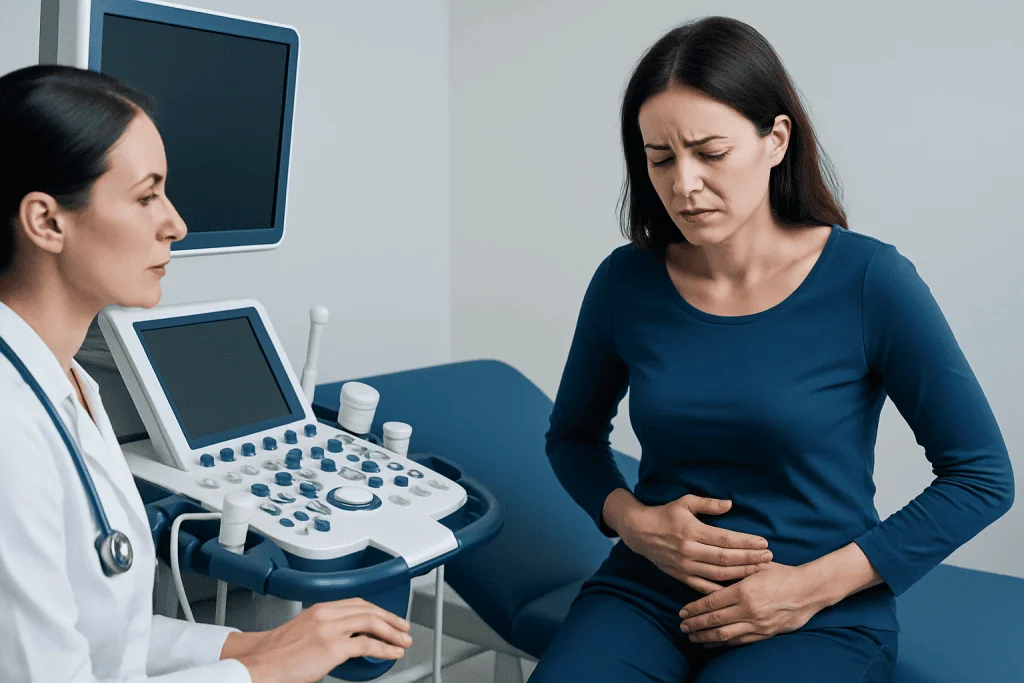
The most common symptoms of adenomyosis are heavy menstrual bleeding and painful periods. Cramps may start before bleeding begins and continue for several days. Some people describe a deep, aching pelvic pain, while others experience sharp cramps or a feeling of pressure and fullness in the lower abdomen.
Symptoms can vary widely from person to person. Adenomyosis may cause:
- Heavy or prolonged menstrual bleeding
- Severe menstrual cramps, also called dysmenorrhea
- Chronic pelvic pain or pelvic heaviness
- Bloating or a sensation of an enlarged uterus
- Pain during sexual intercourse
- Spotting between periods in some cases
- Fatigue, dizziness, or shortness of breath if heavy bleeding leads to anemia
Because these symptoms are also seen with fibroids, endometriosis, polyps, bleeding disorders, and hormonal changes, self-diagnosis is not reliable. Tracking symptoms, bleeding patterns, pain severity, and medication use can help the doctor understand the pattern and choose appropriate tests.
Causes and Risk Factors
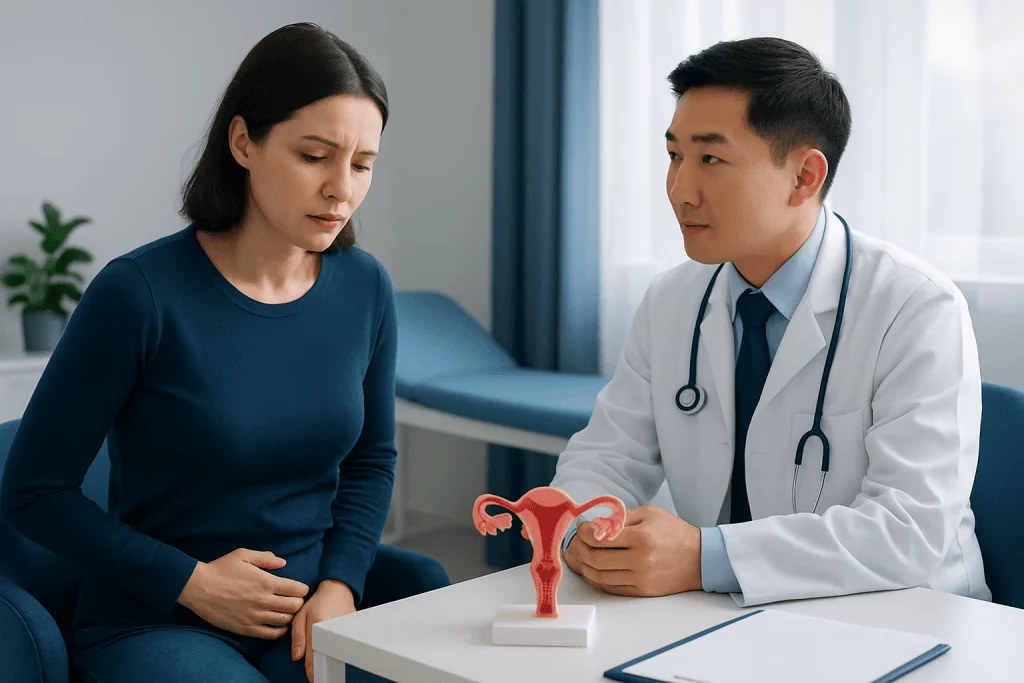
The exact cause of adenomyosis is not fully understood. Several theories have been proposed, including direct growth of endometrial-like tissue into the uterine muscle, developmental changes in the uterus, inflammation after childbirth or uterine procedures, and the influence of estrogen and other hormones. The condition appears to be hormone responsive, which is why symptoms often change across reproductive life and may improve after menopause.
Known risk factors can include being in the later reproductive years, previous childbirth, and a history of uterine surgery such as cesarean section, fibroid removal, or dilation and curettage. However, adenomyosis can also occur in people without these factors. Having a risk factor does not mean someone will definitely develop the condition.
Adenomyosis may coexist with other gynecologic conditions. Fibroids can contribute to heavy bleeding and pressure. Endometriosis can cause pelvic pain, painful sex, and bowel or bladder symptoms. Identifying all contributing conditions is important because treatment for one condition may not fully relieve symptoms if another condition is also present.
Diagnosis
Diagnosis usually begins with a detailed medical history and pelvic examination. The doctor may ask about the age at which symptoms began, the amount and duration of bleeding, pain timing, pregnancy history, previous surgeries, contraception, and fertility goals. During a pelvic exam, the uterus may feel enlarged, tender, or softer than usual, although the exam can also be normal.
Transvaginal ultrasound is often the first imaging test. It can show features that suggest adenomyosis, such as a thickened uterine wall, an enlarged or globular uterus, small cystic spaces in the muscle, or an indistinct border between the lining and the muscle. Ultrasound also helps assess fibroids, ovarian cysts, polyps, and other causes of symptoms.
Magnetic resonance imaging, or MRI, may be recommended when ultrasound findings are unclear, when multiple conditions are suspected, or when treatment planning requires more detail. In the past, adenomyosis was often confirmed only after hysterectomy by examining uterine tissue under a microscope. Today, imaging allows many patients to receive a likely diagnosis without needing surgery solely for confirmation.
Treatment Options
Treatment depends on symptom severity, age, general health, anemia status, fertility plans, and whether adenomyosis is focal or diffuse. People with mild symptoms may need observation, pain relief during periods, and monitoring. Those with heavy bleeding, severe pain, or anemia may benefit from a more active treatment plan.
Medical options can include nonsteroidal anti-inflammatory medicines for cramps, medicines that reduce menstrual bleeding, and hormonal treatments. Hormonal options may include combined hormonal contraceptives, progestin-only methods, or a levonorgestrel-releasing intrauterine system. In selected cases, medicines that temporarily suppress ovarian hormone production may be considered, usually for limited periods and under close medical supervision.
Procedural options may be discussed when medicines are not effective or not suitable. These can include uterine artery embolization in selected patients, focused treatments for focal adenomyosis, or surgery. Endometrial ablation may help some causes of heavy bleeding but is not appropriate for everyone and may be less effective when adenomyosis is deep in the uterine muscle. Hysterectomy, removal of the uterus, is the definitive treatment for people who do not wish to preserve fertility and have persistent, significant symptoms.
Fertility, Pregnancy, and Related Concerns
Adenomyosis can be associated with fertility challenges in some people, although the relationship is complex and often influenced by age, endometriosis, fibroids, ovarian reserve, and other factors. Some patients with adenomyosis conceive naturally, while others may need fertility evaluation or assisted reproductive treatment. Anyone planning pregnancy should discuss symptoms, imaging findings, and treatment choices with a gynecologist or fertility specialist.
Treatment choices may differ when pregnancy is desired. For example, hysterectomy is not an option for someone who wants to carry a pregnancy, and some hormonal treatments prevent pregnancy while they are being used. In selected cases, short-term medical treatment before fertility care or surgery for focal disease may be considered, but decisions should be individualized.
During pregnancy, adenomyosis requires personalized obstetric care. Most people with the condition will be followed based on their overall risk profile, previous pregnancies, and any coexisting conditions. The goal is to support the healthiest possible pregnancy with appropriate monitoring rather than to assume that adenomyosis alone determines the outcome.
Prevention and Self-Care
There is no proven way to completely prevent adenomyosis. However, symptom awareness and early medical evaluation can reduce delays in diagnosis and help prevent complications such as iron deficiency anemia from prolonged heavy bleeding. It is helpful to keep a menstrual diary noting cycle length, number of heavy-flow days, pain level, clots, missed activities, and any bleeding between periods.
Self-care can support comfort but should not replace medical assessment when symptoms are significant. Heat therapy, rest during severe cramps, regular physical activity as tolerated, adequate sleep, and stress management may help some people cope with pelvic pain. If bleeding is heavy, a clinician may check iron levels and advise appropriate dietary measures or supplementation when needed.
Pain relievers and over-the-counter medicines should be used according to the product instructions and personal medical history. People with stomach ulcers, kidney disease, blood-thinning medication use, or certain chronic conditions should ask a doctor before taking anti-inflammatory medicines. New, worsening, or unusual symptoms should always be assessed rather than assumed to be normal period pain.
When to See a Doctor
A person should seek medical care if periods are very painful, bleeding is heavy enough to soak through pads or tampons frequently, periods last longer than usual, or pelvic pain occurs between periods. Medical evaluation is also important for pain during sex, unexplained bloating or pelvic pressure, bleeding after sex, or symptoms that are affecting school, work, sleep, exercise, or relationships.
Prompt assessment is especially important if heavy bleeding is accompanied by fatigue, dizziness, paleness, rapid heartbeat, or shortness of breath, as these can be signs of anemia. Sudden severe pelvic pain, fainting, pregnancy with pain or bleeding, or fever with pelvic pain requires urgent medical attention to rule out other conditions.
Adenomyosis is manageable for many patients when diagnosis and treatment are personalized. International patients may seek evaluation at centers with gynecology, imaging, fertility, pain management, and surgical expertise. Acibadem International provides diagnosis and treatment for adenomyosis through multidisciplinary specialists and JCI-accredited hospitals, with care planning based on individual medical needs.
Frequently asked questions
Is adenomyosis the same as endometriosis?
No. In adenomyosis, endometrial-like tissue is found within the muscle of the uterus. In endometriosis, similar tissue grows outside the uterus, such as on the ovaries, pelvic lining, or bowel surface. The two conditions can occur together, which is why careful diagnosis matters.
Can adenomyosis cause heavy bleeding?
Yes. Heavy or prolonged menstrual bleeding is one of the most common symptoms. Over time, heavy bleeding can contribute to iron deficiency anemia, so symptoms such as fatigue, dizziness, or shortness of breath should be discussed with a doctor.
How is adenomyosis diagnosed?
Diagnosis is usually based on symptoms, pelvic examination, and imaging tests. Transvaginal ultrasound is commonly used first, and MRI may be recommended when more detail is needed. A definite tissue diagnosis is possible after hysterectomy, but many people are managed based on clinical and imaging findings.
Does adenomyosis go away after menopause?
Symptoms often improve after menopause because adenomyosis is influenced by reproductive hormones. However, any bleeding after menopause is not considered normal and should be evaluated promptly. A doctor can check for other possible causes and recommend the right tests.
Can adenomyosis affect fertility?
Adenomyosis may be associated with fertility difficulties in some people, but it is not the only factor that matters. Age, ovulation, sperm factors, fallopian tube health, fibroids, and endometriosis can also contribute. Anyone trying to conceive with pelvic pain or heavy bleeding should seek individualized fertility and gynecologic advice.
Is hysterectomy the only treatment for adenomyosis?
No. Many people manage symptoms with medicines, hormonal therapy, or selected minimally invasive procedures. Hysterectomy is the definitive treatment because it removes the uterus, but it is generally considered when symptoms are significant, other treatments are unsuitable or ineffective, and future pregnancy is not desired.
References
- American College of Obstetricians and Gynecologists
- Mayo Clinic
- Cleveland Clinic
- European Society of Human Reproduction and Embryology
- National Health Service
This article is for general information only and is not a substitute for professional medical advice. Please consult a qualified doctor about your individual situation.
IVF & fertility treatment in Turkey — success rates and costs
JCI-accredited · board-certified surgeons · reply within 24h
Add us as a Preferred Source to see more of our trusted health content across Google Search, AI Overviews and Discover.

More from the Health Library



Related Specialists

Ezgi Nur Çiçek
Physical Medicine & Rehabilitation
Prof. Dr. Bülent Saçak
Aesthetic Plastic & Reconstructive Surgery
Dr. Lala Aslanova
Gynecology & Obstetrics
Prof. Dr. Eyüp Murat Ökten
Cardiovascular Surgery