Cervical Cancer: HPV, Pap Smears, and Treatment by Stage

Persistent infection with high-risk HPV types is the main cause of most cervical cancers. Pap smears look for abnormal cervical cells, while HPV tests look for high-risk HPV infection.
Key Takeaways
- Persistent infection with high-risk HPV types is the main cause of most cervical cancers.
- Pap smears look for abnormal cervical cells, while HPV tests look for high-risk HPV infection.
- Early cervical cancer may be treated with surgery, while more advanced stages often require chemotherapy, radiation therapy, immunotherapy, targeted therapy, or a combination.
- HPV vaccination and regular screening are the most important prevention tools.
- Symptoms such as abnormal vaginal bleeding, bleeding after sex, or unusual discharge should be evaluated by a doctor.
Cervical cancer is often preventable and highly treatable when found early through HPV vaccination and regular cervical screening. Understanding HPV, Pap smears, and treatment by stage helps patients make informed decisions with their healthcare team.
Overview
Cervical cancer begins in the cells of the cervix, the lower part of the uterus that connects to the vagina. In most cases, it develops slowly over several years after certain cervical cells become abnormal. These early changes, often called precancerous changes or cervical dysplasia, can usually be detected through screening before cancer develops.
The most important cause of cervical cancer is persistent infection with high-risk types of human papillomavirus, commonly known as HPV. HPV is very common, and most infections clear naturally without causing disease. When a high-risk HPV infection remains in the cervix for many years, it can lead to cell changes that may progress to cancer if not found and managed.
Cervical cancer is often preventable through HPV vaccination, routine screening with Pap smears and HPV testing, and timely treatment of precancerous changes. When cervical cancer is diagnosed, treatment is guided by the stage of disease, the patient’s overall health, fertility goals, and the characteristics of the tumor.
HPV and Cervical Cancer
HPV is a group of viruses that can infect the skin and mucous membranes. Some types cause genital warts and are considered low-risk. Other types, especially HPV 16 and HPV 18, are considered high-risk because they are strongly linked to cancers of the cervix and some other areas, including the anus, throat, vulva, vagina, and penis.
HPV is usually transmitted through intimate skin-to-skin sexual contact. A person can have HPV for months or years without knowing it, because the infection often causes no symptoms. Having HPV does not mean that a person has cancer, and it does not indicate when or from whom the infection was acquired.
HPV vaccination helps protect against the HPV types most commonly associated with cervical cancer. It is most effective when given before exposure to HPV, but some people may still benefit later depending on age and individual circumstances. Vaccination does not replace cervical screening, because it does not protect against every cancer-causing HPV type and cannot treat an existing infection.
Pap Smears, HPV Testing, and Screening

A Pap smear, also called a Pap test, collects cells from the cervix so they can be examined for abnormal changes. These changes may be mild and temporary, or they may be precancerous and require monitoring or treatment. An HPV test checks for the presence of high-risk HPV types that can increase the risk of cervical cancer.
Screening recommendations vary by country, age, medical history, and previous test results. Some programs use Pap testing alone, some use HPV testing alone, and others use co-testing with both Pap and HPV tests. A doctor can recommend the most appropriate schedule based on personal risk factors and local guidelines.
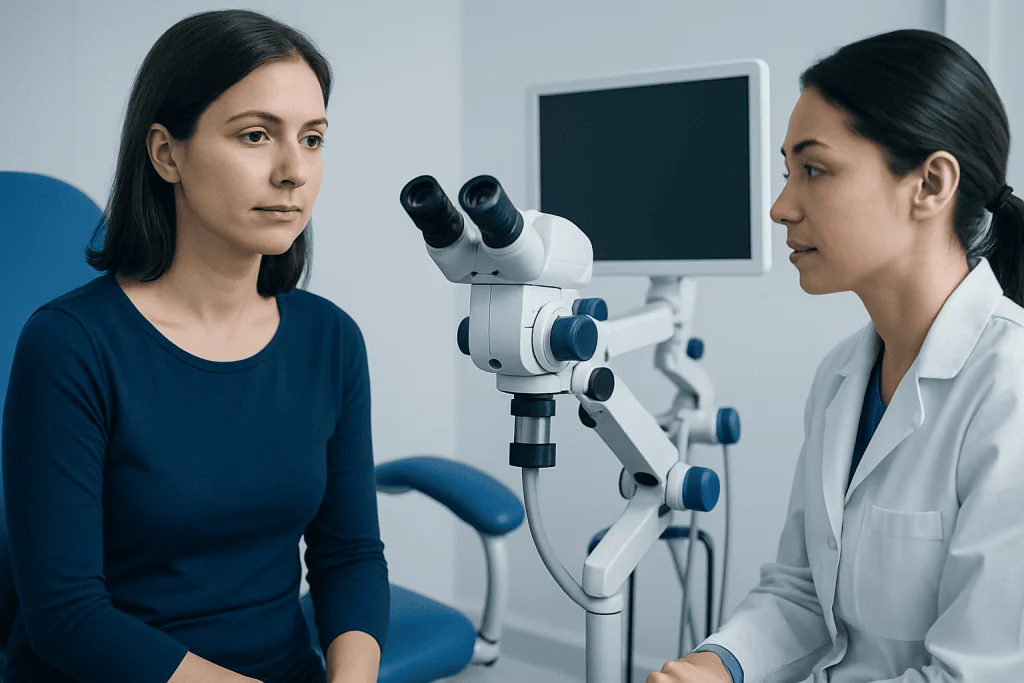
An abnormal screening result does not automatically mean cancer. It often means that additional evaluation is needed, such as repeat testing, colposcopy, or biopsy. Colposcopy is a closer examination of the cervix using magnification, and a biopsy removes a small tissue sample to confirm whether abnormal cells or cancer are present.
- Routine screening can find precancerous changes before symptoms occur.
- HPV testing helps identify people at higher risk for future cervical cell changes.
- Follow-up is important, even when a person feels completely well.
Symptoms and Warning Signs
Early cervical cancer and precancerous cervical changes often do not cause symptoms. This is why screening is so important. A person may feel healthy and still have abnormal cervical cells that can be detected and treated before cancer develops.
When symptoms do occur, they may include abnormal vaginal bleeding, bleeding after sexual intercourse, bleeding between menstrual periods, or bleeding after menopause. Some people may notice watery, bloody, or unusual vaginal discharge, pelvic pain, or discomfort during sex. These symptoms can also be caused by many non-cancer conditions, such as infections or hormonal changes, but they should still be checked.
More advanced cervical cancer may cause symptoms related to nearby organs or general health, such as pelvic or back pain, leg swelling, urinary changes, bowel changes, fatigue, or weight loss. A medical evaluation can help identify the cause and guide appropriate care.
Diagnosis and Staging
If cervical cancer is suspected, diagnosis is confirmed with a biopsy. The doctor may perform colposcopy-guided biopsy, endocervical sampling, or a procedure that removes a larger cone-shaped piece of cervical tissue, depending on the location and extent of abnormal cells. The pathology report identifies the type of cancer, such as squamous cell carcinoma or adenocarcinoma, and other features that guide treatment.
After diagnosis, staging determines how far the cancer has spread. Cervical cancer staging considers the size of the tumor, whether it has grown into nearby tissues, whether lymph nodes are involved, and whether cancer has spread to distant organs. Staging may involve pelvic examination, imaging tests such as MRI, CT, PET-CT, ultrasound, or chest imaging, and sometimes examination under anesthesia.
Stage is one of the most important factors in treatment planning. In general, stage I disease is limited to the cervix, stage II has spread beyond the cervix but not to the pelvic wall or lower vagina, stage III involves the pelvic wall, lower vagina, kidney-related obstruction, or certain lymph nodes, and stage IV has spread to nearby organs such as the bladder or rectum, or to distant parts of the body. Individual details are reviewed carefully by the oncology team before a treatment plan is recommended.
Treatment Options by Stage
Treatment for cervical cancer is individualized. The plan may involve gynecologic oncologists, radiation oncologists, medical oncologists, pathologists, radiologists, fertility specialists, specialist nurses, and rehabilitation professionals. Important considerations include the stage of cancer, tumor size, lymph node involvement, whether fertility preservation is desired, and the patient’s general health.
For very early cervical cancer or precancerous disease, treatment may include local procedures such as loop electrosurgical excision procedure, cone biopsy, or laser or ablative treatments for selected precancerous lesions. In carefully selected early-stage cancers, fertility-sparing surgery such as trachelectomy may be an option. Other early-stage cases may be treated with hysterectomy, sometimes with removal of nearby lymph nodes.
For many stage IB and stage II cancers, treatment may include surgery or a combination of radiation therapy and chemotherapy, depending on tumor size and other risk factors. Chemotherapy can make radiation more effective when given together, a treatment approach called chemoradiation. Brachytherapy, an internal form of radiation placed close to the cervix, is often an important part of curative treatment for locally advanced cervical cancer.
For stage III and some stage IV cancers that are still mainly within the pelvis, chemoradiation with brachytherapy is commonly used when appropriate. For recurrent or metastatic cervical cancer, treatment may include systemic chemotherapy, immunotherapy, targeted therapy, radiation for symptom control, surgery in selected cases, or clinical trial options. Palliative and supportive care can be provided at any stage to help manage symptoms, maintain function, and support quality of life.
Prevention, Self-Care, and Follow-Up
The most effective prevention strategy combines HPV vaccination with regular cervical screening. Vaccination reduces the risk of infection with high-risk HPV types, while screening can detect cervical changes before they become cancer. People who have been vaccinated should still follow screening recommendations because vaccination does not prevent all HPV-related cervical cancers.
Safer sexual practices may reduce the chance of HPV transmission but cannot eliminate risk completely, because HPV can spread through skin-to-skin contact in areas not covered by condoms. Avoiding tobacco is also important, as smoking is linked with a higher risk of cervical precancer and cancer. Supporting immune health through regular medical care, balanced nutrition, sleep, and management of chronic conditions can also be helpful.
After treatment for cervical cancer, follow-up visits are essential. These visits may include pelvic examinations, symptom review, imaging or tests when indicated, and support for treatment-related effects such as bowel, bladder, sexual health, menopause, fertility, or emotional concerns. Patients should tell their care team about any new symptoms between scheduled visits.
When to See a Doctor
A doctor should evaluate abnormal vaginal bleeding, bleeding after sex, bleeding after menopause, persistent pelvic pain, unusual vaginal discharge, or pain during intercourse. These symptoms do not always mean cervical cancer, but they deserve timely medical attention. People with abnormal Pap smear or HPV test results should complete the recommended follow-up, even if they have no symptoms.
Anyone unsure about HPV vaccination, cervical screening intervals, abnormal test results, fertility concerns, or treatment choices should discuss these questions with a qualified healthcare professional. Clear communication helps patients understand the reasons for tests and compare treatment options in a calm, informed way.
Acibadem International’s multidisciplinary specialists and JCI-accredited hospitals diagnose and treat cervical cancer for international patients, including evaluation, staging, surgery, radiation oncology, medical oncology, and supportive care. The best plan should always be based on a personalized medical assessment and shared decision-making with the treating team.
Frequently asked questions
Does HPV always cause cervical cancer?
No. HPV is very common, and most infections clear naturally without causing cancer. Cervical cancer risk increases when high-risk HPV infection persists for many years and leads to abnormal cell changes.
What is the difference between a Pap smear and an HPV test?
A Pap smear looks for abnormal cells on the cervix. An HPV test looks for high-risk HPV types that can cause these cell changes. Depending on age and guidelines, a doctor may recommend one test or both.
Can cervical cancer be prevented?
Many cases can be prevented through HPV vaccination, routine cervical screening, and treatment of precancerous changes. Avoiding tobacco and following medical advice after abnormal results also reduce risk.
Is cervical cancer treatable?
Yes. Cervical cancer is often highly treatable, especially when found early. Treatment depends on the stage and may include surgery, radiation therapy, chemotherapy, immunotherapy, targeted therapy, or a combination.
Can a woman still become pregnant after cervical cancer treatment?
Fertility after treatment depends on the stage of cancer and the treatment used. Some early-stage cases may be eligible for fertility-sparing approaches, but this requires careful evaluation by a gynecologic oncology team before treatment begins.
How often should cervical screening be done?
Screening schedules vary by age, test type, medical history, and national guidelines. A healthcare professional can recommend whether Pap testing, HPV testing, or co-testing is appropriate and how often it should be repeated.
References
- World Health Organization
- National Cancer Institute
- American Cancer Society
- Centers for Disease Control and Prevention
- European Society for Medical Oncology
This article is for general information only and is not a substitute for professional medical advice. Please consult a qualified doctor about your individual situation.
Cervical Cancer in Turkey — costs, top hospitals & a free quote
JCI-accredited · board-certified surgeons · reply within 24h
Add us as a Preferred Source to see more of our trusted health content across Google Search, AI Overviews and Discover.

Medical Oncology Department
Medical treatment of cancer with chemotherapy, immunotherapy and targeted therapies under a multidisciplinary tumor board.
60 specialists in this unit