Stomach Cancer: Indigestion, Endoscopy, and Treatment Planning

Persistent or worsening indigestion should be assessed, especially when it is accompanied by weight loss, swallowing difficulty, vomiting, anemia, or black stools. Upper endoscopy allows doctors to see the stomach lining directly and take biopsies, which are needed to confirm stomach cancer.
Key Takeaways
- Persistent or worsening indigestion should be assessed, especially when it is accompanied by weight loss, swallowing difficulty, vomiting, anemia, or black stools.
- Upper endoscopy allows doctors to see the stomach lining directly and take biopsies, which are needed to confirm stomach cancer.
- Treatment planning usually involves staging tests and a multidisciplinary team, including gastroenterology, surgery, medical oncology, radiation oncology, radiology, pathology, and nutrition support.
- Treatment may include surgery, chemotherapy, targeted therapy, immunotherapy, radiation therapy, or combinations of these approaches.
- Earlier diagnosis can allow more treatment options, so people should seek medical advice when symptoms are persistent or concerning.
Stomach cancer, also called gastric cancer, can begin with vague symptoms such as indigestion, early fullness, nausea, or unexplained weight loss. Endoscopy with biopsy is the key test for diagnosis, and treatment planning depends on the cancer type, stage, location, and the person’s overall health.
Overview
Stomach cancer, also known as gastric cancer, develops when abnormal cells grow in the lining of the stomach and form a tumor. Most stomach cancers begin in the gland-forming cells of the stomach lining and are called adenocarcinomas, but less common types can also occur. The stomach is part of the upper digestive system, so symptoms may be mistaken at first for more common problems such as indigestion, gastritis, reflux, or an ulcer.
Many people experience indigestion from time to time, and it is usually not cancer. However, symptoms that persist, worsen, or occur with other warning signs deserve medical attention. A doctor may recommend tests to look inside the stomach, most importantly an upper endoscopy. During endoscopy, a thin flexible tube with a camera is passed through the mouth to examine the esophagus, stomach, and first part of the small intestine.
When stomach cancer is suspected or confirmed, treatment planning is highly individualized. Doctors consider the tumor’s location, whether it has spread, the pathology results, the person’s nutrition and general health, and personal preferences. The goal is to choose a safe, evidence-based plan that offers the best possible control of the disease while supporting quality of life.
Symptoms: When Indigestion Needs Attention
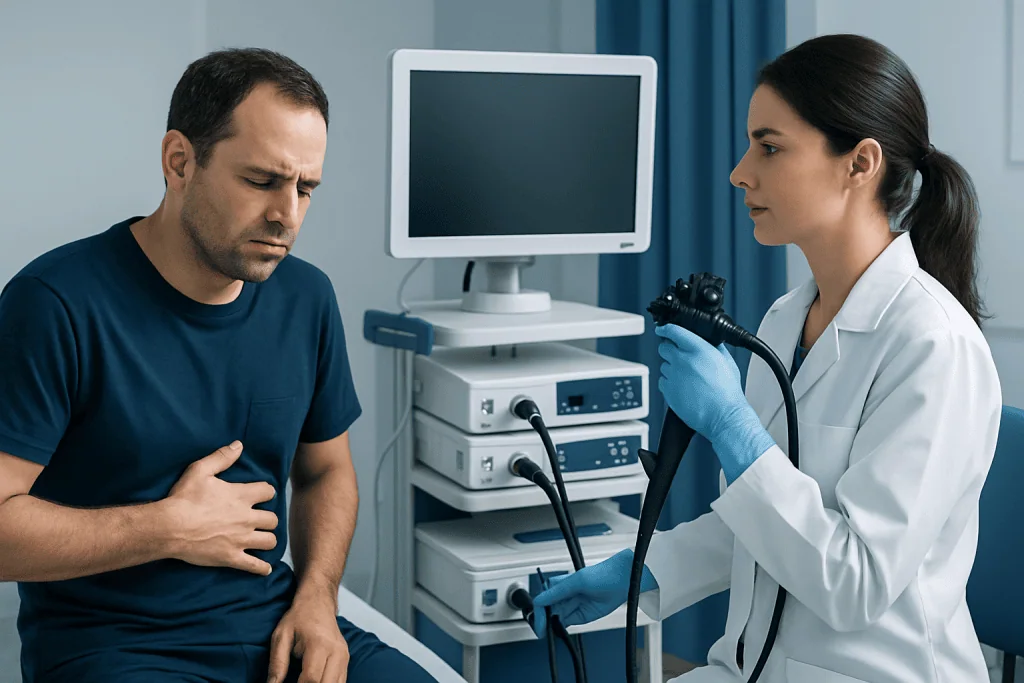
Early stomach cancer may cause no symptoms or only mild, nonspecific digestive discomfort. A person may notice bloating, burning or discomfort in the upper abdomen, nausea, burping, or feeling full quickly after eating a small amount. Because these symptoms overlap with common digestive conditions, they should be interpreted in context rather than assumed to have one cause.
Symptoms that are persistent, progressive, or associated with general changes in health are more concerning. These may include unexplained weight loss, loss of appetite, fatigue, vomiting, difficulty swallowing, pain that does not settle, or a sense that food is getting stuck. Bleeding from the stomach may lead to black, tarry stools, vomiting blood, or anemia, which can cause tiredness, dizziness, or shortness of breath.
It is especially important to seek medical advice if indigestion begins later in life, does not improve with standard treatment, or returns repeatedly. People with known risk factors, such as previous Helicobacter pylori infection, a strong family history of stomach cancer, or certain inherited syndromes, should discuss symptoms promptly with a qualified doctor. Medical evaluation can identify both cancer and many noncancerous conditions that also benefit from treatment.
Causes and Risk Factors
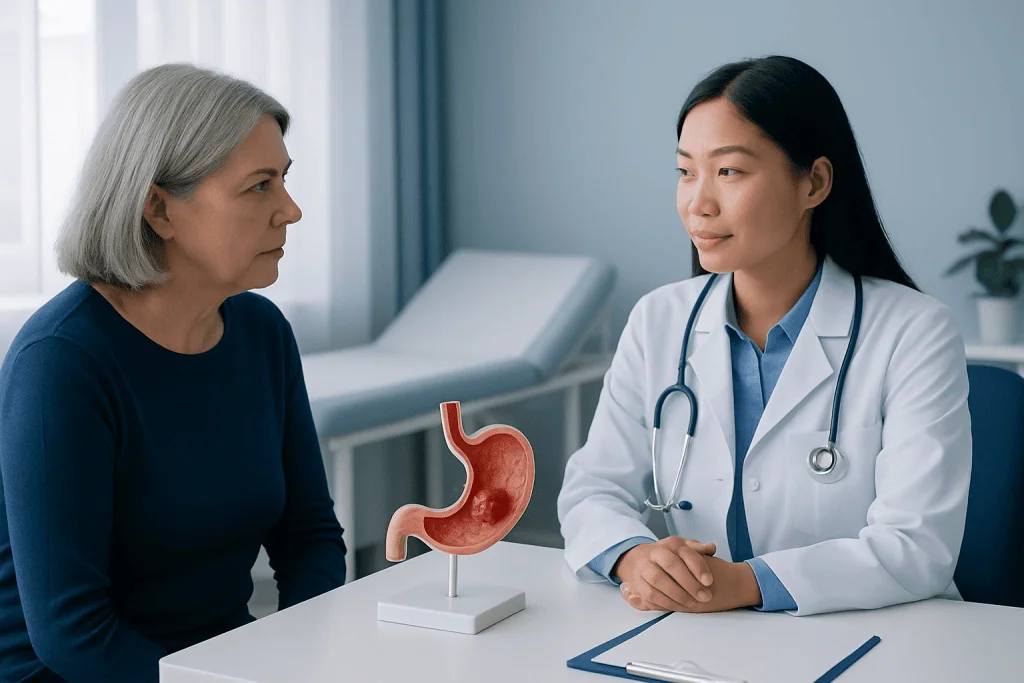
Stomach cancer usually develops through a series of changes in the stomach lining over time. One of the most important known risk factors is long-term infection with Helicobacter pylori, a bacterium that can cause chronic inflammation and ulcers. Not everyone with H. pylori develops cancer, and many people with indigestion have no cancer, but identifying and treating this infection can be important for stomach health.
Other risk factors include smoking, a diet high in heavily salted or smoked foods, low intake of fruits and vegetables, chronic atrophic gastritis, intestinal metaplasia, pernicious anemia, previous stomach surgery, and certain stomach polyps. Risk also tends to increase with age. Family history may matter, particularly if close relatives have had stomach cancer or if there is a known inherited cancer syndrome.
Some risk factors can be modified, while others cannot. A person cannot change their age or family history, but avoiding tobacco, treating H. pylori when diagnosed, and following a balanced diet can support general digestive health. Risk factors do not predict with certainty who will develop stomach cancer; they simply help doctors decide who may need closer assessment or surveillance.
Diagnosis: Endoscopy, Biopsy, and Staging Tests
The main test for diagnosing stomach cancer is upper gastrointestinal endoscopy, also called gastroscopy. The doctor examines the stomach lining carefully and may take small tissue samples, called biopsies, from any abnormal areas. A pathologist then studies the tissue under a microscope to determine whether cancer is present and, if so, what type it is.
Endoscopy is usually performed with measures to keep the patient comfortable, such as throat numbing medicine and sedation when appropriate. It is a short procedure for many patients, but preparation and recovery instructions are important, especially regarding fasting and not driving after sedation. If biopsies are taken, results may take several days because the tissue needs special processing and analysis.
Once cancer is diagnosed, staging tests help determine how far it has grown or spread. These may include blood tests, computed tomography scans, endoscopic ultrasound, positron emission tomography in selected cases, and sometimes diagnostic laparoscopy to look for tiny areas of spread inside the abdomen. Staging is essential because a cancer limited to the stomach is treated differently from one that has spread to lymph nodes or other organs.
Treatment Planning and the Multidisciplinary Team
Treatment planning for stomach cancer is usually best done by a multidisciplinary team. This may include a gastroenterologist, surgical oncologist or gastrointestinal surgeon, medical oncologist, radiation oncologist, radiologist, pathologist, dietitian, oncology nurse, and supportive care specialists. Together, they review the endoscopy findings, biopsy report, imaging results, tumor location, stage, and the patient’s fitness for different treatments.
Important pathology details may include the cancer subtype, grade, and biomarker results. Biomarkers such as HER2 status, mismatch repair or microsatellite instability status, and PD-L1 expression may influence whether targeted therapy or immunotherapy is considered. These results do not apply in the same way to every patient, but they can help personalize treatment for some people.
Good treatment planning also includes nutrition, symptom control, and clear communication. Stomach cancer and its treatments may affect appetite, weight, digestion, and strength, so dietitian support can be valuable before, during, and after therapy. Patients are encouraged to ask what the stage means, what the goal of treatment is, what options are available, and how side effects will be monitored.
Treatment Options
Treatment depends on the stage and location of the cancer. For very early cancers limited to the inner lining of the stomach, endoscopic removal may be possible in carefully selected cases. For many localized stomach cancers, surgery to remove part or all of the stomach, often with nearby lymph nodes, is an important part of treatment. The surgical approach is chosen according to tumor position, extent, and the patient’s overall condition.
Chemotherapy may be used before surgery, after surgery, or both, to reduce the risk of recurrence and treat cancer cells that may not be visible on scans. Radiation therapy may be recommended in selected situations, sometimes combined with chemotherapy. For advanced or metastatic stomach cancer, treatment may focus on controlling the disease, relieving symptoms, and maintaining quality of life for as long as possible.
Targeted therapy and immunotherapy may be options for some patients based on biomarker testing. These treatments work differently from traditional chemotherapy and are not suitable for every case. Supportive treatments are also central and may include medicines for nausea or pain, management of bleeding or blockage, nutrition support, and psychological care. At Acibadem International, multidisciplinary specialists in JCI-accredited hospitals diagnose and treat stomach cancer for international patients as part of individualized care planning.
Prevention, Self-care, and Life During Treatment
There is no guaranteed way to prevent stomach cancer, but several steps may reduce risk and support overall health. People diagnosed with H. pylori should follow their doctor’s treatment plan and complete any recommended follow-up testing. Avoiding smoking, limiting heavily salted and smoked foods, and eating a varied diet with vegetables, fruits, whole grains, and adequate protein can be helpful for general cancer prevention and recovery.
During treatment, nutrition often becomes a practical priority. Smaller, more frequent meals may be easier than large meals, especially after stomach surgery or during chemotherapy. Some people need extra protein, oral nutrition supplements, vitamin and mineral monitoring, or specialist advice for symptoms such as dumping syndrome, reflux, diarrhea, or early fullness. Any unintentional weight loss should be discussed with the care team.
Self-care also includes keeping appointments, reporting side effects early, staying as active as tolerated, and asking for emotional support. Cancer care can involve many decisions and unfamiliar terms, so bringing a family member or friend to consultations may help. Patients should avoid starting supplements, herbal products, or restrictive diets without discussing them with the oncology team, because some products can interfere with treatment or worsen nutrition.
When to See a Doctor
A person should arrange a medical consultation if indigestion, upper abdominal discomfort, nausea, or early fullness continues for more than a short period, keeps returning, or does not respond to usual measures. Prompt assessment is especially important if symptoms occur with unexplained weight loss, persistent vomiting, swallowing difficulty, black stools, vomiting blood, worsening fatigue, or signs of anemia.
Emergency care may be needed for severe abdominal pain, fainting, heavy vomiting of blood, or black stools with dizziness or weakness. These symptoms can have several causes, but they require urgent evaluation. For non-urgent but persistent symptoms, a primary care doctor or gastroenterologist can decide whether blood tests, H. pylori testing, imaging, or endoscopy is appropriate.
People who have already been diagnosed with stomach cancer should contact their care team if they develop fever, uncontrolled nausea or vomiting, dehydration, severe pain, inability to eat or drink, sudden weight loss, or new bleeding. Early communication often allows side effects and complications to be managed more effectively and may help treatment continue more safely.
Frequently asked questions
Is indigestion usually a sign of stomach cancer?
No. Indigestion is very common and is most often related to conditions such as reflux, gastritis, ulcers, food intolerance, or medications. However, indigestion that is persistent, worsening, or associated with weight loss, anemia, vomiting, swallowing difficulty, or black stools should be assessed by a doctor.
Why is endoscopy important for diagnosing stomach cancer?
Endoscopy allows the doctor to look directly at the stomach lining and identify abnormal areas. Most importantly, it allows biopsies to be taken. A biopsy examined by a pathologist is needed to confirm whether cancer is present.
Does a biopsy during endoscopy spread cancer?
A diagnostic biopsy does not generally cause stomach cancer to spread. It is a standard and necessary step in diagnosis. The information from the biopsy helps doctors choose the most appropriate treatment plan.
Can stomach cancer be treated with surgery alone?
Some very early stomach cancers may be treated with endoscopic or surgical removal alone, depending on specific features. Many cases require a combination of treatments, such as chemotherapy before and/or after surgery. The best plan depends on the stage, tumor location, pathology, and overall health.
What does staging mean in stomach cancer?
Staging describes how far the cancer has grown into the stomach wall and whether it has spread to lymph nodes or other organs. Doctors use staging tests such as CT scans, endoscopic ultrasound, and sometimes laparoscopy. Stage is one of the main factors guiding treatment choices.
What should a patient ask at a stomach cancer treatment planning visit?
Useful questions include: What type and stage of cancer is it? Is the goal of treatment cure, control, or symptom relief? Which treatments are recommended and why, what side effects are expected, and how will nutrition be supported? Patients may also ask whether biomarker testing is needed.
References
- World Health Organization
- National Cancer Institute
- American Cancer Society
- European Society for Medical Oncology
- National Comprehensive Cancer Network
This article is for general information only and is not a substitute for professional medical advice. Please consult a qualified doctor about your individual situation.
Stomach Cancer in Turkey — costs, top hospitals & a free quote
JCI-accredited · board-certified surgeons · reply within 24h
Add us as a Preferred Source to see more of our trusted health content across Google Search, AI Overviews and Discover.

Medical Oncology Department
Medical treatment of cancer with chemotherapy, immunotherapy and targeted therapies under a multidisciplinary tumor board.
60 specialists in this unit