Stomach Cancer Treatment
Stomach cancer care involves accurate staging and a personalized plan using surgery, chemotherapy, radiotherapy, targeted therapy, or immunotherapy when appropriate.
Quick answer
Stomach cancer treatment is a personalised plan built around the stage and biology of a tumour that starts in the stomach lining. Depending on how far the cancer has grown, it may involve endoscopic removal, partial or total gastrectomy with lymph node dissection, chemotherapy before and after surgery, radiotherapy in selected cases, and targeted therapy or immunotherapy guided by molecular testing.
What Is Stomach Cancer?
Stomach cancer is a disease in which malignant cells form in the lining of the stomach and, over time, grow deeper into the stomach wall and beyond it. It is also called gastric cancer: the two names describe exactly the same condition. Treatment is not a single procedure but a planned sequence that may include endoscopic removal for selected early tumours, surgery, chemotherapy, radiotherapy, targeted therapy, immunotherapy, nutritional support and symptom management. Which of these you need, and in what order, depends on the stage of the disease, where the tumour sits, its biological features and your general health.
Stomach cancer is not one single disease. A tumour can begin in the lower stomach, the body of the stomach, the upper stomach or at the junction where the oesophagus meets the stomach, and each location changes how surgery and other treatments are planned. Tumours also grow in different patterns and behave differently depending on their biology. Some are found early and can be treated with a limited endoscopic procedure. Others need a carefully coordinated plan with treatment before and after surgery. If the disease has spread, modern systemic therapies may help control the cancer, reduce symptoms and extend meaningful time.
Most stomach cancers are adenocarcinomas, meaning they arise from the gland-forming cells of the stomach lining. Other tumour types can also start in the stomach, gastrointestinal stromal tumours, lymphomas and neuroendocrine tumours among them, and each of these requires a different treatment strategy. This is one reason expert pathology review matters: the treatment plan for a gastric lymphoma looks nothing like the plan for a gastric adenocarcinoma.
The single most important early step is accurate staging. Decisions in stomach cancer rest on how deeply the tumour has grown into the stomach wall, whether lymph nodes are involved, whether there is spread to distant organs or to the peritoneum, the membrane lining the abdominal cavity, and whether the tumour carries molecular features that specific drugs can target. A sound treatment plan is built on detailed imaging, careful pathology and multidisciplinary discussion, not on assumption.
How do people first find out they have stomach cancer?
Most people do not find out through a single dramatic symptom. When patients look back, they often describe months of small changes: indigestion that never quite settled, feeling full after a few mouthfuls, a gradual loss of interest in food, clothes fitting more loosely, or tiredness that turned out to be anaemia picked up on a routine blood test. Because these complaints overlap so heavily with everyday digestive problems, the diagnosis frequently comes as a surprise during an endoscopy that was arranged for what seemed a minor issue.
Others are diagnosed during surveillance of a known stomach condition, during investigation of unexplained iron deficiency, or after a more obvious event such as black stools or vomiting blood. Some patients have no symptoms at all until the disease is relatively advanced, which is a feature of the condition rather than a failure of the patient to notice.
Stomach Cancer Symptoms
Stomach cancer symptoms are often vague at first and easy to attribute to indigestion, an ulcer or stress. This overlap with common digestive disorders is the main reason diagnosis is sometimes delayed. What distinguishes cancer-related complaints is usually not their intensity but their persistence: they do not fully settle, they return, or they slowly progress over weeks and months.
What are the symptoms of stomach cancer?
The symptoms of stomach cancer most commonly reported include:
- Persistent indigestion or discomfort in the upper abdomen
- Feeling full unusually quickly after small meals (early satiety)
- Nausea, and in some cases vomiting
- Loss of appetite and unexplained weight loss
- Difficulty swallowing, particularly when the tumour is near the upper stomach or the gastro-oesophageal junction
- Black, tarry stools or vomiting blood, which point to bleeding from the tumour
- Fatigue and breathlessness caused by anaemia from slow, unnoticed blood loss
- A general decline in strength and stamina
No single item on this list confirms cancer, and none of them rules it out when absent. Early tumours in particular may produce almost nothing that a patient would recognise as abnormal, which is why endoscopy, not symptom pattern alone, is the tool doctors rely on when the picture is unclear.
What are the warning signs of stomach cancer?
The signs of stomach cancer that doctors take most seriously are the ones that persist, progress or suggest bleeding: black stools, vomiting blood, swallowing that becomes gradually more difficult, weight loss you did not intend, iron-deficiency anaemia without an obvious explanation, and indigestion that continues despite reasonable treatment. These findings do not mean cancer is present, most people with indigestion do not have a tumour, but they are the changes that usually justify an endoscopy rather than another round of reassurance.
What does stomach cancer feel like?
For many people, early stomach cancer feels like nothing in particular: a mild, nagging fullness or discomfort high in the abdomen, often mistaken for gastritis or a stubborn ulcer. Some describe a sensation of food sitting heavily, or of being unable to finish a normal plate. As a tumour grows, the feelings may become more distinct: aching or gnawing pain in the upper abdomen, nausea after eating, or the sense that food is catching on its way down. The honest answer is that stomach cancer has no unique feeling of its own, which is precisely why it is investigated with a camera and a biopsy rather than diagnosed by sensation.
Why is stomach cancer so painful?
Stomach cancer is often not painful in its early stages: the stomach lining itself has limited pain sensation, and small tumours can grow silently. Pain tends to appear when the tumour ulcerates, invades deeper layers of the stomach wall, blocks the passage of food, or spreads to structures that are richly supplied with nerves, such as the peritoneum or tissues behind the stomach. In advanced disease, pain can also come from stretching of the stomach above an obstruction or from spread to other organs. This pattern, quiet early, troublesome late, is one of the reasons staging at diagnosis matters so much.
You may also come across the phrase gastric cancer symptoms; “gastric” simply means “of the stomach”, so it describes exactly the same set of complaints. In medical letters the disease is sometimes abbreviated to “CA stomach”, so if you have seen the term ca stomach symptoms in a referral note or a search result, it refers to the same condition and the same warning features described above.
What Causes Stomach Cancer?
There is no single cause of stomach cancer. It usually develops over years, as the stomach lining passes through stages of chronic inflammation and cellular change before a tumour forms. The most firmly established contributor is long-standing infection with Helicobacter pylori, a bacterium that lives in the stomach lining and drives chronic gastritis in some people. Most people who carry H. pylori never develop cancer, but the infection meaningfully raises the background risk over a lifetime.
Other recognised risk factors include:
- Chronic gastritis and long-standing stomach polyps
- A family history of gastric cancer, and certain inherited cancer syndromes
- Previous stomach surgery, which changes the chemical environment of the remaining stomach
- Pernicious anaemia, an autoimmune condition affecting the stomach lining
- Smoking
- Dietary and environmental factors, including diets heavy in salted, smoked or preserved foods
Inherited syndromes deserve particular mention because they change how families are managed. When several close relatives have had gastric cancer, or when cancer appeared at a young age, genetic assessment may be discussed. This is a specialist conversation, because the implications extend beyond the patient to siblings and children.
It is equally important to say what the risk factors do not mean. Many patients diagnosed with stomach cancer have no obvious single cause, no family history and no unusual diet. Risk factors shift probability; they do not assign blame, and their absence does not protect anyone completely.
How Stomach Cancer Is Diagnosed and Staged
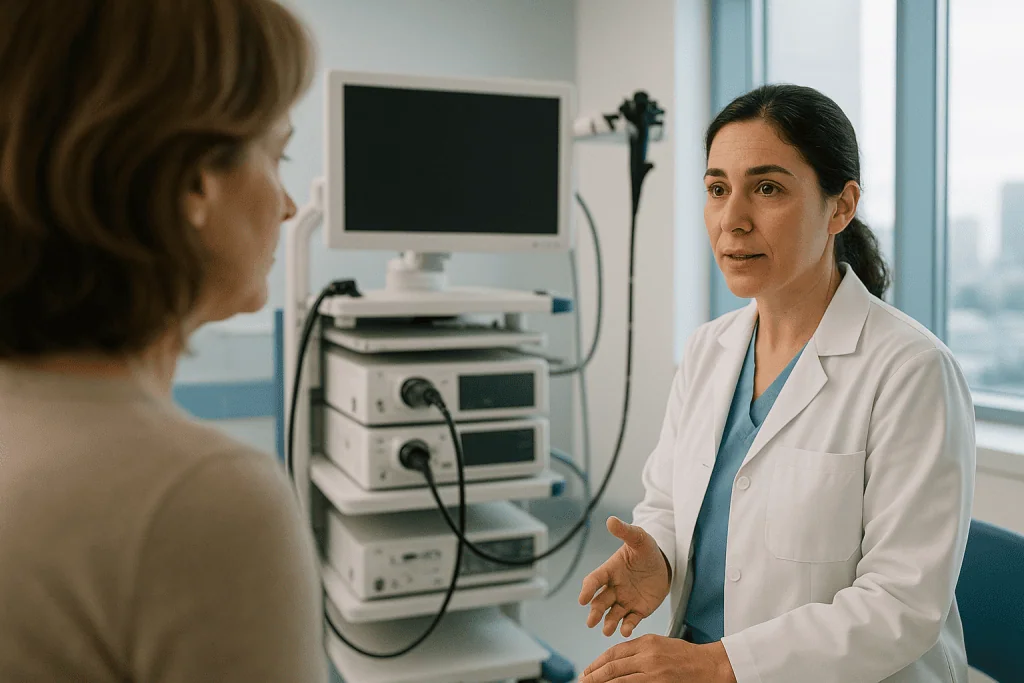
Diagnosis usually begins with upper gastrointestinal endoscopy. A flexible camera is passed through the mouth to examine the oesophagus, stomach and the first part of the small intestine. Suspicious areas are biopsied, small tissue samples are taken through the endoscope while you are sedated, and the tissue is examined by a pathologist. High-resolution endoscopy helps identify subtle lesions that older equipment could miss.
The pathology report is the foundation of everything that follows. It confirms whether cancer is present, identifies the tumour type, and may describe the grade and growth pattern. Because most stomach cancers are adenocarcinomas but other tumour types occur, this report determines which treatment pathway is even relevant.
Once cancer is confirmed, staging tests map its extent. These commonly include contrast-enhanced CT scans of the chest, abdomen and pelvis to assess the stomach itself, the regional lymph nodes, the liver, the lungs and the peritoneal surfaces. Staging answers the questions on which every treatment decision hangs: how deep, how far, and where.
Endoscopic ultrasound may be added to judge how deeply the tumour has invaded the stomach wall and whether nearby lymph nodes look suspicious. This depth information is what separates a tumour suitable for endoscopic removal from one that needs surgery, and a tumour that should go straight to surgery from one that should receive chemotherapy first.
PET-CT can be useful in selected cases, particularly when there is uncertainty about possible distant spread, though not every gastric tumour shows up well on PET imaging.
Diagnostic laparoscopy may be recommended before major surgery, particularly for tumours at higher risk of microscopic spread to the peritoneum. Through small incisions, the surgeon inspects the abdominal cavity directly and may collect fluid for cytology. Scans cannot always detect tiny peritoneal deposits; laparoscopy exists precisely to find what imaging misses, and it can spare a patient a major operation that would not have achieved its goal.
Molecular testing of the tumour tissue is increasingly central. Depending on the clinical situation, tissue may be tested for HER2 expression, mismatch repair deficiency or microsatellite instability, PD-L1 expression and other emerging markers. These results decide whether targeted therapy or immunotherapy belongs in the plan. They are not optional extras in modern care; they are part of defining what the disease actually is.
Why does staging matter so much?
Staging matters because it protects you from both under-treatment and over-treatment. An incomplete evaluation can send a patient to major surgery when hidden peritoneal disease means surgery cannot achieve its purpose, or, just as damagingly, it can label a treatable tumour as too advanced. Every additional staging step exists to make the eventual treatment decision more honest.
Who May Need Stomach Cancer Treatment
Treatment is considered after a diagnosis confirmed by biopsy, or when diagnostic findings strongly suggest cancer that requires urgent completion of the work-up. Some people arrive at this point through symptoms. Others are found to have a tumour during endoscopy performed for anaemia, reflux-like complaints, ulcer symptoms or surveillance of a known stomach condition: the cancer was found while looking for something else.
Patients enter specialist care at different points along the journey: with a brand-new diagnosis, with a diagnosis but unclear staging, after surgery has already been recommended elsewhere, when seeking a second opinion on a proposed plan, when cancer has returned after earlier treatment, or when metastatic disease calls for a more advanced systemic therapy strategy. Each situation starts the same way, with a thorough review of what is actually known, and a clear list of what still needs to be established before treatment begins.
People with strong risk factors, inherited syndromes, significant family history, or precancerous changes found on earlier biopsies, may also need structured surveillance rather than immediate treatment. Deciding between watching and acting is itself a specialist judgement.
Conditions and Indications Addressed by Stomach Cancer Care
Stomach cancer care covers a wide range of clinical situations, and the intent of treatment differs between them. Treatment may aim to remove the cancer entirely, control it for as long as possible, relieve symptoms, prevent complications, or support nutrition and daily functioning. Naming the intent honestly at the outset is part of good care.
Early gastric cancerdisease limited to the inner layers of the stomach with favourable features, may be treated with endoscopic resection or limited surgery. These are the situations where the least invasive option can also be the fully adequate one, provided strict criteria are met.
Localised and locally advanced gastric cancer, where the tumour is confined to the stomach and regional lymph nodes, often requires a combination of chemotherapy and surgery. Chemotherapy may come first, to shrink the tumour and attack microscopic cancer cells that no scan can see, improving the conditions for the operation that follows.
Cancers at the gastro-oesophageal junction, where the oesophagus meets the stomach, need special planning because treatment overlaps with the approaches used for oesophageal cancer. The surgical method, any radiation planning and the systemic therapy sequence all depend on the exact location and extent of the tumour.
Metastatic stomach cancer means the disease has spread to distant sites: the liver, distant lymph nodes, the lungs or the peritoneum. Treatment here is usually systemic: chemotherapy, targeted therapy or immunotherapy chosen according to tumour biology and the patient’s condition. Surgery may still be considered in selected circumstances to manage bleeding, obstruction or other complications, but it is not usually the main treatment for widespread disease, because operating on one site does not address disease elsewhere.
Recurrent stomach cancer is cancer that returns after initial treatment, in the stomach area, the lymph nodes, the peritoneum or distant organs. The plan depends on where it has returned, which treatments were used before, how much time has passed, what molecular testing shows and how fit the patient is now.
Supportive indications are part of stomach cancer care in their own right: cancer-related bleeding, gastric outlet obstruction, severe weight loss, swallowing difficulty, treatment-related nausea, nutritional deficiencies and pain. These are not secondary concerns. They directly determine whether a patient can tolerate therapy and maintain quality of life while receiving it.
How Stomach Cancer Treatment Is Performed
Preparation and Treatment Planning
Preparation begins with a complete review of the medical record: pathology slides or reports, endoscopy findings, imaging studies and any prior treatments. When the diagnosis was made at another institution, the clinical team usually reviews the existing reports and images first, so that only genuinely necessary tests are repeated and gaps in the staging are identified before any decision is made.
Before treatment begins, you may undergo blood tests, nutritional assessment, cardiac and anaesthesia evaluation, repeat imaging, endoscopic ultrasound, PET-CT or diagnostic laparoscopy where indicated. Nutritional status deserves particular attention in this disease. Weight loss, low protein levels and reduced intake increase surgical risk and make chemotherapy harder to tolerate. Dietitians may recommend high-protein nutrition, supplements, feeding access or symptom-directed strategies before and during treatment, building strength for treatment is treatment.
The case is then discussed in a multidisciplinary tumour board, where surgeons, medical oncologists, radiation oncologists, radiologists, pathologists and other specialists review the same findings together. The output is a defined stage, a stated intent and a sequence: chemotherapy before surgery, surgery first, endoscopic resection, chemoradiotherapy, systemic therapy for metastatic disease, or symptom-focused interventions. In modern stomach cancer care the question is not simply “Can the tumour be removed?” but “What sequence gives this patient the best chance of disease control while preserving strength, nutrition and quality of life?”
Endoscopic Treatment for Selected Early Tumours
For carefully selected early stomach cancers: those limited to the inner lining with a very low estimated risk of lymph node spread, endoscopic resection may be possible. Under sedation or anaesthesia, a flexible endoscope is passed through the mouth into the stomach, and specialised instruments lift and remove the cancerous area from the stomach lining without any external incision. The removed tissue is then examined in detail to confirm that the margins are clear and that no features suggest deeper spread.
Endoscopic treatment preserves the stomach and generally allows a quicker return to normal life than surgery, but it is appropriate only when strict criteria are met, and the criteria are checked twice, once before the procedure and again on the final pathology. If the pathology shows deeper invasion, aggressive features or unclear margins, additional surgery may be recommended. That is not a failure of the first procedure; it is the safety mechanism working as designed.
Surgery for Stomach Cancer
When surgery is indicated, the operation is planned around the tumour’s location and extent. A subtotal (distal) gastrectomy removes the part of the stomach containing the tumour, usually for cancers in the lower or middle stomach where enough healthy stomach can safely remain. A total gastrectomy removes the entire stomach, typically for tumours in the upper stomach or those involving a large portion of it. In both operations, the nearby lymph nodes are removed at the same time, because stomach cancer commonly spreads through lymphatic channels; lymph node dissection both stages the disease accurately and removes regional disease that would otherwise be left behind.
Surgery may be performed through an open approach or, in selected patients, with minimally invasive techniques using small incisions and advanced visualisation systems. The choice depends on tumour stage, previous surgery, body build, the surgeon’s assessment and safety considerations. Minimally invasive approaches may reduce incision-related discomfort and support earlier mobility in appropriate cases, but cancer clearance and patient safety always take priority over incision size.
After the stomach, or part of it, is removed, the digestive tract is reconstructed. If the entire stomach has been removed, the oesophagus is joined directly to the small intestine; if part of the stomach remains, it is connected to the intestine so that food can pass through. You can live without a stomach, but eating changes: meals become smaller and more frequent, and long-term monitoring of vitamin B12, iron, calcium and vitamin D becomes a standard part of life after surgery. Knowing this before the operation makes the adjustment afterwards far less disorienting.
The length of the operation varies with the extent of disease, the type of gastrectomy, the lymph node dissection, the reconstruction and whether adhesions or additional procedures are involved. Many operations take several hours, followed by close monitoring in the recovery area and then the ward. Some patients spend a period in intensive care for observation, particularly after complex surgery or when other medical conditions call for closer monitoring.
Chemotherapy, Targeted Therapy and Immunotherapy
Chemotherapy uses medicines that attack rapidly dividing cancer cells throughout the body. In localised stomach cancer it may be given before surgery, to shrink the tumour and treat microscopic disease early, and again after surgery depending on the final pathology and what was given beforehand. In advanced or metastatic disease, chemotherapy is often the foundation of treatment, aiming to slow the cancer’s growth and relieve the symptoms it causes.
Targeted therapy is used when the cancer cells carry specific markers that particular drugs can address. Some stomach cancers overexpress HER2, for instance, making HER2-directed therapy relevant. Other markers may open additional options depending on current evidence, drug availability and the patient’s treatment history. None of this is chosen by assumption: it follows directly from the molecular testing done on the tumour tissue.
Immunotherapy helps the immune system recognise and attack cancer cells. It may be considered when biomarkers such as mismatch repair deficiency, microsatellite instability or PD-L1 expression suggest potential benefit, or in specific settings supported by international guidelines. Not every patient benefits from immunotherapy, and giving it without the supporting biology would be treatment by hope rather than by evidence, which is exactly what careful biomarker testing is designed to prevent.
Radiotherapy and Local Symptom Control
Radiotherapy uses focused radiation beams to damage cancer cells within a defined area. Not every stomach cancer patient needs it, but it may be used after surgery in selected cases, before or instead of surgery in some gastro-oesophageal junction tumours, or to relieve specific problems such as bleeding or localised pain. Modern radiation planning uses detailed imaging to shape the treated volume tightly and reduce exposure of the surrounding organs, the liver, kidneys, bowel and spinal cord, that sit close to the stomach.
Technology Used in Diagnosis and Treatment
Modern stomach cancer care rests on several categories of technology working together. High-resolution endoscopy identifies suspicious lesions and secures biopsies. Endoscopic ultrasound estimates tumour depth and regional lymph node involvement. Cross-sectional imaging, CT and, where appropriate, PET-CT, maps the extent of disease. Diagnostic laparoscopy allows direct inspection of the peritoneal surfaces where scans reach their limits.
In the laboratory, pathology and molecular testing classify the tumour and identify treatment-relevant biomarkers. In the operating theatre, magnified visualisation and minimally invasive platforms support precision in selected cases. In radiotherapy, three-dimensional planning and image guidance sharpen delivery. Across all of it, one principle holds: technology is only as useful as the specialists interpreting it and the coherence of the plan it feeds into.
Hospital Stay and Early Recovery
After a gastrectomy, patients generally remain in hospital for several days while the team monitors pain control, hydration, bowel function, wound healing and the gradual return to eating. The early inpatient course usually follows a recognisable sequence:
- Step 1, immediate monitoring: vital signs, wounds, fluid balance and pain control are checked closely in the hours after surgery.
- Step 2, early movement: sitting up, standing, short walks and breathing exercises begin early, because mobility reduces the risk of chest and circulation complications.
- Step 3, stepwise nutrition: intake usually starts with liquids and advances gradually according to the surgeon’s guidance and how the reconstruction is healing.
- Step 4, discharge planning: before you leave, the team reviews wound care, eating strategy, warning features to watch for and the schedule of follow-up visits.
Recovery continues well beyond discharge. Patients need time to regain strength, adapt to new eating patterns and attend follow-up. If chemotherapy is planned after surgery, it generally begins once healing and nutritional status are adequate: the timing is individual, not fixed by a calendar.
Why Acting Early Matters
Stomach cancer can progress silently. Early symptoms may be mild, and even significant disease can produce only vague digestive complaints. Time spent waiting allows a tumour to grow deeper into the stomach wall, involve lymph nodes or reach distant sites, and as the stage advances, treatment becomes more complex and the chance of controlling the disease with surgery alone falls.
Acting early does not mean rushing into treatment without complete information. It means moving promptly through the right diagnostic steps: biopsy confirmation, staging, molecular testing and specialist review. An incomplete evaluation cuts both ways. Proceeding straight to surgery without recognising hidden peritoneal spread exposes a patient to a major operation without the expected benefit; assuming a tumour is too advanced without expert review can deny a patient a treatment sequence that might genuinely have helped.
Timely care also heads off complications. Stomach cancer can cause bleeding, anaemia, obstruction, vomiting, malnutrition and severe weight loss, and each of these erodes the reserve a patient needs to tolerate chemotherapy or surgery. Addressing the cancer and its nutritional impact early preserves strength for the treatment itself.
Early action also applies before cancer ever develops. Treating a proven Helicobacter pylori infection, following up known precancerous changes such as intestinal metaplasia or dysplasia with scheduled endoscopies, and properly investigating unexplained iron-deficiency anaemia rather than simply replacing the iron are all ways of catching disease at the point where the least invasive treatment is still an option. Surveillance is not passive waiting; it is a plan with defined intervals and a defined trigger for acting.
Benefits of Stomach Cancer Treatment
What treatment can realistically offer depends on cancer stage, tumour biology and overall health, but the goals are consistent: control the disease, reduce its symptoms and preserve quality of life wherever possible.
| Benefit | What It Means for You |
|---|---|
| Accurate staging | A clearer understanding of whether the cancer is localised, regional or metastatic, helping avoid unnecessary treatment and guiding the right sequence of care. |
| Personalised treatment planning | Surgery, chemotherapy, radiotherapy, targeted therapy or immunotherapy are selected according to your stage, tumour markers and medical condition. |
| Potential for curative-intent treatment in localised disease | When cancer is confined to the stomach and regional lymph nodes, combined treatment may aim to remove all visible disease and reduce the risk of recurrence. |
| Symptom relief | Treatment can address bleeding, obstruction, pain, nausea, weight loss or difficulty eating, depending on the cause of the symptoms. |
| Access to biomarker-directed therapy | Molecular testing may identify features that make targeted therapy or immunotherapy appropriate in selected patients. |
| Nutritional and functional support | Dietary planning, monitoring and rehabilitation help patients maintain strength through chemotherapy, surgery and recovery. |
Recovery Timeline After Stomach Cancer Treatment
Recovery depends on whether treatment involved endoscopic resection, chemotherapy, major surgery, radiotherapy or systemic therapy for advanced disease. The timeline below reflects common expectations after surgical treatment: it describes a typical pattern, not a schedule your body is obliged to follow.
| Time Period | What Patients Can Expect |
|---|---|
| Day 1 | Close monitoring after surgery, pain control, intravenous fluids, breathing exercises and assisted movement. The care team checks vital signs, wounds and early recovery markers. |
| First Week | Gradual increase in walking, careful return of bowel function and stepwise nutrition. Many patients begin liquids and progress slowly under surgical guidance. |
| First Month | Strength improves gradually. Patients adapt to smaller, more frequent meals. Follow-up visits review pathology, wound healing, nutrition and whether additional therapy is needed. |
| During Chemotherapy | Energy, appetite and blood counts may fluctuate. Side effects are monitored closely, and nutrition and treatment timing may be adjusted when needed. |
| Longer Term | Surveillance continues with examinations, imaging or endoscopy when appropriate. After total gastrectomy, lifelong nutritional monitoring and supplementation are usually required. |
Is Stomach Cancer Curable? Outcomes and What Shapes Them
Can stomach cancer be cured?
Some stomach cancers can be treated with curative intent, meaning the goal of treatment is to remove all detectable disease and reduce the chance of it returning. This is most realistic when the cancer is found early, confined to the stomach and regional lymph nodes, and can be fully resected, usually in combination with chemotherapy. Responsible clinicians talk about curative intent rather than making promises, because even after apparently complete treatment a risk of recurrence remains, which is why structured follow-up continues for years. For more advanced disease, the honest goal shifts from elimination to control: slowing the cancer, relieving what it causes and protecting quality of life for as long as possible.
What is the life expectancy for stomach cancer?
There is no single answer, and any number quoted without knowing your staging would be misleading. Life expectancy in stomach cancer depends on the stage at diagnosis, the tumour’s location and biology, how it responds to treatment, whether complete surgical removal is possible, and your overall fitness. Population averages blend together patients whose situations differ enormously: an early tumour removed endoscopically and a widely metastatic cancer are, in practical terms, different diseases. The meaningful conversation about prognosis happens with your treating team after staging and molecular testing are complete, because only then does the question have an answer that applies to you.
What factors influence a good result?
Stage at diagnosis is among the most important. Cancers found before deep invasion or lymph node spread are generally associated with better outcomes than cancers found after distant spread, though even advanced disease varies widely with biology and treatment response.
Tumour characteristics matter in detail: the location (lower stomach, upper stomach or gastro-oesophageal junction each demand different approaches), the depth of invasion into the stomach wall, the number of involved lymph nodes, the status of the surgical margins, and whether cancer cells are found in the peritoneal cavity all shape both prognosis and the next treatment decision.
The quality of staging influences the quality of treatment. Detailed imaging, endoscopic ultrasound where appropriate, diagnostic laparoscopy in selected patients and expert pathology review define the disease more accurately, and molecular testing identifies who may benefit from targeted therapy or immunotherapy. Without these steps, treatment is matched to a guess rather than to the cancer.
Response to preoperative chemotherapy is another lever. Some tumours shrink or become less active, making surgery more effective; others do not respond as expected, and the strategy changes. Monitoring during therapy is what allows the team to continue, modify or move to surgery at the right moment.
Surgical expertise is central. A good operation removes the tumour safely, dissects the appropriate lymph nodes, reconstructs the digestive tract carefully and anticipates complications. A good surgical result is not only a removed tumour: it is a patient nourished and strong enough to receive whatever treatment comes next.
Patient factors carry real weight. Age alone does not decide eligibility, but heart, lung and kidney function, diabetes, previous operations, nutritional status and general fitness all influence risk. Severely malnourished or weakened patients may need a period of preparation before major therapy; anaemia correction, protein support and physical conditioning can genuinely change treatment readiness. Stopping smoking helps at every stage.
Adherence to follow-up shapes long-term care. Surveillance after treatment may include clinical visits, blood tests, imaging and endoscopy depending on the original cancer and what was done. Follow-up also watches for nutritional deficiencies, weight changes, eating difficulties and late treatment effects, problems that are far easier to manage when caught early.
How Stomach Cancer Care Is Organised at Acibadem
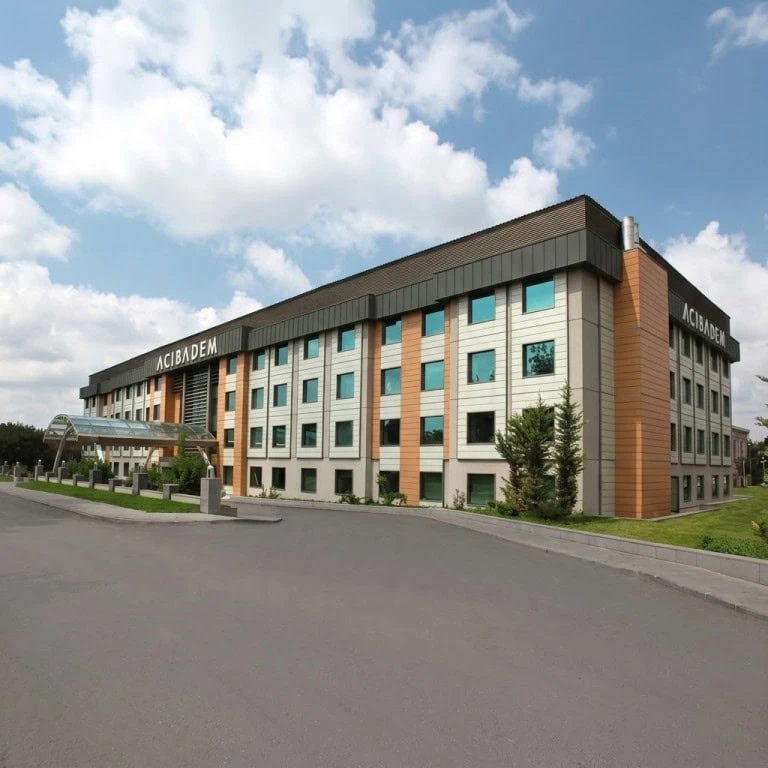
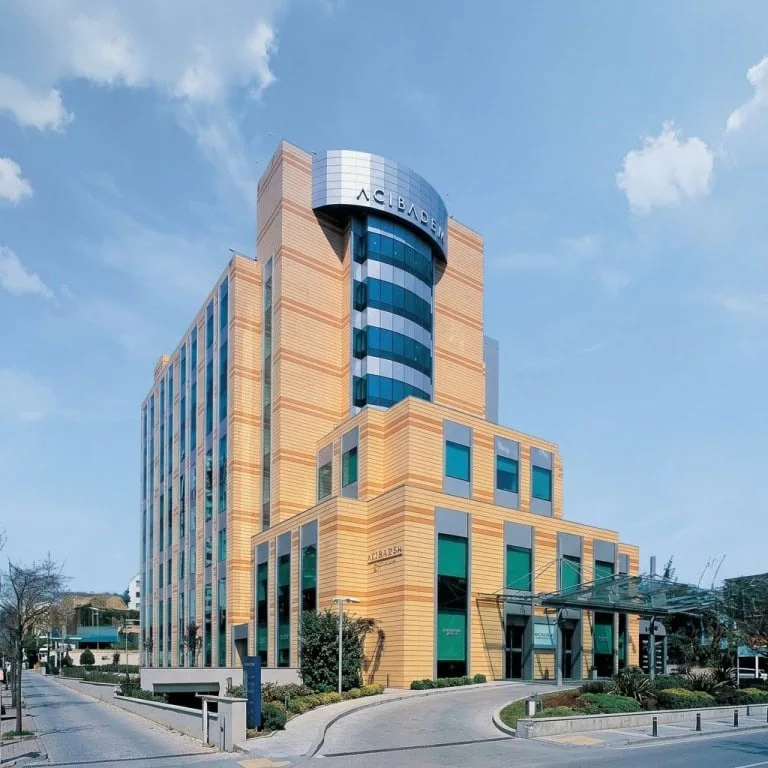
At Acibadem, stomach cancer care is built around a simple principle: the right diagnosis, the right stage and the right sequence for the individual patient. Cases are reviewed through multidisciplinary tumour boards where gastroenterologists, gastrointestinal surgeons, medical oncologists, radiation oncologists, radiologists, nuclear medicine physicians and pathologists evaluate the same clinical picture together, as part of a broader oncology and cancer treatment programme. Decisions about chemotherapy, surgery, radiotherapy and molecular treatment are not made in isolation, because in this disease the sequence matters as much as the individual components.
Diagnostic capability underpins the planning: advanced endoscopy, cross-sectional imaging, endoscopic ultrasound, PET-CT in selected cases, diagnostic laparoscopy, and detailed pathology and molecular testing. These tools answer the questions on which everything turns, is the disease localised, are lymph nodes involved, is there hidden peritoneal spread, and is the tumour likely to respond to a targeted or immune-based treatment. Treatment planning follows evidence-based international protocols, adapted to each patient’s stage, biology and overall condition, and the same multidisciplinary structure supports patients with other digestive cancers, from colon cancer to pancreatic cancer, where staging and sequencing raise similar questions.
Alongside the tumour-directed treatment itself, the same team structure covers the elements that keep patients strong enough to complete it: dietitians involved from the planning stage rather than called in after weight has already been lost, symptom and pain management, physiotherapy after surgery, and psychological support for patients and families facing a demanding diagnosis. Follow-up after treatment, clinical reviews, blood tests, imaging and endoscopy where appropriate, is scheduled as part of the plan from the beginning rather than added as an afterthought, because in stomach cancer the years after treatment need as much structure as the treatment itself.
Life After Stomach Cancer Treatment
Life after gastrectomy has a learning curve, and knowing its shape in advance helps. With a smaller stomach or none at all, meals become smaller and more frequent, often six or more a day rather than three. Some patients experience episodes of cramping, light-headedness or diarrhoea after meals in the early months, particularly after sugary foods, as the digestive system adapts to its new anatomy; dietitians help adjust meal composition and pacing until these episodes settle. Weight typically stabilises below the pre-illness baseline, and that is expected rather than alarming.
Long-term nutritional monitoring is a standing part of care. After total gastrectomy the body can no longer absorb vitamin B12 from food, so lifelong supplementation is required, and iron, calcium and vitamin D levels are checked regularly. These are manageable, predictable needs: the point of follow-up is to keep them that way.
Surveillance continues in parallel: clinical reviews, blood tests, imaging and endoscopy as appropriate to the original disease and treatment. The schedule is individual, usually closer together in the first years and then spaced out, and it also watches for the nutritional and functional issues described above, so that problems are caught while they are still small and easy to correct.
Stomach cancer care, from the first endoscopy to long-term follow-up, works best when it is built on complete information: a confirmed diagnosis, accurate staging, careful pathology and an honest statement of what treatment is trying to achieve. From that foundation, the plan, whether endoscopic treatment, surgery, chemotherapy, radiotherapy, targeted therapy, immunotherapy or supportive care, is individualised rather than automatic, and it is one you can understand and follow with confidence.
Preparation
- Preparation usually includes endoscopy with biopsy, imaging tests, blood work, and nutritional assessment. Your oncology team reviews the cancer stage, overall health, and treatment goals before planning care. If surgery is planned, fasting, medication adjustments, and anesthesia evaluation may be required.
Aftercare
- Aftercare may include wound care, nutritional support, pain control, and gradual return to daily activity after surgery. Patients receiving chemotherapy, radiotherapy, or targeted therapy are monitored for side effects and treatment response. Regular follow-up visits and imaging help detect recurrence or complications early.
Frequently Asked Questions
What affects the cost of stomach cancer treatment?
The final cost depends on cancer stage, diagnostic tests, pathology and biomarker review, treatment type, hospital stay, medication choices, surgical complexity and supportive care needs. A personalised quote can only be prepared after specialists review your medical records.
How can I get a personalised quote from Acibadem?
You can request a free consultation by sharing available reports such as endoscopy findings, biopsy results, imaging, blood tests and previous treatment notes. The international patient team can coordinate specialist review and provide an estimated care plan based on your case.
Does the quote usually include travel and interpreter support?
Many international care plans can include coordination support such as appointment scheduling, interpreter assistance, airport transfers and accommodation guidance. The exact inclusions should be confirmed in the written quotation.
Why can the cost change after arrival?
Costs may change if further staging tests reveal different disease extent, if pathology findings alter the treatment plan, or if additional procedures, medications or longer hospital care are needed. Your team should explain any recommended changes before proceeding.
Is surgery always required for stomach cancer?
Not always. Some very early cancers may be treated endoscopically, while advanced cases may require chemotherapy, targeted therapy, immunotherapy, radiotherapy or supportive care. The appropriate option is decided by a specialist team after staging and overall health assessment.
Medically reviewed by the Acıbadem International Medical Board August 30, 2026
See our medical review board →
Update history
- PublishedJune 8, 2026
- Medical review approvedAugust 30, 2026
- Last content updateSeptember 8, 2026
References3
- Gastric Cancer Treatment (PDQ) – Patient Version cancer.gov
- Stomach cancer nhs.uk
- Stomach Cancer medlineplus.gov
Trusted care for international patients
From the Acibadem Blog
Why Chemotherapy Often Surrounds Stomach Cancer Surgery: Perioperative Treatment Explained
Chemotherapy is often given both before and after stomach cancer surgery because gastric tumors are frequently found at a locally advanced stage, when cancer…
Preparing for Stomach Cancer Treatment: Nutrition Assessment and Pre-Surgery Checks
Before stomach cancer surgery, care teams typically assess nutrition by tracking recent weight loss, appetite and how much a person can actually eat, alongside…
What Recovery From Stomach Cancer Surgery Looks Like Week by Week
Recovery from stomach cancer surgery usually means one to two weeks in hospital, followed by several months of gradual rebuilding at home. The early…