

Treatment Travel During Ramadan in Turkey: Patient Guide

Treatment travel during Ramadan in Turkey is manageable with planning for fasting, appointment times, meals, transport, companions and medical advice.
If your treatment trip to Turkey falls during Ramadan, you can still travel, attend appointments and recover comfortably with a little extra planning. This guide explains what changes, what usually stays the same and how Acibadem International can help coordinate practical details around your care.
At a glance
- Best first step: Tell your coordinator your travel dates and whether Ramadan overlaps your consultation, treatment or recovery.
- Fasting and health: Ask your doctor before fasting; many patients may need modified eating, drinking or medication schedules.
- Daily rhythm: Expect busier traffic before iftar and livelier evenings, especially in Istanbul and major cities.
- Hospital services: Hospitals continue to operate, while some administrative and community services may follow holiday-adjusted schedules.
- Companion planning: Book accommodation, airport transfers and meal options early if you travel with family during Ramadan or Eid.
What Ramadan means for your treatment trip
Ramadan is a sacred month for Muslims, marked by fasting from dawn to sunset, evening meals with family and community, and a different daily pace across Turkey. For international patients, the most important message is reassuring: medical care continues during Ramadan, hospitals remain active, and treatment travel is possible with thoughtful scheduling.
You may notice that city life shifts. Mornings can be quieter, late afternoons may become busy as people prepare for iftar, and evenings can feel more vibrant than usual. Restaurants, hotel dining, pharmacies and transport services generally remain available in major cities such as Istanbul, though opening hours and traffic patterns can vary by neighborhood.
At Acibadem International, your care coordination can take Ramadan into account when arranging appointments, interpreters, airport transfers and accommodation support. The goal is to help you move through each step calmly, without having to solve every local detail on your own.
Fasting, medication and medical safety come first
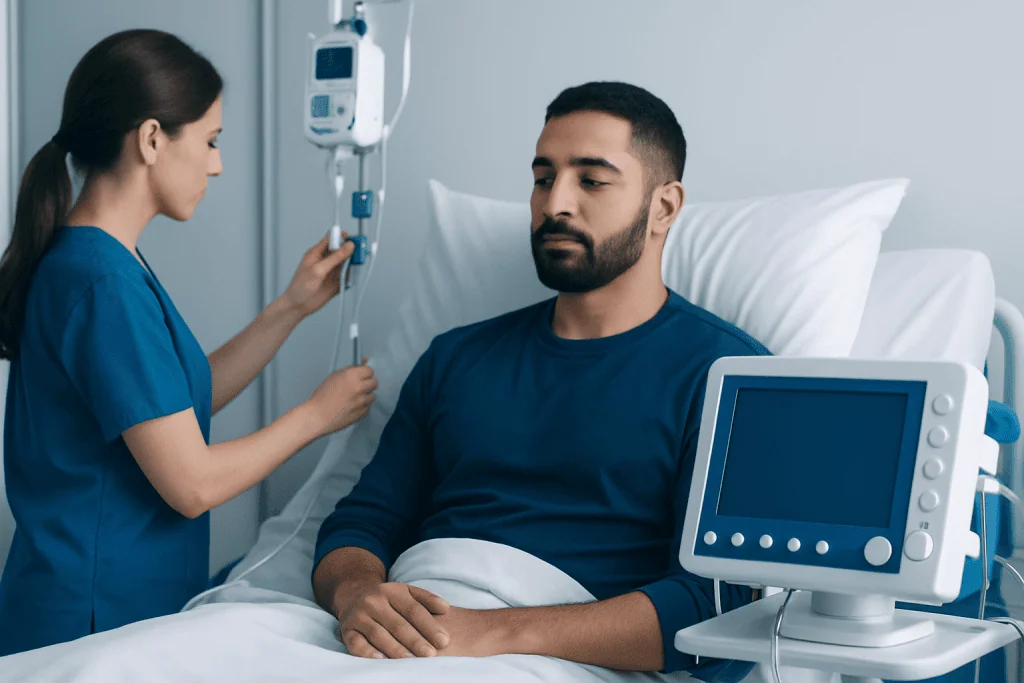
If you observe Ramadan, speak with your treating physician before deciding whether to fast during travel, testing, treatment or recovery. Some patients may be advised not to fast, or to adjust fasting based on hydration needs, medication timing, anesthesia requirements, wound healing, diabetes, pregnancy, kidney disease, heart conditions or other medical factors.
Do not change prescribed medication times, stop medication or delay meals and fluids after a procedure without medical guidance. Even if you feel well, treatment plans may depend on stable hydration, blood sugar control, antibiotics, pain relief or anticoagulant timing. Your medical team can explain what is safe for your individual situation.
If you are not fasting, you can still be respectful of local customs while eating or drinking as needed. Hospitals, hotels and many private spaces will accommodate medical needs. Your interpreter or international patient coordinator can help you ask discreetly about water, snacks or meal timing when you are outside the hospital.
Scheduling consultations, tests and procedures

When possible, share your exact arrival date, expected departure date and Ramadan preferences before your trip. This helps the team plan consultations, imaging, laboratory tests, pre-operative assessments and follow-up visits in a practical order. If you need to avoid late-day fatigue or prefer appointments after breaking the fast, say so early so the schedule can be reviewed.
Some medical appointments require fasting for clinical reasons, such as certain blood tests or anesthesia preparation. This type of medical fasting is different from religious fasting and must follow your doctor’s instructions. Ask clearly when you should stop eating or drinking, what medications you may take, and when you can resume fluids or meals.
During the final days of Ramadan and the Eid holiday period, demand for flights, hotels and road travel may increase. Hospital emergency and essential medical services continue, but some non-urgent administrative arrangements or external services may need extra lead time. Planning ahead reduces avoidable waiting and gives your coordinator more options.
Meals, hydration and recovery comfort
Food routines can be one of the biggest practical differences during Ramadan. Many restaurants in tourist and medical districts remain open during the day, while others open later or focus on iftar service. Hotels often provide breakfast and room service, and many can help with early morning suhoor or late evening meals if requested in advance.
If you are recovering after treatment, hydration and nutrition may be part of your care plan. Keep bottled water, approved snacks and any prescribed supplements available in your room, especially if you have limited mobility or need to take medication with food. Ask your care team what to avoid, particularly after anesthesia, digestive procedures or surgery.
For companions, Ramadan evenings can be a pleasant time to experience Turkish hospitality, but it is wise not to overbook your schedule. Iftar hours can create restaurant crowding and heavier traffic. If you need a quiet recovery environment, choose accommodation close to the hospital and consider in-room dining on appointment days.
Transport, airport arrival and city movement
Transport during Ramadan is generally reliable, but timing matters. Roads may be busier before sunset as people travel home for iftar, and popular areas can be crowded in the evening. If you have a hospital appointment, imaging slot or airport transfer near those hours, allow a wider time buffer than usual.
Istanbul is a large city, and travel times can vary significantly depending on traffic, weather and your hotel location. Staying near the hospital where your consultation or treatment is planned can make the experience much easier, particularly after a long flight or during early recovery. Ask whether your daily schedule is likely to require repeated hospital visits.
Acibadem International can assist with coordinated airport transfers and practical travel guidance for many international patients. If you use your own taxi or ride service, keep the hospital address, your coordinator’s contact information and your appointment details easily accessible in English and, if possible, Turkish.
Respectful travel with confidence
Turkey is used to welcoming international visitors during Ramadan, including patients who may have medical needs that differ from local customs. You do not need to feel anxious if you must drink water, take medication or eat during the day for health reasons. A calm, discreet approach is usually enough in public spaces.
Simple courtesies help: avoid eating openly in crowded traditional areas if you have another comfortable option, be patient with staff who may be fasting, and expect a short pause around iftar time in some restaurants, shops or transport services. In hospitals, patient safety and care needs remain the priority.
If your stay includes Eid al-Fitr, the celebration after Ramadan, expect a festive atmosphere, family visits, busy airports and possible changes to some business hours. For medical travelers, this simply means confirming appointments, pharmacy needs, hotel bookings and transport earlier than you might at other times of year.
Step by step
- Share your Ramadan dates and care goals. Tell your international patient coordinator when you plan to arrive, how long you can stay and whether your visit overlaps Ramadan or Eid. Include any personal fasting preferences so your schedule can be planned with medical safety and comfort in mind.
- Ask your doctor about fasting before you travel. Before changing your eating, drinking or medication routine, ask your physician what is safe for your diagnosis and treatment plan. This is especially important if you have diabetes, heart or kidney conditions, pregnancy, recent surgery or medications that must be taken at fixed times.
- Build extra time into appointment days. Plan for slower traffic before iftar and possible crowds in the evenings. If you have imaging, lab tests or consultations on the same day, keep your schedule light so you are not rushing while tired or recovering.
- Choose accommodation close to your hospital. A nearby hotel or serviced apartment can reduce stress, especially if you have early tests, limited mobility or several follow-up visits. Ask about elevator access, room service, quiet rooms, companion beds and flexible meal arrangements.
- Prepare your medication and meal routine. Bring enough medication in original packaging, plus a prescription or medical letter when possible. Keep water and approved snacks with you, and ask your care team how to handle medication timing if you are fasting.
- Confirm support for your companion. If a family member travels with you, make sure they know your appointment plan, hospital address and contact numbers. They may also need meal options during Ramadan, local transport guidance and a quiet place to rest while you attend consultations.
- Reconfirm plans before Eid. If your stay includes the holiday after Ramadan, confirm follow-up appointments, discharge paperwork, pharmacy needs and airport transfers in advance. Flights and hotels can be busier, so early coordination helps avoid last-minute pressure.
Your checklist
- Passport, visa or e-visa documents, and travel insurance information if applicable
- Medical records, recent test results, imaging files and medication list in English when possible
- Written questions about fasting, hydration, medication timing and recovery restrictions
- Your international patient coordinator’s phone number and hospital address
- Accommodation confirmation close to the hospital, with meal and mobility needs noted
- Airport transfer details with extra time allowed around iftar hours
- Comfort items for recovery, such as loose clothing, chargers, approved snacks and bottled water
- Enough prescription medication for the full trip plus extra days in case travel changes
- Companion plan, including emergency contacts and shared appointment schedule
Key takeaways
- Treatment travel during Ramadan in Turkey is common and manageable with early planning.
- Always ask your doctor before fasting or changing medication, fluid or meal schedules.
- Traffic and city routines may shift around iftar, so allow extra time for appointments and transfers.
- Hotels and hospitals in major Turkish cities are accustomed to supporting international patients during Ramadan.
- If your stay includes Eid, confirm appointments, transport, pharmacy needs and flights ahead of time.
Frequently asked questions
Can I have medical treatment in Turkey during Ramadan?
Yes, hospitals continue to provide care during Ramadan, including consultations, tests, procedures and inpatient services. Some schedules may be adjusted for practical reasons, and the Eid holiday period can be busier for travel. It is best to share your dates early so your care pathway can be organized smoothly.
Should I fast during my treatment trip?
You should only fast if your doctor confirms it is safe for your condition and treatment plan. Some patients need regular fluids, food with medication, stable blood sugar or careful recovery nutrition. Your medical team can advise whether fasting, partial fasting or postponing fasting is safest for you.
Will restaurants and hotels be open during the day?
In Istanbul and other major medical travel destinations, many hotels, cafes and restaurants continue to serve guests during the day, especially in international areas. Some local restaurants may open later or focus on iftar. If you have medical dietary needs, ask your hotel about room service, early breakfast or late meals before you arrive.
Is traffic worse during Ramadan in Istanbul?
Traffic can be heavier before sunset as people travel for iftar, and popular evening areas may become crowded. Morning and midday patterns can be different from the rest of the year. For hospital visits or airport transfers, allow extra time and consider staying close to your treatment location.
What if I need to take medication with water during fasting hours?
Follow your doctor’s instructions rather than delaying or skipping medication. Many patients have medical reasons to take water, food or medicine during the day. If you are concerned about privacy or cultural sensitivity, your coordinator or interpreter can help you manage this discreetly.
Can my companion observe Ramadan while supporting me?
In many cases, yes, but they should plan their energy, meals and rest carefully. Supporting a patient can involve early appointments, pharmacy visits, transport and waiting times. If your companion is fasting, it may help to arrange nearby accommodation, simple meals and a backup contact for busy treatment days.
How can Acibadem International help during Ramadan?
Acibadem International can help coordinate practical parts of your visit, such as appointment planning, interpreter support, airport transfers and accommodation guidance. Its JCI-accredited hospitals and international patient teams are familiar with the needs of visitors traveling during Ramadan. Your coordinator can also help you understand local timing, hospital logistics and what to confirm before Eid.
Add us as a Preferred Source to see more of our trusted health content across Google Search, AI Overviews and Discover.
More Patient Guides
How to Choose Recovery-Friendly Accommodation in Turkey After Treatment
Recovery-friendly accommodation in Turkey means a quiet, accessible, well-located stay with support for transport, meals, and follow-up visits in Istanbul or beyond.
9 min read
How to Prepare a Carry-On Bag for Treatment Travel to Turkey
Carry-on bag for treatment travel to Turkey: pack medicines, documents, comfort items, chargers, and one change of clothes for a smoother trip.
9 min read
How to Pack Medical Devices and Supplies for Treatment Travel to Turkey
How to pack medical devices for treatment travel to Turkey: carry essentials in hand luggage, bring documents, chargers, and backup supplies.
9 min read