

DEXA Bone Density Scan in Turkey: Quick Patient Guide
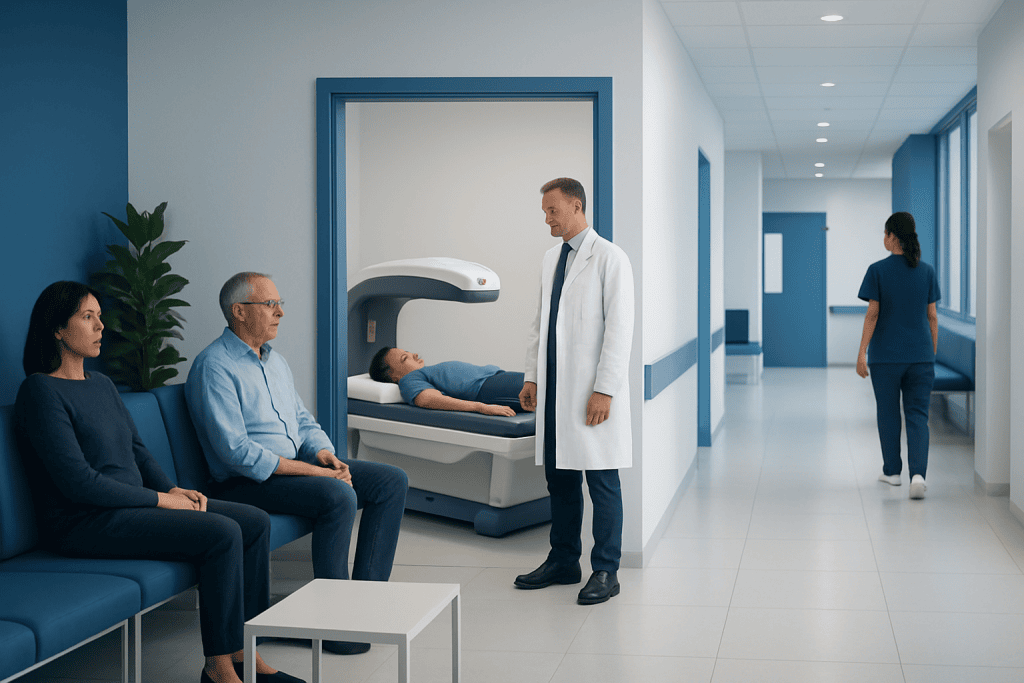
A DEXA bone density scan is a quick, low-dose X-ray test used to measure bone strength and help detect osteoporosis or fracture risk. In Turkey, Acibadem performs DEXA scanning as a simple outpatient procedure, with results reviewed by relevant specialists to guide any needed follow-up, prevention, or treatment planning.
A DEXA bone density scan is usually a short, comfortable appointment that helps your doctor understand bone strength and fracture risk. This guide explains how to plan your scan in Turkey, what to bring, what happens on the day, and how international patient support can make the process easier.
At a glance
- Typical appointment: Often completed within a short outpatient visit
- Preparation: Bring previous scans, medication list, and recent lab results if available
- Comfort level: Non-invasive imaging while lying still on a scanning table
- Travel fit: Usually suitable to schedule around other consultations or check-ups
- Support available: International coordination, interpreters, and report assistance
What a DEXA scan helps your doctor understand
A DEXA bone density scan, also called a bone mineral density test, is an imaging exam used to assess how dense or strong your bones are. It is commonly requested when your doctor wants to evaluate osteoporosis risk, monitor known low bone density, or understand whether treatment and lifestyle changes are helping over time.
For international patients, the main reassurance is that this is generally a quick outpatient test rather than a hospital stay. You usually remain awake, do not need an injection, and can return to your normal plans afterward unless your doctor gives you different advice.
Your results are interpreted in the context of your age, sex, medical history, medications, fracture history, and sometimes vitamin D or hormone-related blood tests. The scan is one piece of the picture, so it is helpful to bring older reports and any relevant medical notes with you to Turkey.
When you may be asked to have one
Your physician may recommend a DEXA scan if you have risk factors for osteoporosis or bone loss. These can include a previous low-impact fracture, menopause-related bone changes, long-term corticosteroid use, certain endocrine or digestive conditions, family history, low body weight, or monitoring after cancer, transplant, or rheumatology treatments.
A scan may also be arranged as part of a broader check-up when you are already traveling to Turkey for other consultations. At Acibadem International, international patient teams can help coordinate appointments across departments so your imaging, specialist visit, and follow-up discussion are planned with sensible timing.
If you are unsure whether a scan is appropriate, send your recent medical summary before you travel. A clinician can advise whether DEXA is relevant, whether another imaging test is needed, and whether your previous scan interval is recent enough to avoid unnecessary repeat testing.
Planning your DEXA bone density scan in Turkey
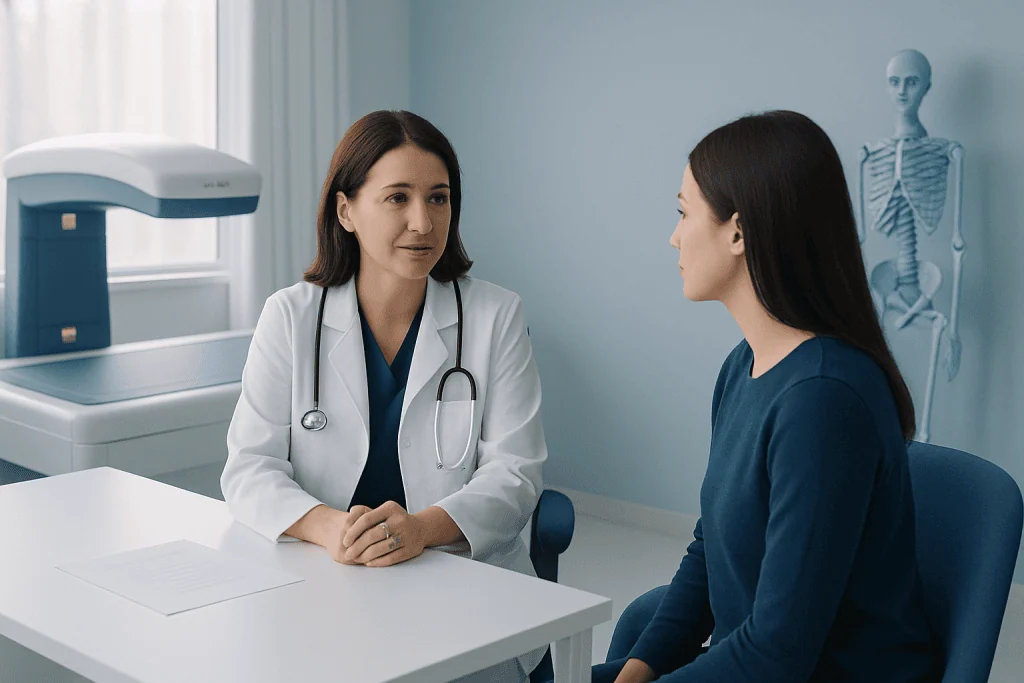
Before confirming your travel, share your age, reason for the scan, previous DEXA dates if any, current medications, and whether you are pregnant or might be pregnant. This helps the team confirm the right type of appointment and whether you should be seen by an endocrinologist, orthopedist, rheumatologist, gynecologist, or another specialist before or after imaging.
DEXA appointments are usually straightforward to schedule, but it is still wise to allow buffer time in your itinerary. International patients often combine the scan with blood tests, a physician review, or a second opinion, and these may require additional hours or another day depending on availability and report timing.
Acibadem International’s patient services can assist with appointment coordination, interpreter arrangements, airport or hotel guidance, and sharing practical instructions before your visit. If your report needs to be translated or prepared for your doctor at home, ask in advance so the format and language can be discussed.
How to prepare before the appointment
Preparation is usually simple. Wear comfortable clothing without metal around the waist or hips if possible, such as zippers, buckles, metal buttons, or underwire garments. You may be asked to change into a gown if clothing could interfere with the image.
Bring your passport or ID, appointment confirmation, previous DEXA reports and images if available, fracture or surgery notes, and a list of medications and supplements. Calcium supplements are sometimes paused before a scan depending on local instructions, so follow the guidance provided by the imaging team rather than making changes on your own.
Tell the team if you recently had imaging with contrast, a nuclear medicine test, or a barium study, as these may affect scheduling. Also mention pregnancy, possible pregnancy, severe back or hip pain, difficulty lying flat, recent hip replacement, spine surgery, or mobility limitations so staff can plan your comfort and positioning safely.
What happens on the day
When you arrive, you will check in and may complete a short form about your medical history and risk factors. An interpreter can be arranged if you need support with registration, consent, or questions, and it is always appropriate to ask staff to repeat instructions slowly.
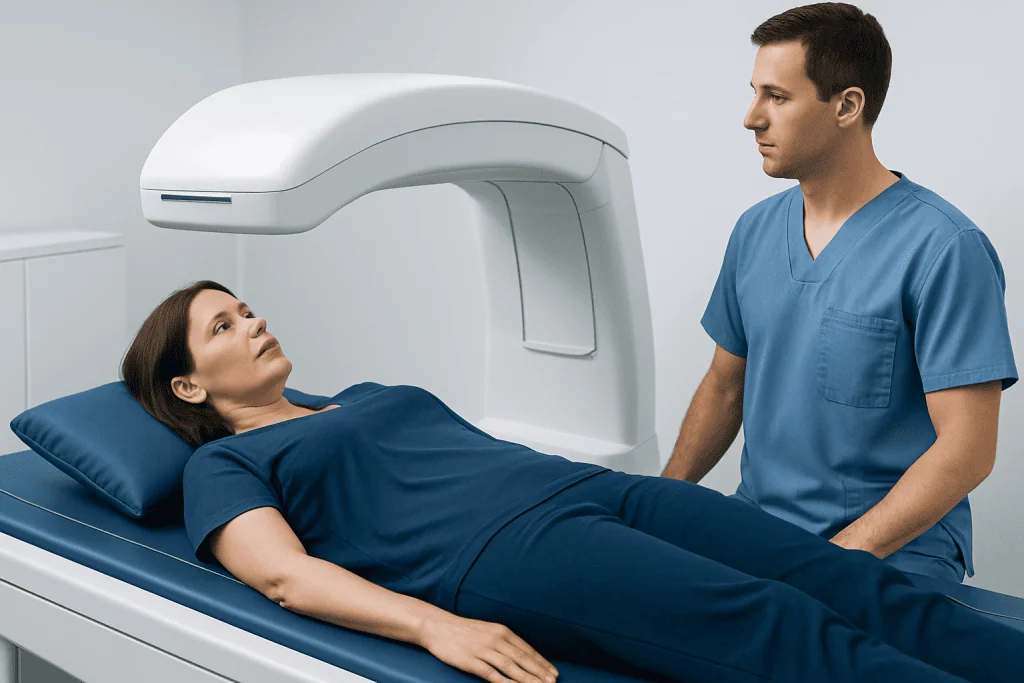
During the scan, you lie on a padded table while the scanner passes over the area being assessed, commonly the hip and lower spine. The technologist may position your legs with a support to improve image quality. The most important thing you can do is remain still and relaxed for the brief scanning periods.
The test is non-invasive and uses a low dose of radiation. Afterward, you can usually eat, walk, travel locally, and continue your day as normal unless your doctor has arranged additional tests or given you specific advice related to your wider medical condition.
Understanding your report and next steps
Your DEXA report may include measurements such as T-scores and Z-scores, along with a radiology interpretation. These numbers should be reviewed by a qualified clinician who understands your medical background, because the same score may lead to different recommendations depending on your age, fracture history, medications, and other risk factors.
Try not to make treatment decisions based only on the printed score. Your doctor may discuss nutrition, vitamin D, exercise, fall prevention, medication options, or further testing, but the right plan depends on your individual situation. If you are returning home soon, ask for a clear written summary of findings and recommended follow-up.
If Acibadem International coordinates your care, the international patient team can help you collect reports, understand where to go for your consultation, and organize digital copies where available. Before leaving Turkey, confirm how you will receive any pending results and whom to contact if your home doctor has questions.
Step by step
- Send your medical background. Share your reason for requesting a DEXA scan, previous results, fracture history, medications, and any major diagnoses before booking. This helps the team decide whether the scan should be paired with a specialist consultation or additional tests.
- Confirm timing and location. Ask for the hospital location, arrival time, estimated appointment duration, and whether you need to visit another department the same day. Build in extra time for registration, interpretation, report collection, and traffic in Istanbul.
- Follow preparation instructions. Wear comfortable clothing and avoid metal details around the scan area when possible. Do not stop prescribed medication unless your doctor specifically tells you to, and ask about calcium supplements if you receive scan-day instructions.
- Bring useful documents. Take your passport, appointment confirmation, medication list, and any previous DEXA or X-ray reports. If you have had hip or spine surgery, bring operation notes or implant information if available.
- Tell staff about special needs. Mention pregnancy possibility, mobility limitations, severe pain when lying flat, hearing or vision needs, anxiety, or language preferences. This allows the team to arrange positioning support, interpreter help, or extra time if needed.
- Review the result with a doctor. A DEXA report is most useful when discussed alongside your full health history. Ask what the results mean, whether follow-up is needed, and how the report should be shared with your physician at home.
- Collect reports before leaving. Before you return home, confirm whether your report is final, how you can access digital copies, and whether translation support is available. Save the date of the scan because future comparisons depend on knowing when and where it was performed.
Your checklist
- Passport or national ID and appointment confirmation
- Previous DEXA reports, images, or osteoporosis-related test results
- Current medication and supplement list, including calcium and vitamin D
- Notes about fractures, falls, spine surgery, hip replacement, or implants
- Comfortable clothing without metal around the waist or hips
- Information about pregnancy possibility or recent contrast imaging
- Interpreter request or companion details if you need language support
- Plan for receiving reports and sharing them with your home doctor
Key takeaways
- A DEXA bone density scan in Turkey is usually a short, non-invasive outpatient imaging appointment.
- Bring previous scans and a medication list so your doctor can compare results and understand your risk factors.
- Tell the team about pregnancy possibility, recent contrast imaging, implants, mobility needs, or difficulty lying flat.
- Your report should be interpreted by a clinician, not used alone to decide treatment.
- International patient services can help with scheduling, interpreters, logistics, and report collection.
Frequently asked questions
How long does a DEXA bone density scan usually take?
The scan itself is typically brief, and the overall visit is often completed as an outpatient appointment. You should still allow extra time for registration, changing clothes if needed, interpreter support, and any consultation arranged the same day.
Is a DEXA scan painful?
A DEXA scan is non-invasive and should not be painful. You will need to lie still on a scanning table, so tell the technologist if you have back, hip, or mobility discomfort and need help with positioning.
Can I travel after the scan?
Most patients can continue normal activities and travel locally after a DEXA scan. If you are having other tests, consultations, or treatment during the same trip, follow the advice given for those appointments as well.
Do I need a doctor’s referral for a DEXA scan in Turkey?
Requirements can vary depending on your medical situation and how the appointment is arranged. It is best to share your medical background in advance so the hospital can confirm whether a referral, specialist visit, or additional documentation is needed.
Will I receive the report in English?
International patient teams can advise what report language options are available and whether translation support can be arranged. Ask before your appointment if your home doctor needs the report in a specific format or language.
What should I do if I already had a DEXA scan recently?
Send the date and report before booking a repeat scan. Your doctor may decide that comparison with the previous result is enough for now, or may recommend repeating it if there is a clear clinical reason.
Can Acibadem International help coordinate my visit?
Yes, international patient services can help coordinate appointment timing, hospital directions, interpreter needs, and practical travel or accommodation guidance. They can also help you understand how to collect reports and plan follow-up before returning home.
Add us as a Preferred Source to see more of our trusted health content across Google Search, AI Overviews and Discover.
More Patient Guides

At Acibadem, How to Prepare for Blood Tests, Scans, and Pre-Op Checks
Blood tests, scans, and pre-op checks at Acibadem in Turkey help confirm you are ready for treatment and avoid delays on the…
8 min read
Medical Test Results in Turkey: How to Understand the Next Step in Your Plan
Medical test results in Turkey usually lead to a clear next-step plan: review findings, confirm urgency, ask for copies, and arrange follow-up…
8 min read
Blood Tests and Scans Before Treatment in Turkey: Why They May Be Repeated
Blood tests and scans before treatment in Turkey may be repeated to confirm safety, compare methods, and meet hospital standards before your…
9 min read