Peripheral Neuropathy: Numbness, Burning Pain, and Nerve Testing

Peripheral neuropathy most often affects the feet and legs first, but it can involve the hands, balance, digestion, blood pressure, or other body functions depending on the nerves affected. Common causes include diabetes, vitamin deficiencies, alcohol-related nerve injury, autoimmune disease, infections, kidney disease, thyroid problems, certain medicines, and nerve compression.
Key Takeaways
- Peripheral neuropathy most often affects the feet and legs first, but it can involve the hands, balance, digestion, blood pressure, or other body functions depending on the nerves affected.
- Common causes include diabetes, vitamin deficiencies, alcohol-related nerve injury, autoimmune disease, infections, kidney disease, thyroid problems, certain medicines, and nerve compression.
- Diagnosis may involve a neurological examination, blood tests, nerve conduction studies, electromyography, and sometimes skin biopsy or imaging.
- Treatment depends on the underlying cause and may include better blood sugar control, vitamin replacement, medication changes, pain-relieving medicines, physiotherapy, and foot care.
- Urgent medical assessment is important for sudden weakness, rapidly worsening symptoms, loss of bladder or bowel control, or neuropathy symptoms after a new injury or infection.
Peripheral neuropathy is damage or dysfunction of nerves outside the brain and spinal cord, often causing numbness, tingling, burning pain, or weakness in the feet and hands. Care focuses on finding the cause, relieving symptoms, protecting the affected areas, and preserving mobility and quality of life.
Overview
Peripheral neuropathy refers to a group of conditions in which the peripheral nerves are damaged or do not function normally. These nerves connect the brain and spinal cord to the rest of the body, including the feet, legs, hands, arms, skin, muscles, and internal organs. When they are affected, messages about touch, temperature, pain, movement, or automatic body functions may become distorted or weakened.
Many people describe peripheral neuropathy as numbness, tingling, pins and needles, burning pain, electric-shock sensations, or a feeling of walking on cotton or pebbles. Symptoms often begin in the toes and feet because the longest nerves are commonly affected first. Over time, the symptoms may move upward in a stocking-like pattern and may later involve the hands.
Peripheral neuropathy is not a single disease. It is a sign that nerves are under stress or have been injured by another condition, exposure, or process. Identifying the cause is important because some forms can improve or stabilize when the underlying problem is treated early. Even when nerve recovery is slow, symptom control, safety measures, and rehabilitation can make daily life more comfortable and safer.
Types and Symptoms
Symptoms depend on which nerve fibers are affected. Sensory nerves carry information about pain, temperature, vibration, and touch. Damage to these nerves may cause numbness, burning pain, prickling, increased sensitivity to light touch, or reduced ability to feel injuries. Some people notice that bed sheets feel painful against the feet, while others may not feel a blister, cut, or hot surface.
Motor nerves control muscle movement. When motor nerves are involved, a person may develop weakness, muscle cramps, twitching, reduced coordination, or difficulty lifting the front of the foot while walking. This can increase the risk of tripping. Long-standing neuropathy may also lead to muscle thinning in the feet or hands.
Autonomic nerves help regulate automatic functions such as sweating, digestion, heart rate, blood pressure, bladder control, and sexual function. Autonomic neuropathy can cause dizziness when standing, abnormal sweating, constipation or diarrhea, early fullness after meals, urinary problems, or erectile dysfunction. These symptoms should be discussed with a doctor because they may have several possible causes and treatments.
- Common sensory symptoms: numbness, tingling, burning, stabbing pain, sensitivity, or loss of balance.
- Common motor symptoms: weakness, cramps, clumsiness, foot drop, or difficulty with fine hand movements.
- Common autonomic symptoms: lightheadedness, sweating changes, digestive symptoms, bladder symptoms, or sexual dysfunction.
Causes and Risk Factors

Diabetes is one of the most common causes of peripheral neuropathy. Persistently high blood sugar can injure nerves and the small blood vessels that supply them. Neuropathy may also occur in people with prediabetes or metabolic syndrome, particularly when other factors such as obesity, high triglycerides, or high blood pressure are present.
Other medical causes include vitamin B12 deficiency, thyroid disease, kidney disease, liver disease, autoimmune disorders, inflammatory neuropathies, infections, and inherited nerve conditions. Certain cancer treatments, some antibiotics or antiviral medicines, and other medications can sometimes affect nerves. Alcohol overuse, exposure to toxins, and nutritional deficiencies may also contribute.
Neuropathy can be focal, meaning it affects one nerve or one area, as in carpal tunnel syndrome or nerve compression at the elbow. It can also be polyneuropathy, affecting many nerves in a more symmetrical pattern. In some people, no clear cause is found after appropriate evaluation; this is called idiopathic peripheral neuropathy. Even then, doctors may recommend monitoring because causes can become clearer over time.
- Risk factors include diabetes, older age, heavy alcohol use, vitamin deficiency, kidney disease, autoimmune disease, certain medicines, chemotherapy exposure, and family history of neuropathy.
- Repetitive movements, prolonged pressure on a nerve, previous injuries, and some occupations or hobbies may increase the risk of localized nerve compression.
Diagnosis and Nerve Testing
Diagnosis begins with a detailed medical history and neurological examination. The doctor may ask when symptoms started, whether they are symmetrical, what makes them better or worse, and whether there is pain, weakness, imbalance, or autonomic symptoms. A medication review, alcohol history, occupational exposure history, family history, and diabetes history can provide important clues.
During the examination, the doctor may test reflexes, muscle strength, coordination, walking pattern, and sensation to light touch, pinprick, vibration, and temperature. Blood tests are often used to look for treatable causes such as diabetes, vitamin B12 deficiency, thyroid disease, kidney or liver problems, inflammation, autoimmune markers, infections, or abnormal proteins in the blood. The exact test panel depends on the individual situation.
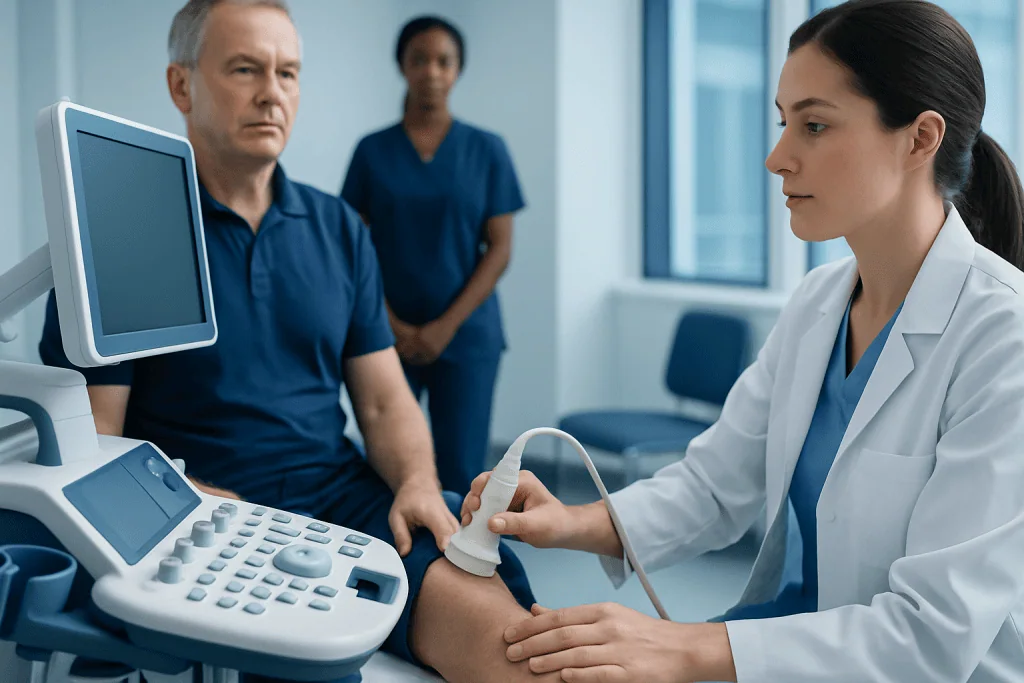
Nerve conduction studies measure how quickly and strongly electrical signals travel through nerves. Small surface electrodes are placed on the skin, and brief electrical impulses are used to stimulate a nerve. Electromyography, often called EMG, uses a very fine needle electrode to assess electrical activity in selected muscles. Together, these tests can help determine whether neuropathy affects the nerve covering, the nerve fiber itself, or a specific nerve root or muscle.
In selected cases, additional tests may be recommended. Skin biopsy can measure small nerve fiber density when symptoms suggest small fiber neuropathy and routine nerve conduction studies are normal. Autonomic testing can evaluate blood pressure, heart rate, and sweating responses. Imaging, such as MRI or ultrasound, may be used when nerve compression, spinal disease, or another structural cause is suspected.
Treatment Options
Treatment has two main goals: address the underlying cause when possible and reduce symptoms. If diabetes is the cause, a care plan may focus on safer blood sugar control, blood pressure management, cholesterol management, exercise, nutrition, and foot protection. If a vitamin deficiency is identified, supervised replacement may be recommended. If a medication is suspected to be contributing, the prescribing doctor can assess whether an alternative is appropriate.
Neuropathic pain can be different from pain caused by injury or inflammation, so standard pain relievers may not always help. Doctors may use medicines that calm overactive nerve signals, such as certain antidepressants, anti-seizure medicines, or topical treatments. The choice depends on the person’s symptoms, other medical conditions, possible side effects, and current medications. Patients should not start, stop, or combine these treatments without medical guidance.
Physiotherapy and rehabilitation can help maintain strength, flexibility, balance, and walking safety. Occupational therapy may help with hand symptoms, daily activities, and adaptive tools. For focal compression neuropathies, splints, activity modification, anti-inflammatory strategies, injections, or surgery may be considered depending on severity and duration. In inflammatory neuropathies, specialist treatments such as immune therapies may be appropriate after careful diagnosis.
Because nerves often heal slowly, improvement may take weeks to months, and sometimes symptoms may not fully disappear. A realistic treatment plan focuses on steady progress: reducing pain, improving sleep, preventing falls and injuries, and keeping the person active. Follow-up is important so the care team can adjust treatment and monitor for new signs.
Prevention and Self-care
Self-care is an important part of managing peripheral neuropathy. People with reduced sensation should check their feet daily for cuts, blisters, redness, swelling, or areas of pressure. Comfortable shoes, clean dry socks, careful nail care, and avoiding walking barefoot can reduce the risk of unnoticed injuries. Any wound that is not healing should be assessed promptly, especially in people with diabetes or circulation problems.
Healthy lifestyle habits can support nerve health. Regular physical activity, as advised by a doctor, may improve balance, circulation, strength, and blood sugar control. A balanced diet with adequate vitamins, limiting alcohol, stopping smoking, and managing chronic conditions such as diabetes, thyroid disease, kidney disease, and high blood pressure can reduce further nerve stress.
Home safety measures can help prevent falls. Good lighting, removing loose rugs, using handrails, wearing supportive footwear, and using assistive devices when recommended can make movement safer. People who have numb hands may benefit from caution with hot water, sharp tools, and kitchen equipment because burns or cuts may not be felt immediately.
- Inspect feet and skin daily, especially between the toes and on the soles.
- Use lukewarm water rather than hot water, and test temperature with a sensitive body part or thermometer.
- Keep regular appointments for diabetes care, foot care, and neurological follow-up when advised.
- Report new weakness, rapid changes, or new balance problems rather than waiting for the next routine visit.
When to See a Doctor
A person should seek medical advice for persistent numbness, burning, tingling, unexplained pain, weakness, or balance problems, especially if symptoms are spreading or affecting daily activities. Early evaluation is particularly important for people with diabetes, cancer treatment history, autoimmune disease, kidney disease, heavy alcohol use, or known vitamin deficiency.
Prompt assessment is needed if neuropathy symptoms appear suddenly, worsen quickly, occur with new weakness, affect one side of the body, or follow an infection, vaccination, injury, or new medication. Emergency care may be required for severe weakness, difficulty breathing, fainting, chest pain, sudden speech or vision changes, or loss of bladder or bowel control, as these symptoms may indicate conditions other than typical peripheral neuropathy.
Patients should also see a doctor for foot ulcers, infected cuts, skin color changes, severe swelling, or pain that prevents sleep or walking. A qualified clinician can help distinguish neuropathy from circulation problems, spinal disorders, joint disease, or other causes of limb pain. For international patients, Acibadem International’s multidisciplinary specialists and JCI-accredited hospitals provide diagnostic evaluation and treatment planning for peripheral nerve conditions.
Frequently asked questions
Can peripheral neuropathy go away?
Some forms of peripheral neuropathy can improve when the cause is found and treated early, such as vitamin deficiency, some medication-related neuropathies, or nerve compression. Neuropathy related to long-standing diabetes or other chronic conditions may improve more slowly and may not fully disappear. Treatment can still reduce pain, improve function, and help prevent complications.
What does neuropathy pain feel like?
Neuropathy pain is often described as burning, shooting, stabbing, electric, or freezing. Some people have tingling or pins and needles, while others feel numbness with sudden painful sensations. Symptoms are commonly worse at night, but patterns vary depending on the cause and nerves involved.
Are nerve conduction studies and EMG painful?
Nerve conduction studies use brief electrical impulses that can feel like quick tingles or taps. EMG uses a very fine needle electrode in selected muscles and may cause temporary discomfort similar to an injection or muscle cramp. Most people tolerate the tests well, and the information can be very helpful for diagnosis.
Why are blood tests needed for numbness and burning feet?
Blood tests can identify treatable causes of neuropathy, including diabetes, vitamin B12 deficiency, thyroid disease, kidney or liver problems, inflammation, infections, or abnormal blood proteins. Finding a cause helps doctors choose the most appropriate treatment. In some cases, repeated or additional tests are needed if symptoms change.
Is peripheral neuropathy always caused by diabetes?
No. Diabetes is a common cause, but peripheral neuropathy can also be related to vitamin deficiencies, alcohol-related nerve injury, autoimmune disease, infections, kidney disease, thyroid disease, inherited conditions, medications, toxins, or nerve compression. A medical evaluation is important because different causes require different treatment approaches.
What can be done at home to protect numb feet?
People with numb feet should inspect their feet daily, wear well-fitting shoes, avoid walking barefoot, and protect the skin from heat, cold, and pressure. Foot injuries should be cleaned and monitored carefully, and wounds that do not heal should be assessed by a clinician. Good lighting and removing trip hazards can also reduce fall risk.
References
- World Health Organization
- National Institute of Neurological Disorders and Stroke
- American Diabetes Association
- Mayo Clinic
- European Academy of Neurology
This article is for general information only and is not a substitute for professional medical advice. Please consult a qualified doctor about your individual situation.
Peripheral Neuropathy in Turkey — costs, top hospitals & a free quote
JCI-accredited · board-certified surgeons · reply within 24h
Add us as a Preferred Source to see more of our trusted health content across Google Search, AI Overviews and Discover.
Check your numbers in seconds
BMI, calories, due date, blood pressure and 30+ more clinical calculators — free, instant, doctor-reviewed ranges.

Physical Medicine & Rehabilitation
Restoring movement and function after injury, surgery or neurological conditions.
150 specialists in this unit