

Hypothyroidism: Fatigue, Weight Changes, and Thyroid Hormone Testing

Hypothyroidism can cause fatigue, weight gain, cold intolerance, constipation, dry skin, low mood, and menstrual changes, but symptoms vary widely. The main screening test is thyroid-stimulating hormone, or TSH, often combined with free thyroxine, known as free T4.
Key Takeaways
- Hypothyroidism can cause fatigue, weight gain, cold intolerance, constipation, dry skin, low mood, and menstrual changes, but symptoms vary widely.
- The main screening test is thyroid-stimulating hormone, or TSH, often combined with free thyroxine, known as free T4.
- Hashimoto’s thyroiditis is a common cause, but iodine balance, thyroid surgery, radiation, medicines, pregnancy-related thyroid changes, and pituitary disorders can also play a role.
- Treatment usually involves daily thyroid hormone replacement, with follow-up blood tests to adjust the dose safely.
- People with persistent symptoms, pregnancy, heart disease, neck swelling, or abnormal thyroid tests should consult a qualified doctor.
Hypothyroidism is a common condition in which the thyroid gland does not produce enough thyroid hormone for the body’s needs. It often develops gradually and can be identified with simple blood tests, then managed effectively with the right medical follow-up.
Overview
Hypothyroidism, also called an underactive thyroid, occurs when the thyroid gland does not make enough thyroid hormones. The thyroid is a small, butterfly-shaped gland at the front of the neck. Its hormones help regulate how the body uses energy, influencing heart rate, body temperature, digestion, skin, mood, menstrual cycles, and many other functions.
Because thyroid hormones affect many body systems, hypothyroidism can feel different from one person to another. Some people notice tiredness, weight changes, or feeling unusually cold, while others have only mild symptoms or discover the condition during routine blood testing. Symptoms often develop slowly, which can make them easy to attribute to stress, aging, sleep problems, or lifestyle changes.
The reassuring news is that hypothyroidism is usually straightforward to diagnose with blood tests and is commonly treated with thyroid hormone replacement. With appropriate monitoring, most people can return to stable thyroid hormone levels and feel well. Treatment decisions should be individualized by a qualified healthcare professional, especially in pregnancy, older age, or people with heart disease.
Symptoms of Hypothyroidism
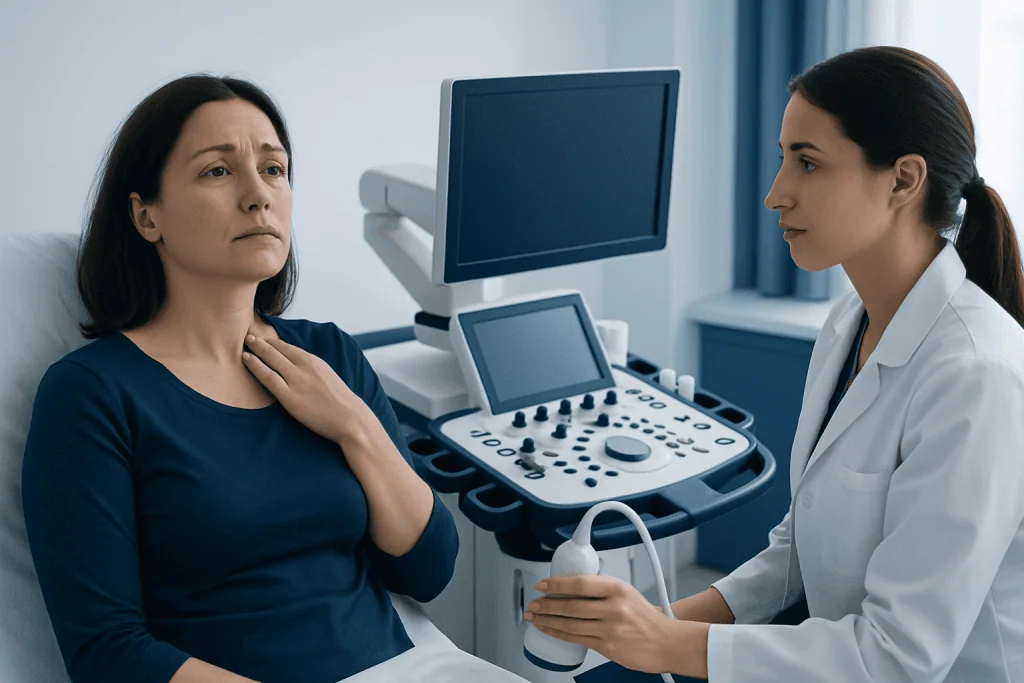
The symptoms of hypothyroidism reflect a slowing of many body processes. Fatigue is one of the most common concerns. A person may feel sleepy, low in energy, mentally slower, or less able to tolerate exercise. Weight gain may occur, but it is often modest and may be related partly to fluid retention rather than body fat alone.
Other symptoms can involve the skin, digestion, muscles, mood, and reproductive system. Dry skin, hair thinning, brittle nails, constipation, muscle cramps, joint aches, a hoarse voice, puffiness around the eyes, and feeling cold when others are comfortable may all occur. Some people notice low mood, difficulty concentrating, slower thinking, or reduced motivation.
In women, hypothyroidism can contribute to heavy or irregular menstrual periods and may affect fertility. During pregnancy, adequate thyroid hormone levels are important for both the pregnant person and the developing baby, so thyroid concerns should be assessed promptly. In infants and children, hypothyroidism may affect growth and development, requiring specialist care.
Symptoms alone cannot confirm hypothyroidism because many overlap with anemia, vitamin deficiencies, depression, sleep disorders, menopause, chronic infections, and other conditions. Blood testing is the key step in finding out whether the thyroid is part of the problem.
Causes and Risk Factors

The most common cause of hypothyroidism in many regions is Hashimoto’s thyroiditis, an autoimmune condition. In Hashimoto’s thyroiditis, the immune system mistakenly targets thyroid tissue, gradually reducing the gland’s ability to produce hormones. This process can develop over years and may run in families.
Hypothyroidism can also occur after thyroid surgery, radioactive iodine treatment, or radiation therapy to the neck area. Some medicines can affect thyroid hormone production or action, including certain treatments used for heart rhythm problems, psychiatric conditions, cancer, and immune disorders. People should not stop prescribed medication on their own, but should tell their doctor about all medicines and supplements they use.
Iodine is needed to make thyroid hormones, so both too little and, in some situations, too much iodine can affect thyroid function. Iodine intake varies by diet, region, and supplement use. Pregnancy and the months after childbirth can also be associated with thyroid changes, including temporary or long-term hypothyroidism.
Risk is higher in people with a personal or family history of thyroid disease, autoimmune conditions such as type 1 diabetes or celiac disease, previous neck treatment, or known thyroid antibodies. Older adults and women are more commonly affected, although hypothyroidism can occur in any sex and at any age.
Thyroid Hormone Testing and Diagnosis
Diagnosis usually begins with a blood test for thyroid-stimulating hormone, known as TSH. TSH is made by the pituitary gland in the brain and signals the thyroid to produce hormone. When the thyroid is underactive, the pituitary often releases more TSH to encourage thyroid hormone production, so a high TSH can be an important clue.
Doctors commonly check free T4, the circulating form of thyroxine available to body tissues. In overt hypothyroidism, TSH is typically high and free T4 is low. In subclinical hypothyroidism, TSH may be above the reference range while free T4 remains normal. The significance of subclinical hypothyroidism depends on the TSH level, symptoms, age, pregnancy status, antibodies, and other health factors.
Additional tests may be recommended in selected cases. Thyroid peroxidase antibodies can support a diagnosis of Hashimoto’s thyroiditis. Thyroid ultrasound may be used if the doctor feels a goiter or thyroid nodule, but imaging is not required for every person with abnormal thyroid blood tests. If a pituitary problem is suspected, the pattern of TSH and thyroid hormones may be different and further endocrine evaluation may be needed.
Test interpretation should always consider the person’s overall situation. Pregnancy, severe illness, certain medications, supplements such as biotin, and recent changes in thyroid treatment can influence results. For accurate interpretation, patients should tell their doctor about supplements, recent illness, and all prescription or non-prescription medicines.
Treatment Options
The standard treatment for most people with hypothyroidism is thyroid hormone replacement with levothyroxine, a synthetic form of T4. The goal is to restore thyroid hormone levels to an appropriate range and relieve symptoms. Treatment is usually taken daily and monitored with repeat blood tests, especially after starting therapy or changing the dose.
The right dose varies from person to person. Age, body weight, pregnancy status, heart health, the cause of hypothyroidism, and other medicines can all affect dosing decisions. Older adults and people with heart disease may need more cautious dose adjustments. Patients should follow their clinician’s instructions rather than changing the dose based on symptoms alone.
Levothyroxine absorption can be affected by timing, food, and other products. Calcium, iron, some acid-reducing medicines, fiber supplements, and certain foods may interfere if taken too close to thyroid medication. A healthcare professional or pharmacist can explain how to take it consistently and how to separate it from interacting products when needed.
Some people continue to feel tired even after thyroid blood tests normalize. In that situation, the doctor may look for other causes such as anemia, sleep apnea, depression, vitamin deficiencies, medication effects, or chronic inflammatory conditions. More thyroid hormone than needed is not a safe solution, because overtreatment can strain the heart and bones.
Prevention, Lifestyle, and Self-Care
Many cases of hypothyroidism, especially autoimmune hypothyroidism, cannot be fully prevented. However, good self-care can support overall health and help treatment work as intended. The most important step for someone diagnosed with hypothyroidism is consistent medication use and scheduled blood test follow-up.
A balanced diet supports thyroid and general health. Most people do not need special thyroid diets, extreme iodine intake, or unverified supplements. In fact, high-dose iodine or thyroid-support products may be harmful for some people or interfere with treatment. Patients should discuss supplements with a doctor, particularly if pregnant, breastfeeding, planning pregnancy, or taking thyroid medication.
Helpful self-care habits may include:
- Taking thyroid medicine exactly as prescribed and at a consistent time.
- Keeping follow-up appointments for TSH and free T4 testing when recommended.
- Informing healthcare providers about all medicines and supplements.
- Eating a varied diet that includes adequate protein, fiber, and micronutrients.
- Getting regular physical activity appropriate for fitness level and medical status.
- Seeking support for sleep, stress, mood, and weight concerns when needed.
Weight changes can be frustrating, but thyroid treatment is not a weight-loss medication. Once hormone levels are corrected, healthy nutrition, activity, sleep, and management of other medical issues are the safest approach to long-term weight and energy balance.
When to See a Doctor
A person should consider medical evaluation if they have persistent fatigue, unexplained weight gain, constipation, cold intolerance, dry skin, hair thinning, slowed heart rate, menstrual changes, difficulty concentrating, or swelling in the neck. These symptoms do not always mean hypothyroidism, but they are reasonable reasons to ask about thyroid testing and other appropriate checks.
People with known thyroid disease should contact their doctor if symptoms return, if they miss medication frequently, if they start or stop medicines that may affect thyroid levels, or if they become pregnant or plan pregnancy. Thyroid hormone requirements can change during pregnancy, and monitoring is especially important.
Urgent medical care is needed for severe symptoms such as confusion, marked drowsiness, very low body temperature, breathing difficulty, or significant swelling, especially in someone with untreated or long-standing hypothyroidism. These situations are uncommon but require immediate assessment.
For international patients seeking evaluation, Acibadem International’s multidisciplinary specialists and JCI-accredited hospitals can diagnose and treat thyroid conditions, including hypothyroidism, with coordinated laboratory testing and specialist follow-up. Any treatment plan should be based on an individual medical assessment and ongoing communication with the treating physician.
Frequently asked questions
What is hypothyroidism?
Hypothyroidism is a condition in which the thyroid gland does not produce enough thyroid hormone for the body’s needs. Because thyroid hormones help regulate metabolism, low levels can affect energy, temperature control, digestion, skin, mood, and heart function.
Can hypothyroidism cause fatigue and weight gain?
Yes, fatigue and weight gain are common symptoms of hypothyroidism. Weight gain is often modest and may involve fluid retention as well as metabolic changes. Since many other conditions can cause similar symptoms, blood testing is needed to confirm the diagnosis.
Which blood tests diagnose hypothyroidism?
The main test is TSH, or thyroid-stimulating hormone. Doctors often also measure free T4 to understand how much thyroid hormone is available in the blood. Thyroid antibody testing may be added when autoimmune thyroid disease is suspected.
Is hypothyroidism a lifelong condition?
It depends on the cause. Autoimmune hypothyroidism and hypothyroidism after thyroid surgery are often long-term and usually require ongoing hormone replacement. Some pregnancy-related or medication-related thyroid changes may be temporary, but follow-up testing is needed to know.
How is hypothyroidism treated?
Most people are treated with levothyroxine, a replacement form of thyroid hormone. The dose is adjusted based on symptoms, age, other medical conditions, and repeat blood tests. Patients should not change the dose without medical guidance.
Can diet cure hypothyroidism?
Diet alone usually cannot cure hypothyroidism, especially when it is caused by autoimmune thyroiditis or thyroid surgery. A balanced diet can support general health, but high-dose iodine or thyroid supplements may be unsafe for some people. Supplements should be discussed with a healthcare professional.
When should thyroid levels be rechecked?
Thyroid levels are commonly rechecked after starting treatment or changing a dose, and then periodically once levels are stable. The exact timing depends on the person’s medical situation, pregnancy status, symptoms, and the doctor’s plan.
References
- American Thyroid Association
- Endocrine Society
- National Institute of Diabetes and Digestive and Kidney Diseases
- NICE National Institute for Health and Care Excellence
- World Health Organization
This article is for general information only and is not a substitute for professional medical advice. Please consult a qualified doctor about your individual situation.
Hypothyroidism in Turkey — costs, top hospitals & a free quote
JCI-accredited · board-certified surgeons · reply within 24h
Add us as a Preferred Source to see more of our trusted health content across Google Search, AI Overviews and Discover.
Check your numbers in seconds
BMI, calories, due date, blood pressure and 30+ more clinical calculators — free, instant, doctor-reviewed ranges.

Check-up & Preventive Medicine
Comprehensive health screenings designed for early detection and prevention.
1 specialists in this unitMore from the Health Library



Related Specialists
Prof. Dr. Zehra Serpil Ustalar
Anesthesiology
Prof. Dr. Lütfi Tunç
Urology
Dr. Ümit Ege Canyurt
Acibadem Life Clinical Service
Dr. Murat Dutipek
Otorhinolaryngology