Inflammatory Bowel Disease: Crohn’s, Ulcerative Colitis, and Flares

Inflammatory Bowel Disease is not the same as irritable bowel syndrome; it involves ongoing inflammation that can damage the digestive tract. Crohn’s disease can affect any part of the digestive tract, while ulcerative colitis affects the colon and rectum.
Key Takeaways
- Inflammatory Bowel Disease is not the same as irritable bowel syndrome; it involves ongoing inflammation that can damage the digestive tract.
- Crohn’s disease can affect any part of the digestive tract, while ulcerative colitis affects the colon and rectum.
- Flares may cause diarrhea, abdominal pain, rectal bleeding, fatigue, fever, or weight loss and should be discussed with a doctor.
- Diagnosis often includes blood and stool tests, colonoscopy with biopsy, and imaging when needed.
- Treatment may involve anti-inflammatory medicines, immune-modifying therapies, biologic medicines, nutrition support, and sometimes surgery.
- A personalized care plan, medication adherence, vaccination review, and healthy lifestyle habits can help reduce complications.
Inflammatory Bowel Disease is a long-term condition in which the digestive tract becomes inflamed, most commonly as Crohn’s disease or ulcerative colitis. With accurate diagnosis, regular monitoring, and individualized treatment, many people can reduce flares and maintain daily activities.
Overview
Inflammatory Bowel Disease, often shortened to IBD, is an umbrella term for conditions that cause chronic inflammation in the digestive tract. The two main types are Crohn’s disease and ulcerative colitis. IBD is different from irritable bowel syndrome, or IBS, because IBD involves measurable inflammation and can lead to tissue injury, while IBS affects bowel function without causing visible inflammation.
IBD usually follows a pattern of remission and relapse. Remission means symptoms are mild or absent and inflammation is controlled. A flare means inflammation becomes more active, leading to new or worsening symptoms. Some flares are mild, while others require urgent medical assessment, especially if there is dehydration, persistent bleeding, severe pain, or fever.
Although IBD is a long-term condition, it is manageable for many people. Modern care focuses on controlling symptoms, healing the bowel lining when possible, preventing complications, and supporting quality of life. Treatment is individualized because the best approach depends on the type of IBD, the location and severity of inflammation, previous treatments, other medical conditions, and personal preferences.
Crohn’s Disease and Ulcerative Colitis
Crohn’s disease can affect any part of the digestive tract, from the mouth to the anus, although it most often involves the end of the small intestine and the colon. Inflammation in Crohn’s disease can extend through deeper layers of the bowel wall. This may lead to complications such as narrowing of the intestine, fistulas, abscesses, or problems with nutrient absorption.
Ulcerative colitis affects the colon and rectum. Inflammation typically starts in the rectum and may extend continuously through part or all of the colon. Symptoms often include bloody diarrhea, urgency, and cramping. Because ulcerative colitis is limited to the large bowel, surgery to remove the colon can be considered in selected severe or complicated cases, but this decision requires careful discussion with specialists.
Some people have features that do not clearly fit either Crohn’s disease or ulcerative colitis at first. Doctors may use terms such as IBD-unclassified when the pattern is unclear. Over time, repeat evaluation and follow-up may clarify the diagnosis and help guide treatment.
Symptoms and Flares

Symptoms of IBD vary widely. Common digestive symptoms include ongoing diarrhea, abdominal cramps, rectal bleeding, mucus in the stool, urgency to pass stool, and the feeling that the bowel has not fully emptied. Some people also notice bloating, nausea, reduced appetite, or unintentional weight loss.
IBD can also cause symptoms outside the digestive tract. These may include fatigue, joint pain, eye inflammation, mouth ulcers, skin changes, or liver and bile duct problems. In children and teenagers, IBD may affect growth, puberty, school attendance, and energy levels, so pediatric assessment is important when symptoms are persistent.
A flare may develop gradually or suddenly. Possible triggers include infections, missed medicines, use of certain pain relievers such as nonsteroidal anti-inflammatory drugs, smoking in Crohn’s disease, stress, or changes in treatment. However, flares can also occur without an obvious trigger, and a person should not assume they caused the flare.
- Seek medical advice if diarrhea lasts more than a few days or is associated with blood.
- Contact a doctor promptly for fever, worsening abdominal pain, repeated vomiting, dizziness, or signs of dehydration.
- People already diagnosed with IBD should follow their flare action plan and avoid stopping prescribed treatment without medical guidance.
Causes and Risk Factors
The exact cause of Inflammatory Bowel Disease is not fully understood. Current evidence suggests that IBD develops when the immune system reacts abnormally in genetically susceptible people, leading to ongoing inflammation in the gut. The intestinal microbiome, environmental exposures, and immune regulation all appear to play a role.
Family history can increase risk, but many people with IBD have no close relative with the condition. IBD can begin at any age, including childhood, but it is often diagnosed in young adults. Ethnic background, geography, and lifestyle factors may influence risk, although no single factor explains why one person develops IBD and another does not.
Smoking has different effects depending on the type of IBD. It is associated with a higher risk and worse course of Crohn’s disease, and stopping smoking is strongly recommended. The relationship between smoking and ulcerative colitis is more complex, but smoking is harmful to overall health and should not be used as a treatment strategy.
Diet and stress do not usually cause IBD by themselves, but they can affect symptoms and overall well-being. During active inflammation, certain foods may worsen diarrhea or cramping for some people. A registered dietitian or IBD care team can help identify safe, balanced adjustments without unnecessary food restriction.
Diagnosis
Diagnosing IBD involves combining symptoms, physical examination, laboratory tests, endoscopy, tissue biopsy, and imaging when needed. Blood tests may look for anemia, inflammation, nutritional deficiencies, liver tests, and signs of infection. Stool tests can help check for infection and may measure fecal calprotectin, a marker that suggests intestinal inflammation.
Colonoscopy with biopsy is a central test for suspected IBD. During colonoscopy, a doctor examines the inside of the colon and the end of the small intestine when possible. Small tissue samples are taken and reviewed under a microscope. These findings help distinguish Crohn’s disease, ulcerative colitis, infections, and other conditions that can mimic IBD.
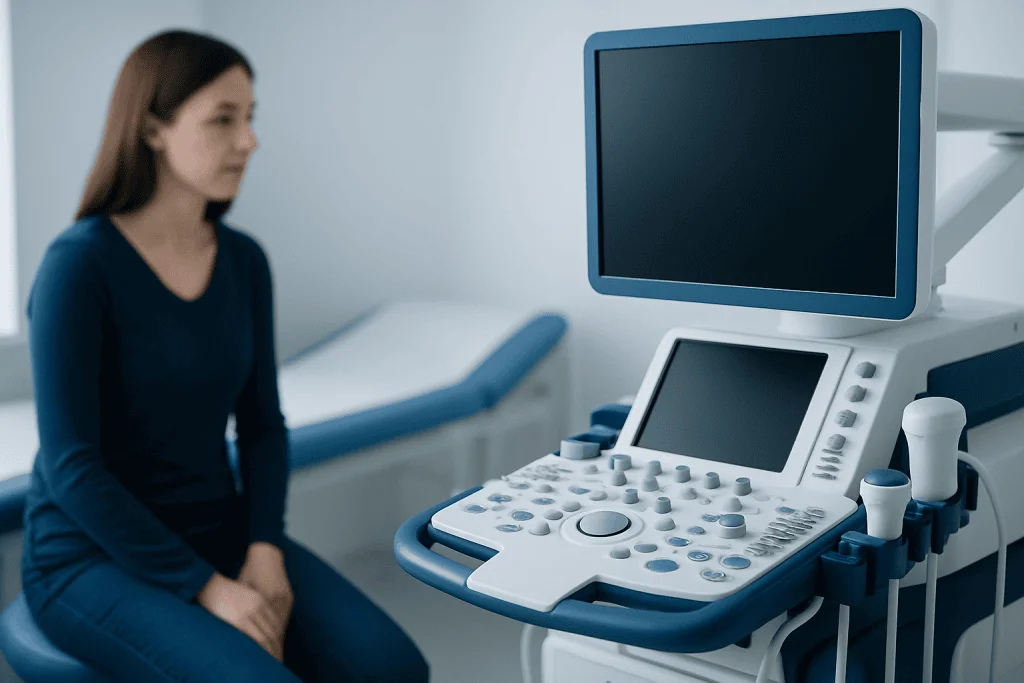
Imaging tests may be recommended when Crohn’s disease is suspected in the small intestine or when complications need to be assessed. These may include magnetic resonance enterography, computed tomography enterography, ultrasound in some centers, or other specialized tests. The choice depends on symptoms, age, pregnancy status, kidney function, and local expertise.
Doctors may also assess disease activity over time. Monitoring can include symptom questionnaires, lab tests, stool markers, endoscopy, and imaging. This helps determine whether treatment is controlling both symptoms and inflammation, because symptoms alone do not always reflect what is happening in the bowel.
Treatment Options
Treatment aims to bring inflammation under control, maintain remission, prevent complications, and reduce the need for corticosteroids over time. The plan depends on disease type, location, severity, flare history, and response to previous medicines. Shared decision-making is important because each option has benefits, monitoring needs, and possible side effects.
Medicines may include aminosalicylates, corticosteroids for short-term control of certain flares, immune-modifying drugs, biologic therapies, and targeted small-molecule medicines. Antibiotics may be used for specific complications or infections, but they are not a general long-term treatment for all IBD. Patients should not start, stop, or combine these medicines without a gastroenterologist’s guidance.
Nutrition support can be an important part of care. Some people need iron, vitamin B12, vitamin D, calcium, or other supplements if deficiencies are present. In selected cases, especially in pediatric Crohn’s disease or during severe illness, specialized nutrition therapy may be recommended. A balanced diet is encouraged, but there is no single diet that works for everyone with IBD.
Surgery may be needed if medicines do not adequately control disease or if complications occur, such as bowel obstruction, severe bleeding, perforation, abscess, fistula, or precancerous changes. Surgery is not a failure of care; for some patients it is the safest and most effective option. In Crohn’s disease, surgery can treat complications but does not eliminate the tendency for inflammation to recur. In ulcerative colitis, removal of the colon can address colonic disease, but it involves major decisions about reconstruction and long-term follow-up.
Prevention, Self-care, and Living Well
There is no guaranteed way to prevent IBD, but people diagnosed with IBD can take steps to reduce flare risk and protect long-term health. Taking medicines as prescribed is one of the most important habits, even during remission. Regular follow-up allows the care team to adjust treatment before complications develop.
Self-care includes eating a nourishing diet, drinking enough fluids, getting adequate sleep, staying physically active as tolerated, and managing stress. Stress does not mean IBD is psychological, but stress can make coping with symptoms more difficult. Counseling, mindfulness, support groups, and practical planning for work or travel may help some people feel more in control.
Vaccination review is important, especially before starting immune-suppressing medicines. Doctors may recommend screening for infections such as tuberculosis or hepatitis before certain therapies. People with IBD should also discuss bone health, skin checks, cervical screening where appropriate, and colon cancer surveillance based on disease duration, extent, and individual risk.
During a flare, it can help to keep a symptom diary that notes stool frequency, bleeding, pain, temperature, weight changes, foods that worsen symptoms, and missed medications. However, self-tracking should support medical care, not replace it. Any significant change in symptoms should be reviewed by a qualified clinician.
When to See a Doctor
A person should see a doctor if they have persistent diarrhea, blood in the stool, unexplained weight loss, ongoing abdominal pain, nighttime bowel movements, fever, or fatigue that does not improve. These symptoms do not always mean IBD, but they deserve evaluation because infections, celiac disease, colorectal conditions, and other illnesses can cause similar problems.
People already diagnosed with IBD should contact their care team if symptoms worsen, if they cannot keep fluids down, if they feel dizzy or weak, or if they develop severe abdominal pain, swelling, high fever, or heavy rectal bleeding. Urgent assessment may be needed to rule out severe inflammation, infection, obstruction, or medication-related complications.
International patients who need evaluation or ongoing care can seek assessment from experienced gastroenterology teams. Acibadem International’s multidisciplinary specialists and JCI-accredited hospitals diagnose and treat IBD for international patients, including coordination of endoscopy, imaging, laboratory testing, medical therapy, and surgical consultation when appropriate.
Frequently asked questions
Is Inflammatory Bowel Disease the same as IBS?
No. Inflammatory Bowel Disease causes chronic inflammation that can be seen on tests such as colonoscopy, biopsy, imaging, or stool markers. Irritable bowel syndrome affects bowel function and can cause pain, bloating, diarrhea, or constipation, but it does not cause the same type of tissue inflammation or bowel damage.
What is the difference between Crohn’s disease and ulcerative colitis?
Crohn’s disease can affect any part of the digestive tract and may involve deeper layers of the bowel wall. Ulcerative colitis affects the colon and rectum and usually involves the inner lining of the bowel in a continuous pattern. The difference matters because monitoring, medicines, and surgical options may vary.
What does an IBD flare feel like?
A flare may cause increased diarrhea, abdominal pain, urgency, rectal bleeding, fatigue, fever, or reduced appetite. Some people also develop joint pain, mouth ulcers, or eye symptoms. Any new or worsening symptoms should be discussed with a doctor, especially if bleeding, dehydration, or fever is present.
Can diet cure IBD?
No single diet has been proven to cure IBD. Diet can still be very important for managing symptoms, preventing deficiencies, and supporting recovery during or after a flare. Patients should avoid extreme restrictions unless supervised by a doctor or dietitian, because unnecessary limitations can increase the risk of malnutrition.
Will IBD medicines need to be taken forever?
Many people need long-term maintenance treatment to keep inflammation under control and reduce the risk of flares. The exact medicine and duration depend on the disease pattern, response to treatment, and side effects. Medication changes should always be made with a gastroenterologist, not stopped suddenly without advice.
Can people with IBD travel safely?
Many people with IBD travel successfully with planning. It is helpful to carry medicines in original packaging, keep a summary of the diagnosis and prescriptions, check vaccination needs, and know how to access medical care at the destination. People using immune-suppressing therapies should ask their doctor about infection precautions before travel.
References
- World Gastroenterology Organisation
- European Crohn’s and Colitis Organisation
- American College of Gastroenterology
- Crohn’s & Colitis Foundation
- National Institute of Diabetes and Digestive and Kidney Diseases
This article is for general information only and is not a substitute for professional medical advice. Please consult a qualified doctor about your individual situation.
Inflammatory Bowel in Turkey — costs, top hospitals & a free quote
JCI-accredited · board-certified surgeons · reply within 24h
Add us as a Preferred Source to see more of our trusted health content across Google Search, AI Overviews and Discover.

Gastroenterology
Diagnosis and treatment of the digestive system and liver, with advanced endoscopy.
43 specialists in this unit