COVID-19: Symptoms, Testing, Isolation, and When to Seek Care

COVID-19 symptoms may include fever, cough, sore throat, fatigue, body aches, loss of smell or taste, stomach symptoms, and shortness of breath. Testing is most useful when symptoms are present or after close exposure, and a negative rapid antigen test may need repeating if suspicion remains high.
Key Takeaways
- COVID-19 symptoms may include fever, cough, sore throat, fatigue, body aches, loss of smell or taste, stomach symptoms, and shortness of breath.
- Testing is most useful when symptoms are present or after close exposure, and a negative rapid antigen test may need repeating if suspicion remains high.
- People with COVID-19 should stay away from others while they are feverish or feeling worse, then continue precautions as symptoms improve according to local guidance.
- Older adults, pregnant people, and those with chronic medical conditions or weakened immunity should contact a doctor early because treatments work best soon after symptoms begin.
- Emergency care is needed for severe breathing difficulty, chest pain, confusion, bluish lips or face, fainting, or symptoms that rapidly worsen.
COVID-19 is an infectious respiratory illness caused by the SARS-CoV-2 virus, with symptoms ranging from mild cold-like illness to more serious breathing problems. Understanding testing, isolation, self-care, and warning signs helps people protect themselves and others while seeking timely medical support when needed.
Overview
COVID-19 is an infection caused by SARS-CoV-2, a coronavirus that mainly spreads through respiratory droplets and tiny airborne particles released when an infected person breathes, talks, coughs, or sneezes. It most often affects the nose, throat, and lungs, but it can also involve other body systems. Many people recover at home, while some, especially those at higher risk, may need medical assessment or hospital care.
The illness can look different from person to person. Some people have no symptoms, some develop a mild cold-like illness, and others develop pneumonia or worsening breathing problems. The virus has changed over time, and circulating variants may influence which symptoms are most common, but the basic prevention and care principles remain similar.
COVID-19 is now managed with a combination of vaccination, testing when appropriate, staying home when contagious, supportive care, and early treatment for people at higher risk of severe disease. Because recommendations may vary by country and may change as new evidence appears, people should follow local public health guidance and consult a qualified healthcare professional for personal advice.
Common Symptoms of COVID-19
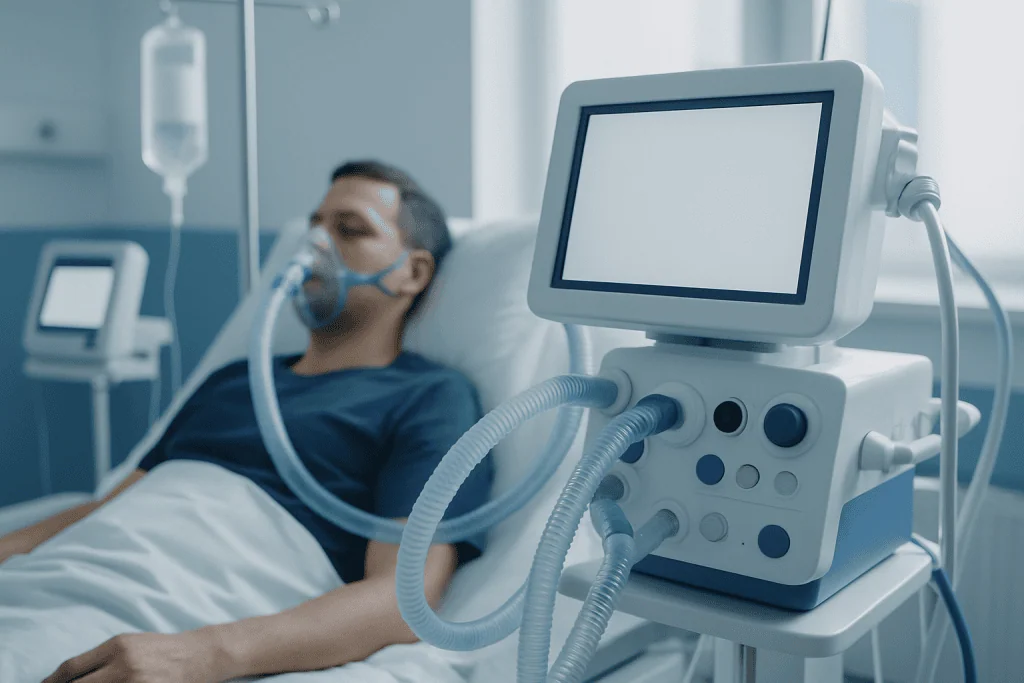
COVID-19 symptoms usually appear a few days after exposure, but the timing can vary. Symptoms may begin gradually or come on suddenly. In many cases, the illness feels similar to a cold or flu, which is why testing can be helpful when a diagnosis is uncertain or when contact with vulnerable people is possible.
Common symptoms include:
- Fever or chills
- Cough, sore throat, runny nose, or nasal congestion
- Fatigue, headache, muscle aches, or body aches
- Shortness of breath or chest tightness
- Loss or change in smell or taste
- Nausea, vomiting, diarrhea, or reduced appetite
Children may have mild respiratory symptoms, fever, stomach symptoms, or no symptoms at all. Older adults may sometimes present less typically, with weakness, dizziness, reduced appetite, confusion, or a decline in usual activity. Anyone whose symptoms are worsening rather than improving should seek medical advice, even if symptoms started mildly.
How COVID-19 Spreads and Who Is at Higher Risk
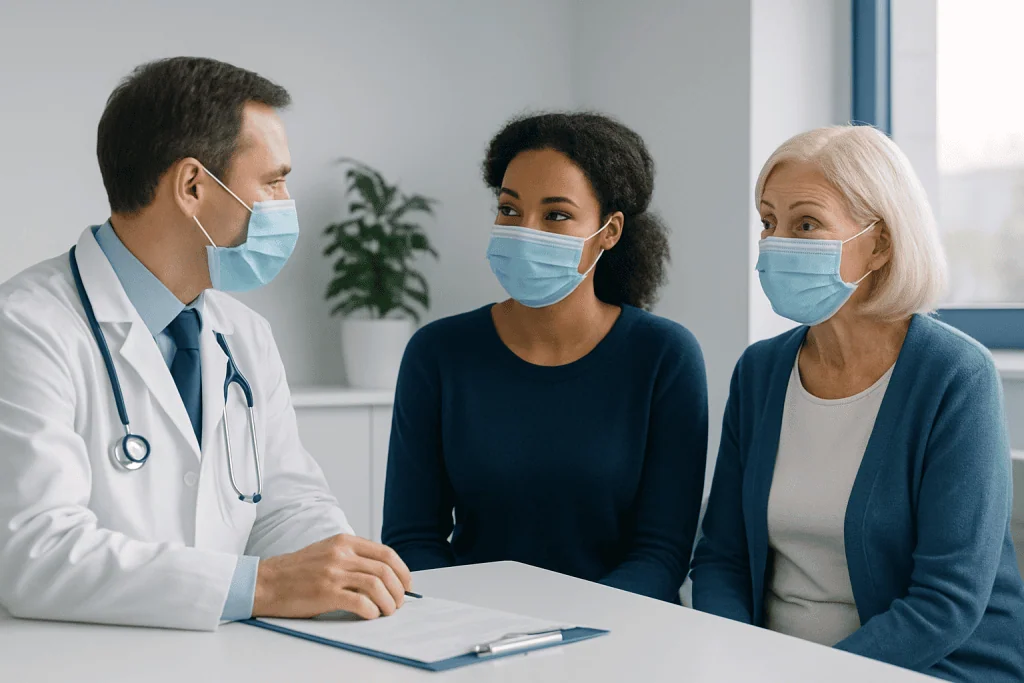
COVID-19 spreads most easily in indoor, crowded, or poorly ventilated settings, especially when people are close together for a prolonged time. Infection can also occur before a person knows they are sick, because contagiousness may begin before symptoms appear. Wearing a well-fitting mask in higher-risk situations, improving ventilation, and staying home when unwell can reduce spread.
Anyone can become infected, but some people have a higher chance of severe illness. Risk increases with older age, and it is also higher in people with certain medical conditions such as chronic lung disease, heart disease, diabetes, kidney disease, cancer, obesity, or conditions that weaken the immune system. Pregnancy can also increase the risk of complications, so pregnant people should contact their healthcare provider if they suspect COVID-19.
Risk is not only determined by health status. Vaccination status, recent infection history, access to care, living environment, and exposure level also matter. People who live with or care for someone at high risk should take extra care when symptoms develop, even if their own illness feels mild.
Testing: When and How to Test
COVID-19 testing can confirm infection, guide decisions about staying away from others, and help doctors decide whether treatment is appropriate. Testing is especially useful when symptoms are present, after close contact with someone who has COVID-19, before visiting a high-risk person, or before certain medical procedures or travel requirements.
The two main types of tests are rapid antigen tests and molecular tests such as PCR. Rapid antigen tests can be done at home or in a clinic and provide results quickly, but they are more likely to miss infection early in the illness or when the amount of virus is low. PCR and other molecular tests are generally more sensitive and are often used when a more reliable result is needed, although results may take longer depending on the setting.
If a rapid antigen test is positive, it usually indicates current infection. If it is negative but symptoms suggest COVID-19, repeating the test after a short interval or having a molecular test may be recommended. A healthcare professional can advise on the best testing approach for people at higher risk, people with persistent symptoms, or those who need documentation for work, school, travel, or medical care.
Isolation and Protecting Others
People who have COVID-19 or symptoms of a respiratory infection should reduce contact with others, especially during the early period of illness when transmission risk is often higher. In general, it is safer to stay home while fever is present, symptoms are worsening, or the person feels too unwell for normal activities. Public health guidance on the exact duration of isolation may differ by location, so local instructions should be followed.
After symptoms begin improving and fever has resolved without fever-reducing medicine, many guidelines recommend continuing extra precautions for several more days. These precautions may include wearing a well-fitting mask around others, improving ventilation, avoiding close contact with older adults or immunocompromised people, washing hands often, and avoiding crowded indoor spaces when possible.
Within the household, practical steps can help reduce spread. The infected person can stay in a separate room if available, use a separate bathroom if possible, avoid sharing cups and utensils, and clean frequently touched surfaces. Caregivers should consider masks and hand hygiene, particularly when assisting someone who is at risk of complications or when the home includes vulnerable family members.
Treatment Options and Home Care
Most people with mild COVID-19 recover with rest, fluids, and symptom relief. Fever, sore throat, congestion, and body aches can often be managed with commonly used over-the-counter medicines when they are safe for that person. People should follow product instructions and ask a doctor or pharmacist if they have liver disease, kidney disease, stomach ulcers, blood-thinning medication use, pregnancy, or other medical concerns.
For people at higher risk of severe illness, doctors may consider antiviral treatment or other therapies. These treatments are most effective when started early, so high-risk individuals should contact a healthcare professional soon after symptoms begin or after a positive test. Treatment choice depends on age, pregnancy status, kidney and liver function, medication interactions, immune status, and local availability.
Hospital care may be needed if COVID-19 causes low oxygen levels, pneumonia, dehydration, severe weakness, or complications involving the heart, lungs, blood clotting, or other organs. In hospital, treatment may include oxygen support, careful monitoring, imaging or laboratory tests, and medicines selected for the patient’s condition. Antibiotics do not treat the virus itself, but they may be used if a bacterial infection is suspected.
Prevention, Recovery, and When to See a Doctor
Prevention is based on reducing exposure and strengthening protection. Vaccination helps lower the risk of severe disease and is especially important for older adults and people with underlying medical conditions. Additional preventive steps include staying home when sick, using masks in higher-risk situations, improving indoor ventilation, washing hands, and covering coughs and sneezes.
Recovery time varies. Many people improve within days to a couple of weeks, while others feel tired, short of breath, or mentally foggy for longer. Symptoms that continue or return after the initial infection may be part of a post-COVID condition, sometimes called long COVID, and should be discussed with a healthcare professional if they affect daily life, work, sleep, exercise tolerance, or mental well-being.
A doctor should be contacted promptly if symptoms are worsening, fever persists, breathing becomes difficult, dehydration develops, or the person is at higher risk for severe disease. Emergency care is needed for severe shortness of breath, chest pain or pressure, new confusion, fainting, bluish or gray lips or face, inability to stay awake, or any symptom that feels life-threatening. Acibadem International’s multidisciplinary specialists and JCI-accredited hospitals can diagnose and treat COVID-19 and related complications for international patients when medical care away from home is needed.
Frequently asked questions
How do COVID-19 symptoms differ from a cold or flu?
COVID-19, colds, and flu can all cause cough, sore throat, fever, fatigue, and body aches, so symptoms alone may not clearly identify the infection. Loss or change in smell or taste can occur with COVID-19, but it is not present in everyone. Testing is the most reliable way to confirm COVID-19 when the diagnosis matters for treatment, isolation, work, travel, or protecting others.
When should someone test for COVID-19?
Testing is reasonable when symptoms of a respiratory infection appear, after close exposure to someone with COVID-19, or before contact with a person at high risk of severe illness. A rapid antigen test may be negative early, so repeating it or using a molecular test may be advised if symptoms continue. People at higher risk should contact a doctor early because treatment decisions may depend on timely testing.
What should a person do after a positive COVID-19 test?
A person with a positive test should stay away from others while feeling ill and follow local isolation guidance. They should rest, drink fluids, monitor symptoms, and avoid close contact with older adults, immunocompromised people, and others at high risk. Medical advice is important if symptoms worsen or if the person may be eligible for early treatment.
Can COVID-19 be treated at home?
Many mild cases can be managed at home with rest, fluids, and appropriate symptom relief. However, people at higher risk of severe disease should not wait until symptoms become severe before seeking advice, because antiviral treatments work best early. Difficulty breathing, chest pain, confusion, fainting, or bluish lips or face require urgent medical care.
How long is someone contagious with COVID-19?
Contagiousness is often highest around the first days of illness, but it can vary depending on the person, symptoms, immune status, and test results. People should avoid close contact with others while they have fever or worsening symptoms and continue precautions as recommended by local health authorities. Those who are immunocompromised may remain contagious longer and should ask a doctor for individualized guidance.
What is long COVID?
Long COVID refers to symptoms that persist, return, or newly appear after the initial infection, lasting weeks or months in some people. Symptoms can include fatigue, shortness of breath, brain fog, sleep problems, dizziness, chest discomfort, or reduced exercise tolerance. Anyone with ongoing symptoms that interfere with daily life should discuss evaluation and recovery planning with a healthcare professional.
References
- World Health Organization
- Centers for Disease Control and Prevention
- European Centre for Disease Prevention and Control
- National Institutes of Health
- Infectious Diseases Society of America
This article is for general information only and is not a substitute for professional medical advice. Please consult a qualified doctor about your individual situation.
Explore treatments in Turkey — costs, top hospitals & a free quote
JCI-accredited · board-certified surgeons · reply within 24h
Add us as a Preferred Source to see more of our trusted health content across Google Search, AI Overviews and Discover.