Medication Overuse Headache: When Pain Relievers Make Migraines Worse

Medication overuse headache is usually linked to frequent use of acute headache medicines over several months. It can affect people with migraine, tension-type headache, or other primary headache disorders.
Key Takeaways
- Medication overuse headache is usually linked to frequent use of acute headache medicines over several months.
- It can affect people with migraine, tension-type headache, or other primary headache disorders.
- Common triggers include combination pain relievers, triptans, opioids, ergot medicines, and frequent use of simple analgesics.
- Treatment focuses on reducing the overused medicine, starting or adjusting preventive care, and building a safer rescue plan.
- A sudden change in headache pattern or neurological symptoms should be assessed promptly by a doctor.
Medication overuse headache can occur when medicines taken for migraine or other headaches are used too frequently, making headaches happen more often and respond less well over time. With a careful plan, most people can reduce overuse safely and improve long-term headache control.
Overview
Medication overuse headache, sometimes called rebound headache, is a common and treatable reason why migraine or other headaches become more frequent. It develops when medicines intended to stop headache attacks are used too often. Instead of giving reliable relief, the brain and pain pathways may become more sensitive, and headaches may begin to occur on most days.
This condition usually appears in people who already have a headache disorder, especially migraine. A person may start by taking pain relievers appropriately for occasional attacks. Over time, as headaches become more frequent, medicine use may also increase. This cycle can lead to more headaches, more medication, and less predictable relief.
Medication overuse headache does not mean that a person has done something wrong. It often reflects the difficult nature of uncontrolled migraine and the understandable need to keep functioning at work, school, or home. The good news is that, with medical guidance, the cycle can often be reversed and long-term headache control can improve.
How Medication Overuse Headache Develops
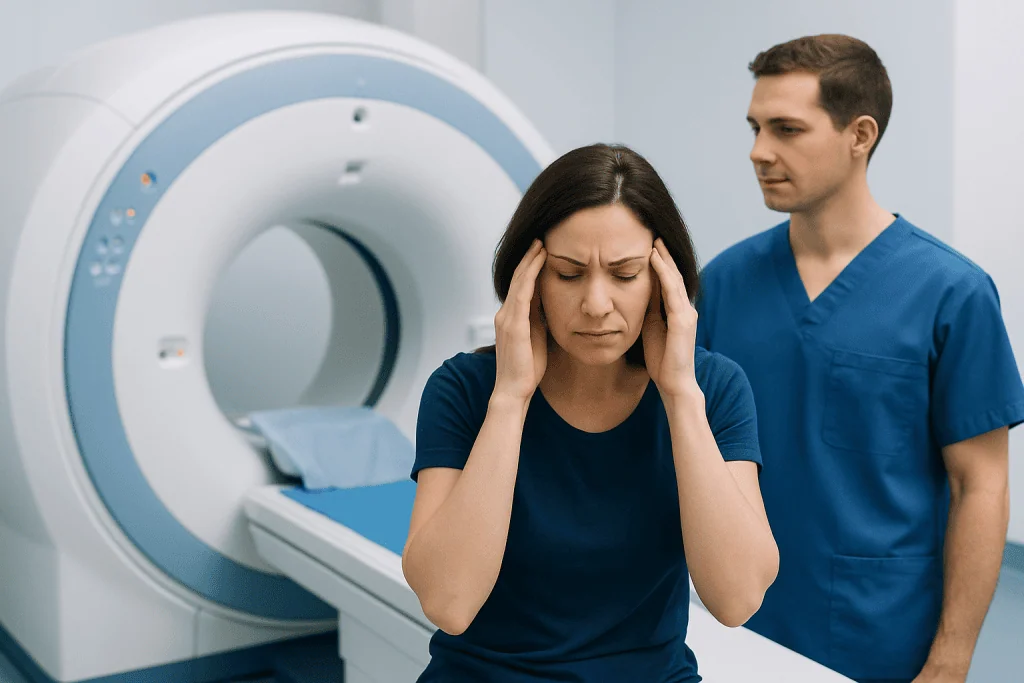
Acute headache medicines are designed to be used when an attack starts. These include over-the-counter pain relievers, migraine-specific medicines, and some prescription pain medicines. When used frequently for weeks to months, they may change how the nervous system processes pain. The result can be a lower threshold for headache and a higher chance of daily or near-daily symptoms.
Doctors often consider medication overuse headache when headache occurs on 15 or more days per month in a person with a pre-existing headache disorder, together with regular overuse of acute medication for more than three months. The exact number of days considered overuse depends on the type of medicine. For example, triptans, ergot medicines, opioids, and combination pain relievers are generally considered higher risk when used on 10 or more days per month. Simple pain relievers such as paracetamol or non-steroidal anti-inflammatory drugs may be linked to overuse when used on 15 or more days per month.
Not everyone who uses these medicines frequently develops medication overuse headache, and the condition is not simply a matter of taking tablets. Genetics, migraine severity, stress, sleep disruption, anxiety, depression, caffeine intake, and other pain conditions may all contribute. A specialist in headache medicine can help identify the pattern and create a plan that fits the individual safely.
Symptoms and Warning Patterns

The main symptom is a headache that becomes frequent, often daily or nearly daily. Many people notice that they wake with a headache, take medicine, feel better for a short time, and then develop pain again later in the day. The headache may feel like the person’s usual migraine, a dull pressure, a tight band, or a mixed pattern that changes from day to day.
Medication overuse headache may also make migraine symptoms harder to control. Nausea, light sensitivity, sound sensitivity, neck discomfort, difficulty concentrating, and fatigue may become more persistent. Some people describe feeling as though their medicines are no longer working as well, or that they need to take them earlier and more often to get the same effect.
Common warning patterns include:
- Using acute headache medicine on many days each week.
- Needing rescue medicine soon after waking.
- Headaches returning as soon as the medicine wears off.
- Carrying multiple pain relievers and feeling anxious without them.
- Increasing use of caffeine-containing pain relievers or combination products.
These patterns are useful clues, but they are not a diagnosis on their own. Other causes of frequent headache can look similar, so a medical assessment is important, especially when symptoms are new, changing, or affecting daily life.
Medicines Most Often Involved
Medication overuse headache can be linked to several types of acute headache treatments. Combination pain relievers, especially those containing caffeine, codeine, or other sedating ingredients, are common contributors. Opioid medicines and barbiturate-containing products are also associated with a higher risk and may require a more cautious, supervised withdrawal plan.
Migraine-specific medicines such as triptans and ergot derivatives can also contribute when used too often, even though they are appropriate and effective when used within recommended limits. Simple analgesics, including paracetamol and non-steroidal anti-inflammatory drugs, can be involved when taken very frequently. In some people, alternating between several medicines still counts as overuse because the total number of treatment days remains high.
The goal is not to avoid all pain treatment. Rather, the aim is to use acute medicines strategically and safely while strengthening preventive care. People living with recurrent migraine often need both a rescue plan for attacks and a prevention plan to reduce how often attacks occur.
Diagnosis
Diagnosis begins with a careful history. The doctor will ask how many days per month headaches occur, which medicines are used, how often they are taken, whether caffeine is included, and how long the pattern has been present. A headache diary is one of the most useful tools because it shows the relationship between headache days, medicine days, menstrual cycles, sleep, stress, food patterns, and other triggers.
A neurological examination is usually performed to check vision, eye movements, strength, sensation, coordination, reflexes, and balance. In many people with a long history of typical migraine and a normal examination, imaging is not always necessary. However, the doctor may recommend blood tests or brain imaging if the headache pattern is unusual, if there are neurological symptoms, or if another medical condition needs to be ruled out.
Diagnosis also includes looking for factors that can keep the cycle going. These may include poor sleep, frequent caffeine use, anxiety, depression, high stress, neck pain, sinus or dental problems, and other chronic pain conditions. Treating these contributors can make recovery more successful and reduce the chance of relapse.
Treatment Options
Treatment usually focuses on stopping or reducing the overused medicine, improving prevention, and creating a safer approach for future attacks. For many non-opioid medicines, a doctor may recommend stopping the overused medicine abruptly or reducing it over a short period. For opioids, barbiturates, benzodiazepines, or medicines used at high doses, tapering may be safer and should be supervised by a clinician.
During the first days or weeks, headaches may temporarily feel worse before they improve. This is expected for some patients and can be managed with support. Doctors may use short-term bridge strategies, such as limited alternative medicines, anti-nausea treatment, hydration advice, sleep support, or carefully selected anti-inflammatory treatment. The exact plan depends on the person’s health history and which medication was overused.
Preventive treatment is often important. Options may include lifestyle changes, oral preventive medicines, injectable treatments, nerve blocks, behavioral therapies, or other approaches depending on the headache type and severity. Preventive care aims to reduce attack frequency, make attacks easier to treat, and reduce the need for rescue medicine. Patients with complex or persistent headaches may benefit from coordinated neurological care, and some may be evaluated for advanced options through neuromodulation or related headache services when appropriate.
Education is part of treatment. Many patients are given a clear monthly limit for acute medicine use, a step-by-step rescue plan, and follow-up appointments to adjust therapy. Recovery is not always immediate, but many people notice gradual improvement in headache frequency and medication effectiveness after the overuse pattern is addressed.
Prevention and Self-care
Prevention starts with tracking. A simple diary can record headache days, medicine days, pain severity, triggers, menstrual cycle, sleep, meals, caffeine, and stress. This helps the doctor see whether acute medicines are being used too often and whether preventive treatment is working. Many people are surprised to find that small patterns become clear after just a few weeks of tracking.
Most headache specialists recommend limiting acute headache medicines to a set number of days per month, depending on the medicine type and the person’s diagnosis. Patients should follow their doctor’s specific plan, because some medicines carry more risk than others. It is also helpful to avoid taking pain relievers “just in case” and to be cautious with combination products that contain caffeine or opioid ingredients.
Healthy routines can support medical treatment. Regular sleep and wake times, consistent meals, hydration, gentle physical activity, stress-management techniques, and reducing excessive caffeine can all help stabilize the nervous system. These measures do not replace medical care, but they can reduce the number of triggers that push a person toward frequent rescue medication use.
Patients should not stop prescribed medicines suddenly without medical advice, especially opioids, sedatives, or medicines used for other health conditions. A safe plan is individualized. Acibadem International’s multidisciplinary specialists and JCI-accredited hospitals can diagnose and treat headache disorders for international patients, including cases where medication overuse is suspected.
When to See a Doctor
A doctor should be consulted when headaches occur on more than a few days each week, when pain relievers are needed frequently, or when a person feels unable to function without headache medicine. Early medical advice can prevent the cycle from becoming more difficult to break and can identify whether migraine prevention should be started or adjusted.
Prompt medical assessment is also important if a headache is sudden and severe, follows a head injury, occurs with fever or stiff neck, or is accompanied by weakness, confusion, fainting, seizure, vision loss, trouble speaking, or new numbness. A new headache after age 50, headache during pregnancy or after delivery, or headache in a person with cancer, immune suppression, or a serious infection also deserves timely evaluation.
People who have tried to reduce medicines but developed severe withdrawal symptoms, uncontrolled vomiting, worsening mood, or inability to sleep should seek help rather than trying to manage alone. Medication overuse headache is treatable, and a structured plan can make the process safer and more manageable.
Frequently asked questions
What is medication overuse headache?
Medication overuse headache is a headache pattern that develops when acute headache medicines are used too often over time. It usually occurs in people who already have migraine or another headache disorder. The headaches become more frequent, and medicines may give only short-lived relief.
How many pain reliever days are too many?
The limit depends on the medicine. Triptans, ergot medicines, opioids, and combination pain relievers may cause concern when used on 10 or more days per month, while simple pain relievers may become a concern around 15 or more days per month. A doctor can provide a safe personal limit based on the medicine and diagnosis.
Can over-the-counter medicines cause rebound headaches?
Yes. Over-the-counter medicines such as paracetamol, ibuprofen, aspirin, and combination products can contribute when used very frequently. Products that include caffeine or multiple pain-relieving ingredients may be especially important to review with a clinician.
Will headaches get worse when the overused medicine is stopped?
Some people have a temporary increase in headache, nausea, sleep difficulty, or restlessness during the first days or weeks after stopping or reducing an overused medicine. This does not happen to everyone, and doctors can offer strategies to make the transition more comfortable. Medical supervision is especially important for opioids, barbiturates, and sedatives.
Is medication overuse headache the same as addiction?
No. Medication overuse headache describes a biological headache cycle related to frequent acute medicine use. It can happen even when medicines are taken exactly to relieve pain, not to feel intoxicated or euphoric. Some medicines can also cause dependence, so the treatment plan should be individualized.
Can migraine preventives help medication overuse headache?
Yes. Preventive treatment is often a key part of care because it reduces the number of attacks and the need for rescue medicine. Preventives may include lifestyle measures, tablets, injections, procedures, or behavioral therapies depending on the patient’s needs. The best choice should be discussed with a qualified doctor.
Can medication overuse headache come back?
It can return if acute medicines gradually become frequent again. A headache diary, regular follow-up, clear monthly medicine limits, and an effective migraine prevention plan can lower this risk. Patients should seek advice early if they notice medicine use increasing again.
References
- International Headache Society
- American Migraine Foundation
- National Institute for Health and Care Excellence
- Mayo Clinic
- World Health Organization
This article is for general information only and is not a substitute for professional medical advice. Please consult a qualified doctor about your individual situation.
Migraine in Turkey — costs, top hospitals & a free quote
JCI-accredited · board-certified surgeons · reply within 24h

Related Treatments
Related Conditions
More from the Health Library



Related Specialists

Prof. Dr. Ayşe Sağduyu Kocaman
Neurology
Prof. Dr. Mehmet Zafer Berkman
Neurosurgery
Prof. Dr. Pınar Yalınay Dikmen
Neurology
Prof. Dr. Elif Ilgaz Aydınlar
Neurology