

Radiotherapy in Turkey: Daily Session and Skin Care Checklist
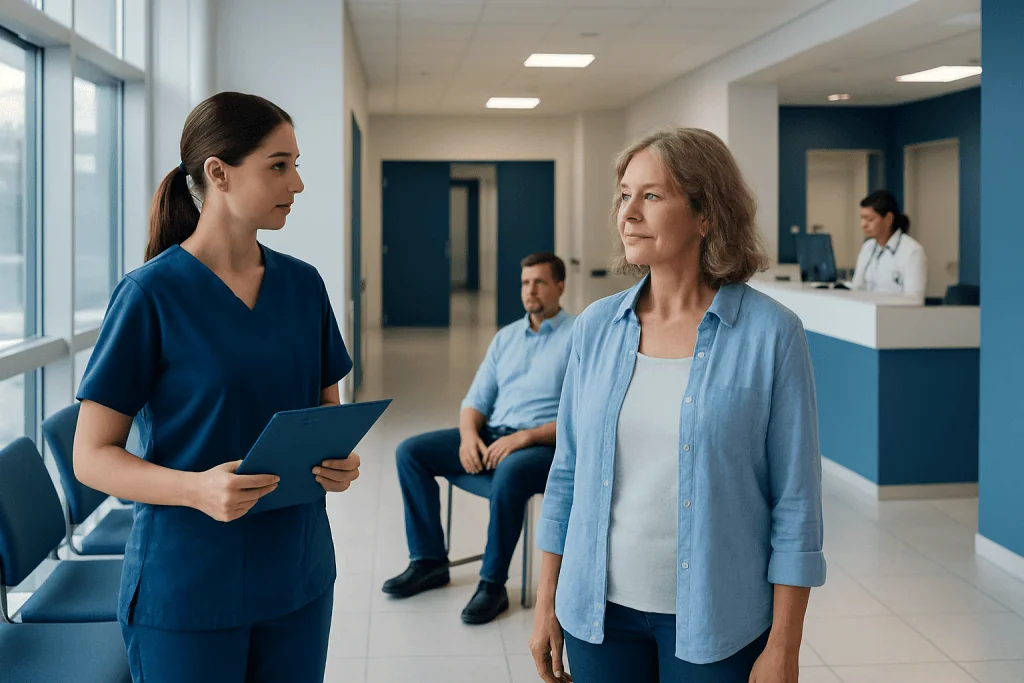
Radiotherapy in Turkey guide: what to bring, how daily sessions work, skin care basics, and practical support for treatment in Istanbul.
If you are coming for radiotherapy in Turkey, your daily routine can feel much easier when you know what to expect, what to bring, and how to care for your skin. This guide helps you prepare for appointments, travel days, side-effect questions, and follow-up conversations with your care team.
At a glance
- Best for: International patients planning daily radiotherapy sessions in Turkey
- Main focus: Appointment routine, comfort items, skin care, and questions to ask
- Typical schedule: Often weekday sessions over several days or weeks, depending on your plan
- Support to request: Interpreter, appointment coordination, transport guidance, and accommodation help
- Safety note: Use skin products, medicines, and supplements only as approved by your oncology team
Before Your First Radiotherapy Appointment
Before radiotherapy begins, your team will usually confirm your diagnosis, review your imaging and pathology reports, and explain the treatment plan in a way you can understand. If you are traveling from another country, send your medical records as early as possible, including biopsy results, recent scans, surgery notes, chemotherapy details, and your current medication list. This helps your specialists prepare and reduces the chance of delays after you arrive.
You may have a planning visit before daily sessions start. During this visit, your team may discuss the treatment area, your position during therapy, and practical instructions such as clothing, bladder or bowel preparation if relevant, or whether you should avoid applying creams before treatment. These details are specific to your case, so it is better not to rely on advice from other patients whose treatment area may be different.
At Acibadem International, international patient coordinators can help you organize appointment times, interpreter support, hospital directions, and documentation needs. If you feel unsure about a medical word or instruction, ask for it to be repeated through an interpreter and written down. A calm first week often starts with clear instructions in your own language.
What a Daily Session May Feel Like
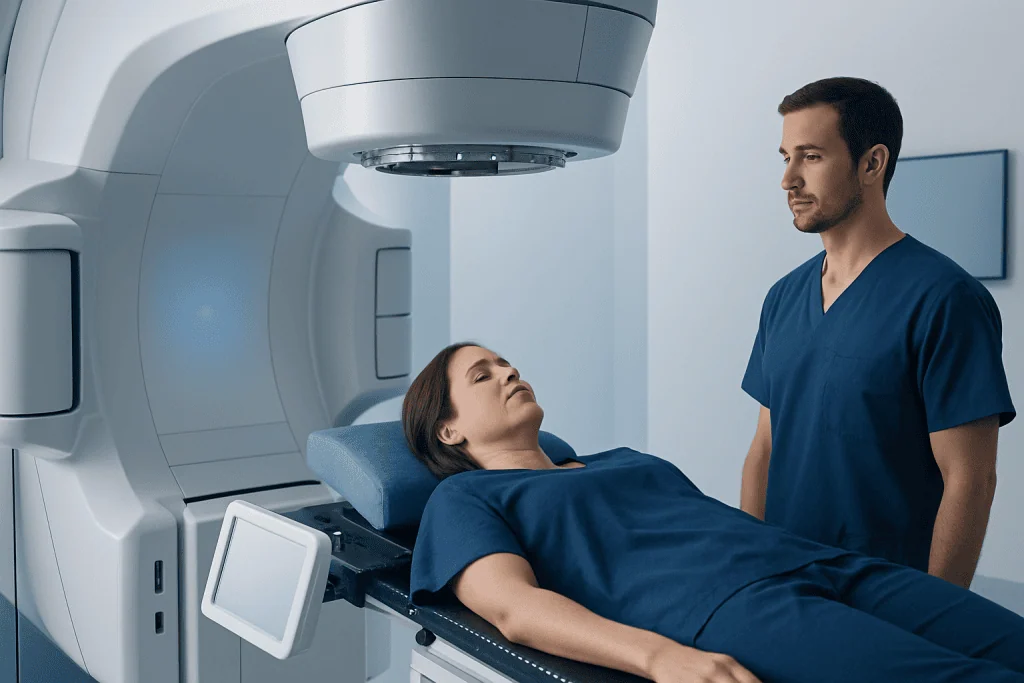
Most daily radiotherapy appointments are short, but you should allow extra time for hospital arrival, registration, changing clothes if needed, and waiting. The treatment itself is typically painless and does not make you radioactive after standard external beam radiotherapy, but you may need to stay still in the planned position. Your team will guide you on the table and may use marks, molds, or positioning supports to help treat the correct area consistently.
Try to build a simple rhythm for treatment days. Arrive with enough time so you are not rushed, wear clothing that is easy to remove or adjust, and keep your phone, documents, and water bottle together in one small bag. If your schedule changes because of machine maintenance, imaging checks, or medical review, the team will explain what happens next.
It is normal to feel emotionally tired even if each session is brief. Many patients find it helpful to bring a companion for the first few days, especially if they are in a new city. If you are attending alone, ask your international patient coordinator where to wait, who to contact after hours, and how to reach the hospital if you have a symptom question between sessions.
Skin Care During Radiotherapy

Radiotherapy can make the skin in the treated area more sensitive over time. You may notice dryness, redness, itching, tenderness, or a sunburn-like feeling, depending on the treatment site and your individual plan. Not everyone has the same reaction, and changes may appear gradually, so check the area gently each day and report new symptoms early rather than waiting for them to become uncomfortable.
Use only the creams, soaps, deodorants, dressings, or wound products approved by your radiation oncology team. A product that seems gentle may still irritate treated skin or interfere with markings, adhesives, or treatment instructions. Unless your team says otherwise, avoid scrubbing, exfoliating, waxing, shaving with a blade, hot compresses, and tight clothing over the treatment area.
Your skin care checklist is simple: keep the area clean and dry, wash with lukewarm water, pat gently rather than rubbing, protect the area from sun exposure, and tell your team about peeling, blisters, open areas, swelling, discharge, or increasing pain. Do not apply creams immediately before a session unless your team has specifically allowed it. If you are unsure, bring the product to the hospital and ask your nurse or doctor to check it.
Food, Hydration, Rest, and Energy Planning
Daily radiotherapy can affect your energy, appetite, digestion, or swallowing depending on the treatment area. Your care team may give you specific nutrition advice, especially if the treatment area includes the head and neck, chest, abdomen, pelvis, or if you are also receiving chemotherapy. In general, aim for steady meals, enough fluids, and small snacks you can tolerate on appointment days.
Do not start vitamins, herbal products, high-dose antioxidants, or supplements without asking your oncology team. Some products may interact with treatment or other medicines. If you already take supplements, include them on your medication list with doses and how often you take them, even if they seem natural or harmless.
Fatigue is one of the most common practical challenges. Plan your day so your most important tasks happen when you usually feel best, and keep recovery time after sessions if you can. If you are staying in Istanbul, choose accommodation that makes travel to the hospital manageable, and ask the international patient services team about transport options if stairs, long walks, or public transport feel difficult.
Managing Appointments While You Are in Turkey
Radiotherapy works best when appointments follow the schedule set by your doctor, so treat each session like an important part of your treatment plan. If you are late, unwell, or unable to attend, contact the hospital as soon as possible rather than missing the appointment without notice. Your team will advise whether the session can be rescheduled and what it means for your overall plan.
Keep one folder, digital or printed, for your passport copy, insurance or payment documents, treatment schedule, medication list, allergy list, and emergency contacts. Save the hospital address in your phone in both English and Turkish if possible. If you use taxis or ride services, a written address and building entrance information can make each trip smoother.
Acibadem International’s support teams can help with interpreter arrangements, appointment coordination, and practical questions during your stay. You can also ask about nearby accommodation, companion access, pharmacy directions, and how to obtain a medical report for your doctor at home. Clear logistics reduce stress, which matters when you are attending treatment every weekday.
When to Contact Your Care Team
You should not wait until the next scheduled review if you develop symptoms that worry you. Contact your radiation oncology team if you have fever, severe pain, new shortness of breath, uncontrolled vomiting or diarrhea, bleeding, sudden swelling, signs of infection, difficulty swallowing, dehydration, or skin that is blistering, open, or increasingly painful. Your team would rather hear from you early and guide you safely.
Also speak up about emotional distress, sleep problems, anxiety, or feeling overwhelmed. International treatment can be stressful because you are away from familiar routines, foods, and family networks. Asking for help is part of good care, not a sign that you are not coping.
If you are unsure whether a symptom is urgent, use the contact instructions given by your hospital. Ask before you leave your first appointment: who do I call during working hours, who do I call after hours, and where should I go in an emergency? Write the answers down and share them with your companion.
Preparing to Return Home
Before you leave Turkey, ask for a clear summary of your radiotherapy plan and what was completed. This may include treatment dates, the treated area, dose information as appropriate, side effects experienced, current medicines, skin care instructions, and follow-up recommendations. Keep both digital and printed copies for your doctor at home.
Skin and fatigue changes can continue after your final session, and some effects may peak later rather than immediately. Ask your team what to expect in the first two to six weeks, what is normal for your treatment area, and which symptoms require urgent medical attention after you travel. Do not stop prescribed medicines or change skin care routines unless your doctor advises it.
If you have a long flight, discuss travel timing with your care team, especially if you feel weak, have low blood counts, have wounds, or are receiving additional treatments. Acibadem International can help you understand how to collect reports, imaging discs or digital links, prescriptions, and follow-up appointment details before departure.
Step by step
- Send your records before you travel. Share pathology reports, imaging, previous treatment notes, and your medication list as early as possible. If any documents are not in English or Turkish, ask whether translation is needed before your appointment.
- Confirm your first-week schedule. Ask which appointments are for planning, which are for treatment, and whether you need to arrive with a full bladder, empty stomach, or any special preparation. Save the hospital contact number and appointment times in your phone.
- Pack a daily treatment bag. Bring your ID, appointment paper, water, approved skin products, a light snack, headphones, and a simple medication list. Choose a small bag you can carry easily and keep it ready each evening.
- Wear skin-friendly clothing. Choose loose, soft clothing that does not rub the treatment area. Avoid tight waistbands, rough seams, underwires, adhesives, or heavy fabrics if they irritate your skin.
- Check your skin at the same time each day. Look for redness, dryness, itching, peeling, swelling, or open areas. Report changes to your nurse or doctor, and do not add new creams or dressings without approval.
- Plan rest around your sessions. Keep your schedule lighter during treatment weeks if possible. If you are sightseeing in Istanbul, choose gentle activities and allow time to return to your accommodation before you become overtired.
- Prepare your return-home documents. Before your final appointment, request your treatment summary, follow-up instructions, medication list, and any imaging or reports you need. Share these with your local oncology team after you return home.
Your checklist
- Passport or ID and hospital appointment details
- Printed or digital medical records and recent imaging reports
- Current medication, allergy, and supplement list with doses
- Soft, loose clothing that gives easy access to the treatment area
- Approved moisturizer or skin product, if your team has recommended one
- Water bottle and a small snack you can tolerate
- Interpreter request or translated notes for important questions
- Hospital phone numbers for daytime and after-hours concerns
- Comfort items such as headphones, charger, scarf, or light jacket
- Return-home folder for treatment summary and follow-up instructions
Key takeaways
- Radiotherapy in Turkey usually involves a planned routine, so clear scheduling and transport arrangements make each day easier.
- Skin care should be gentle and approved by your radiation oncology team; avoid adding products on your own.
- Bring a concise daily bag with documents, water, comfort items, and your medication list.
- Report side effects early, especially fever, severe pain, open skin, dehydration, or breathing problems.
- Before returning home, collect your treatment summary, follow-up plan, and instructions for ongoing skin care.
Frequently asked questions
Will I be radioactive after daily radiotherapy sessions?
After standard external beam radiotherapy, you do not become radioactive and you can usually be around other people safely. Some specialized treatments are different, so always follow the instructions for your exact plan. If you are unsure, ask your radiation oncology team to explain the safety rules in simple terms.
Can I shower during radiotherapy?
Many patients can shower, but you should use lukewarm water and avoid rubbing the treated area. Pat the skin dry with a soft towel and follow your team’s advice about soaps, creams, and timing before treatment. If your skin becomes open, blistered, or very sore, ask for specific wound-care guidance.
What should I wear to daily radiotherapy sessions?
Wear loose, comfortable clothing that is easy to remove or adjust. Soft cotton layers are often more comfortable than tight or rough fabrics, especially if the treatment area becomes sensitive. If you have marks or dressings, ask whether any clothing could rub or disturb them.
Can I use my usual moisturizer or deodorant?
Do not use products on or near the treated area unless your team has approved them. Some moisturizers, deodorants, perfumes, oils, or adhesive products may irritate the skin or conflict with treatment instructions. Bring your product to the hospital if you want the team to check it.
What if I miss a radiotherapy appointment in Turkey?
Contact the hospital as soon as possible if you are late, unwell, or cannot attend. Your doctor or treatment team will advise how to adjust the schedule and whether the missed session needs to be made up. Do not change your plan on your own.
Can a companion come with me to the hospital?
In many cases, a companion can accompany you for registration, waiting, and support, although they may not enter the treatment room during the session. Hospital rules can vary by department, patient condition, and safety requirements. Ask your coordinator what is allowed before your first visit.
How can Acibadem International support international patients?
Acibadem International can help coordinate appointments, interpreter support, hospital navigation, and practical travel or accommodation questions. Its JCI-accredited hospitals bring together multidisciplinary teams for cancer care, while your medical decisions remain personalized to your diagnosis and treatment plan. Ask early if you need written instructions, translated summaries, or help communicating with your doctor at home.
Add us as a Preferred Source to see more of our trusted health content across Google Search, AI Overviews and Discover.
More Patient Guides
Hospital vs Outpatient Treatment in Turkey: What Changes for International Patients
Hospital vs outpatient treatment in Turkey changes your stay, paperwork, support and recovery plan. Here is what international patients should expect.
9 min read
When Intensive Care May Be Needed After Surgery in Turkey
Intensive care after surgery in Turkey may be planned or precautionary. Learn what to expect in Istanbul, how families are updated, and…
9 min read
What to Bring for a Day Procedure in Turkey
What to bring for a day procedure in Turkey: pack your ID, medical documents, medications, comfortable clothes and a simple discharge plan.
8 min read