

Traveling to Turkey After Recent Surgery at Home: What to Confirm
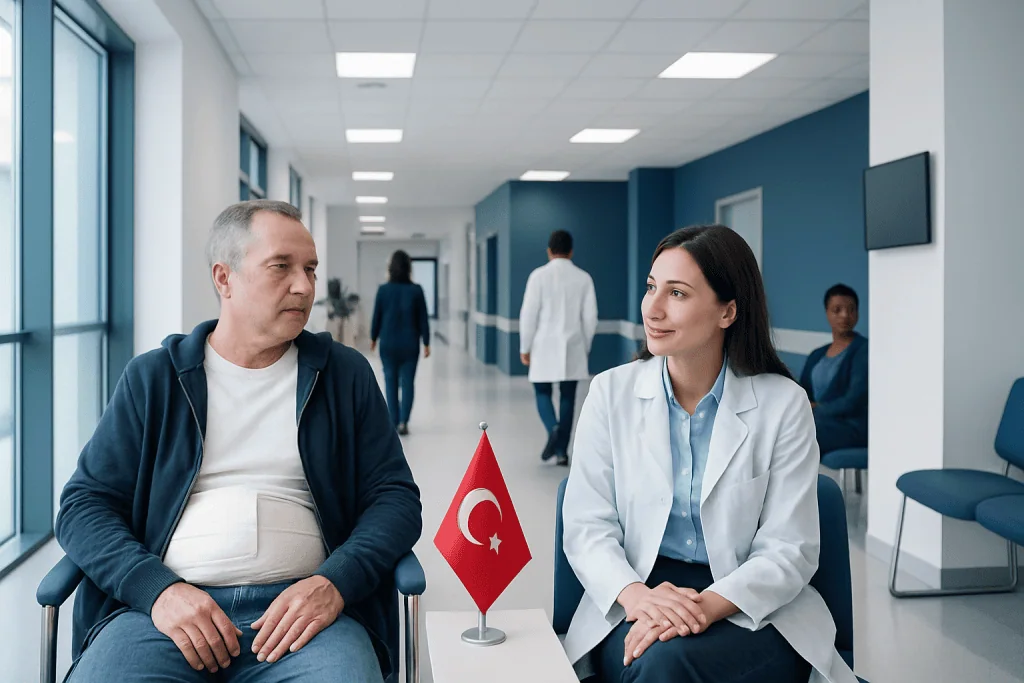
Traveling to Turkey After Recent Surgery requires written clearance, records, medication planning, and flight precautions before care in Turkey or Istanbul.
If you recently had surgery at home and are considering travel to Turkey, your first priority is confirming that the trip is safe, necessary, and well coordinated. This guide helps you prepare the questions, records, permissions, and practical arrangements that your home surgeon, airline, insurer, and receiving medical team may need before you travel.
At a glance
- Best first step: Ask your operating surgeon for written fitness-to-travel clearance.
- Key documents: Operation note, discharge summary, medications, imaging, lab results, and follow-up plan.
- Main travel risks to discuss: Bleeding, infection, wound problems, clots, pain control, and mobility limits.
- Airline check: Confirm medical clearance rules, wheelchair support, seat needs, and oxygen policies if relevant.
- Support in Turkey: Acibadem International can help coordinate interpreters, appointments, transfers, and accommodation guidance.
Start with a clear reason for traveling
After recent surgery, travel should never be treated as a routine trip. Your body may still be healing, your medications may be changing, and even a short flight can feel tiring. Before you make arrangements, be clear about why you want or need to come to Turkey: a planned second opinion, a follow-up consultation, imaging, rehabilitation advice, management of a complication, or another medical concern.
It is important to separate convenience from urgency. If your concern is new pain, fever, shortness of breath, wound leakage, heavy bleeding, fainting, swelling in one leg, or sudden deterioration, seek urgent care where you are rather than waiting to travel. International travel is not a substitute for emergency care, and delaying assessment can make a treatable problem more serious.
If your situation is stable and travel is being considered for planned medical support, Acibadem International can review the information you provide and help route your request to the appropriate specialty team. This coordination is most helpful when your records are complete and your home surgeon has confirmed that you are medically fit to travel.
Confirm fitness to travel with your home surgeon

Your operating surgeon or treating physician is the person who understands what was done, how complex the surgery was, and what complications you may be at risk for. Ask for a written note that states whether you are fit to fly or travel internationally, any restrictions you must follow, and whether you need assistance during the journey.
The timing of safe travel varies widely depending on the type of operation, anesthesia, blood clot risk, wound healing, pain level, and whether you have drains, stitches, casts, or medical devices. Avoid relying on general internet timelines. A patient who had a minor procedure and is walking comfortably may have a very different risk profile from someone who had abdominal, orthopedic, chest, neurological, or major cancer surgery.
When you speak with your doctor, ask practical questions rather than only asking, Can I travel? You may need to know whether you can sit for several hours, lift a bag, climb aircraft stairs, take blood thinners, wear compression stockings, or delay a follow-up appointment. Ask what symptoms should make you cancel the trip and what to do if those symptoms appear while you are in transit.
Prepare a complete medical file before you book

A clear medical file saves time and reduces confusion when you arrive in Turkey. If you are seeking a consultation at Acibadem International, sending records in advance helps the relevant team understand your recent surgery and advise which department, imaging, or appointment type may be needed. It also helps avoid unnecessary repeat questions during a period when you may be tired or in pain.
Your file should include the operation report if available, discharge summary, diagnosis, anesthesia notes if relevant, pathology results, imaging reports and images, recent blood tests, medication list, allergy list, and the surgeon’s follow-up instructions. If you have a wound, drain, cast, implant card, catheter, stoma, or other device, include details and photographs if your care team requests them.
Keep your records in both digital and printed form. Store digital copies on your phone and in secure cloud storage, and carry printed summaries in your hand luggage. Do not pack essential medical documents in checked baggage, because delays or lost bags can disrupt care at the destination.
Review flight, mobility, and clot-prevention needs
Flying soon after surgery can be physically demanding. Airport walking distances, security queues, boarding stairs, cabin pressure changes, dehydration, and sitting still for long periods may all matter during recovery. Your doctor should advise whether you need compression stockings, prescribed blood thinners, movement breaks, extra hydration, or a travel companion.
Ask the airline about medical clearance forms before you buy a ticket, especially if you recently had major surgery, need oxygen, have limited mobility, use a wheelchair, cannot sit upright, or require special equipment. Airline policies differ, and last-minute medical paperwork can delay boarding. If you need wheelchair assistance, request it for every airport segment, not only for your departure airport.
Choose logistics that reduce strain. A direct flight may be easier than multiple transfers. A seat with easier aisle access may help if you need to walk periodically, but emergency exit rows are usually not allowed for passengers with mobility limitations. Plan extra time at the airport, avoid heavy luggage, and arrange door-to-door transfers if possible.
Plan medications, wound care, and medical supplies
Medication planning is one of the most important parts of post-surgery travel. Carry enough medication for the full trip plus extra days in case of delay. Keep medicines in original packaging with labels, and bring a prescription or medical letter that explains what you are carrying, especially for pain medication, injections, anticoagulants, or controlled substances.
Do not stop or change blood thinners, antibiotics, pain medication, or other prescribed drugs without direct medical advice. If your medication schedule is time-sensitive, ask your doctor how to adjust it across time zones. If injections are involved, ask about safe needle transport, storage temperature, and sharps disposal during the trip.
For wound care, bring the supplies your home team recommends: dressings, tape, antiseptic if prescribed, protective covers, or compression garments. Ask whether the wound can be exposed to airport screening, whether you may shower, and what signs of infection require immediate attention. If you arrive at an Acibadem hospital for assessment, having a record of the wound’s appearance and dressing plan can help the team understand what has changed.
Coordinate care in Turkey before you depart
It is safer to travel with a confirmed plan than to arrive and search for care while recovering. Before departure, confirm the hospital location, appointment date, specialty, required tests, estimated appointment duration, and whether you should fast or avoid certain medications before evaluation. If you have limited mobility, ask how close the entrance is to the relevant clinic and whether wheelchair support is available.
Acibadem International supports international patients with appointment coordination, interpreter arrangements, airport transfer guidance, and accommodation information near hospitals in Istanbul and other locations. These services are especially useful after recent surgery, when small details such as walking distance, check-in timing, and language support can make the difference between a manageable day and an exhausting one.
Share your travel itinerary with the patient care team, including flight arrival time, hotel details, companion contact, and any medical limitations. If your condition changes before travel, update both your home doctor and the receiving team. A plan that was appropriate last week may need to be changed if you develop new symptoms.
Prepare your companion and your return plan
If you are recovering from surgery, traveling alone may be harder than expected. A companion can help with luggage, medication reminders, mobility, communication, and decision-making if you become unwell. If no companion is available, tell the hospital team in advance so that practical support needs can be discussed realistically.
Your return plan matters as much as your arrival plan. Ask whether you are expected to have tests, dressing changes, imaging, or a specialist review before flying home. If further treatment is recommended in Turkey, you may need to extend your stay, change flights, or arrange additional accommodation.
Before leaving Turkey, request a clear summary of the consultation, test results, medication changes, and follow-up recommendations. Keep this summary ready for your home surgeon or primary doctor. Good communication between the teams helps prevent gaps in care once you return.
Step by step
- Speak with your operating surgeon first. Ask whether you are fit to travel internationally and whether flying is appropriate at this stage of recovery. Request written guidance that includes restrictions, warning symptoms, medications, and any support you need during the journey.
- Collect and translate key records if needed. Gather your operation note, discharge summary, test results, imaging, medication list, allergies, and follow-up plan. If important documents are not in English, ask whether a translated summary is needed before your appointment in Turkey.
- Share your file with the receiving team. Send your records before booking complex travel when possible. Acibadem International can help direct your file to the appropriate specialty team and advise what information is still missing.
- Check airline and airport requirements. Contact your airline about medical clearance, wheelchair support, oxygen policies, mobility assistance, and special seating considerations. Confirm these services for each leg of the trip, including connections.
- Prepare medications and supplies in hand luggage. Carry medicines in original packaging with prescriptions or a medical letter. Bring wound care supplies, compression garments, device information, and extra medication in case your return is delayed.
- Book recovery-friendly logistics. Choose flight times, transfers, and accommodation that minimize walking, waiting, and lifting. Consider staying close to the hospital and allowing rest time before and after appointments.
- Know when to postpone or seek urgent care. Do not travel if your surgeon advises against it or if you develop alarming symptoms such as chest pain, breathing difficulty, fever, heavy bleeding, fainting, or sudden leg swelling. Seek urgent local medical care instead of waiting for an international appointment.
Your checklist
- Written fitness-to-travel clearance from your home surgeon or treating doctor
- Operation report, discharge summary, diagnosis, and follow-up instructions
- Recent lab results, imaging reports, and image files on disc or digital link
- Medication list with doses, allergies, prescriptions, and medical letters
- Enough medication and wound care supplies for the full trip plus extra days
- Airline confirmation for medical clearance, wheelchair help, oxygen, or seating needs
- Travel insurance details, emergency contacts, and companion information
- Confirmed hospital appointment, interpreter request, transfers, and accommodation plan
- Clear instructions on symptoms that should make you cancel travel or seek urgent care
Key takeaways
- Recent surgery changes travel risk, so written medical clearance is essential before flying to Turkey.
- Complete records help the receiving team understand your surgery and plan the right appointment or tests.
- Medication, wound care, mobility, and airline requirements should be organized before you buy or finalize tickets.
- Travel is safer when transfers, accommodation, interpreters, and appointment logistics are arranged in advance.
- Acibadem International can support coordination, but urgent symptoms should be assessed locally without delay.
Frequently asked questions
How soon after surgery can I travel to Turkey?
There is no single safe timeline because it depends on the type of surgery, anesthesia, your recovery, and your risk factors. Your operating surgeon should confirm whether you are fit to fly and whether any restrictions apply. Avoid relying on general online advice, especially after major surgery or if you have complications.
Do I need a letter from my surgeon to fly?
In many situations, a written medical clearance letter is strongly recommended and may be required by the airline. The letter should ideally mention your surgery date, current condition, travel fitness, mobility needs, and any special requirements. Check the airline's medical clearance rules before departure.
What records should I send before my appointment in Turkey?
Send your discharge summary, operation report, diagnosis, medication list, allergies, lab results, imaging reports, and any pathology results if available. If you have a wound, drain, implant, cast, or medical device, include relevant details. Acibadem International can advise if the specialist team needs additional documents.
Can I travel if I still have stitches, a drain, or a dressing?
Possibly, but only if your treating doctor confirms it is safe and gives you clear care instructions. You should know how to protect the area, what supplies to bring, and which symptoms require urgent attention. Airline and airport screening considerations may also apply depending on your device or dressing.
Should I travel alone after recent surgery?
Traveling with a companion is often safer and more comfortable if you have pain, limited mobility, medication needs, or difficulty carrying luggage. A companion can also help communicate and make decisions if you feel unwell. If you must travel alone, tell the patient care team in advance so practical arrangements can be discussed.
What should I do if I feel worse just before my flight?
Do not ignore new or worsening symptoms because your trip is already booked. Contact your home doctor or emergency services if you have fever, chest pain, breathing difficulty, heavy bleeding, fainting, wound leakage, or sudden leg swelling. It may be safer to postpone travel than to become unwell in transit.
Can Acibadem International help with logistics after I arrive?
Yes, Acibadem International can assist international patients with appointment coordination, interpreter arrangements, transfer guidance, and accommodation information. The team can also help you understand where to go and what to bring on the day of your visit. Medical decisions remain individualized and depend on specialist assessment.
Add us as a Preferred Source to see more of our trusted health content across Google Search, AI Overviews and Discover.
More Patient Guides

Hospital vs Outpatient Treatment in Turkey: What Changes for International Patients
Hospital vs outpatient treatment in Turkey changes your stay, paperwork, support and recovery plan. Here is what international patients should expect.
9 min read
When Intensive Care May Be Needed After Surgery in Turkey
Intensive care after surgery in Turkey may be planned or precautionary. Learn what to expect in Istanbul, how families are updated, and…
9 min read
What to Bring for a Day Procedure in Turkey
What to bring for a day procedure in Turkey: pack your ID, medical documents, medications, comfortable clothes and a simple discharge plan.
8 min read