

Bringing Pathology Slides and Tissue Blocks to Turkey for Review

Pathology Slides to Turkey explains how to prepare slides, tissue blocks and reports for specialist review in Istanbul or Turkey.
If your diagnosis or treatment plan depends on a pathology result, bringing your slides, tissue blocks and reports to Turkey can help specialist teams review the details carefully. This guide explains what to request, how to pack it, how to travel with it and how Acibadem International can help coordinate the process.
At a glance
- Best for: Patients seeking pathology confirmation, second opinion or treatment planning
- Main items: Glass slides, paraffin tissue blocks, pathology report and clinical records
- Before travel: Request materials early and keep all labels, reports and IDs consistent
- Transport: Hand-carry whenever possible; protect from heat, pressure and breakage
- Support in Turkey: International patient teams can guide receiving, translation and appointments
Why pathology materials matter for your care in Turkey
Pathology is often the foundation of a diagnosis. For many cancers and complex conditions, the treatment plan depends not only on imaging and blood tests, but also on what was seen under the microscope from a biopsy or surgery sample. When you travel to Turkey for consultation or treatment, the medical team may ask to review the original pathology materials so they can understand your case as clearly as possible.
Bringing pathology slides and tissue blocks is different from bringing a paper report. A report summarizes what another laboratory found, while slides and blocks allow a pathologist to examine the sample again and, when appropriate, request additional stains or molecular tests. This can be especially useful when your diagnosis is rare, your results are unclear, or your care plan may involve surgery, oncology, radiotherapy or targeted treatment.
At Acibadem International, pathology review is usually coordinated as part of a wider clinical picture. Your specialist team may look at your pathology materials together with imaging, previous treatment notes, operation reports and laboratory results. This guide is designed to help you prepare the materials safely and avoid common delays when travelling internationally.
What to request from your hospital or laboratory
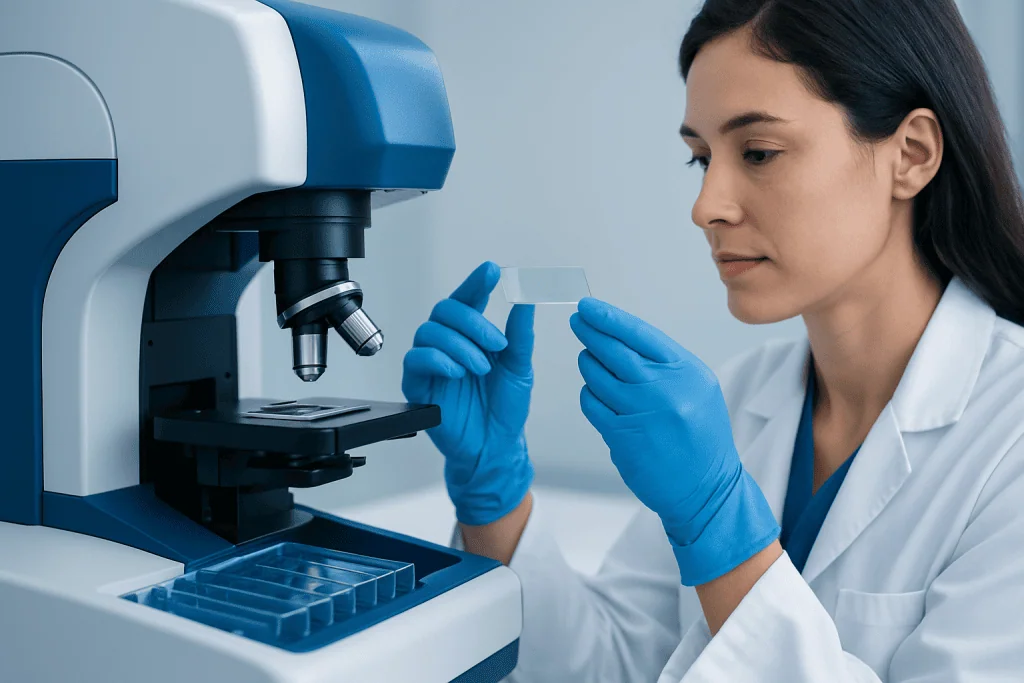
Start by asking the hospital, pathology laboratory or clinic where your biopsy or surgery was performed for the materials needed for an international review. Use clear wording: you are requesting your pathology slides and, if available, paraffin tissue blocks for review by another medical institution. Some laboratories lend materials temporarily, while others release duplicates or require a formal request form.
The most useful package usually includes the original pathology report, all relevant stained slides, unstained slides if available, and paraffin tissue blocks. Paraffin blocks are small blocks containing tissue embedded in wax; they are valuable because additional testing may sometimes be performed from them. If blocks cannot be released, ask whether extra unstained slides can be prepared instead.
When you make the request, ask for an inventory list that states exactly what has been provided. This list should match the labels on the slides and blocks. If the laboratory has rules about returning materials, ask for those instructions in writing so you can plan properly after your review in Turkey.
- Original pathology report and any amended reports
- Glass slides used for diagnosis
- Paraffin tissue blocks, if release is permitted
- Unstained slides, especially if additional tests may be needed
- Immunohistochemistry, molecular or genetic test reports, if already done
- A clear list of sample numbers, dates and tissue sites
How to keep labels, reports and identity details consistent
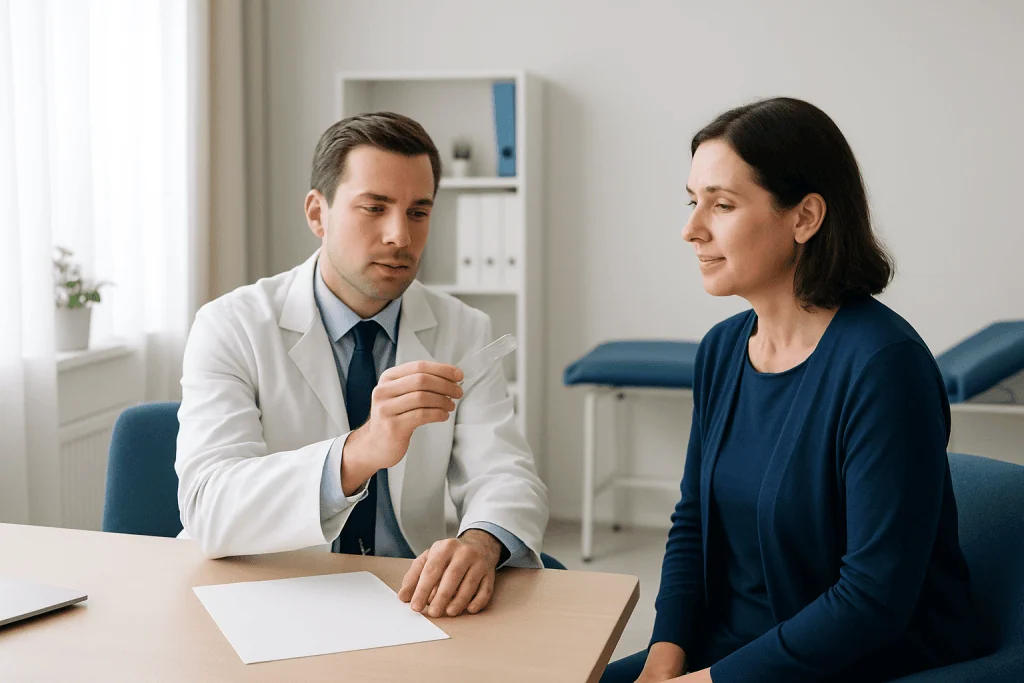
Small differences in names, dates or sample numbers can create delays. Before you travel, compare the patient name, date of birth, passport name, pathology accession number and biopsy date across all documents and materials. If your name is written differently in another language or alphabet, ask the releasing laboratory to include both versions where possible.
Each slide and tissue block should have a label that can be linked to the pathology report. The label may include a case number, block number, stain type, tissue site or date. Do not remove, rewrite or cover these labels. If a label is unclear, ask the original laboratory to clarify it rather than trying to fix it yourself.
If your documents are not in English or Turkish, it is helpful to arrange translation of the key reports before your appointment. Acibadem International can advise you on which documents should be translated and can help coordinate interpreter support during your visit. Keeping originals, translations and digital copies together makes the review smoother for both you and your care team.
Packing slides and tissue blocks for travel
Pathology slides are fragile glass and can break if they are loose in a bag. Tissue blocks can also be damaged by heat, pressure or mishandling. Ask the laboratory to place slides in proper slide boxes and blocks in labeled containers or protective wrapping. If possible, keep the original laboratory packaging because it is usually designed for safe handling.
Do not place slides or blocks in checked luggage unless there is no alternative. Hand-carrying is usually safer because it reduces the risk of loss, temperature extremes and rough handling. Keep the materials in a small, rigid container inside your cabin bag, away from heavy items, liquids and direct heat. Avoid leaving the bag in a hot car or near a heater.
It is also practical to carry a letter from your doctor or laboratory explaining that the package contains pathology materials for medical review. This can help if airport security asks questions. The materials are not usually something that requires special storage like frozen specimens, but you should still handle them with care and avoid opening the containers unnecessarily during travel.
Customs, airline and airport security considerations
Rules for transporting medical samples vary by country, airline and the type of material. Paraffin blocks and prepared slides are generally stable diagnostic materials, but you should confirm local export rules with the releasing laboratory and, if needed, your airline. The laboratory may have experience preparing documents for international transfer and can advise on the correct wording.
Carry the materials with your medical documents, not hidden in personal items. If asked, explain calmly that they are pathology slides or tissue blocks for hospital review. A short medical letter, pathology inventory and appointment confirmation can be useful. Do not describe them casually as biological samples without context, as this may lead to confusion.
If you plan to ship the materials instead of carrying them, use a medical courier or a courier service familiar with diagnostic specimens. Shipping may require declarations, tracking and packaging standards. Before sending anything, confirm the receiving address, contact person and acceptance process with Acibadem International or your assigned coordinator so the package is not delayed or misplaced.
What happens after the materials arrive
Once your materials reach the hospital, they need to be registered, matched with your medical file and reviewed by the appropriate pathology team. Depending on your case, the review may include examination of existing slides, comparison with your previous report and discussion with your treating specialists. In some cases, the team may recommend additional staining or testing, but this depends on the amount and quality of tissue available.
Pathology review can take time, especially if extra tests are needed or if materials from more than one biopsy are submitted. It is wise not to schedule major treatment decisions too tightly around your arrival day. Your international patient coordinator can help you understand the expected sequence of appointments, consultations and results discussion without making assumptions about exact timelines.
At JCI-accredited Acibadem hospitals, pathology information is considered part of a multidisciplinary care process. Your results may be discussed alongside radiology, surgery, oncology or other specialty input when relevant. This joined-up approach helps your doctors explain what the review means for your next steps, while keeping the advice personalized to your diagnosis and medical history.
Returning materials and keeping records
Many pathology departments release slides or blocks only on loan. Before you leave your home country, ask whether the materials must be returned and by what date. Keep the original receipt, inventory list and any loan agreement. When your review in Turkey is completed, ask for clear instructions about how the materials will be returned or whether you need to hand-carry them back.
You should also keep copies of the final pathology review, any additional test results and the specialist consultation notes. If you will continue treatment in Turkey, these will be part of your hospital file. If you plan to return home for ongoing care, they will help your local doctor understand what was reviewed and whether the diagnosis or treatment recommendation changed.
Before travelling home, ask your coordinator for digital copies of key reports where possible and confirm whether any originals are being held, returned or archived. Good record-keeping prevents confusion later and makes follow-up easier if your doctors in different countries need to communicate.
Step by step
- Contact your coordinator before requesting materials. Share your diagnosis, pathology report and planned reason for review with Acibadem International or your receiving clinic. They can advise which materials are most likely to be useful and whether additional records, imaging or translations should be prepared at the same time.
- Request slides, blocks and reports from the original laboratory. Ask the hospital or laboratory for glass slides, paraffin tissue blocks if available, the full pathology report and an inventory list. If the laboratory will not release blocks, ask whether unstained slides can be prepared for possible additional testing.
- Check all labels and documents. Compare your name, date of birth, case numbers and sample dates across slides, blocks and reports. If anything is unclear or mismatched, ask the original laboratory to correct or explain it before you travel.
- Prepare safe hand-carry packaging. Keep slides in a protective slide box and tissue blocks in labeled containers. Place them in your cabin bag in a rigid protective pouch or box, away from liquids, pressure and heat.
- Carry supporting letters and copies. Bring a doctor or laboratory letter explaining that the materials are for medical review, plus copies of your appointment confirmation and pathology inventory. Keep digital copies on your phone or secure cloud storage in case paper documents are misplaced.
- Deliver materials through the agreed hospital channel. Do not leave pathology materials at a general desk without confirmation. Give them to the department, coordinator or contact person specified in advance, and ask that the number of slides and blocks received is recorded.
- Plan for review time and possible extra testing. Allow enough time in your travel plan for registration, pathology review and discussion with your specialist. If additional tests are recommended, your team will explain why they may help and whether there is enough tissue to perform them.
- Confirm return or storage arrangements. Before leaving Turkey, ask whether slides or blocks must be returned to the original laboratory and how this will be done. Keep copies of all new reports for your doctors at home and for future follow-up.
Your checklist
- Full original pathology report and any amended versions
- Glass slides in a protective slide box
- Paraffin tissue blocks, if the laboratory allows release
- Unstained slides if blocks are unavailable or extra tests may be needed
- Inventory list showing slide numbers, block numbers and tissue sites
- Doctor or laboratory letter for travel and airport questions
- Passport copy and consistent patient identity details
- Translated reports if originals are not in English or Turkish
- Digital copies of reports, imaging summaries and previous treatment notes
- Written return instructions if materials are on loan
Key takeaways
- Slides and tissue blocks can be important for confirming a diagnosis and planning treatment in Turkey.
- Request materials early because hospitals and laboratories may need forms, approvals or loan agreements.
- Hand-carry pathology materials whenever possible and protect them from breakage, pressure and heat.
- Matching labels, reports and identity details helps prevent delays during registration and review.
- Acibadem International can help coordinate hospital receipt, interpreter support, appointments and follow-up documentation.
Frequently asked questions
Do I always need to bring pathology slides and tissue blocks to Turkey?
Not always. Some consultations can begin with your pathology report, imaging and medical history. However, if your diagnosis is complex, rare, uncertain or central to treatment planning, the specialist may ask for slides or blocks so the pathology team can review the original material.
What is the difference between slides and tissue blocks?
Slides are thin sections of tissue mounted on glass and usually stained so a pathologist can examine them under a microscope. Tissue blocks are small paraffin wax blocks containing remaining tissue from the biopsy or surgery. Blocks can be useful if extra sections, stains or tests are needed, provided enough tissue remains.
Can I bring pathology materials in my hand luggage?
In many cases, hand-carrying is the safest option because it reduces the risk of loss or damage. Keep the materials in protective packaging and carry a medical letter and inventory list. You should still check local rules and airline guidance, especially if you are carrying tissue blocks across borders.
What if my hospital refuses to release the tissue block?
This can happen because tissue blocks may be considered the legal archive of the original laboratory. Ask whether they can provide additional unstained slides or arrange direct shipment to the receiving hospital. Your coordinator can advise what alternatives may be acceptable for the planned review.
Should I translate my pathology report before coming to Turkey?
If your report is not in English or Turkish, translation is strongly helpful. The original report should still travel with you, because medical teams may need to compare the translation with the source document. Acibadem International can guide you on which reports are most important to translate before your visit.
How long does a pathology review take?
Timing varies depending on the number of samples, complexity of the case and whether additional tests are needed. A straightforward slide review may be faster than a case requiring new stains or molecular testing. Your care team can explain the expected sequence once the materials are received and registered.
Can pathology review change my diagnosis or treatment plan?
A review may confirm the previous diagnosis, refine details or occasionally identify differences that affect treatment planning. It does not guarantee a change, and any findings must be interpreted alongside imaging, examinations and your full medical history. Your specialist will explain what the review means for your specific care decisions.
Will my slides and blocks be returned after review?
If the original laboratory released materials on loan, they may need to be returned by a certain date. Ask for the return policy before travel and confirm arrangements before leaving Turkey. Keep copies of all review reports, even if the physical materials are sent back.
Add us as a Preferred Source to see more of our trusted health content across Google Search, AI Overviews and Discover.
More Patient Guides
Hospital vs Outpatient Treatment in Turkey: What Changes for International Patients
Hospital vs outpatient treatment in Turkey changes your stay, paperwork, support and recovery plan. Here is what international patients should expect.
9 min read
When Intensive Care May Be Needed After Surgery in Turkey
Intensive care after surgery in Turkey may be planned or precautionary. Learn what to expect in Istanbul, how families are updated, and…
9 min read
What to Bring for a Day Procedure in Turkey
What to bring for a day procedure in Turkey: pack your ID, medical documents, medications, comfortable clothes and a simple discharge plan.
8 min read