

Recovering Between Multi-Stage Treatments in Turkey: Hotel Stay Guide

Recovering between multi-stage treatments in Turkey means choosing a safe hotel setup, pacing activities, and staying in touch with your care team.
When your treatment plan in Turkey includes more than one stage, the days between appointments are part of your recovery, not empty waiting time. This guide helps you choose and prepare a hotel stay that supports comfort, safety, communication, and smooth movement between the hospital and your room.
At a glance
- Best hotel setup: Accessible room, elevator access, quiet floor, reliable room service, and easy hospital transfers
- Main priority: Rest safely between treatment stages while staying reachable for your care team
- Helpful support: Interpreter assistance, appointment coordination, travel guidance, and accommodation suggestions
- What to avoid: Over-scheduling, heavy sightseeing, unfamiliar foods, long walks, and missed medication times
- When to contact the hospital: New or worsening symptoms, fever, severe pain, bleeding, breathing difficulty, or unclear instructions
Think of your hotel stay as part of your care plan
If you are recovering between multi-stage treatments in Turkey, your hotel is more than a place to sleep. It becomes your temporary recovery base, where you rest, take medicines on schedule, follow eating and movement instructions, and prepare for the next hospital visit.
The safest approach is to plan your hotel stay around your medical needs rather than your sightseeing wish list. You may feel well enough to do more on some days, but your body may still be adjusting after tests, anesthesia, a procedure, medication changes, or travel fatigue. Gentle pacing helps you arrive at the next stage in the best possible condition.
At Acibadem International, international patient teams can help you understand the practical rhythm of your treatment schedule, including appointment times, expected waiting periods, and whether you should stay close to a particular hospital campus. They can also guide you on when to contact the hospital instead of trying to manage a concern alone in your room.
Choosing the right hotel room between treatment stages
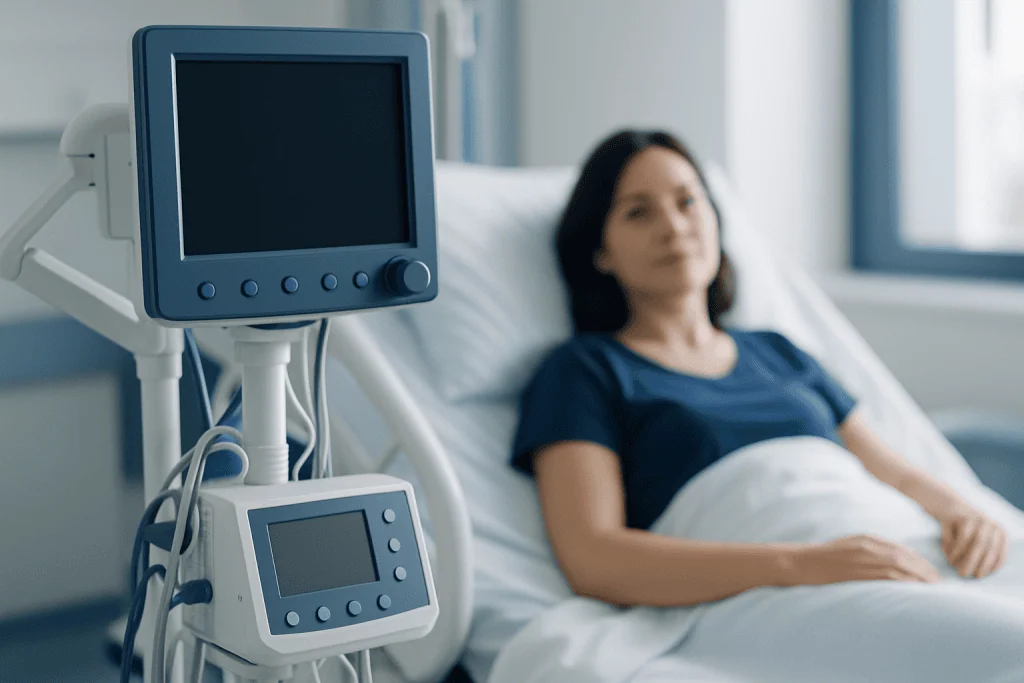
Before booking, look beyond star rating and location photos. A good recovery room should make daily tasks simple: getting to the bathroom, reaching the bed, resting without noise, receiving meals, and getting downstairs for transfers without stairs or long corridors.
Ask the hotel practical questions before you arrive. Confirm that there is elevator access, that your room is not too far from the lift, and that a walk-in shower or non-slip bathroom setup is available if mobility may be limited. If you are traveling with a companion, consider a larger room or connecting room so they can rest too.
Helpful hotel features may include:
- 24-hour reception and the ability to call a taxi or transfer quickly
- Room service or nearby simple food options
- Mini-fridge for permitted snacks or temperature-sensitive items, if approved by your care team
- Reliable Wi-Fi for communication with family and coordinators
- Laundry service, especially for longer stays
- Quiet rooms away from elevators, street noise, or event spaces
If you are unsure where to stay, ask your Acibadem International coordinator for general area guidance based on your hospital location and schedule. The goal is not luxury; it is a calm, accessible place where recovery routines are easy to follow.
Food, hydration, and medication routines in a hotel setting

Food and fluid needs can change between stages of treatment. Some patients are asked to eat lightly, avoid certain foods, increase fluids, or stop eating and drinking for a period before an appointment. Always follow the instructions given by your clinical team, especially before imaging, anesthesia, surgery, or procedures requiring preparation.
In a hotel, simple food is usually better than adventurous food. Choose familiar meals, avoid overeating, and be cautious with street food, rich sauces, alcohol, and anything that may upset your stomach. If you have dietary restrictions, ask the hotel in advance whether they can prepare plain options such as soup, rice, yogurt, eggs, grilled foods, or soft foods.
Keep medicines organized in one place, but do not leave them where heat or sunlight can affect them. Set alarms for dose times, especially if you are managing time zone changes. If you are unsure whether a medication should be taken before your next hospital visit, contact your care team instead of guessing.
Moving around safely without overdoing it
Light movement may be encouraged for many patients, but the right amount depends on your condition and treatment plan. Your care team may advise short walks, avoiding heavy lifting, keeping a body area elevated, using compression garments, or limiting stairs. Follow your personalized instructions first.
Turkey, especially Istanbul, can involve hills, uneven pavements, busy traffic, and long walking distances inside shopping areas or tourist sites. Even if you feel energetic in the morning, fatigue can appear suddenly after an appointment, a meal, or a short outing. Plan activities in small blocks with easy return options.
Use hotel corridors, the lobby, or nearby flat areas for gentle walking if permitted. Wear supportive shoes, carry water if allowed, and avoid crowded places if your doctor has advised infection precautions. If you feel dizzy, short of breath, unusually weak, or in new pain, stop and contact the appropriate medical contact.
Staying connected with your hospital and coordinator
Clear communication is one of the most important parts of recovering between treatment stages. Before leaving the hospital or clinic, make sure you understand your next appointment time, where to go, whether you need fasting or preparation, and which symptoms should be reported urgently.
Keep your phone charged and reachable. Save key numbers, including your international patient coordinator, hospital contact, transfer provider, hotel reception, and your companion. If you do not speak Turkish, interpreter support can make a major difference when asking questions at the hospital or handling unexpected logistics.
Acibadem International supports international patients with coordination across appointments, interpreter services, and practical guidance for travel and accommodation. You should still keep your written discharge or preparation instructions with you, because hotel staff or drivers should not be expected to interpret medical advice.
Companion support, privacy, and emotional comfort
A companion can make your hotel recovery much easier. They can help track medicines, collect meals, communicate with reception, attend appointments, and notice changes that you may overlook when tired. If you are traveling alone, tell your coordinator so that communication and transfer planning can be arranged as clearly as possible.
It is also normal to feel emotionally unsettled between stages. You may be waiting for results, preparing for another procedure, or adjusting to being in a different country. Build quiet routines into your day: short calls with family, gentle stretching if allowed, familiar music, light reading, or resting at the same times each day.
Protect your privacy by keeping medical documents in a folder or secure digital file and only sharing information with people directly involved in your care. If hotel staff need to know anything, keep it practical, such as mobility needs, food restrictions, or whether you require a quiet room.
Step by step
- Confirm your treatment calendar before booking. Ask for the expected dates of appointments, tests, procedures, and rest days, understanding that medical schedules can change. Choose a hotel booking that allows flexibility when possible, especially if you may need additional observation or follow-up.
- Select a recovery-friendly hotel location. Prioritize a location with reasonable transfer time to the hospital rather than the busiest tourist district. Being close enough for smooth return visits can reduce stress, fatigue, and the risk of arriving late.
- Prepare your room before the first stage. Place medicines, water if permitted, chargers, documents, comfortable clothing, and snacks within easy reach. Ask housekeeping for extra pillows, towels, or a non-slip mat if these will make recovery safer.
- Create a daily recovery rhythm. Use simple routines for waking, meals, medications, short movement, rest, and communication with your companion or coordinator. A predictable day helps you avoid both boredom and overexertion.
- Keep instructions visible and updated. Store discharge notes, preparation instructions, appointment details, and contact numbers in one folder. If your care team changes a medication or restriction, update your list immediately so you do not follow old guidance.
- Plan transfers before you need them. Arrange hospital transfers in advance for appointment days, allowing extra time for traffic and mobility. On days after treatment, avoid last-minute transport decisions unless there is an urgent medical reason.
- Know when to ask for help. Do not wait in your hotel room if you develop concerning symptoms or feel unsure about a medical instruction. Contact your hospital team, coordinator, or emergency services according to the guidance you were given.
Your checklist
- Passport, insurance details if applicable, and hospital appointment documents
- Printed and digital copies of discharge notes and preparation instructions
- All prescribed medicines in original packaging, plus a medication schedule
- Phone charger, power bank, and Turkey-compatible plug adapter
- Comfortable loose clothing, supportive shoes, and layers for temperature changes
- Simple snacks or drinks only if allowed by your care team
- Thermometer and basic personal hygiene items
- Emergency contacts saved in your phone and written on paper
- Hotel address in Turkish and English for drivers
- Small day bag for hospital visits with documents, water if allowed, and essentials
Key takeaways
- Your hotel stay between treatment stages should support rest, safe movement, medication routines, and easy communication.
- Choose a hotel for accessibility, quiet, room service, elevator access, and transfer convenience rather than sightseeing alone.
- Follow your individual medical instructions on food, medication, activity, and warning signs; do not rely on general travel advice.
- Keep your Acibadem International coordinator and care team contacts easy to reach during your stay.
- Plan gentle days, flexible bookings, and reliable transfers so unexpected schedule changes are easier to manage.
Frequently asked questions
How close should my hotel be to the hospital during multi-stage treatment in Turkey?
It is usually helpful to stay within a reasonable transfer distance of the hospital where most of your appointments take place. The best distance depends on traffic, your mobility, and how often you need to return. Ask your international patient coordinator for practical area guidance before booking.
Can I go sightseeing between treatment stages?
Sometimes light, low-effort outings may be acceptable, but it depends on your treatment, symptoms, and doctor instructions. Avoid long walks, crowded places, heavy shopping, and full-day tours unless your care team says this is suitable. Rest days are part of your recovery plan, not wasted time.
What should I do if I feel unwell in my hotel room?
Use the contact instructions given by your hospital team, especially for fever, severe pain, bleeding, breathing difficulty, fainting, sudden swelling, or symptoms that worsen. Do not ask hotel staff to make medical decisions for you. If symptoms feel urgent, seek emergency help immediately.
Should I book a hotel or serviced apartment?
A hotel may be easier if you need reception support, room service, housekeeping, and transport assistance. A serviced apartment may suit longer stays if you need more space and kitchen facilities, but it should still be accessible and close enough to the hospital. Discuss your expected length of stay and recovery needs before deciding.
Can Acibadem International help with interpreters and logistics?
Yes, Acibadem International provides support for international patients that may include appointment coordination, interpreter assistance, and practical travel or accommodation guidance. This support helps you move between hotel and hospital with clearer communication. Medical instructions should always come from your clinical team.
What foods are safest during hotel recovery?
Unless your care team gives a specific diet, simple and familiar foods are usually easier to tolerate. Choose well-cooked meals, avoid alcohol unless your doctor allows it, and be careful with very rich, spicy, or unfamiliar foods. Always follow fasting or preparation instructions before procedures and tests.
How can I manage anxiety while waiting for the next stage?
Keep a simple daily routine, limit stressful online searching, and write down questions for your next appointment. Stay connected with trusted family or friends, and tell your coordinator if you feel overwhelmed or confused by the schedule. Feeling anxious between stages is common, and clear information often helps.
Add us as a Preferred Source to see more of our trusted health content across Google Search, AI Overviews and Discover.
More Patient Guides

Hospital vs Outpatient Treatment in Turkey: What Changes for International Patients
Hospital vs outpatient treatment in Turkey changes your stay, paperwork, support and recovery plan. Here is what international patients should expect.
9 min read
When Intensive Care May Be Needed After Surgery in Turkey
Intensive care after surgery in Turkey may be planned or precautionary. Learn what to expect in Istanbul, how families are updated, and…
9 min read
What to Bring for a Day Procedure in Turkey
What to bring for a day procedure in Turkey: pack your ID, medical documents, medications, comfortable clothes and a simple discharge plan.
8 min read