

Chemotherapy Day in Turkey: What International Patients Can Expect
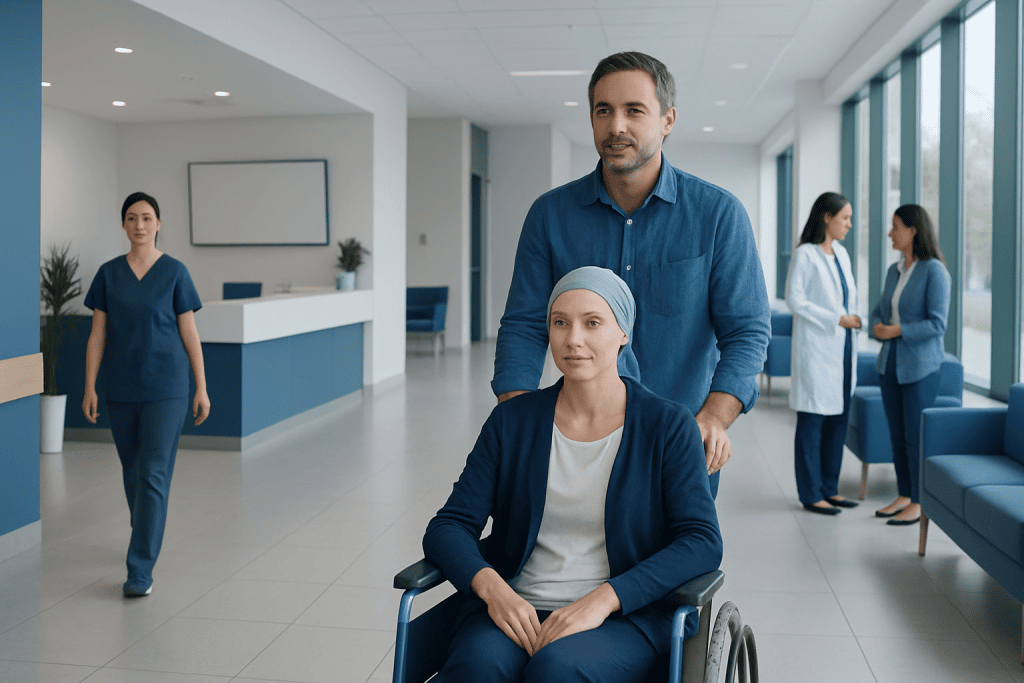
Chemotherapy Day in Turkey: what international patients can expect, from arrival and interpreters to infusion comfort, side effects and follow-up.
Your chemotherapy day in Turkey is usually a carefully coordinated hospital visit, with registration, blood tests, oncology review, medication preparation, infusion time and discharge guidance. This guide helps you understand the practical flow, what to bring, how companions can help, and how Acibadem International supports international patients before, during and after treatment.
At a glance
- Typical visit length: Several hours, depending on tests, pharmacy preparation and infusion plan
- Main contacts: Oncology team, chemotherapy nurses, international patient services and interpreters
- Bring with you: Passport, treatment documents, medication list, snacks, charger and comfort items
- Companion: Recommended, especially for your first session or if you feel tired after treatment
- After treatment: You receive safety instructions, medicines if prescribed, and follow-up timing
Arriving for Your Chemotherapy Appointment
Your chemotherapy day in Turkey usually begins with a planned arrival time, often earlier than the infusion itself. This allows time for registration, insurance or payment confirmation if needed, blood tests, nursing checks and final review by your oncology team. If you are receiving care through Acibadem International, your international patient services contact can help confirm where to go, whether an interpreter is arranged and which documents to bring.
Plan your transport with a little extra time, especially in Istanbul where traffic can vary by district and time of day. If your appointment is early, ask your hotel or patient services coordinator about the best pickup time, hospital entrance and wheelchair support if needed. It is normal for chemotherapy days to involve waiting periods because your medicines may only be prepared after your same-day test results and physician approval.
When you arrive, keep your passport or ID, appointment details and any recent medical reports easily accessible. If this is your first chemotherapy session in Turkey, you may also be asked to confirm allergies, previous treatments, current medications and emergency contact information. These checks can feel repetitive, but they are part of safe medication practice.
Before the Infusion: Tests, Review and Preparation
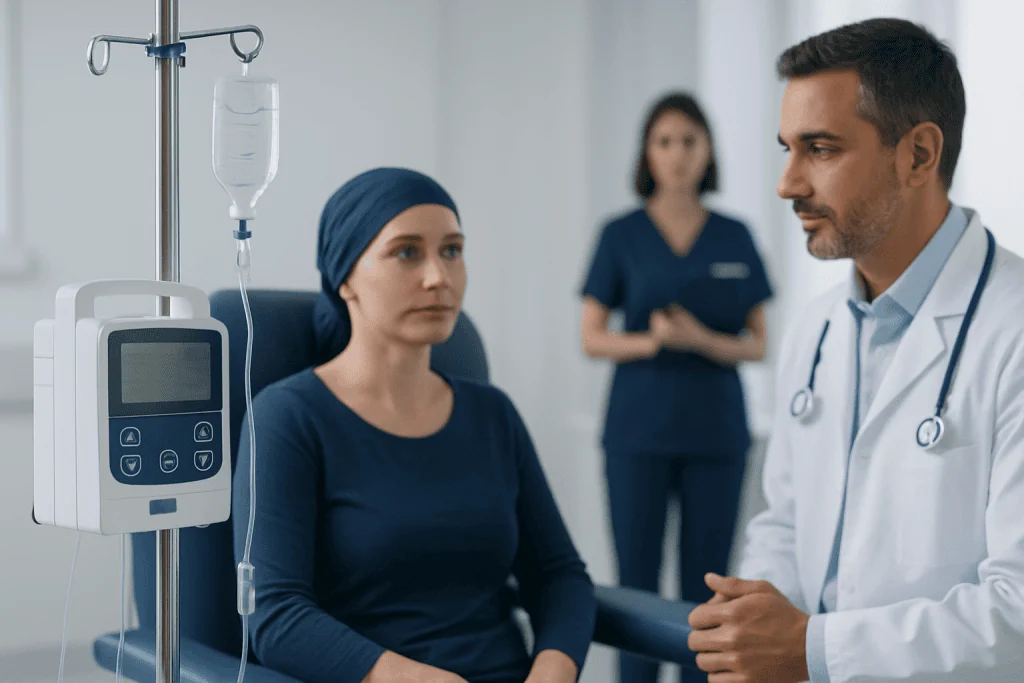
Before chemotherapy is given, your team may check your blood counts, kidney and liver function, vital signs and any symptoms you have experienced since your last visit. These results help the oncologist decide whether treatment can proceed as planned, whether supportive medicines are needed or whether a schedule adjustment is safer. You should mention fever, infection symptoms, unusual bleeding, severe nausea, new pain or any emergency visit since your previous appointment.
You may meet a nurse, oncology physician or both before entering the infusion area. This is the right moment to ask practical questions: how long the infusion may take, whether you can eat during treatment, which side effects to watch for, and what to do after office hours if you feel unwell. If English is not your preferred language, ask for an interpreter rather than relying on memory or guesswork.
Medication preparation is a careful process and can take time. Chemotherapy drugs are often prepared individually after the medical team confirms your dose and blood results. At JCI-accredited hospitals such as Acibadem, these safety steps include identity checks, medication verification and nursing protocols designed to reduce preventable errors.
What the Chemotherapy Area Feels Like
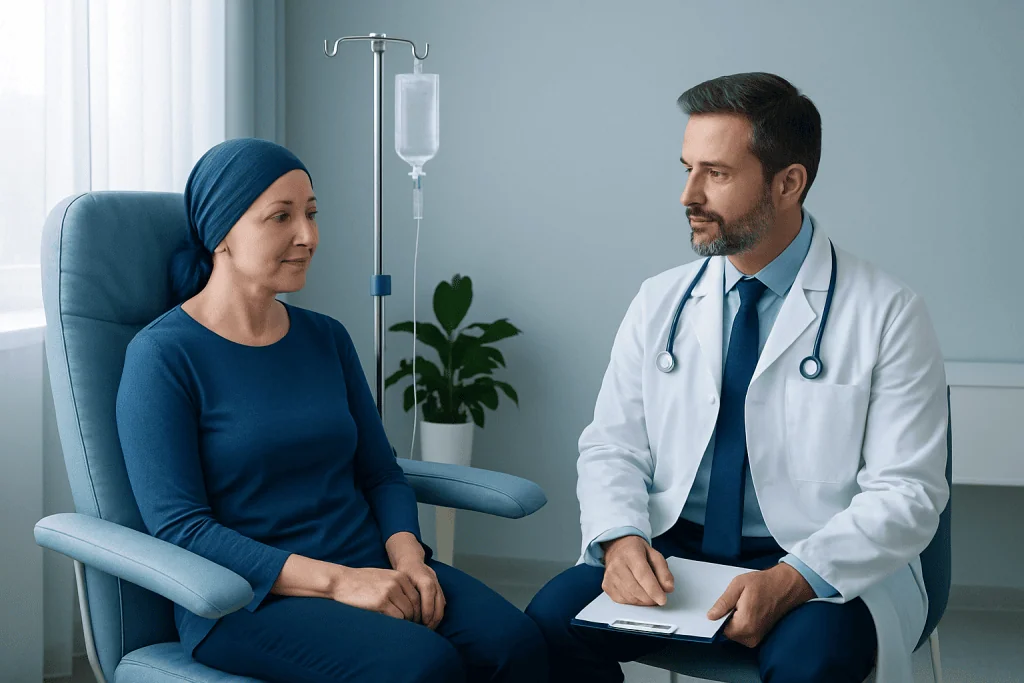
The chemotherapy unit is usually quieter and more structured than a general waiting area. You may be seated in a treatment chair or bed, depending on your condition, the infusion duration and unit availability. Nurses will confirm your identity, explain the immediate steps and monitor you during treatment. If you have a port, catheter or peripheral IV line, the nurse will prepare the access site according to hospital protocol.
Comfort matters because a chemotherapy session can last from a short visit to most of the day. Wear loose sleeves, layers and comfortable shoes. Many patients bring headphones, a book, a phone charger, lip balm and a light blanket or scarf. Ask before using strong fragrances, as some patients nearby may be sensitive to smells during treatment.
Food and drink rules vary according to your treatment plan and nausea risk, so follow the instructions given by your oncology team. In many cases, small snacks and water are helpful, but some patients may need fasting for tests, procedures or specific medications. If you have diabetes, swallowing difficulties, food allergies or a special diet, tell the team in advance so your day can be planned more safely.
Communication, Interpreters and International Patient Support
Clear communication is one of the most important parts of an international chemotherapy day. You should feel able to explain symptoms accurately and understand the instructions you receive before going back to your hotel or accommodation. Acibadem International can help coordinate interpreter support, appointment navigation and communication between departments, which is especially useful when your care involves oncology, imaging, laboratory services and pharmacy on the same day.
It helps to prepare a simple list before your appointment: current medicines, allergies, recent side effects, questions for the doctor and any travel plans. If you are continuing a chemotherapy protocol started in another country, bring your previous chemotherapy names, doses, dates, pathology reports and imaging results. Do not assume that a translated summary includes every detail your new team needs; original reports can still be important.
If you are unsure about an instruction, ask the team to repeat it slowly or write it down. This is particularly important for take-home medicines, fever thresholds, infection precautions and when to seek urgent care. A companion can also listen, take notes and help you remember details later, when you may feel tired.
Managing Comfort and Common Day-of-Treatment Concerns
Many patients feel anxious before chemotherapy, especially before the first session in a new country. This is understandable. You may be thinking about the medicine, possible side effects, language, transport and being away from home all at once. A calm plan can make the day feel more manageable: know your arrival time, who to contact, what to bring and how you will return to your accommodation.
Tell the nurse promptly if you feel burning, swelling, tightness, dizziness, chest discomfort, itching, shortness of breath, sudden chills or anything that feels unusual during the infusion. Most symptoms are not emergencies, but staff should assess them immediately. Do not wait until the end of the infusion to mention a concern.
For emotional comfort, small routines help. Some patients choose relaxing music, breathing exercises, prayer, journaling or video calls with family. If you are traveling with a companion, agree in advance whether you prefer conversation, quiet support or practical help with food, bags and communication. There is no single correct way to get through the day; the goal is to feel safe, informed and supported.
After the Infusion and Returning to Your Accommodation
When the infusion is complete, your nurse may flush the IV line or port, check your condition and provide discharge instructions. You may receive prescriptions or supportive medicines such as anti-nausea medication, depending on your treatment plan. Make sure you understand exactly when to take each medicine, whether it should be taken with food and what to do if vomiting prevents you from keeping tablets down.
Arrange transport back to your hotel or residence before you feel tired. Even if you feel well, it is usually best not to drive yourself after chemotherapy, particularly after your first session or if you received medicines that may cause drowsiness. If Acibadem International is assisting with logistics, ask in advance about transfer timing and where your driver or companion should meet you after discharge.
Your team should explain which symptoms require urgent contact, such as fever, severe diarrhea, uncontrolled vomiting, breathing difficulty, chest pain, confusion, signs of infection or bleeding. Keep the hospital contact numbers and your patient coordinator information saved on your phone and written on paper. If you are staying in Istanbul or another Turkish city between cycles, confirm which hospital location or emergency department you should use if a problem occurs at night.
Planning Between Cycles While You Are in Turkey
Chemotherapy is often given in cycles, which means your care plan may include repeat visits, blood tests, imaging, physician consultations and rest days. International patients should plan accommodation and return flights with flexibility, because treatment timing may change based on blood results or side effects. Avoid booking tightly timed flights immediately after chemotherapy unless your oncology team has confirmed it is appropriate.
Between cycles, keep a simple symptom diary. Record temperature readings, nausea, appetite, bowel changes, pain, sleep, mouth sores and any medicines you took. This information helps your oncology team adjust supportive care and gives you a clearer sense of what is normal for you after each infusion.
If you plan sightseeing or family visits during your stay, ask your doctor what is reasonable. You may need to avoid crowded indoor spaces, raw or unsafe foods, excessive sun, swimming pools or strenuous activity at certain times, depending on your immunity and treatment plan. Practical precautions can help you maintain daily life while still respecting your medical safety needs.
Step by step
- Confirm your appointment and arrival details. One or two days before treatment, confirm the hospital location, arrival time, expected duration and whether you need blood tests first. Ask your international patient coordinator where to check in and whether an interpreter has been arranged.
- Prepare your documents and medication list. Bring your passport, appointment confirmation, recent reports and a clear list of all medicines and supplements you take. Include allergies, previous reactions to treatment and any recent infections or hospital visits.
- Allow time for tests and medical review. Your chemotherapy may not start immediately after arrival because same-day blood results and physician approval may be needed. This waiting time is part of safe care and helps the team decide whether treatment should proceed as planned.
- Settle into the infusion area. Wear comfortable clothes and keep water, snacks if allowed, a charger and entertainment within reach. Tell the nurse if you feel cold, anxious, uncomfortable or unsure about any step.
- Speak up during treatment. Report new symptoms right away, even if they seem mild. Burning at the IV site, rash, dizziness, breathing changes or sudden discomfort should be checked promptly by the nursing team.
- Review your discharge instructions. Before leaving, make sure you understand your take-home medicines, emergency symptoms and next appointment. Ask for written instructions in a language you understand whenever possible.
- Return safely and rest. Use arranged transport or travel with a companion, especially after your first chemotherapy session. Once back at your accommodation, eat and drink as advised, rest, and keep contact numbers nearby.
Your checklist
- Passport or national ID and hospital appointment details
- Recent medical reports, chemotherapy protocol, pathology and imaging summaries
- Current medication and supplement list, including doses
- Allergy list and details of any previous treatment reactions
- Comfortable layered clothing with easy arm or port access
- Phone, charger, headphones and something quiet to read or watch
- Water bottle and light snacks, if your team says eating is allowed
- Notebook or notes app for questions and discharge instructions
- Hospital contact numbers, coordinator details and accommodation address
Key takeaways
- Chemotherapy day usually includes registration, blood tests, oncology review, medicine preparation, infusion monitoring and discharge guidance.
- International patients should bring complete medical records, a medication list and contact details for both local and home-country doctors.
- Interpreter support and patient coordination can make instructions, side-effect reporting and logistics much easier.
- Waiting time is common because chemotherapy medicines are prepared carefully after same-day safety checks.
- Do not leave the hospital until you understand your take-home medicines, urgent warning signs and next appointment plan.
Frequently asked questions
How long will a chemotherapy day in Turkey take?
It can take several hours, even if the infusion itself is not very long. Time may be needed for check-in, blood tests, physician review, pharmacy preparation and post-infusion instructions. Your team can give you a rough estimate, but it is wise to keep the rest of the day flexible.
Can I bring a companion with me?
In most cases, having a companion is helpful, especially for your first treatment day or if you may feel tired afterward. Hospital policies may limit where companions can sit or how many people can enter the infusion area. Ask your coordinator in advance so you know what to expect.
Will an interpreter be available?
Interpreter support can often be arranged for international patients, but it is best to request it before your appointment. This is important for discussing symptoms, consent, medication instructions and emergency guidance. Acibadem International patient services can help coordinate language support when needed.
Can I fly home right after chemotherapy?
You should not book immediate travel without your oncologist's approval. Some patients feel well after treatment, while others may need monitoring, supportive medicines or schedule adjustments. Your doctor can advise based on your protocol, blood results, side effects and flight duration.
What should I do if I develop a fever after chemotherapy?
Fever after chemotherapy can be serious and should be handled according to your oncology team's instructions. Before leaving the hospital, confirm the temperature threshold that requires urgent contact and which number to call day or night. Do not self-treat a fever without medical advice.
Can I eat during chemotherapy?
Many patients can eat light snacks, but this depends on your treatment, nausea risk, tests and individual medical condition. Ask your nurse or doctor what is allowed on your treatment day. If you have diabetes, food allergies or a special diet, mention this before your appointment.
What if my blood tests are not suitable for chemotherapy that day?
Your oncologist may delay treatment, adjust supportive care or request further assessment if results show that proceeding is not safe. Although a delay can be frustrating when you have traveled for care, it is sometimes the safest decision. The team will explain the next step and help you understand the revised plan.
How does Acibadem International support chemotherapy patients from abroad?
Support may include appointment coordination, interpreter assistance, hospital navigation, communication with departments and guidance on travel or accommodation logistics. Your medical decisions remain with your oncology team, while patient services help make the practical side of care easier to manage. This can be especially valuable when you are receiving treatment away from home.
Add us as a Preferred Source to see more of our trusted health content across Google Search, AI Overviews and Discover.

More Patient Guides
Hospital vs Outpatient Treatment in Turkey: What Changes for International Patients
Hospital vs outpatient treatment in Turkey changes your stay, paperwork, support and recovery plan. Here is what international patients should expect.
9 min read
When Intensive Care May Be Needed After Surgery in Turkey
Intensive care after surgery in Turkey may be planned or precautionary. Learn what to expect in Istanbul, how families are updated, and…
9 min read
What to Bring for a Day Procedure in Turkey
What to bring for a day procedure in Turkey: pack your ID, medical documents, medications, comfortable clothes and a simple discharge plan.
8 min read