

Using Your Own Comfort Items in a Turkish Hospital Room
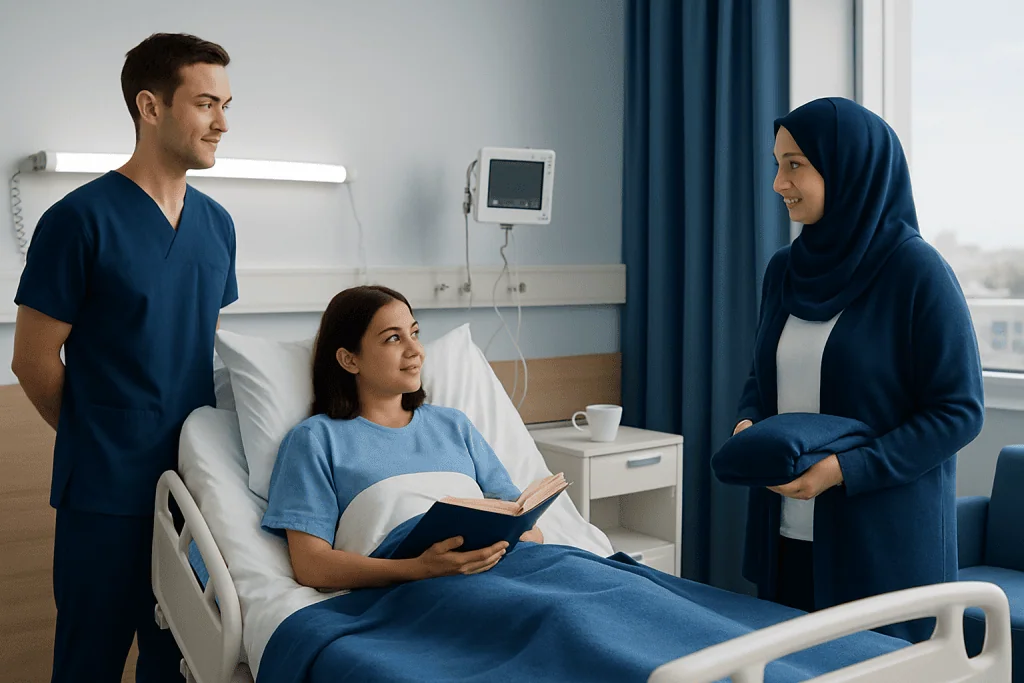
Comfort items in a Turkish hospital room can support your stay in Turkey or Istanbul. Learn what to pack, ask about, and leave at home.
Small familiar items can make your hospital room feel calmer, more personal, and easier to settle into during your stay in Turkey. This guide explains what you can usually bring, what to confirm with your care team, and how Acibadem International can help you keep comfort and safety in balance.
At a glance
- Best comfort items: Soft clothing, non-slip slippers, headphones, chargers, toiletries, photos, and small religious or cultural items
- Ask before using: Electric blankets, heating pads, diffusers, outside food, medical devices, and plug-in appliances
- Keep it simple: Bring items that are clean, compact, washable, and easy to move if your room or care plan changes
- Support available: International patient teams can help with interpreters, room questions, companion needs, and local logistics
- Main priority: Your comfort items should never interfere with infection control, monitoring equipment, mobility, or treatment access
Why comfort items matter during a hospital stay
When you are far from home, a hospital room can feel unfamiliar even when the care team is kind and the room is well equipped. Bringing a few personal comfort items helps you create a small sense of routine: the pillowcase you recognize, the prayer beads you reach for, the music that helps you sleep, or the cardigan that keeps you warm during quiet hours.
In Turkey, private hospital rooms are generally designed to support rest, privacy, and visits from a companion, but every hospital also follows safety, hygiene, and clinical access rules. That means your personal items are welcome when they are clean, practical, and do not block staff from caring for you quickly.
At Acibadem International, international patient services can help you understand what is suitable for your room before you arrive. If you are unsure whether an item is allowed, especially an electrical item or something related to food, mobility, or medical support, it is best to ask your patient coordinator or ward nurse rather than guessing.
Comfort items that are usually practical to bring
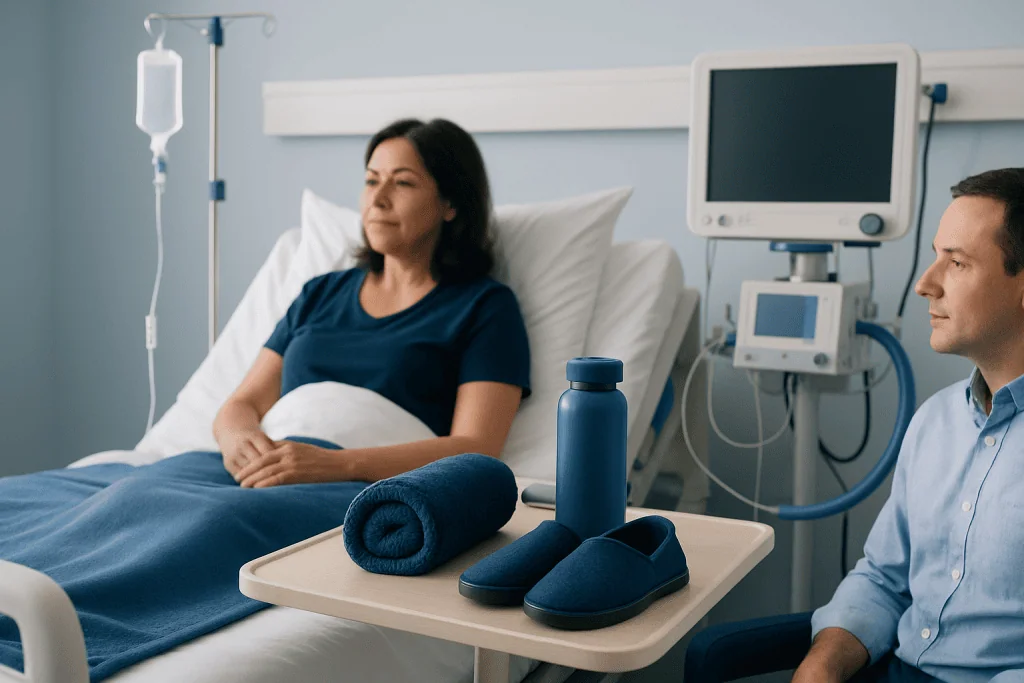
The easiest items are small, familiar, and simple to clean. Think about what helps you sleep, communicate, wash, move safely, and stay emotionally grounded. Your goal is not to recreate your whole bedroom; it is to bring a few things that make the hospital environment feel manageable.
Useful comfort items often include loose front-opening clothes, a light robe, underwear, socks, non-slip slippers, lip balm, unscented moisturizer, your preferred toothbrush and toothpaste, reading glasses, a phone charger, headphones, and a small notebook. If you use a sleep mask, earplugs, a travel pillow, or a lightweight shawl, these can also make rest easier.
- Choose items that fit in one small suitcase or overnight bag.
- Label important belongings with your name and phone number.
- Bring washable fabrics rather than delicate or expensive items.
- Keep your passport, insurance papers, and medical documents separate from comfort items.
If you are staying in Istanbul or another Turkish city for several days before or after treatment, consider packing in layers. Hospital rooms may feel warmer or cooler than your hotel room, and your personal comfort can change after tests, treatment, or medication.
Items to ask about before using in your room
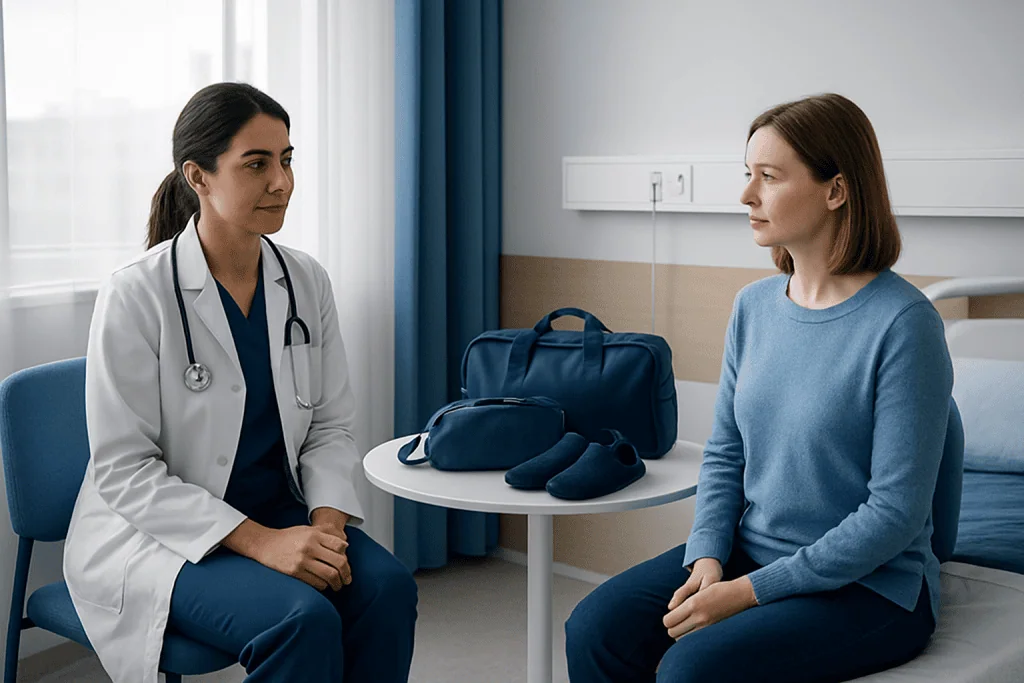
Some items that feel comforting at home may not be appropriate in a hospital room without approval. This is usually because of infection control, fire safety, electrical safety, allergies, or the need for nurses and doctors to reach you and your equipment easily.
Before using any plug-in item, ask the ward team. This includes heating pads, electric blankets, extension cords, humidifiers, aroma diffusers, kettles, coffee machines, fans, and personal medical devices not already reviewed by the hospital. Even if the item works safely at home, hospital electrical and oxygen safety rules may be different.
Food and drinks also need a quick check. Depending on your treatment, fasting plan, medication, diabetes care, digestive needs, or allergy risk, outside food may be limited. If a companion wants to bring a favorite snack, traditional food, or herbal tea, ask your nurse first so the team can confirm it fits your care plan.
Strong fragrances are another area to handle gently. Perfumes, scented candles, incense, and essential oils may affect other patients, staff, or your own breathing comfort. Flameless and unscented options are usually easier to manage, but it is still wise to ask.
Bedding, pillows, clothing, and personal textiles
Many patients sleep better with a familiar pillowcase, small blanket, or shawl. These items can be comforting, especially if you are adjusting to a different time zone or staying in hospital after a long journey. Keep textiles limited, clean, and easy for staff to move when bedsheets need changing or when clinical checks are required.
It is usually more practical to bring a pillowcase than a full pillow, and a lightweight throw rather than a heavy blanket. Hospital bedding is provided and changed according to hygiene routines, so personal bedding should not replace what the hospital needs to use. If you have allergies or very specific skin sensitivities, tell the nursing team so they can guide you.
Clothing should be chosen for comfort and access. Loose trousers, button-up shirts, zip-front tops, and robes are often easier than tight clothing. If you have an IV line, dressing, drain, cast, or movement restriction, your nurse can suggest what is easiest to wear without disturbing your care.
Non-slip slippers or closed-back house shoes are strongly recommended. Hospital floors can be smooth, and you may feel unsteady after medication, anesthesia, imaging, or long periods in bed. Comfort should always support safe movement.
Technology, entertainment, and staying connected
Your phone or tablet can be one of the most comforting things you bring. It keeps you connected with family, translation tools, prayer apps, music, audiobooks, banking, travel documents, and your patient coordinator. Pack a charger with the correct adapter for Turkey, where Type C and Type F plugs are commonly used, and consider a long cable so you can charge from a convenient place.
Headphones are helpful for privacy and for keeping the room calm. Use them for video calls, relaxation tracks, or movies, especially during shared waiting times or when your companion is resting. Keep volume at a level that allows you to hear nurses if they enter or call your name.
Bring entertainment that does not require much concentration. After a procedure or during medication changes, you may not feel like reading a complex book. Download films, podcasts, playlists, or simple games in advance in case you have moments when Wi-Fi is busy or you prefer not to rely on streaming.
If you need interpretation support, Acibadem International can help coordinate interpreters for care-related communication. Your own phone translation app can be useful for everyday comfort, but medical instructions should always be confirmed through the hospital team or interpreter.
Cultural, spiritual, and emotional comfort
Comfort is not only physical. Many international patients bring items that support prayer, reflection, family connection, or cultural routine. A small prayer mat, rosary, prayer beads, scripture, meditation object, family photo, or meaningful card can help you feel anchored during a stressful time.
Keep these items compact and easy to store in a bedside drawer. If you need quiet time, a particular visiting arrangement, or support with cultural preferences, tell your patient coordinator or nurse. Turkish hospital teams are used to caring for people from many countries, and clear communication helps them respect your needs while maintaining safe care routines.
If you are traveling with a companion, agree together which items belong at the bedside and which should stay at the hotel. Too many bags, gifts, or decorations can make the room harder to clean and can create obstacles if staff need to move equipment quickly.
Keeping your room safe, tidy, and easy for care
A calm hospital room is usually a simple hospital room. Keep walkways clear, store suitcases away from the bed area, and avoid placing belongings on clinical equipment, window ledges, or the floor. If you cannot reach something safely, use the call bell or ask your companion rather than stretching or standing suddenly.
Valuables should be kept to a minimum. Bring only the jewelry, cash, electronics, and documents you truly need, and ask where they can be stored safely. If you remove glasses, hearing aids, dentures, or jewelry before a test or procedure, place them in a labeled case rather than wrapping them in tissue, where they may be accidentally thrown away.
Cleanliness matters. Wash your hands before touching personal items, avoid sharing towels or grooming tools, and keep toiletries in a washable bag. If an item falls on the floor or becomes soiled, ask whether it should be cleaned, bagged, or taken away by your companion.
Your care plan may change, and you may be transferred for imaging, observation, or a different level of care. Packing lightly makes transitions easier for you, your companion, and the hospital team.
Step by step
- Make a comfort list before you travel. Write down the items that help you sleep, wash, communicate, pray, move safely, and feel calm. Then reduce the list to what fits in one small bag, prioritizing clean, lightweight, replaceable items.
- Check special items with your coordinator. Before packing electrical items, food, supplements, mobility aids, or personal medical devices, ask your Acibadem International patient coordinator what should be confirmed. This helps prevent delays or disappointment on admission day.
- Pack comfort items separately from documents. Keep your passport, reports, medication list, insurance papers, and hospital correspondence in a document folder. Your comfort items should be easy to reach, but they should not be mixed with paperwork needed for admission.
- Label and organize small essentials. Use pouches for chargers, toiletries, hearing aids, glasses, and personal care items. Label cases and bags with your name, especially if a companion will help move your belongings.
- Ask the nurse before setting up your room. When you arrive, ask where to place your suitcase, charger, slippers, and personal items. The nurse can help you keep the call bell, bed controls, and walking space clear.
- Review food and drink before consuming them. Even a familiar snack or herbal tea may not be suitable before tests, surgery, medication, or digestive recovery. Always check with your nurse first, and let your companion know the same rule.
- Repack daily and keep only what you use. Each day, move unused items back into your suitcase or send them to your hotel with your companion. A tidy bedside area makes cleaning easier and helps staff reach you safely.
Your checklist
- Loose, comfortable clothing that is easy to put on and remove
- Non-slip slippers or safe indoor shoes
- Phone, charger, plug adapter for Turkey, and headphones
- Toiletries in travel sizes, preferably unscented
- Glasses, hearing aids, dentures, or retainers in labeled cases
- Small comfort object such as a photo, prayer item, book, or shawl
- Medication list and allergy information, kept with your documents
- Reusable bag for laundry or items that need to go back to the hotel
- Notebook and pen for questions, instructions, and reminders
Key takeaways
- Bring a few familiar comfort items, but keep your hospital room simple, clean, and easy to move around in.
- Electrical devices, outside food, fragrances, and personal medical equipment should be approved before use.
- Soft clothing, non-slip footwear, chargers, headphones, and small personal objects are usually the most practical items.
- Your care team may need quick access to you, so avoid clutter around the bed, floor, call bell, and equipment.
- Acibadem International patient services can help you with interpretation, room questions, companion needs, and practical stay logistics.
Frequently asked questions
Can I bring my own pillow or blanket to a Turkish hospital room?
You can usually bring a small, clean pillowcase, shawl, or lightweight blanket, but it is best to keep bedding minimal. Hospital bedding is provided and managed according to hygiene routines. Ask your nurse before using bulky bedding, especially if you have dressings, lines, or mobility restrictions.
Can I use my own heating pad, electric blanket, or diffuser?
Do not use plug-in comfort items until the ward team approves them. Hospitals have strict electrical, oxygen, allergy, and fire-safety rules. If warmth, dry air, or relaxation is a concern, tell your nurse so a safe alternative can be considered.
May my family bring homemade food to my room?
Sometimes yes, but you should always check first. Your diet may be restricted because of fasting, tests, surgery, medication, allergies, diabetes, or digestive recovery. If food is allowed, ask how it should be stored and whether it needs to be labeled.
What should I avoid bringing to hospital in Turkey?
Avoid valuables, large decorations, candles, incense, strong perfumes, bulky bedding, and unnecessary appliances. You should also avoid bringing too many bags, as clutter can make cleaning and nursing care more difficult. If an item is expensive or difficult to replace, it is safer to leave it at your hotel or home.
Can I bring religious or cultural items?
Yes, small religious or cultural comfort items are generally suitable when they are clean, compact, and do not interfere with care. You may bring items such as prayer beads, a small book, a photo, or a folded prayer mat. If you need privacy or support for a specific practice, tell your nurse or patient coordinator.
Will there be space for my companion's belongings?
Private hospital rooms often allow space for a companion, but storage is still limited. Your companion should pack lightly and keep bags away from walkways and clinical areas. Acibadem International can help clarify companion arrangements and practical room questions before your admission.
Should I bring toiletries, or are they provided?
Basic room amenities may vary, so it is sensible to bring your preferred travel-size toiletries. Choose gentle, unscented products, especially if your skin is sensitive or you will be near other patients. Keep toiletries in a washable pouch and ask before using products near wounds, dressings, or medical devices.
Add us as a Preferred Source to see more of our trusted health content across Google Search, AI Overviews and Discover.
More Patient Guides
How to Prepare for Your First Night in Hospital in Turkey
First night in hospital in Turkey: pack light, bring key documents, confirm your companion plan, and know what to expect on arrival…
8 min read
Staying Connected During Treatment in Turkey: SIM Cards, Wi-Fi, and Useful Apps
Staying connected during treatment in Turkey is easiest with airport Wi-Fi, an eSIM or local SIM, and a few essential apps for…
8 min read
Meals in Turkish Hospitals: What International Patients Can Expect
Meals in Turkish hospitals are planned for your medical needs, with dietary options, timing guidance, and practical help for international patients in…
8 min read