

Bringing Outside Food to a Hospital in Turkey: What to Ask First

Bringing outside food to a hospital in Turkey is possible only after checking ward rules, diet orders and food safety with your care team in Istanbul.
If you or your companion would like to bring familiar food into the hospital, the safest first step is to ask the ward team before anything is delivered or eaten. This guide explains who to ask, what details to share, and how to keep meals safe, respectful and aligned with your care plan during a hospital stay in Turkey.
At a glance
- Best first contact: Your nurse or international patient coordinator
- Most important check: Whether your doctor has ordered a specific diet or fasting period
- Food safety priority: Fresh, clearly labelled food kept at the right temperature
- High-caution areas: ICU, oncology, transplant, isolation and post-operative units
- Companion meals: Often easier to arrange, but still subject to ward rules
Why you should ask before bringing food
Bringing outside food to a hospital in Turkey can feel comforting, especially when you are far from home and familiar tastes help you feel settled. However, hospitals manage food carefully because meals are part of patient safety, not just hospitality. Your care team may need to control ingredients, timing, portion size, food texture, salt, sugar, fluid intake, allergens or infection risk.
Even a small snack can matter if you are fasting before imaging, waiting for surgery, taking certain medicines, recovering after anaesthesia or following a special diet. Some patients can eat normally, while others may have temporary restrictions that change from day to day. This is why the safest answer is always personal: ask before the food arrives and again before you eat it.
At Acibadem International hospitals, the nurse, dietitian, doctor and international patient services team can help you understand the rules in clear language. If you need an interpreter, ask early so you can discuss ingredients, religious or cultural preferences, and any family traditions around food without confusion.
Who to ask and what to say
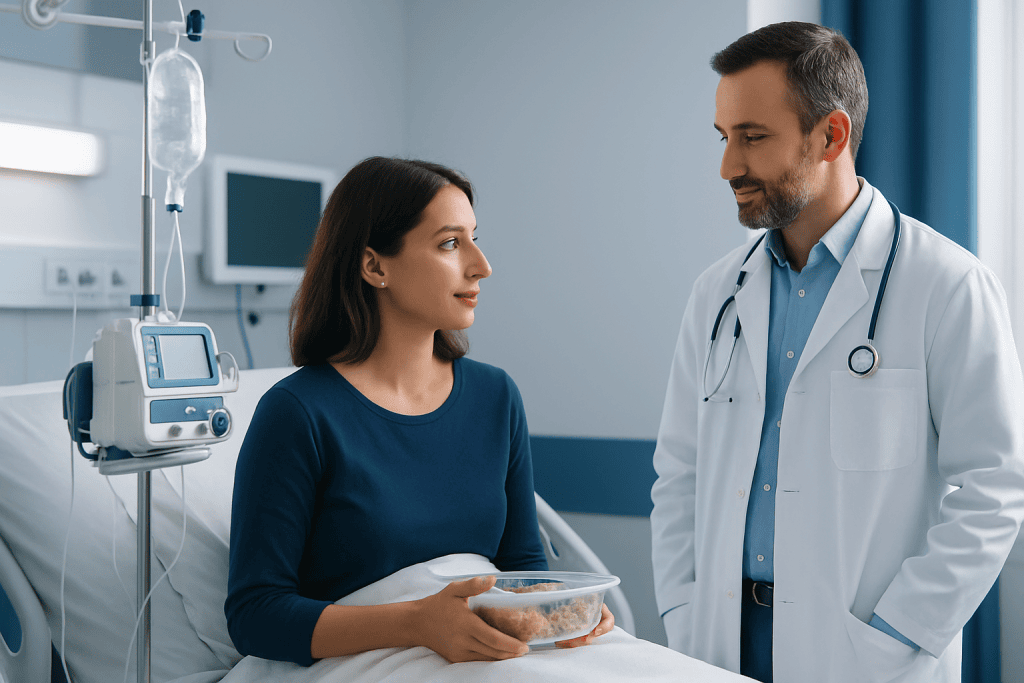
Your bedside nurse is usually the best person to ask first because they know your current diet order and ward rules. You can also ask your international patient coordinator, who can help communicate with the clinical team and explain local hospital processes. If the question involves a medical condition, allergy, diabetes, swallowing difficulty, digestive symptoms or recent surgery, the nurse may check with your doctor or dietitian before giving an answer.
Be specific when you ask. Instead of saying, “Can my family bring food?” say what the food is, who prepared it, when it will arrive, whether it needs heating or refrigeration, and how much you plan to eat. If there are sauces, spices, nuts, dairy products, raw ingredients or herbal items, mention them clearly.
Helpful questions include: “Am I allowed to eat now?” “Do I have a special diet today?” “Is this food suitable for my condition?” “Can it be stored safely on the ward?” and “Where should my companion eat?” These simple questions help the team give practical guidance rather than a general yes or no.
Common situations where outside food may be restricted
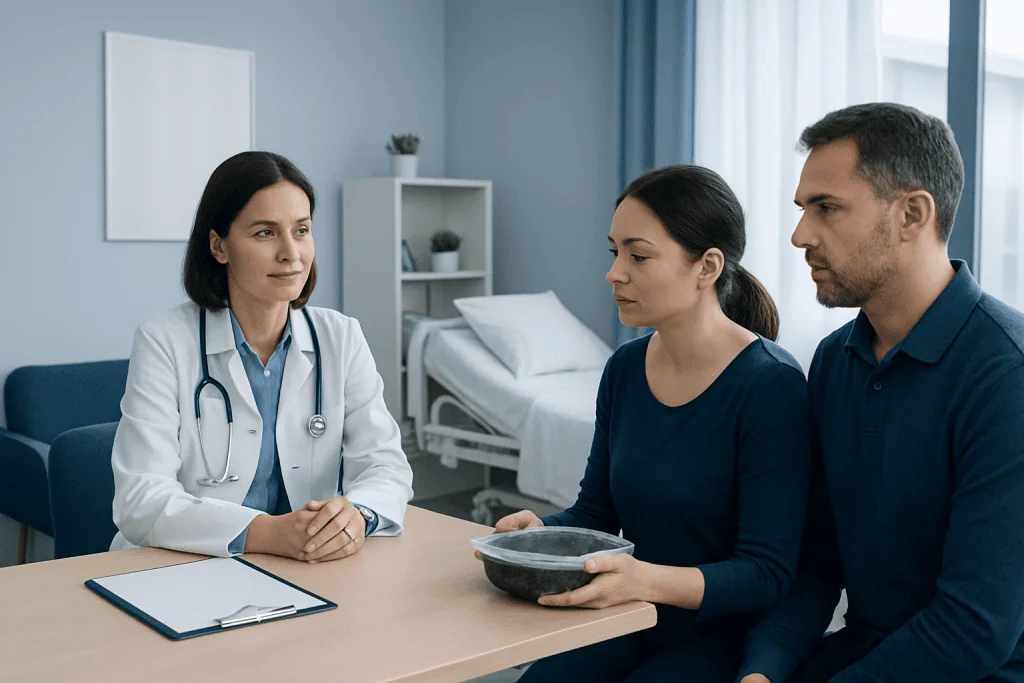
Restrictions are more likely in certain hospital areas or phases of care. For example, if you are in intensive care, an isolation room, an oncology or transplant-related unit, or you have a weakened immune system, the team may limit outside food because of infection prevention rules. Fresh foods that are not prepared under controlled conditions can carry bacteria even when they look and smell normal.
After surgery or during certain treatments, your digestive system may need time to recover. You may begin with clear liquids, then soft foods, then regular meals, depending on your doctor’s instructions. In these situations, homemade bread, rice, fruit, soups or sweets may be familiar but not yet appropriate.
There may also be temporary fasting instructions before procedures, scans, blood tests or sedation. If you eat during a fasting period, your appointment may need to be delayed for safety reasons. If you are unsure whether you are fasting, ask before taking even a bite, sip, mint or chewing gum.
Food safety basics for family-prepared meals
If the hospital team says outside food is allowed, keep it simple and safe. Choose freshly prepared food from a reliable source, pack it in clean containers, and label it with the patient’s name, room number, date and time prepared, and any important ingredients. Avoid bringing large quantities because storage space is limited and leftovers may not be permitted.
Temperature control matters. Hot food should arrive hot and be eaten promptly if approved. Cold food should stay chilled during transport, especially dairy, meat, fish, cooked rice, eggs, sauces and cut fruit. If food has been kept at room temperature for too long, the safest choice is not to eat it.
Avoid high-risk items unless your care team specifically approves them. These may include raw seafood, unpasteurised dairy, undercooked eggs, raw sprouts, buffet food, heavily creamy dishes, foods with unknown ingredients, and anything that has travelled for many hours. Also avoid sharing patient food with other patients, as allergies and diet restrictions can be serious.
Cultural, religious and comfort foods
Food is closely connected to culture, faith and emotional comfort. If you prefer halal food, vegetarian meals, low-spice dishes, familiar breakfast items, or foods linked to your home country, tell the hospital team early. Many needs can be supported through the hospital meal service, and when appropriate, the team can advise whether a family-prepared alternative is acceptable.
If you are staying at an Acibadem International hospital, international patient services can help communicate your preferences to the relevant teams. Interpreters can be especially helpful when a dish has ingredients that are hard to translate, such as spice blends, broths, fermented foods, herbal additions or traditional sweets.
It is also helpful to separate “comfort food for the patient” from “food for companions.” Your companion may have more flexibility, but they still need to respect ward rules, visiting policies, odours, shared spaces and waste disposal. Strong-smelling foods may be discouraged in patient areas even when they are safe to eat.
Storage, reheating and ward etiquette
Before bringing food, ask whether the ward has a refrigerator, whether patient food can be stored there, and who is responsible for labelling and removing it. Some units cannot store outside food at all. Others may allow short-term storage only, with clear labels and time limits.
Reheating rules also vary. For safety and hygiene reasons, staff may not be able to heat food brought from outside, or they may only do so in designated areas. Do not use hospital equipment without permission, and do not leave open food containers on bedside tables, windowsills or in companion areas.
Good etiquette protects everyone. Bring only what is needed, keep containers sealed, clean up spills quickly, dispose of waste properly, and avoid offering food to roommates or other families. If the nurse asks you to remove food, it is usually because of safety, infection control or diet rules rather than personal preference.
When the answer is no: comfortable alternatives
If outside food is not allowed, you still have options. Ask whether the hospital kitchen can adjust meal preferences, texture, seasoning, timing or portion size. You may be able to request milder flavours, simple foods, vegetarian choices or foods that better match your usual routine, depending on your medical plan and hospital availability.
If you are struggling with appetite, nausea, taste changes, homesickness or anxiety around food, tell your nurse instead of quietly skipping meals. The team can decide whether a dietitian should be involved or whether medication timing, food temperature, meal size or snack timing can be adjusted.
Your companion can also help without bringing food. They can remind you to ask before eating, note what meals are tolerated, help communicate preferences, and create a calmer mealtime environment. Sometimes the most supportive step is not providing a specific dish, but helping the care team understand what feels difficult for you.
Step by step
- Check your current diet order. Ask your nurse whether you are allowed to eat and drink today, and whether you have any restrictions. Diet orders can change after surgery, imaging, tests or a doctor’s review, so do not rely on yesterday’s instructions.
- Describe the exact food. Tell the team what the food contains, how it was prepared, and whether it includes allergens, raw ingredients, dairy, meat, seafood, spices, herbal products or added sugar. A clear description helps the nurse, doctor or dietitian make a safer decision.
- Confirm storage and timing. Ask when the food should arrive, whether it can be refrigerated, and whether reheating is possible. If safe storage is not available, bring only a small portion that can be eaten promptly if approved.
- Label everything clearly. Use a clean container with the patient’s name, room number, preparation date and time, and the food name. If a companion is bringing multiple items, label each one separately to avoid confusion.
- Ask again before eating. When the food arrives, check once more with the nurse before you eat. This is important because you may have new instructions, medication timing, fasting requirements or symptoms that affect the decision.
- Keep companions’ food separate. If your companion brings food for themselves, ask where they may eat and store it. Companion food should not be placed near medical equipment, patient meals or shared clinical areas.
- Remove leftovers promptly. Do not keep leftovers at the bedside or assume they can stay in a ward refrigerator. If the team advises disposal or removal, follow the instruction to reduce odours, contamination risk and clutter.
Your checklist
- Ask your nurse before bringing or eating any outside food.
- Confirm whether you are fasting or on a special diet.
- Share the full ingredient list, including sauces, spices and allergens.
- Avoid raw, undercooked, unpasteurised or long-travelled foods.
- Bring small portions in clean, sealed and labelled containers.
- Keep hot foods hot and cold foods cold during transport.
- Ask whether refrigeration or reheating is allowed on the ward.
- Do not share patient food with other patients or families.
- Remove leftovers and packaging as soon as requested.
Key takeaways
- Outside food may be allowed in some hospital settings, but only after your care team confirms it is safe for your current plan.
- Diet restrictions can change quickly, especially before procedures, after surgery or during certain treatments.
- Food safety, temperature control, labelling and storage are just as important as ingredients.
- High-caution units may restrict outside food more strictly to protect patients from infection and complications.
- Acibadem International’s nurses, dietitians, interpreters and patient coordinators can help you ask the right questions during your stay.
Frequently asked questions
Can my family bring homemade food to a hospital in Turkey?
Sometimes, but you should always ask the ward team first. The answer depends on your diet order, diagnosis, treatment stage, infection risk and the hospital unit you are staying in. If it is allowed, the team may still give instructions about ingredients, portion size, timing and storage.
Who gives permission for outside food?
Start with your bedside nurse, who can check your current diet instructions and ward policy. If needed, the nurse may ask your doctor or dietitian for approval. Your international patient coordinator or interpreter can help if you need language support.
What foods are usually safest to bring if approved?
Simple, freshly prepared foods in small portions are usually easier to assess. They should be fully cooked, transported safely and clearly labelled. Avoid foods with unknown ingredients, raw items, unpasteurised products or anything that has been unrefrigerated for a long time.
Can I eat before a scan, surgery or blood test?
Do not eat or drink unless your nurse confirms it is allowed. Many procedures and some tests require fasting for safety or accuracy. If you accidentally eat during a fasting period, tell the team immediately so they can advise you.
Can my companion bring food for themselves?
Companion food is often easier to manage than patient food, but ward rules still apply. Ask where your companion may eat, whether food can be stored, and how to dispose of packaging. Strong odours, shared rooms and infection control rules may limit what is appropriate.
What if I do not like the hospital meals?
Tell your nurse or international patient coordinator rather than skipping meals. The team may be able to adjust meal preferences, seasoning, texture, timing or food choices within your care plan. If appetite or nausea is a problem, they can also guide you on next steps.
Can I bring herbal teas, supplements or traditional remedies?
Ask before taking any herbal tea, supplement, powder or traditional remedy. Some products can interact with medicines, affect bleeding risk, influence blood pressure or change test results. Bring the original packaging if available so the team can review the ingredients.
Add us as a Preferred Source to see more of our trusted health content across Google Search, AI Overviews and Discover.
More Patient Guides

How to Prepare for Your First Night in Hospital in Turkey
First night in hospital in Turkey: pack light, bring key documents, confirm your companion plan, and know what to expect on arrival…
8 min read
Staying Connected During Treatment in Turkey: SIM Cards, Wi-Fi, and Useful Apps
Staying connected during treatment in Turkey is easiest with airport Wi-Fi, an eSIM or local SIM, and a few essential apps for…
8 min read
Meals in Turkish Hospitals: What International Patients Can Expect
Meals in Turkish hospitals are planned for your medical needs, with dietary options, timing guidance, and practical help for international patients in…
8 min read