Natural Cycle IVF: Candidates, Process, and Trade-Offs

Natural Cycle IVF uses little or no ovarian stimulation and usually aims to retrieve one egg from the body’s natural cycle. It may be considered for people who respond poorly to stimulation, prefer lower medication exposure, or need to avoid high estrogen levels, but it is not suitable for everyone.
Key Takeaways
- Natural Cycle IVF uses little or no ovarian stimulation and usually aims to retrieve one egg from the body’s natural cycle.
- It may be considered for people who respond poorly to stimulation, prefer lower medication exposure, or need to avoid high estrogen levels, but it is not suitable for everyone.
- The process still requires close ultrasound and hormone monitoring, egg retrieval, laboratory fertilization, and embryo transfer if an embryo develops.
- Compared with conventional IVF, Natural Cycle IVF typically produces fewer embryos and may require more attempts to reach pregnancy.
- A fertility specialist can compare Natural Cycle IVF with conventional IVF, mild stimulation IVF, IUI, donor eggs, or other options based on age, ovarian reserve, diagnosis, and goals.
Natural Cycle IVF is an in vitro fertilization approach that aims to retrieve the single egg naturally selected during a menstrual cycle, usually with little or no ovarian stimulation medication. It may be appropriate for selected patients, but it has important trade-offs, including fewer eggs and a higher chance of cycle cancellation.
Overview
Natural Cycle IVF is a form of in vitro fertilization that works with the egg the ovaries naturally select in a menstrual cycle. In a typical month, several follicles begin to grow, but usually one becomes dominant and releases an egg at ovulation. Natural Cycle IVF follows that dominant follicle closely and aims to retrieve the egg before ovulation so it can be fertilized in the laboratory.
This approach differs from conventional IVF treatment, where injectable fertility medicines are used to stimulate the ovaries to mature multiple eggs at once. Natural Cycle IVF may use no stimulation medication, or it may include very limited medication to prevent premature ovulation or to support final egg maturation. Some clinics also use the related term mild or minimal stimulation IVF when low-dose stimulation is used to obtain a small number of eggs.
The appeal of Natural Cycle IVF is that it may reduce medication exposure, monitoring of ovarian hyperstimulation risk, and the emotional burden some patients associate with high-dose stimulation. However, it is not a shortcut or an easier version of IVF for every patient. Because usually only one egg is available, there may be no egg retrieved, no fertilization, or no embryo suitable for transfer in a given cycle.
Who May Be a Candidate
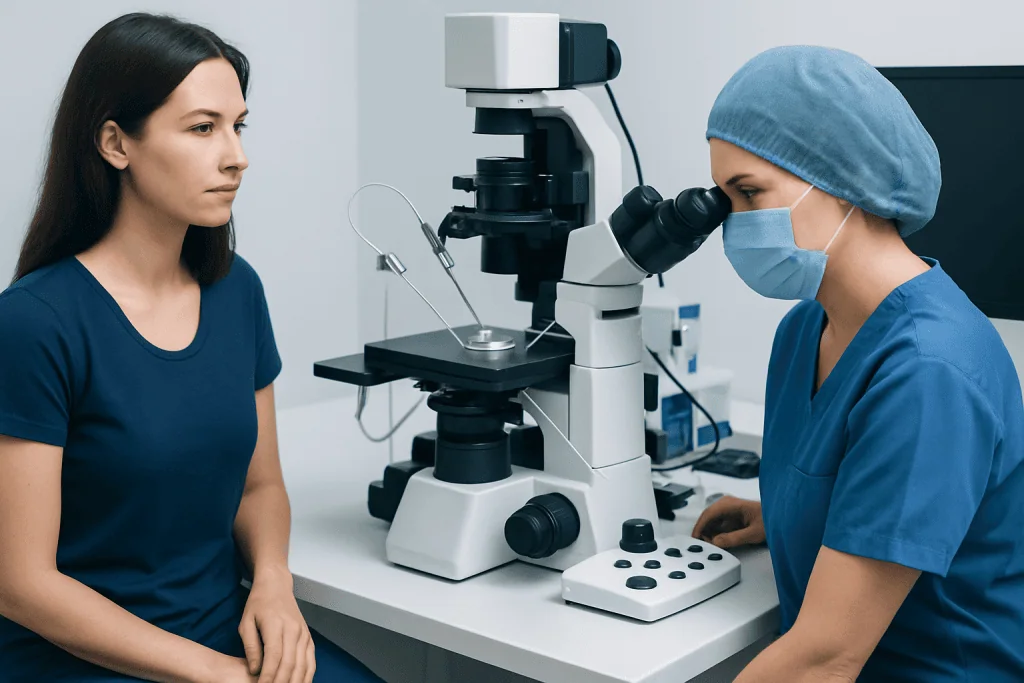
Natural Cycle IVF may be discussed when a patient’s medical situation, fertility history, or personal preferences make standard ovarian stimulation less suitable. It is most often considered after a careful fertility evaluation rather than as a first choice for everyone. Age, ovarian reserve tests, previous response to fertility medication, sperm factors, uterine health, and the couple’s or individual’s goals all influence the recommendation.
Possible candidates may include people who have had a very low response to conventional stimulation, sometimes called poor ovarian response, where high medication doses are unlikely to produce many eggs. It may also be considered for patients who wish to avoid high estrogen levels for medical reasons, those at increased risk of ovarian hyperstimulation syndrome, or those who prefer a lower-medication approach after understanding the lower yield per cycle.
Natural Cycle IVF may not be the best option when multiple embryos are needed for genetic testing, when time is limited because of advanced reproductive age, or when the chance of obtaining a mature egg is expected to be very low. It may also be less efficient for many patients with tubal disease, significant male factor infertility, or unexplained infertility who could benefit from collecting several eggs in one cycle. A specialist evaluation for female infertility or broader infertility factors helps identify whether the approach is reasonable.
How the Natural Cycle IVF Process Works
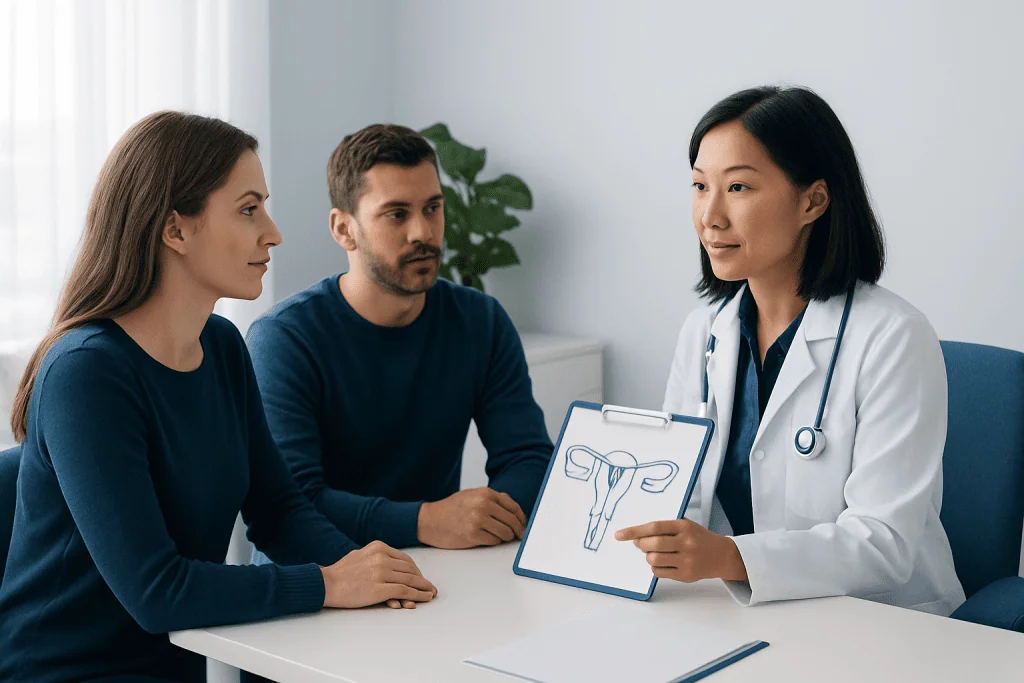
The process usually begins early in the menstrual cycle with a baseline ultrasound and sometimes blood tests to measure reproductive hormones. The fertility team then monitors the growth of the dominant follicle with ultrasound scans and hormone testing. The goal is to identify the best time to trigger final egg maturation or to schedule egg retrieval before natural ovulation occurs.
Although Natural Cycle IVF is often described as drug-free, many protocols use some medication. A trigger injection may be used to mature the egg and time retrieval. In some cases, medication may be prescribed to reduce the chance of premature ovulation. Luteal phase support, such as progesterone, may be recommended after retrieval or embryo transfer depending on the protocol.
Egg retrieval is a short procedure performed with ultrasound guidance. If an egg is collected, it is assessed in the embryology laboratory and fertilized with sperm. Fertilization may be performed by standard insemination in the laboratory or by intracytoplasmic sperm injection, especially when sperm quality is reduced or when only one egg is available and the team wants to maximize the chance of fertilization.
If fertilization occurs and the embryo develops appropriately, embryo transfer may be performed in the same cycle or the embryo may be frozen for transfer later. A pregnancy test is done at the recommended time after transfer. If no egg is retrieved, the egg is not mature, fertilization does not occur, or embryo development stops, the cycle may end without transfer.
Benefits and Reasons Patients Consider It
One potential benefit of Natural Cycle IVF is lower exposure to ovarian stimulation medication. This can be meaningful for patients who are sensitive to medication side effects, have medical reasons to avoid high hormone levels, or prefer a treatment plan that more closely follows their natural cycle. It may also reduce the risk of ovarian hyperstimulation syndrome, a complication associated mainly with stimulated cycles in high responders.
Some patients find the idea of focusing on egg quality rather than egg quantity reassuring, especially after previous cycles that produced many immature or poor-quality eggs. However, it is important to understand that Natural Cycle IVF does not improve egg quality by itself. Egg quality is strongly influenced by age and biology; the approach simply changes how many eggs are targeted and how much medication is used.
Natural Cycle IVF may also be considered when conventional stimulation repeatedly produces only one or two eggs despite high doses of medication. In that situation, a lower-medication cycle may offer a similar egg yield with less medication and cost related to drugs, although total costs can increase if several cycles are needed. The overall value depends on the patient’s response pattern, clinic protocols, and the number of attempts required.
Trade-Offs, Limitations, and Success Considerations
The main trade-off of Natural Cycle IVF is that fewer eggs usually mean fewer opportunities. In conventional IVF, retrieving several eggs may allow the laboratory to create more than one embryo, choose the best embryo for transfer, freeze additional embryos, or perform genetic testing when appropriate. In Natural Cycle IVF, a single cycle may produce one egg, and sometimes no usable embryo.
Cycle cancellation is more common than many patients expect. Ovulation may occur before retrieval, the follicle may not contain an egg, the egg may be immature, or fertilization may not occur. Even when an embryo forms, it may not develop to the stage needed for transfer or freezing. These possibilities can be emotionally difficult, so counseling before treatment is valuable.
Success rates depend on many factors, especially the age of the person providing the egg and the underlying fertility diagnosis. For younger patients with regular ovulation and good ovarian reserve, success per embryo transfer may be reasonable, but success per started cycle can be lower because some cycles do not reach transfer. For older patients, the chance of chromosomal abnormalities in eggs rises, and obtaining only one egg per attempt can make the path longer.
Patients should ask how a clinic reports outcomes for Natural Cycle IVF: per started cycle, per egg retrieval, per embryo transfer, or cumulative across several cycles. These numbers answer different questions. A transparent discussion helps patients compare Natural Cycle IVF with conventional IVF, mild stimulation IVF, intrauterine insemination, donor eggs, or other infertility treatment options.
Preparation and Self-Care During Treatment
Preparation begins with a complete fertility assessment. This may include menstrual history, ultrasound evaluation of the ovaries and uterus, ovarian reserve testing such as anti-Mullerian hormone and antral follicle count, hormone tests, semen analysis, and review of previous treatment records. Some patients may also need evaluation of the fallopian tubes or uterine cavity before starting.
Because timing is central to Natural Cycle IVF, patients need to be available for monitoring appointments, sometimes on short notice. The fertility team may adjust plans based on hormone levels and follicle growth. Missing a scan or blood test can increase the chance of missing ovulation, so practical planning around work, travel, and communication with the clinic is important.
General self-care supports overall reproductive health, although it cannot guarantee pregnancy. Patients are usually encouraged to avoid smoking, limit alcohol, discuss caffeine intake with their doctor, maintain a balanced diet, and take recommended prenatal vitamins such as folic acid when trying to conceive. Existing conditions, including thyroid disease, diabetes, endometriosis, or polycystic ovary syndrome, should be managed with qualified medical guidance.
Emotional preparation matters as much as physical preparation. Natural Cycle IVF can feel less intensive medically, but the uncertainty of having only one egg can be stressful. Many people benefit from discussing expectations in advance, identifying support systems, and asking the clinic what will happen if ovulation occurs early or no embryo is available for transfer.
Questions to Ask and When to See a Fertility Specialist
A fertility specialist can help determine whether Natural Cycle IVF is appropriate by comparing it with other options in a personalized way. Patients may wish to ask: Why is this approach recommended for this case? How often does the clinic cancel Natural Cycle IVF cycles before retrieval or transfer? Would mild stimulation offer a better balance? Is ICSI recommended? Are embryo freezing or genetic testing realistic with this approach?
Medical advice is especially important for people over 35 who have been trying to conceive for six months, people under 35 who have been trying for one year, and anyone with irregular periods, known endometriosis, previous pelvic infection, recurrent pregnancy loss, low sperm parameters, or prior unsuccessful fertility treatment. Earlier consultation is also appropriate before cancer treatment or other medical therapies that may affect fertility.
Patients should seek prompt medical care during fertility treatment if they develop severe pelvic pain, heavy bleeding, fever, fainting, or symptoms that feel unusual after egg retrieval. These problems are uncommon, but they should be assessed by a qualified clinician. Clear instructions from the fertility team about after-hours contact are an important part of safe care.
For international patients, Acibadem International’s multidisciplinary specialists and JCI-accredited hospitals provide evaluation and treatment for fertility conditions, including IVF-related care, with individualized planning. The most suitable pathway should always be based on a detailed consultation, medical records, test results, and the patient’s reproductive goals.
Frequently asked questions
Is Natural Cycle IVF the same as conventional IVF?
No. Conventional IVF usually uses ovarian stimulation medicines to mature several eggs in one cycle, while Natural Cycle IVF aims to retrieve the single egg naturally selected by the body. The laboratory steps, such as fertilization and embryo culture, are similar if an egg is retrieved.
Does Natural Cycle IVF mean no hormones at all?
Not always. Some protocols use no ovarian stimulation, but many include limited medication to time ovulation, trigger egg maturation, or support the uterine lining after retrieval. Patients should ask their clinic exactly which medicines are included in their protocol.
Who is most likely to benefit from Natural Cycle IVF?
It may be considered for selected patients who respond poorly to stimulation, wish to reduce medication exposure, or need to avoid high estrogen levels. Suitability depends on age, ovarian reserve, ovulation pattern, sperm quality, previous treatment response, and overall fertility diagnosis.
Are success rates lower with Natural Cycle IVF?
Success per started cycle is often lower because there may be only one egg and some cycles do not reach embryo transfer. However, success can vary widely depending on age and diagnosis. Some patients compare cumulative outcomes over several natural cycles with one stimulated cycle.
Can Natural Cycle IVF be used with ICSI?
Yes. ICSI can be used if an egg is retrieved and the fertility team believes it is appropriate, particularly when sperm parameters are reduced or when there is only one egg available. The decision depends on the couple’s or individual’s clinical circumstances and laboratory recommendations.
What happens if ovulation occurs before egg retrieval?
If ovulation occurs before retrieval, the egg may no longer be available and the cycle may be cancelled. This is one reason close monitoring is essential in Natural Cycle IVF. The doctor may adjust medication or timing in a future attempt to reduce the chance of early ovulation.
Is Natural Cycle IVF less stressful than stimulated IVF?
Some patients find it less physically demanding because it may involve fewer injections and lower medication exposure. Others find it emotionally stressful because each cycle depends on one egg and cancellation is possible. Good counseling and clear expectations can help patients make an informed choice.
References
- European Society of Human Reproduction and Embryology
- American Society for Reproductive Medicine
- National Institute for Health and Care Excellence
- Royal College of Obstetricians and Gynaecologists
- World Health Organization
This article is for general information only and is not a substitute for professional medical advice. Please consult a qualified doctor about your individual situation.
Hair transplant in Turkey — costs, graft counts & a free assessment
JCI-accredited · board-certified surgeons · reply within 24h
Check your numbers in seconds
BMI, calories, due date, blood pressure and 30+ more clinical calculators — free, instant, doctor-reviewed ranges.

Related Treatments
Related Conditions
More from the Health Library



Related Specialists

Prof. Dr. Bülent Tıraş
Gynecology & Obstetrics
Prof. Dr. Mete Güngör
Gynecology & Obstetrics
Prof. Dr. Faruk Suat Dede
Gynecology & Obstetrics
Prof. Dr. Tansu Küçük
Gynecology & Obstetrics