Are Joints Bones? The Difference Between Bones, Joints, Cartilage, and Ligaments

Bones form the body’s framework and protect organs. Joints connect bones and help the body move.
Key Takeaways
- Bones form the body’s framework and protect organs.
- Joints connect bones and help the body move.
- Cartilage cushions joint surfaces and reduces friction.
- Ligaments hold bones together and support stability.
- Pain, swelling, stiffness, or reduced motion may suggest a joint problem.
- Persistent symptoms should be assessed by a qualified doctor.
Joints are not bones. They are the places where two or more bones meet, working with cartilage, ligaments, and other tissues to support movement and stability. Understanding the difference can make body mechanics, injuries, and joint pain easier to recognize and discuss with a doctor.
Overview
No, joints are not bones. A bone is a hard structure that gives the body shape, protection, and support, while a joint is the meeting point between two or more bones. In simple terms, bones are the building blocks, and joints are the connections that let the skeleton move in useful ways.
People often use the word “joint” to describe a body part such as a knee, shoulder, or wrist, but each of these areas includes several structures working together. The joint itself may contain cartilage, ligaments, tendons, synovial fluid, and a capsule that helps the bones move smoothly.
Because these parts function as a team, pain in a joint is not always caused by the bone itself. Symptoms may come from cartilage wear, ligament injury, inflammation, or surrounding muscles, which is why a careful medical assessment matters when symptoms persist.
What Bones Do
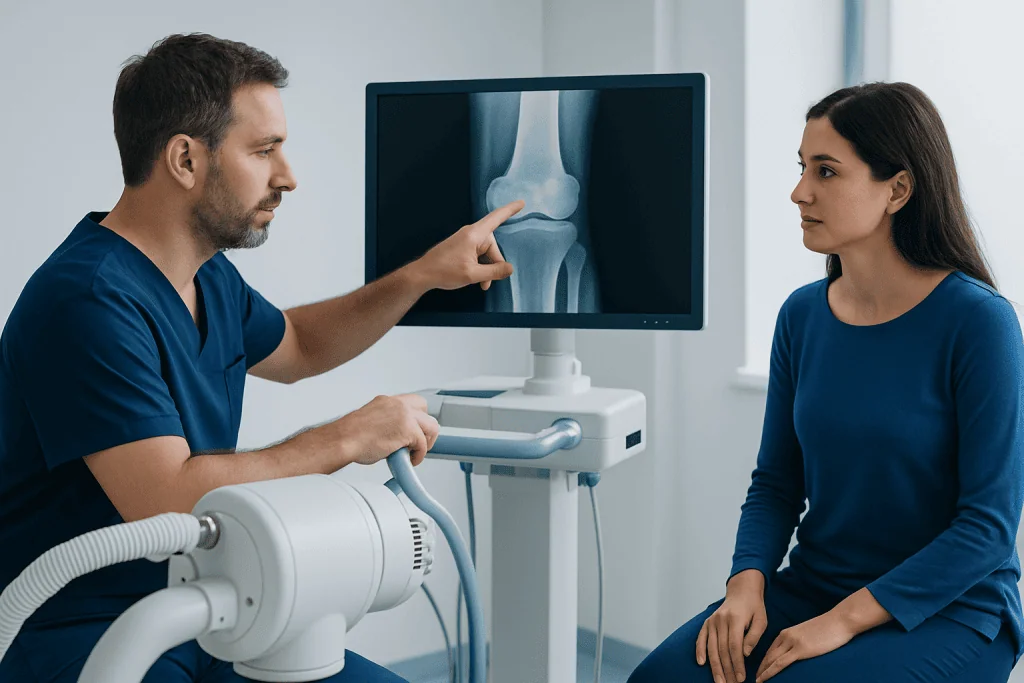
Bones are living tissue. They support the body, protect vital organs, store minerals such as calcium and phosphorus, and contain bone marrow, which helps produce blood cells. Bones also act as levers for movement when muscles pull on them.
Although bones may seem rigid, they are constantly changing through a process called remodeling. This ongoing renewal helps bones repair minor damage and adapt to everyday stress. Good nutrition, regular activity, and healthy habits support bone strength over time.
When bone tissue is weakened by injury, osteoporosis, infection, or other conditions, the skeleton may become more fragile. That can increase the risk of pain, deformity, or fracture, especially after a fall or other trauma.
What Joints Do
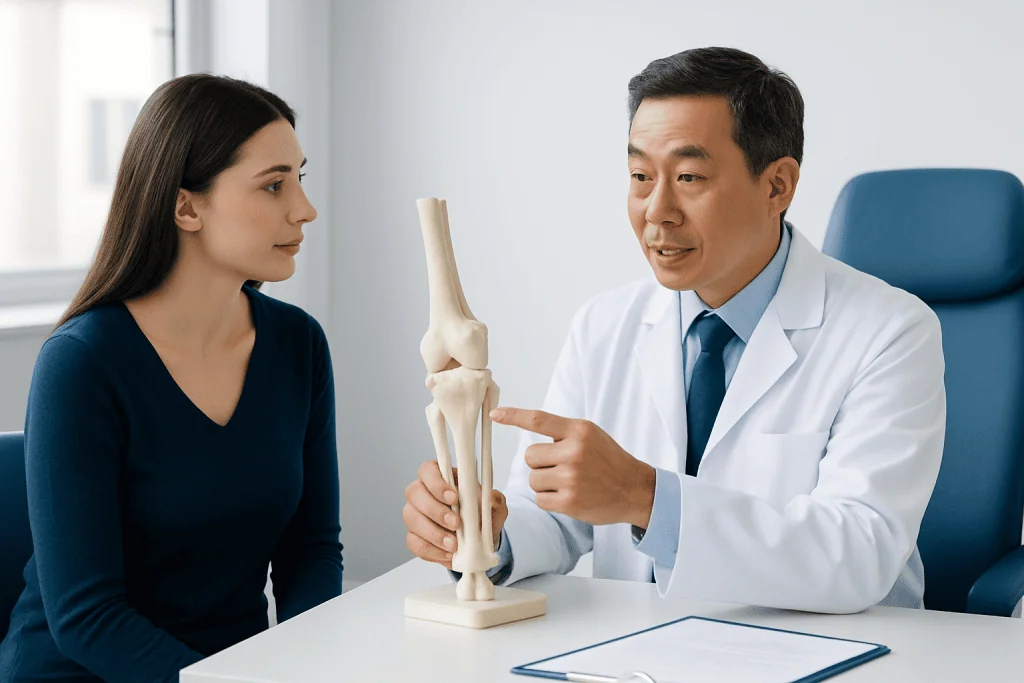
Joints are the points where bones connect. Their main role is to allow movement while keeping the skeleton stable enough for walking, reaching, bending, and gripping. Some joints move a great deal, like the shoulder, while others move only slightly, like the joints between the bones of the spine.
Different types of joints are designed for different levels of motion. For example, hinge joints such as the knee and elbow mainly move in one direction, while ball-and-socket joints such as the hip and shoulder allow movement in many directions.
Joints are often grouped by how much they move and by the tissues that surround them. This design helps explain why some joints are more flexible but less stable, while others are sturdier but less mobile.
Cartilage, Ligaments, and Other Support Tissues
Cartilage is a smooth, flexible tissue that covers the ends of many bones inside a joint. It acts like a cushion, helping bones glide over one another with less friction. Healthy cartilage is important for comfortable, efficient movement.
Ligaments are strong bands of connective tissue that link bone to bone. They help keep joints aligned and limit excessive movement. Tendons are related structures, but they connect muscle to bone rather than bone to bone.
Many joints also contain a capsule and synovial fluid. The capsule surrounds and protects the joint, while synovial fluid lubricates it. Together, these structures support smooth motion and help reduce wear during daily activity.
Common Causes of Joint Pain or Stiffness
Joint pain does not always mean there is a problem with the bones. Discomfort may be related to sprains, strains, overuse, arthritis, bursitis, tendon irritation, or cartilage wear. Some symptoms develop slowly over time, while others follow an injury or sudden twist.
Inflammatory conditions can also affect joints. In these cases, the joint may become swollen, warm, or stiff, especially after periods of rest. Some conditions affect a single joint, while others may involve several joints at once.
Age, repetitive motion, previous injury, excess body weight, and certain health conditions can increase the chance of joint problems. However, symptoms can occur in active people as well, so a balanced medical history and physical examination are often helpful.
How Doctors Evaluate Bone and Joint Problems
A doctor usually starts with a history and physical examination. Questions may cover when the pain began, which movements make it worse, whether there was an injury, and whether swelling, locking, or instability is present. The pattern of symptoms often gives important clues.
Depending on the findings, the doctor may recommend imaging tests such as an X-ray, ultrasound, CT scan, or MRI. X-rays are useful for looking at bone alignment and some joint changes, while MRI can show soft tissues such as cartilage, ligaments, and tendons in more detail.
Sometimes blood tests or joint fluid analysis are needed, especially if infection or inflammatory disease is suspected. The goal is to identify whether the source of symptoms is bone, joint, cartilage, ligaments, or nearby tissues so treatment can be tailored appropriately.
Treatment Options
Treatment depends on the cause of the problem. Many joint and bone conditions improve with rest, activity modification, physical therapy, and other conservative measures. For some people, supportive braces, walking aids, or supervised exercise may help restore function and reduce strain.
Medication may be recommended to reduce pain or inflammation, depending on the condition. In selected cases, doctors may suggest injections or procedures to address persistent symptoms. When structural damage, severe arthritis, or a fracture is present, surgery may be considered.
Acibadem International’s multidisciplinary specialists and JCI-accredited hospitals diagnose and treat bone and joint conditions for international patients. Where appropriate, specialized care may involve orthopedics, rehabilitation, radiology, and related disciplines working together.
Prevention & Self-care
Healthy bones and joints benefit from regular movement, balanced nutrition, and good posture. Weight-bearing exercise helps maintain bone strength, while flexibility and strengthening exercises can support joint stability and reduce stiffness.
A diet that includes adequate calcium, vitamin D, protein, and other essential nutrients supports the musculoskeletal system. Staying within a healthy weight range can also reduce stress on weight-bearing joints such as the hips, knees, and ankles.
Practical habits matter too: warm up before exercise, use proper technique during sports or lifting, avoid sudden overuse, and seek early care for injuries. For people with known joint problems, following a doctor’s advice and rehabilitation plan can help protect function over time.
When to See a Doctor
A doctor should be consulted if joint or bone pain lasts more than a few days, keeps returning, or affects daily activities. Evaluation is also important if there is swelling, redness, warmth, reduced range of motion, or a feeling that the joint is unstable.
Medical care is especially important after a fall, sports injury, or accident if there is visible deformity, inability to bear weight, or severe pain. These symptoms may indicate a fracture, dislocation, or significant soft tissue injury that needs prompt attention.
People with fever, unexplained weight loss, multiple swollen joints, or pain that wakes them at night should also seek medical advice. Early diagnosis often makes treatment simpler and helps protect long-term mobility.
Frequently asked questions
Are joints bones?
No. Joints are the places where bones meet, and they allow movement or provide support. Bones are the hard structures that form the skeleton.
What is the difference between cartilage and bone?
Cartilage is softer and more flexible than bone. It cushions the ends of bones in many joints and helps them move smoothly with less friction.
What do ligaments do?
Ligaments connect bone to bone and help stabilize joints. They limit excessive movement and help keep the joint aligned.
Why do joints hurt if bones are normal?
Joint pain can come from cartilage, ligaments, tendons, inflammation, or overuse, not only from bone problems. That is why symptoms often need a full evaluation rather than guessing from pain alone.
Can joint problems be prevented?
Not all joint problems can be prevented, but healthy habits can lower risk. Regular exercise, good nutrition, correct technique during activity, and early treatment of injuries all help protect joints.
When is imaging needed for joint pain?
Imaging may be useful if symptoms are persistent, severe, or linked to an injury. A doctor chooses the test based on what needs to be seen, such as bone alignment, cartilage, or soft tissues.
References
- MedlinePlus
- National Institute of Arthritis and Musculoskeletal and Skin Diseases
- Mayo Clinic
- World Health Organization
This article is for general information only and is not a substitute for professional medical advice. Please consult a qualified doctor about your individual situation.
Joint and spine care in Turkey — expert assessment & treatment
JCI-accredited · board-certified surgeons · reply within 24h
Add us as a Preferred Source to see more of our trusted health content across Google Search, AI Overviews and Discover.