Brain Abscess: Symptoms, Emergency Care, and Recovery After Treatment

A brain abscess is a pocket of pus in the brain caused by infection and requires urgent evaluation. Symptoms often include headache, fever, confusion, seizures, weakness, or speech and vision changes.
Key Takeaways
- A brain abscess is a pocket of pus in the brain caused by infection and requires urgent evaluation.
- Symptoms often include headache, fever, confusion, seizures, weakness, or speech and vision changes.
- Treatment usually combines antibiotics and, in some cases, drainage or surgery to reduce pressure and remove infected material.
- Recovery may take weeks to months and can involve rehabilitation for movement, speech, or thinking changes.
- People who develop new neurologic symptoms, seizures, or worsening headache should seek urgent medical care.
A brain abscess is a serious but treatable infection in the brain that needs prompt medical attention. Early recognition of symptoms, emergency care, and appropriate treatment can improve outcomes and support recovery.
Overview
A brain abscess is a localized infection inside the brain tissue, usually forming a collection of pus surrounded by inflamed tissue. It is a medical emergency because the infection and swelling can damage brain tissue and raise pressure inside the skull.
Brain abscesses are uncommon, but they can develop when bacteria, and sometimes fungi, spread from another part of the body or enter after head injury, surgery, or infection nearby such as the ears, sinuses, or teeth. In some cases, the cause is not immediately clear, which is why timely testing is important.
Because symptoms can resemble other neurologic conditions, a brain abscess should be considered when headache, fever, confusion, seizures, or new weakness appear together. If a person has had a recent infection and then develops neurologic symptoms, urgent assessment is especially important.
Information about related infection pathways may also be discussed with a doctor in the context of meningitis or other central nervous system infections, since similar warning signs can overlap.
Symptoms
Symptoms often develop over days or weeks and may worsen gradually. Headache is common, and it may be persistent, different from usual headaches, or associated with nausea and vomiting.
Many people also develop fever, fatigue, confusion, drowsiness, or changes in personality and behavior. Depending on where the abscess is located, there may be weakness on one side of the body, trouble speaking, vision changes, balance problems, or numbness.
Seizures can occur, even in someone without a prior seizure history. In children, older adults, or people with weakened immune systems, symptoms may be less typical and can be mistaken for another illness at first.
Not every person has every symptom, and the severity does not always reflect the size of the abscess. Any sudden neurologic change, especially if it is new or getting worse, deserves prompt medical attention.
Causes & Risk Factors
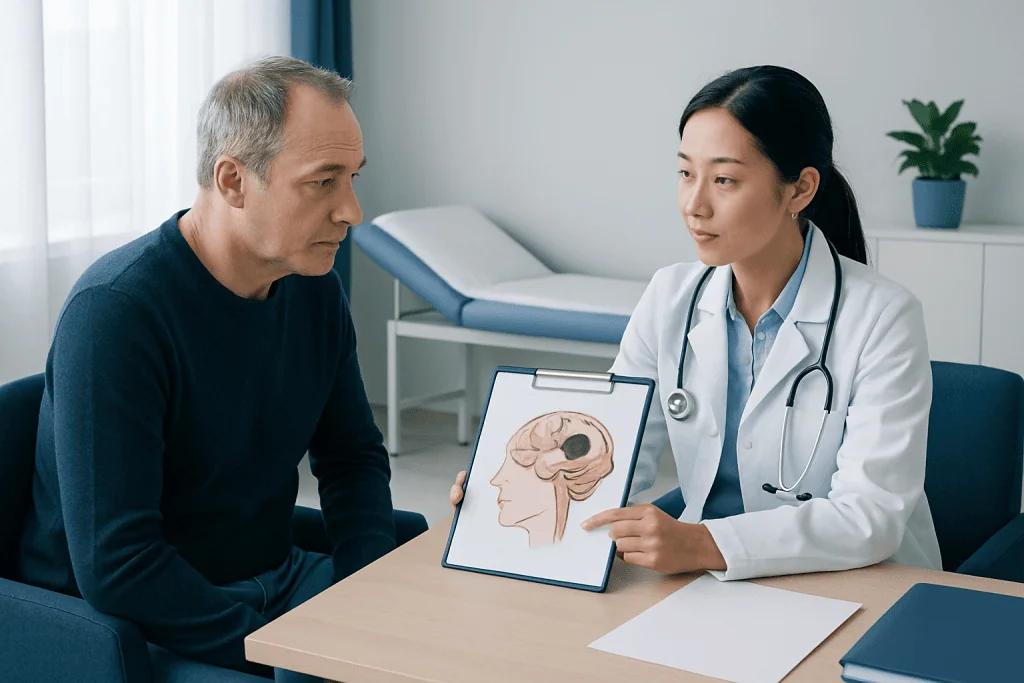
A brain abscess usually forms when germs reach the brain through the bloodstream, spread from nearby infections, or enter directly after trauma or surgery. Common sources include ear infections, sinus infections, dental infections, lung infections, endocarditis, or infected wounds.
Risk is higher in people with weakened immune defenses, including those receiving certain cancer treatments, taking immunosuppressive medicines, living with uncontrolled diabetes, or having advanced chronic illness. Congenital heart disease and some blood vessel abnormalities can also increase the chance that infection spreads through the bloodstream.
In some cases, a specific event is identified, but in others the source remains hidden even after testing. Understanding possible entry points helps doctors choose antibiotics and look for the original infection so it can be treated too.
Recent neurosurgery or penetrating head injury can also raise risk because bacteria may be introduced directly into the brain or nearby tissues. For that reason, ongoing symptoms after such events should be reviewed promptly.
Diagnosis
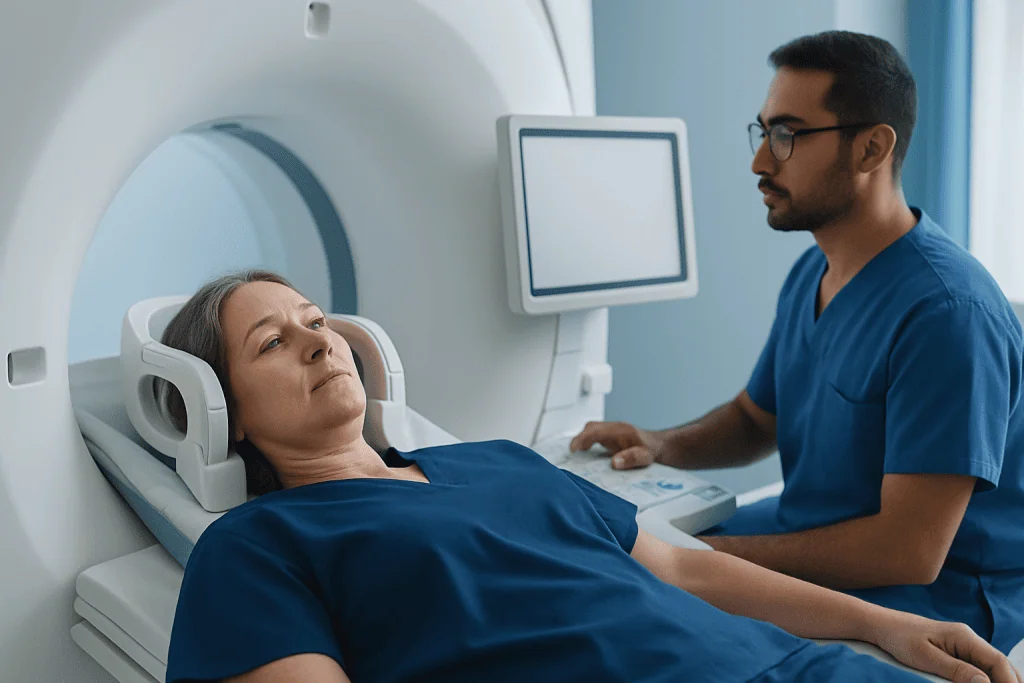
Doctors usually start with a careful history and neurologic examination, then use imaging to look for signs of infection and swelling. Contrast-enhanced MRI is often very helpful, while CT scanning may be used quickly in urgent settings or when MRI is not available.
Blood tests can show infection or inflammation, but they do not confirm a brain abscess on their own. Doctors may also search for the infection source with ear, sinus, dental, chest, heart, or blood testing, depending on the person’s symptoms and risk factors.
In selected cases, a procedure may be done to remove or sample fluid from the abscess to identify the germ and guide treatment. This helps when the diagnosis is uncertain, when the person is not improving, or when the abscess is large or causing pressure effects.
Because symptoms can overlap with stroke, tumor, or other neurologic problems, imaging and specialist evaluation are important. A precise diagnosis helps avoid delay and supports targeted treatment.
Treatment Options
Treatment usually begins in the hospital and often includes intravenous antibiotics, which are chosen to cover the most likely organisms while test results are pending. Once the cause is known, the treatment plan may be adjusted to target the specific infection.
Some abscesses also need drainage or surgical removal, especially if they are large, causing significant pressure, not responding to antibiotics, or at risk of rupture. The care team may include neurology, neurosurgery, infectious diseases, and rehabilitation specialists working together.
Supportive care is also important. This may include medicines to control seizures, treatments to reduce brain swelling, close monitoring of neurologic status, and management of the original infection source such as a sinus or dental problem. In some cases, patients may need neurosurgical intervention or advanced infectious disease management as part of a coordinated plan.
After the acute phase, some people need follow-up imaging to confirm that the abscess is shrinking and that inflammation is improving. Treatment length can be substantial, and recovery plans are usually individualized based on response and overall health.
Emergency Care and When the Situation Is Urgent
A brain abscess is not a condition to watch at home when neurologic symptoms are present. Emergency evaluation is appropriate for severe headache with fever, confusion, a seizure, new weakness, trouble speaking, vision loss, or marked sleepiness.
Rapid assessment matters because swelling inside the skull can become dangerous, and treatment is more effective when started early. If a person becomes difficult to wake, has repeated vomiting, or suddenly worsens, emergency services should be contacted immediately.
People with recent ear, sinus, dental, or chest infections should be especially attentive if new neurologic symptoms appear. Even if the symptoms seem mild at first, a changing pattern can be an important warning sign.
Families should not give a person with suspected brain abscess food, drink, or medications without medical advice if swallowing, alertness, or seizure activity is a concern. The safest step is urgent evaluation by emergency clinicians.
Recovery After Treatment
Recovery depends on the size and location of the abscess, how quickly treatment began, and whether there was any neurologic injury before treatment. Some people improve steadily once the infection is controlled, while others need a longer period to regain strength, memory, balance, speech, or fine motor skills.
Rehabilitation may include physical therapy, occupational therapy, speech therapy, or cognitive support. Follow-up visits and imaging are often used to make sure healing is progressing and to adjust medicines when needed.
Fatigue is common during recovery, and returning to normal activities may need to happen gradually. Driving, work, and exercise should be resumed only after a doctor confirms it is safe, especially if seizures or weakness occurred.
People who had a brain abscess may need continued follow-up for the original infection source and for any underlying risk factor, such as immune suppression or heart disease. Good long-term care reduces the chance of persistent problems and helps prevent future infections.
Prevention & Self-care
Not every brain abscess can be prevented, but treating infections early lowers risk. Ear, sinus, dental, skin, lung, and heart infections should be addressed promptly, especially if symptoms worsen or do not improve as expected.
Self-care after treatment focuses on taking prescribed medicines exactly as directed, attending follow-up appointments, and reporting new symptoms early. If seizures were part of the illness, the person should follow seizure-safety guidance from the care team.
General health measures also matter. Managing diabetes, avoiding tobacco, keeping dental care up to date, and discussing immune-related medications with a doctor can support overall infection control.
It is also helpful to keep a written list of symptoms, medicines, and appointments during recovery. For international patients, Acibadem International’s multidisciplinary specialists and JCI-accredited hospitals can diagnose and treat this condition in a coordinated way.
When to See a Doctor
Medical evaluation is needed if a person has a persistent or worsening headache, fever with neurologic changes, a first seizure, new weakness, trouble speaking, confusion, or vision changes. These symptoms should not be ignored, especially when they are new or developing quickly.
People who recently had an ear infection, sinus infection, dental infection, head injury, or brain surgery should seek prompt care if they become unwell or notice changes in thinking, movement, or alertness. Early assessment can make treatment simpler and safer.
After treatment, a doctor should be contacted if symptoms return, side effects from antibiotics are severe, or recovery seems to stall. Follow-up is important because brain abscess care often requires monitoring over time.
If there is any doubt about whether symptoms are urgent, it is safer to be evaluated right away. A qualified clinician can determine whether the problem is a brain abscess or another condition that needs immediate attention.
Frequently asked questions
What is a brain abscess?
A brain abscess is a pocket of pus caused by infection within the brain tissue. It can lead to swelling and pressure, so it needs prompt medical treatment.
What are the first symptoms of a brain abscess?
Common early symptoms include headache, fever, nausea, tiredness, or feeling unwell. As the condition progresses, confusion, weakness, seizures, or speech and vision changes may appear.
Is a brain abscess an emergency?
Yes. A brain abscess can become dangerous because it may increase pressure in the brain and affect neurologic function. Anyone with suspicious symptoms should seek urgent medical care.
How is a brain abscess treated?
Treatment usually includes antibiotics given in the hospital, and some people also need drainage or surgery. Doctors may also treat seizures, swelling, and the original source of infection.
How long does recovery take after treatment?
Recovery time varies widely and may take weeks to months. Some people recover well after the infection clears, while others need rehabilitation for weakness, speech problems, or thinking changes.
Can a brain abscess come back?
It can recur if the original infection source is not fully treated or if the person has ongoing risk factors. Follow-up care, imaging, and treatment of the source infection help lower that risk.
References
- World Health Organization
- National Institute of Neurological Disorders and Stroke
- Mayo Clinic
- Merck Manual Professional Edition
- Infectious Diseases Society of America
This article is for general information only and is not a substitute for professional medical advice. Please consult a qualified doctor about your individual situation.
Explore treatments in Turkey — costs, top hospitals & a free quote
JCI-accredited · board-certified surgeons · reply within 24h
Add us as a Preferred Source to see more of our trusted health content across Google Search, AI Overviews and Discover.

More from the Health Library



Related Specialists

Dr. Savaş Gündoğan
Gynecology & Obstetrics
Fzt. Osman Karaoğlan
Physical Medicine & Rehabilitation
Prof. Dr. Safa Gürsoy
Orthopedic Surgery & Traumatology
Dr. Kamil Kayayurt
Emergency Service