What Causes Cancer? Common Risks, Genetics, and Lifestyle Factors
Cancer begins when genetic changes disrupt normal cell growth and repair. Most cancers are related to a combination of age, environment, lifestyle, and chance rather than a single cause.
Key Takeaways
- Cancer begins when genetic changes disrupt normal cell growth and repair.
- Most cancers are related to a combination of age, environment, lifestyle, and chance rather than a single cause.
- Inherited gene changes can raise risk, but only a minority of cancers are strongly hereditary.
- Avoiding tobacco, limiting alcohol, maintaining a healthy weight, staying active, and getting recommended vaccines can help reduce risk.
- Screening and regular medical care can help detect some cancers earlier, when treatment may be more effective.
Cancer develops when changes in a cell’s DNA allow it to grow and divide in an uncontrolled way. Many factors can contribute, including aging, inherited genes, lifestyle habits, infections, and environmental exposures, but having a risk factor does not mean a person will definitely develop cancer.
Overview: How Cancer Starts
To understand what causes cancer, it helps to begin with how healthy cells normally behave. In the body, cells grow, divide, and die in a carefully controlled way. This process is guided by genes, which act like instructions for cell growth, repair, and function. Cancer can begin when these genetic instructions are altered, allowing cells to multiply when they should not.
These changes may affect genes that normally limit cell growth, repair damaged DNA, or trigger the death of unhealthy cells. When several changes build up over time, a cell may become abnormal and eventually form a tumor or spread through blood or lymphatic systems. Not all cancers form solid tumors, however; some, such as leukemias, affect the blood and bone marrow.
Cancer is not one single disease but a large group of related diseases. Different cancers have different patterns, causes, and risk factors. For example, some are strongly linked to smoking, some to infections, and some to inherited genetic mutations. In many cases, cancer develops through a combination of influences rather than one clear cause.
It is also important to know that cancer is common, especially as people age, and it can occur even in people with healthy habits. Learning about risk factors does not mean blaming the individual. Instead, it helps people understand which risks can be reduced and when to seek medical advice or screening.
Common Risk Factors for Cancer
Several well-known factors can increase the chance of developing cancer. Age is one of the most important. Over time, cells are exposed to more wear, more environmental influences, and more opportunities for DNA damage to accumulate. This is one reason why many cancers are more common in older adults.
Tobacco use is one of the strongest preventable cancer risks. Smoking and other forms of tobacco are linked to cancers of the lung, mouth, throat, esophagus, bladder, pancreas, kidney, and several other organs. Even exposure to secondhand smoke can increase risk. Alcohol use can also contribute to cancer, particularly when combined with smoking.
Body weight, physical activity, and diet also play a role. Carrying excess body fat has been linked to several cancers, while regular physical activity supports overall health and may lower risk. Diets that are low in fruits, vegetables, and fiber or high in heavily processed foods may contribute indirectly to some cancers, although diet is only one part of a larger picture.
Other common risk factors include excessive ultraviolet radiation from the sun or tanning beds, exposure to certain chemicals or radiation, and some long-term medical conditions. A person may have one or more risk factors and never develop cancer, while another person with few known risks may still be diagnosed. Risk reflects likelihood, not certainty.
Genetics, Family History, and Inherited Mutations

Many people wonder whether cancer is inherited. Most cancers are not directly passed down through families, but some are linked to inherited mutations in specific genes. These mutations are present from birth and can increase the likelihood of certain cancers developing over a lifetime.
A strong family history may suggest an inherited cancer syndrome, especially if several close relatives had the same or related cancers, if cancer developed at a younger-than-expected age, or if a person has multiple cancers. Well-known examples include inherited changes in BRCA1 and BRCA2, which can increase the risk of breast, ovarian, and some other cancers.
However, inherited mutations explain only a minority of cancer cases. More often, cancers arise from acquired gene changes that occur during life rather than from genes a person is born with. These acquired changes may happen because of aging, environmental exposures, lifestyle factors, or random errors when cells divide.
When family history raises concern, a doctor may recommend genetic counseling or genetic testing. This can help clarify personal risk and guide screening or prevention. In some cases, patients may also need evaluation for related cancers such as breast cancer or colon cancer if family patterns suggest increased susceptibility.
Lifestyle and Environmental Causes
Lifestyle and environmental exposures can influence cancer risk by increasing DNA damage, affecting hormone levels, promoting chronic inflammation, or weakening the body’s normal protective systems. Tobacco remains the clearest example, but it is not the only one. Long-term exposure to air pollution, asbestos, benzene, or certain workplace chemicals may also increase risk in some settings.
Sun exposure is another important factor. Ultraviolet radiation from sunlight and tanning devices can damage skin cells and raise the risk of skin cancers. Protecting the skin with shade, clothing, and sunscreen helps reduce this risk, especially for people who spend a great deal of time outdoors or have fair skin.
Infections are responsible for some cancers as well. Human papillomavirus, hepatitis B, hepatitis C, Helicobacter pylori, and Epstein-Barr virus are examples of infectious agents associated with certain cancers. Vaccination, safe health practices, and timely treatment of infections can lower some of these risks.
Hormonal influences, reproductive factors, and long-term inflammation may also contribute in some people. For example, obesity can affect hormone balance and inflammation, while chronic diseases such as inflammatory bowel disease can raise the risk of certain cancers. Because cancer risk is often shaped by multiple influences over time, prevention usually focuses on reducing several risks rather than one single exposure.
How Doctors Assess Cancer Risk and Make a Diagnosis
Having risk factors does not mean a person has cancer. Diagnosis begins when symptoms, screening results, or imaging tests suggest that something needs further evaluation. Doctors consider the person’s age, medical history, family history, habits such as smoking or alcohol use, workplace exposures, and any current symptoms.
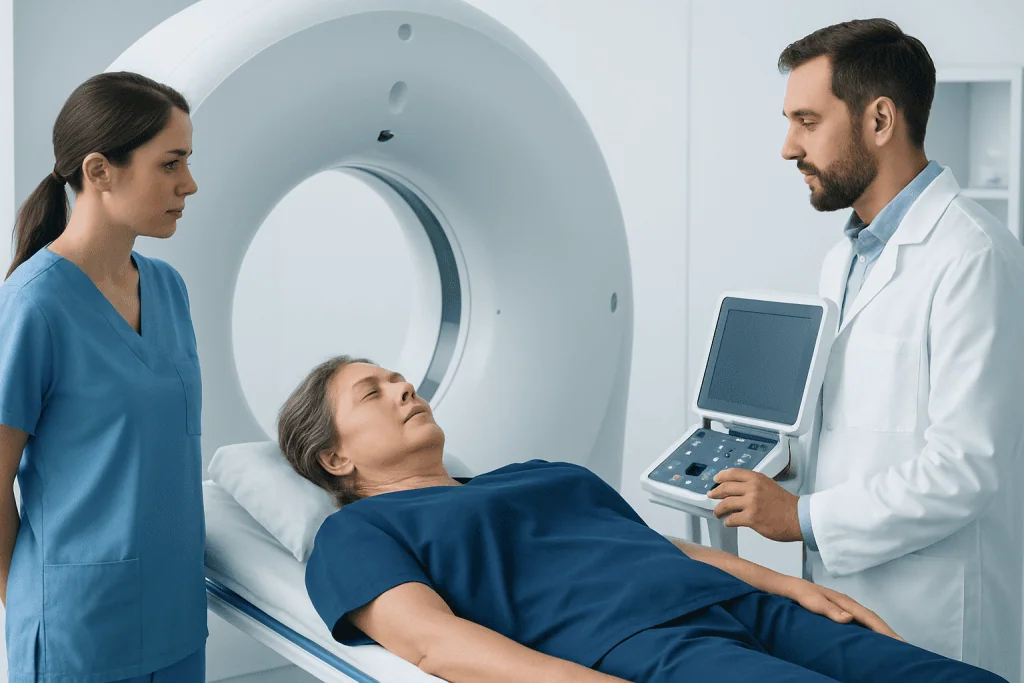
Depending on the concern, assessment may involve blood tests, imaging, endoscopy, or other targeted examinations. Screening tests can help detect some cancers before symptoms appear. Examples include mammography, cervical screening, colonoscopy, and low-dose CT scanning for selected high-risk smokers. These tests do not prevent every cancer, but they can improve the chance of finding disease earlier.
A definite diagnosis usually requires examining cells or tissue. This may involve a biopsy, where a small sample is removed and reviewed by a pathologist. Doctors also use scans to understand the size and location of a tumor and whether it has spread. In some cases, molecular or genetic testing of the tumor helps guide treatment.
If cancer is suspected, referral to specialists is important. Evaluation may include a biopsy procedure, advanced imaging, and consultation with oncology teams. When appropriate, doctors may also recommend genetic testing to clarify inherited risk or help personalize care.
Can Cancer Be Prevented? Self-care and Risk Reduction
Not all cancers can be prevented, but many risks can be reduced. The most effective steps include avoiding tobacco, limiting alcohol, maintaining a healthy body weight, being physically active, and following a balanced eating pattern rich in vegetables, fruits, whole grains, and other minimally processed foods. These choices support overall health and may lower the risk of several cancers.
Protecting the skin from ultraviolet exposure is also important. People can reduce risk by seeking shade during strong sun hours, wearing protective clothing, and using broad-spectrum sunscreen. Avoiding tanning beds is especially important because they expose the skin to concentrated ultraviolet radiation.
Vaccination and infection prevention can also help. Human papillomavirus vaccination can reduce the risk of cervical and some other cancers, while hepatitis B vaccination lowers the risk of liver cancer. Treating chronic infections and keeping up with routine medical care are practical prevention steps.
Screening is another key part of prevention and early detection. People should talk with a doctor about which screening tests are appropriate based on age, sex, family history, and other personal risk factors. In some situations, a doctor may recommend closer surveillance or specialized medical oncology care for people at higher risk or with suspicious findings.
When to See a Doctor
Many symptoms have causes other than cancer, but some signs should not be ignored, especially if they persist. A person should speak with a doctor about unexplained weight loss, ongoing fatigue, a lump or swelling, unusual bleeding, persistent pain, changes in bowel or bladder habits, a cough that does not go away, or a sore that does not heal.
Changes in the skin, new or changing moles, difficulty swallowing, or repeated infections may also need evaluation. Symptoms are often caused by non-cancerous conditions, but it is still wise to have them assessed if they are unusual, worsening, or lasting longer than expected.
People with a strong family history of cancer should also seek medical advice even if they feel well. A doctor can review family patterns, discuss screening, and decide whether genetic counseling may be useful. Early conversation can be especially helpful for people with multiple relatives affected by related cancers.
For international patients who need assessment or treatment planning, Acibadem International’s multidisciplinary specialists and JCI-accredited hospitals provide diagnosis and cancer care across a wide range of conditions, including radiation oncology when indicated. Prompt evaluation helps ensure that any concerning symptoms are properly understood and managed.
Frequently asked questions
What is the main cause of cancer?
There is no single main cause of cancer in every person. Cancer usually develops because of changes in genes that build up over time, influenced by aging, lifestyle, environment, infections, inherited mutations, and sometimes chance.
Can healthy people still get cancer?
Yes. Healthy habits can lower risk, but they cannot remove risk completely. Some cancers happen because of age, inherited factors, or gene changes that occur even without obvious exposures.
Is cancer always hereditary?
No. Most cancers are not strongly hereditary. Some families do carry inherited gene mutations that raise risk, but many cancers result from genetic changes acquired during life rather than passed down from parents.
Does stress cause cancer?
Stress itself is not considered a direct cause of cancer. However, long-term stress may affect sleep, eating, exercise, and other behaviors that influence overall health, so managing stress is still important.
Can cancer be prevented completely?
No, cancer cannot be prevented completely. Still, many cases may be reduced by avoiding tobacco, limiting alcohol, staying active, maintaining a healthy weight, protecting the skin, getting recommended vaccines, and attending screening appointments.
When should someone ask about genetic testing for cancer risk?
A person should consider asking a doctor if there is a strong family history of cancer, cancers at young ages, several relatives with the same type of cancer, or multiple cancers in one person. Genetic counseling can help decide whether testing is appropriate and what the results may mean.
References
- World Health Organization
- National Cancer Institute
- American Cancer Society
- Centers for Disease Control and Prevention
- International Agency for Research on Cancer
This article is for general information only and is not a substitute for professional medical advice. Please consult a qualified doctor about your individual situation.
Oncology care in Turkey — second opinion and treatment plan
JCI-accredited · board-certified surgeons · reply within 24h
Add us as a Preferred Source to see more of our trusted health content across Google Search, AI Overviews and Discover.
Check your numbers in seconds
BMI, calories, due date, blood pressure and 30+ more clinical calculators — free, instant, doctor-reviewed ranges.