When to Get a Second Opinion for a Serious Diagnosis

A second opinion can confirm a diagnosis or offer a different perspective on treatment options. It is especially helpful for cancer, rare diseases, major surgery recommendations, or unclear test results.
Key Takeaways
- A second opinion can confirm a diagnosis or offer a different perspective on treatment options.
- It is especially helpful for cancer, rare diseases, major surgery recommendations, or unclear test results.
- Seeking another opinion is common and usually does not offend the first doctor.
- Bringing complete medical records and a list of questions makes the process more useful.
- A second opinion can provide reassurance even when both doctors agree.
A second opinion for a serious diagnosis can help confirm the diagnosis, explain treatment choices, and support confident decision-making. In many cases, seeking another expert view is a normal and helpful part of care rather than a sign of doubt or distrust.
Overview
A serious diagnosis can feel overwhelming. People may need to absorb new information quickly while also making important decisions about tests, treatments, surgery, or long-term care. In this situation, a second opinion can be a practical step that helps a person understand the diagnosis more clearly and feel more confident about what comes next.
A second opinion means asking another qualified doctor to review the diagnosis, test results, and treatment plan. This doctor may confirm the original assessment, suggest additional testing, or present different treatment options. In many situations, this process improves understanding and helps patients participate more actively in decisions about their health.
Getting another medical opinion is especially common for conditions that are complex, rare, life-changing, or potentially life-threatening. It does not necessarily mean the first doctor was wrong. Medicine often involves judgment, interpretation of test results, and more than one appropriate treatment path.
For many people, the greatest benefit is reassurance. Even when the second doctor agrees with the first, that confirmation can reduce uncertainty and make it easier to begin treatment with peace of mind.
When a Second Opinion May Be Most Helpful
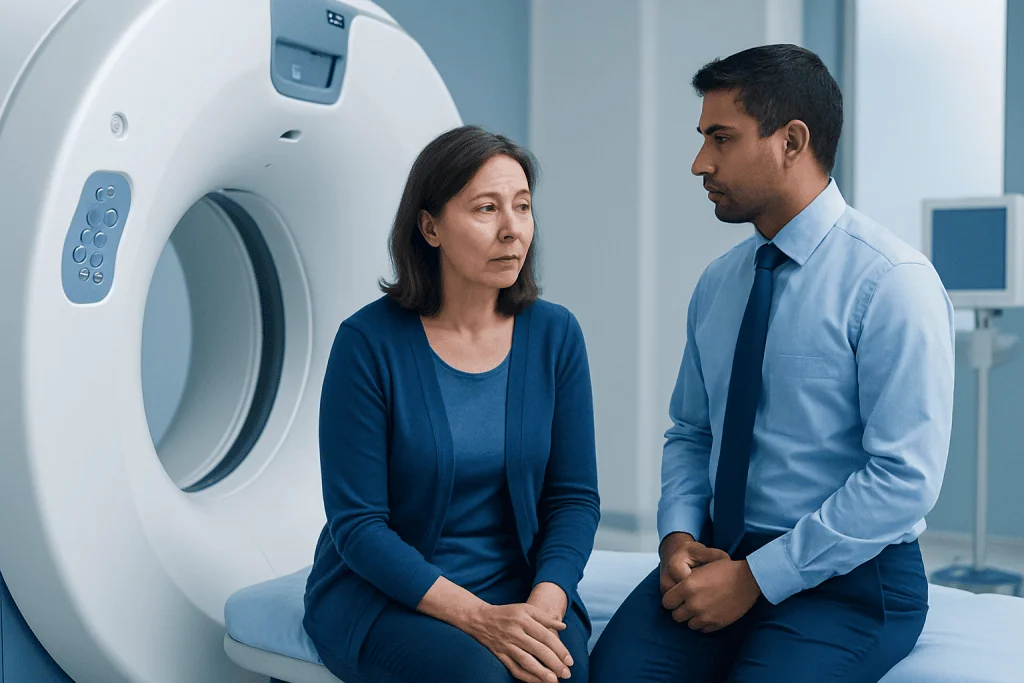
A second opinion may be worth considering any time the diagnosis is serious, the treatment is intensive, or the person feels unsure about the plan. This is particularly relevant when a doctor recommends major surgery, long-term medication, chemotherapy, radiation therapy, organ removal, or other treatments that can significantly affect quality of life.
It can also be helpful when symptoms do not fully match the diagnosis, test results are unclear, or the condition is rare. In these situations, another specialist may offer a different interpretation or recommend further evaluation. Patients with newly diagnosed cancer often seek another opinion to confirm the type, stage, and available therapies.
Common reasons to seek a second opinion include:
- The diagnosis is serious, rare, or life-changing.
- The recommended treatment has major risks or side effects.
- Surgery has been advised and the person wants to explore alternatives.
- Symptoms continue despite treatment.
- There is uncertainty about test results or pathology findings.
- The person feels rushed, confused, or not fully heard.
A second opinion may also be useful when there are several possible treatment paths with different benefits and risks. This often happens in complex conditions involving the heart, brain, spine, digestive system, or autoimmune disease, where specialists may reasonably differ in their approach.
What a Second Opinion Can Offer

A second opinion can offer more than a simple yes-or-no answer. Another doctor may confirm the diagnosis, explain it in more understandable terms, or identify areas where more information is needed. In some cases, the second specialist may recommend reviewing scans again, repeating a laboratory test, or sending a biopsy sample for another pathology review.
For many serious conditions, treatment choices are not always straightforward. One doctor may recommend surgery first, while another may advise medication, close monitoring, or a less invasive procedure. For example, a patient considering robotic surgery or oncology treatment may want to understand why one option is preferred and whether alternatives are suitable.
Another important benefit is communication. Some people understand their condition better after hearing a second explanation from a different specialist. The process may bring up questions they had not thought to ask before, such as how urgent treatment is, what side effects to expect, and how the condition may affect daily life.
In addition, second opinions can help people feel more involved in shared decision-making. This can be especially valuable when the diagnosis affects fertility, mobility, independence, long-term prognosis, or family planning. A better understanding of options often leads to more confident choices.
How to Get a Second Opinion
The first step is usually to ask the current doctor for copies of medical records. These may include clinic notes, blood test results, pathology reports, imaging reports, and actual scan images on a disc or through secure digital transfer. Most doctors understand that second opinions are a normal part of care and can help organize this information.
It is often best to seek a second opinion from a specialist with expertise in the specific condition. For example, a person with a brain tumor may benefit from a neuro-oncology team, while someone with complex heart disease may want a cardiologist and a cardiac surgeon to review the case. In situations involving advanced imaging or tissue diagnosis, specialized review can be especially important.
Before the appointment, it helps to prepare a short health timeline and a list of questions. Useful questions may include whether the diagnosis is certain, whether more tests are needed, what treatment options exist, what the risks and benefits are, and how quickly a decision must be made. Asking whether the doctor would make the same recommendation for a family member can also be helpful.
Some people seek second opinions locally, while others consult a larger specialty center. In complex cases, multidisciplinary review may be useful, especially when treatment could involve general surgery together with medical therapy or rehabilitation. Near the end of the care journey, some international patients choose centers such as Acibadem International, where multidisciplinary specialists in JCI-accredited hospitals diagnose and treat serious conditions.
Diagnosis Review, Tests, and Treatment Planning
A second opinion often involves careful review of the original diagnosis. This may include re-reading pathology slides, reinterpreting imaging scans, and checking whether the symptoms and findings fit together. In some serious illnesses, a small difference in staging or classification can change the recommended treatment plan.
Doctors may suggest additional tests when the diagnosis remains uncertain or when more detail is needed to choose the best treatment. This does not always mean something was missed. Sometimes newer imaging, repeat blood tests, or specialist assessment helps refine the picture and supports more personalized planning.
When a treatment plan is reviewed, the goal is usually to compare the expected benefits, possible risks, and likely outcomes of each option. For example, one specialist may recommend early surgery, while another may suggest watchful waiting, medication, or a minimally invasive procedure. If the serious diagnosis involves a brain tumor or another highly complex condition, this comparison can be especially valuable.
Even if both doctors agree, the person may still benefit from the discussion. Agreement between experts can reinforce that the diagnosis is sound and the proposed treatment is reasonable. That reassurance can make it easier to move forward without feeling they have overlooked another option.
Possible Concerns and Practical Considerations
Some people hesitate to seek a second opinion because they worry it may offend their doctor. In reality, many physicians welcome it, especially for major diagnoses. A thoughtful doctor understands that serious health decisions can be difficult and that another expert review may help the patient feel more comfortable and informed.
Timing is another common concern. While some conditions need urgent treatment, many still allow enough time for a prompt second opinion. It is reasonable to ask the first doctor how quickly a decision is needed and whether a short delay for another consultation is medically safe.
Insurance coverage, referral requirements, travel, and access to specialists can also affect the process. Patients may want to contact their insurer or healthcare coordinator early to understand what is covered. If in-person travel is difficult, some centers may offer remote record review or virtual consultations where appropriate.
It is also helpful to remember that second opinions do not always produce a different answer. Their value often lies in confirmation, clearer explanation, and better planning. In a serious diagnosis, feeling informed and supported is an important part of good care.
When to Seek Help Without Delay
Although second opinions are often useful, they should not delay emergency care. Symptoms such as severe chest pain, sudden weakness, loss of consciousness, major bleeding, breathing difficulty, or signs of stroke require immediate medical attention. In these situations, urgent treatment comes first, and further review can happen once the person is stable.
It is also important to act promptly if the condition is rapidly worsening or if the treating doctor says that treatment should begin quickly to protect health or prevent complications. In such cases, patients can still ask whether a rapid second review is possible while planning care. Sometimes hospitals can arrange expedited consultations between specialists.
People should contact a doctor promptly if they do not understand the diagnosis, feel uncertain about a major treatment decision, or notice that symptoms are progressing despite treatment. Trusting one’s instincts can be helpful; if something feels unclear, it is reasonable to ask more questions or seek another expert view.
A second opinion is not about creating fear or delaying care. Used thoughtfully, it can support safer, more confident decisions and help a person move ahead with treatment that fits their medical needs and personal priorities.
Frequently asked questions
Is it normal to ask for a second opinion after a serious diagnosis?
Yes. Asking for a second opinion is common, especially for serious, rare, or life-changing conditions. Many doctors expect it and understand that patients want to feel confident before starting major treatment.
Will a second opinion delay treatment?
Not always. Many conditions allow enough time for another specialist to review records and discuss options, but urgent situations may need immediate care. A patient can ask the current doctor how quickly treatment must begin and whether a rapid second review is possible.
What should a person bring to a second-opinion appointment?
It helps to bring all relevant records, including test results, imaging reports, scan files, pathology reports, medication lists, and a summary of symptoms. A written list of questions can also make the visit more productive.
What if the second doctor disagrees with the first?
A different opinion does not always mean one doctor is wrong. Complex conditions can have more than one reasonable treatment approach, and sometimes more testing is needed. If opinions differ, asking both doctors to explain their reasoning can help the patient decide what fits best.
Can a second opinion be helpful even if both doctors agree?
Yes. Agreement can provide reassurance that the diagnosis and treatment plan are sound. It may also help the patient better understand the condition and feel more comfortable moving forward.
Are second opinions mainly for cancer?
No. They are often sought for cancer, but they can also be useful for heart disease, neurological disorders, rare illnesses, major surgery recommendations, and unclear diagnoses. Any serious condition with complex choices may justify another expert review.
References
- World Health Organization
- National Cancer Institute
- Mayo Clinic
- MedlinePlus
- American Medical Association
This article is for general information only and is not a substitute for professional medical advice. Please consult a qualified doctor about your individual situation.
Explore treatments in Turkey — costs, top hospitals & a free quote
JCI-accredited · board-certified surgeons · reply within 24h
Add us as a Preferred Source to see more of our trusted health content across Google Search, AI Overviews and Discover.