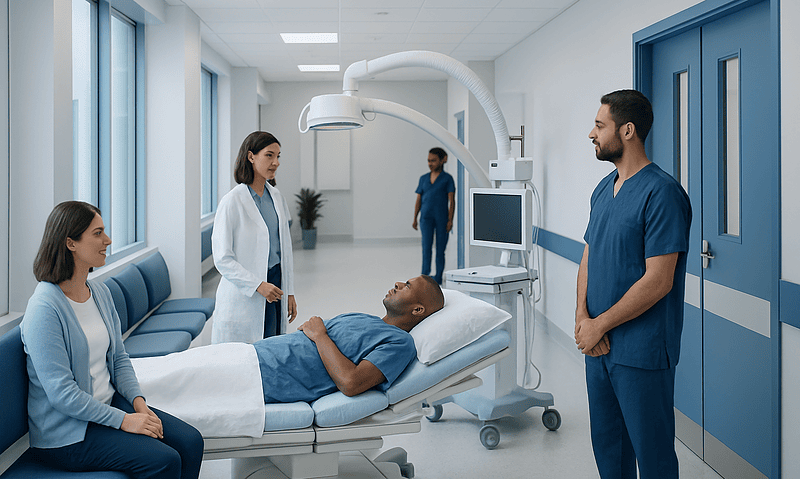
Quest Diagnostics Hours: When Labs Open and How to Plan a Visit

Quest Diagnostics hours are not the same at every location. Some labs offer appointments, while others may accept walk-ins with variable wait times.
Key Takeaways
- Quest Diagnostics hours are not the same at every location.
- Some labs offer appointments, while others may accept walk-ins with variable wait times.
- Test preparation, such as fasting or medication guidance, should be confirmed before the visit.
- Bringing identification, insurance details, and the test order can help avoid delays.
- Patients should contact the lab or ordering clinician if they are unsure about timing, preparation, or special requirements.
Quest Diagnostics hours can differ from one location to another, so checking the exact patient service center before visiting is the most reliable approach. Planning ahead for appointments, fasting needs, and paperwork can help make lab testing quicker and easier.
Overview
Quest Diagnostics is a laboratory testing provider with many patient service centers, but hours can vary by city, neighborhood, and day of the week. Some sites open early for routine blood work, while others may have shorter hours, limited afternoon services, or reduced schedules on weekends and holidays. Because of this, there is no single universal timetable that applies to every location.
For most patients, the simplest way to plan a visit is to check the exact location before leaving home. This can help confirm opening and closing times, whether appointments are recommended, and whether the site performs the specific test that has been ordered. It can also prevent unnecessary travel if a center is temporarily closed or operating on a modified schedule.
Lab visits are often straightforward, especially for common blood and urine tests. Still, details such as fasting requirements, specimen collection times, and insurance questions can affect the experience. A little preparation usually makes the process smoother and may reduce waiting time.
Typical Opening Times and Why They Vary
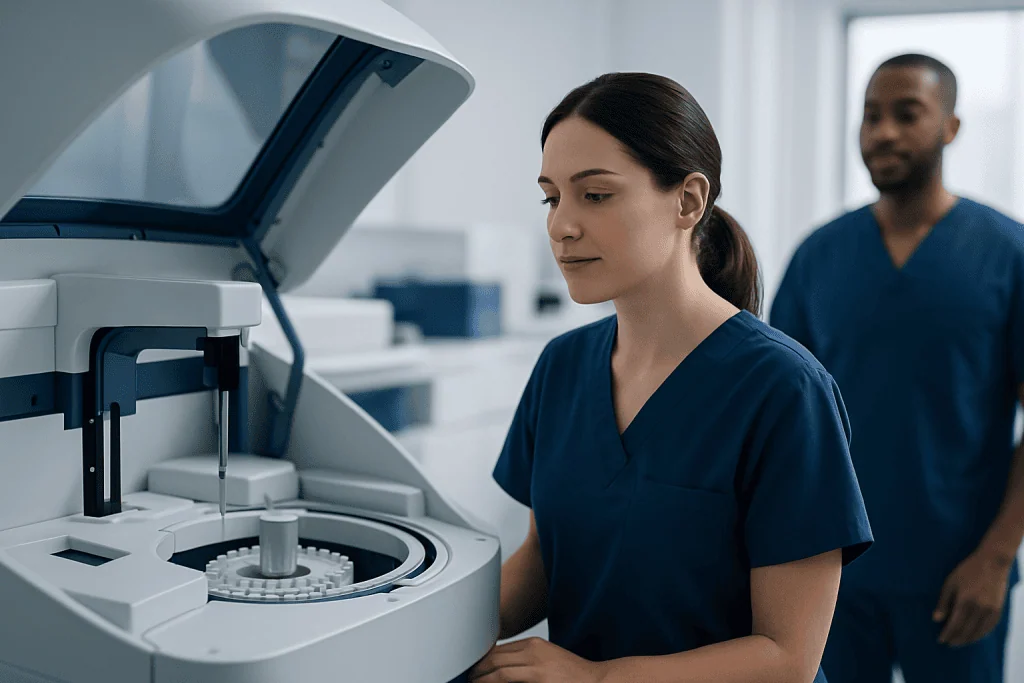
Many outpatient laboratory centers tend to open in the morning, often because blood tests are commonly scheduled early in the day. Morning appointments can be especially helpful for tests that require fasting, since patients may prefer to avoid eating overnight and visit the lab soon after waking. However, the exact start and end time depends on the individual branch.
Hours may differ for several reasons. Local demand, staffing, building access, regional holidays, and the type of services offered can all influence the schedule. Some centers are located inside medical offices or healthcare buildings, which may affect when patients can enter. Others may offer only limited hours for specialized collections.
It is also common for hours to change from time to time. Seasonal adjustments, public holidays, weather events, or operational updates may alter normal schedules. For that reason, the most dependable source is the specific location listing or direct phone confirmation shortly before the visit.
How to Check Quest Diagnostics Hours

Before visiting, patients should verify the hours of the exact patient service center they plan to use. In most cases, this can be done through the company’s location finder, appointment system, or customer service phone line. These sources may also show whether a location accepts walk-ins, offers same-day appointments, or has different hours for different services.
When checking hours, it is helpful to look beyond the basic opening and closing times. Patients may also want to confirm whether the center performs pediatric collections, glucose tolerance testing, drug screening, or other specialized services. Not every location handles every type of testing, and some tests are only collected during certain hours.
If the test order came from a doctor, the ordering office can also be a useful source of information. Staff may know whether a particular lab is commonly used for that test, whether fasting is needed, or whether another facility would be more convenient. In some situations, a hospital-based lab or another health check-up setting may be recommended instead.
Appointments, Walk-Ins, and Wait Times
Some Quest Diagnostics locations allow patients to book appointments, while others may also accept walk-ins. An appointment is often the best option for people with busy schedules, those who need an early-morning fasting test, or anyone who wants to reduce uncertainty about wait time. Walk-in availability can be convenient, but the wait may depend on the time of day and how many scheduled patients arrive first.
In general, the busiest periods may occur early in the morning, on Mondays, or after holidays, when more people are trying to complete routine blood work. Midweek or later morning visits may sometimes be less crowded, though this differs by location. The pattern can also change based on the patient population served by that center.
Patients who need accessibility support, help with mobility, or extra time due to medical concerns may benefit from calling ahead. This can allow the lab to advise on the best arrival time or whether any special arrangements are available. For children or people who feel anxious around needles, arriving prepared and unhurried can make the visit easier.
How to Prepare for a Lab Visit
Preparation depends on the type of test being ordered. Some blood tests require fasting for a number of hours beforehand, while others do not. Certain medications, vitamins, or supplements can also affect results, so patients should follow the instructions given by the ordering clinician rather than stopping any medicine on their own.
It is usually helpful to bring a photo ID, insurance information if relevant, and the laboratory order or requisition if one was provided. Wearing clothing with sleeves that can be rolled up easily may make blood collection more comfortable. Drinking water beforehand can sometimes help with hydration unless the doctor or lab has advised otherwise for a specific test.
Patients may wish to review whether they are having routine blood tests only or whether additional samples such as urine, stool, or swabs are needed. Collection instructions can be different for each specimen type. If a person is uncertain about preparation, contacting the lab or the ordering doctor before the appointment is the safest choice.
- Check whether fasting is required.
- Confirm the location’s hours and appointment policy.
- Bring identification and any necessary paperwork.
- Ask in advance about special timing for certain tests.
Special Considerations for Certain Tests
Not all lab services are available all day. Some tests must be collected at a certain time, processed quickly, or handled in a specific way. Examples may include timed hormone studies, glucose tolerance testing, or samples that need rapid transport. In these cases, the ordering clinician or lab may direct the patient to come at a particular hour.
Children, older adults, pregnant patients, and people with chronic illnesses may also need extra planning. Some individuals may feel faint during blood draws, so having a light meal afterward, resting briefly, or bringing a companion can be helpful when appropriate. Anyone with a history of difficult blood draws may wish to mention it to the staff at check-in.
For more complex diagnostic needs, testing may be coordinated with other evaluations such as MRI scan appointments or ultrasound examinations at a medical center. In these situations, timing matters, and patients should carefully follow any preparation instructions from each department.
What to Do If the Lab Is Closed or Unavailable
If a patient arrives and finds that the lab is closed, the first step is to recheck the location details and confirm whether the schedule changed. Holiday hours, severe weather, or unexpected staffing issues can occasionally disrupt normal service. Calling the center or reviewing the latest location update can clarify the situation.
When the test is routine and not urgent, rescheduling for another day or choosing a nearby laboratory center may be enough. If the sample is time-sensitive, the patient should contact the ordering doctor to ask how soon it needs to be collected and whether another facility is appropriate. The doctor’s office may also send the order elsewhere if needed.
Urgent symptoms should never be managed by waiting for a routine outpatient lab to reopen. If someone has severe chest pain, difficulty breathing, fainting, major bleeding, signs of stroke, or another medical emergency, emergency care is the right setting. Routine lab hours are not a substitute for immediate medical evaluation.
When to Ask a Doctor or Lab Staff for Guidance
Patients should ask for guidance if they are unsure when to come, whether they need to fast, or whether a location performs the required test. It is also wise to ask questions if there is confusion about medications, hydration, menstrual timing for certain tests, or how to collect a sample correctly. Clear instructions can improve the reliability of results.
After testing, result timing can vary depending on the complexity of the analysis. Many results are sent to the ordering clinician, who then explains what they mean in the context of the person’s symptoms and medical history. Patients should avoid interpreting unexpected values on their own without professional input.
For people traveling internationally or coordinating care across centers, a multidisciplinary approach can be helpful. Acibadem International’s specialists and JCI-accredited hospitals diagnose and manage a wide range of conditions for international patients, including care that may involve laboratory testing alongside imaging and specialist review.
Frequently asked questions
Are Quest Diagnostics hours the same at every location?
No. Hours can vary by branch, day of the week, holiday schedule, and the services offered at that site. Checking the exact location before visiting is the most reliable way to avoid inconvenience.
Is it better to make an appointment or walk in?
An appointment is often more predictable and may help shorten waiting time. Walk-ins may be available at some locations, but waits can be longer depending on how busy the center is.
Do patients need to fast before a lab test?
Some tests require fasting, but many do not. The safest approach is to follow the instructions from the doctor or laboratory and not make assumptions based on previous tests.
What should a patient bring to a lab visit?
It is usually helpful to bring a photo ID, insurance information if needed, and the test order if one was provided. Patients may also want to have any preparation instructions available in case questions come up at check-in.
Can all tests be done at any Quest Diagnostics location?
Not always. Some locations offer only certain collection services, and some tests must be performed at specific times or at specialized centers. Confirming this in advance can save time and prevent a repeat visit.
What if the lab is closed when the patient arrives?
The patient should check whether the hours changed due to a holiday, weather event, or temporary operational issue. If the test is urgent or time-sensitive, contacting the ordering doctor for next steps is important.
This article is for general information only and is not a substitute for professional medical advice. Please consult a qualified doctor about your individual situation.
Explore treatments in Turkey — costs, top hospitals & a free quote
JCI-accredited · board-certified surgeons · reply within 24h
Add us as a Preferred Source to see more of our trusted health content across Google Search, AI Overviews and Discover.

More from the Health Library
What Is a Diagnostic Test? A Patient Guide to Lab and Imaging Results

Lab Test Cost: What Affects the Price of Blood and Urine Testing?
Pediatric EEG: How Brain Wave Testing Is Done and How to Prepare

Common Reasons Doctors Order Lab Tests: Screening, Diagnosis, and Monitoring
How to Prepare for a Diagnostic Mammogram: Clothing, Timing, and Questions to Ask