How to Prepare for a Diagnostic Mammogram: Clothing, Timing, and Questions to Ask
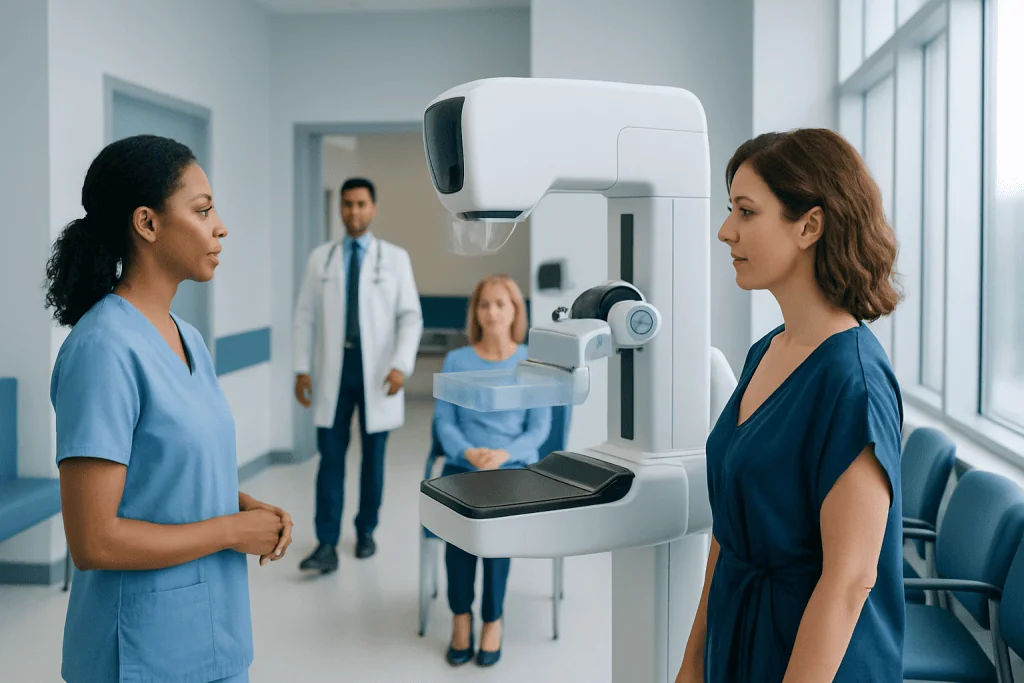
A diagnostic mammogram is a more detailed breast imaging exam used to evaluate a symptom or an unclear screening result. A two-piece outfit is often most convenient, and deodorant, powders, and lotions should usually be avoided on the chest and underarms on the day of the exam.
Key Takeaways
- A diagnostic mammogram is a more detailed breast imaging exam used to evaluate a symptom or an unclear screening result.
- A two-piece outfit is often most convenient, and deodorant, powders, and lotions should usually be avoided on the chest and underarms on the day of the exam.
- If still menstruating, some people prefer to schedule the test when their breasts are less tender, though urgent symptoms should not be delayed.
- Bringing prior mammograms, ultrasound reports, and a list of symptoms can help the radiology team compare findings accurately.
- Patients should ask when results will be available, whether additional imaging is needed, and what the next steps are if something abnormal is found.
Diagnostic mammogram preparation can make the appointment smoother and less stressful. Knowing what to wear, when to schedule, what to bring, and which questions to ask helps patients feel more comfortable and informed.
Overview: What a Diagnostic Mammogram Is
A diagnostic mammogram is a breast imaging test used when a person has a breast symptom or when a screening mammogram shows an area that needs a closer look. Unlike a routine screening mammogram, which is done to check for early signs of breast cancer in people without symptoms, a diagnostic exam takes more tailored images of a specific area of the breast.
The radiology team may use additional views, magnification images, or spot compression images to better assess a lump, breast pain, nipple discharge, skin changes, or an area seen on a screening study. In many cases, the radiologist reviews the images during the visit and decides whether more views or a breast ultrasound are needed.
Being called back for a diagnostic mammogram can feel worrying, but it does not automatically mean cancer. Many callbacks are related to normal breast tissue overlap, benign cysts, calcifications that need clarification, or other noncancerous findings. Good preparation can make the visit more efficient and help patients know what to expect.
When a Diagnostic Mammogram May Be Recommended
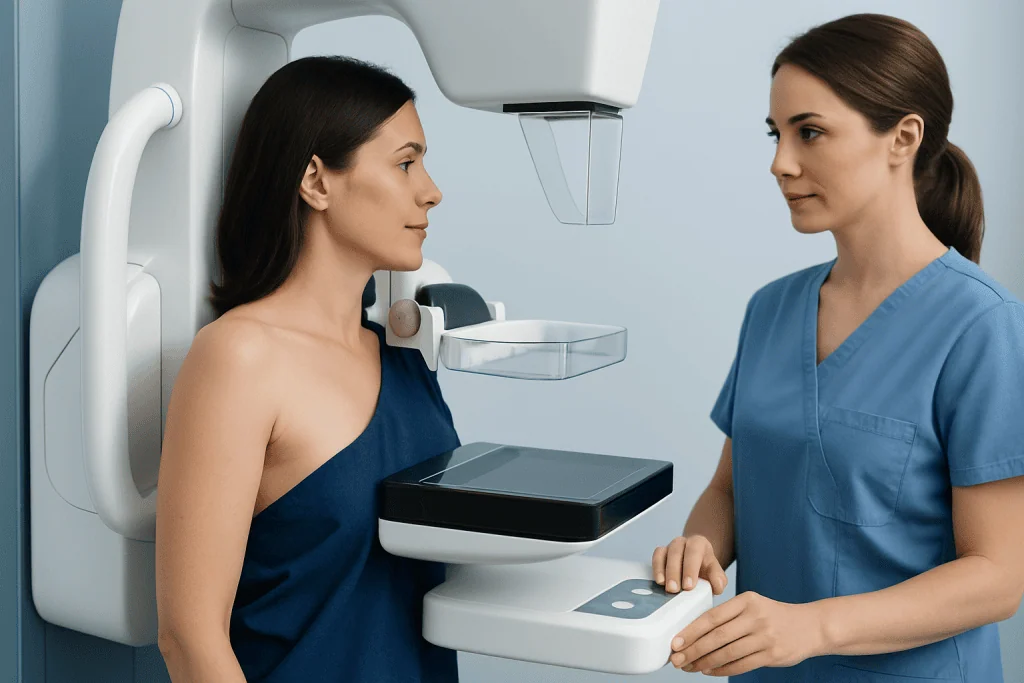
A doctor may recommend a diagnostic mammogram if there is a new breast lump, focal breast pain, nipple inversion, nipple discharge, skin dimpling, redness, or a change in breast shape. It may also be advised after an abnormal or incomplete screening mammogram. In some situations, diagnostic imaging is combined with ultrasound to provide more information, especially in younger patients or in those with dense breast tissue.
The exact imaging plan depends on age, symptoms, medical history, and prior breast findings. Some people may already know they need follow-up for a finding such as calcifications, asymmetry, or a probably benign change that requires interval imaging. Others may be attending because of a newly noticed symptom that needs evaluation.
Patients who have had previous breast procedures, biopsies, implants, or treatment for breast cancer should mention this at the time of booking and again at check-in. This information helps the radiologist interpret the images more accurately and decide whether any additional views are appropriate.
How to Prepare Before the Appointment
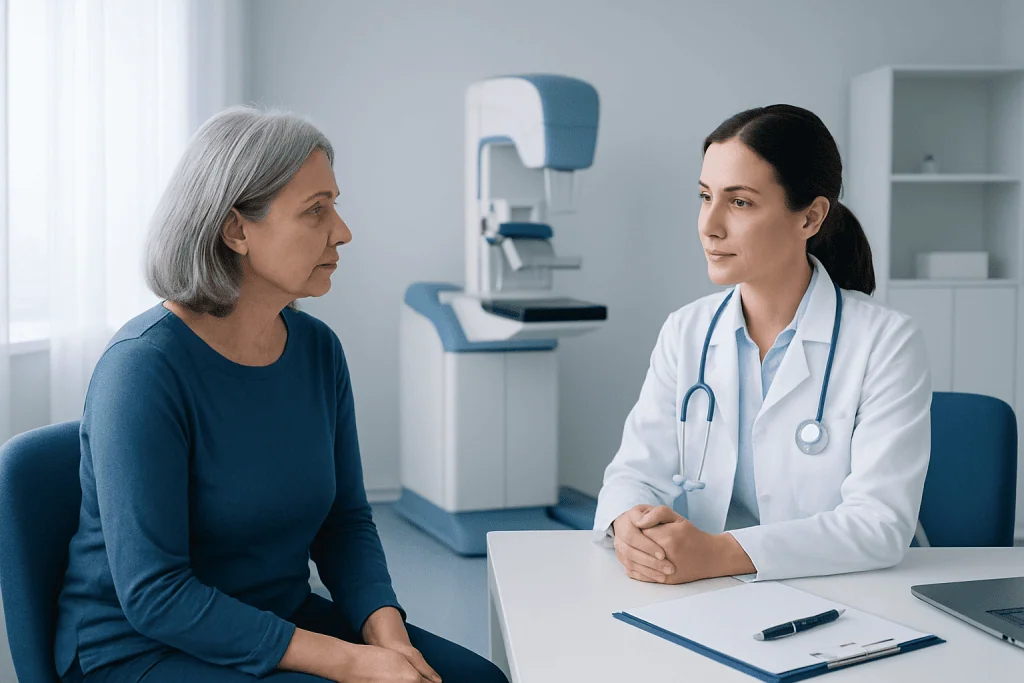
Simple planning ahead can help the appointment go more smoothly. A two-piece outfit is usually easiest because the patient will need to undress from the waist up and wear a gown. Comfortable clothing can make the visit less stressful, especially if extra images are needed.
Most imaging centers ask patients not to use deodorant, antiperspirant, powders, creams, or lotions on the underarms, breasts, or chest on the day of the exam. Some of these products can leave tiny particles that appear on mammogram images and may interfere with interpretation. If needed, these products can usually be applied after the test.
It is also helpful to bring previous mammogram images and reports if they were done at another facility. Comparison with older studies is one of the most important parts of breast imaging. Patients should also prepare a short symptom history, including when the symptom started, whether it changes during the menstrual cycle, and whether there is any family or personal history of breast conditions.
- Wear a two-piece outfit if possible.
- Avoid deodorant, powder, lotion, and perfume on the chest or underarms.
- Bring prior breast imaging reports and discs if done elsewhere.
- Write down symptoms, medications, allergies, and past breast procedures.
Clothing, Comfort, and Timing Tips
Choosing the right clothing can make the visit more comfortable. A separate top and bottom are usually easier than a dress or one-piece outfit. Jewelry around the neck and chest may need to be removed, so keeping accessories simple can save time. If a patient uses a skin cream or medicated patch near the breast area, it is sensible to ask the imaging center beforehand whether it should be removed temporarily.
Some people find mammograms more comfortable when they schedule them for a time when the breasts are less tender. For those who menstruate, this may be a week or so after the menstrual period begins, rather than just before the period. However, if there is a concerning symptom such as a new lump or bloody nipple discharge, the test should not be delayed just to find a more comfortable time in the cycle.
Taking an over-the-counter pain reliever before the visit may be acceptable for some patients, but it is best to follow the imaging center’s instructions or ask a doctor if unsure. Deep breathing and relaxed shoulder posture can also help reduce discomfort during breast compression. Compression lasts only briefly and is necessary to improve image quality while reducing motion and tissue overlap.
What Happens During the Exam
At the appointment, a technologist will ask about symptoms, prior breast surgery, implants, pregnancies, breastfeeding history, and any earlier imaging. It is helpful for patients to clearly point to the exact area of concern and describe any changes they have noticed. The technologist will position one breast at a time on the mammography unit, and several images will be taken.
Diagnostic exams often include more images than screening mammograms because the goal is to closely evaluate a particular area. The breast is compressed briefly for each image. This pressure can be uncomfortable, but it should be temporary. Patients should let the technologist know if the discomfort is significant, as repositioning may help.
Depending on the initial findings, the radiologist may request additional mammogram views or a breast ultrasound during the same visit. In some cases, further imaging such as a breast MRI may be recommended later if more detail is needed. If tissue sampling is advised, the team may discuss options such as an image-guided biopsy after the imaging review.
Questions to Ask at the Appointment
Having a few questions prepared can help patients leave the visit with a clearer understanding of the findings and next steps. It is reasonable to ask whether the exam answered the original concern and whether the radiologist saw anything that needs more evaluation. Patients may also ask how and when results will be communicated.
Other helpful questions focus on follow-up. For example, patients can ask whether additional imaging is needed, whether the finding looks benign, and whether a short-term follow-up mammogram is recommended. If the radiologist suggests more tests, patients may ask what each test is looking for and how urgent it is.
- What did this diagnostic mammogram evaluate?
- Will I need ultrasound or any other imaging today?
- When will I receive the results, and who will explain them?
- If something abnormal is found, what are the next steps?
- Do I need short-term follow-up, routine screening, or referral to a specialist?
Patients should also mention if they are pregnant, think they may be pregnant, are breastfeeding, or have breast implants. These details do not always prevent the exam, but they help the team choose the safest and most informative approach. Clear communication is an important part of high-quality breast imaging.
Understanding Results and Possible Next Steps
After the study, the radiologist interprets the images and prepares a report. Some centers discuss findings on the same day, while others send results to the referring doctor and patient later. Reports may describe the finding as benign, probably benign with short-term follow-up, suspicious and needing biopsy, or negative if no concerning abnormality is seen.
Additional tests do not always mean a serious problem. They may simply help clarify a dense area of tissue, a cyst, or a group of calcifications. If more evaluation is needed, the next step may be follow-up imaging, ultrasound, MRI, or biopsy depending on the appearance of the finding and the patient’s clinical history.
Patients should ask for a copy of the report if possible and keep their breast imaging records organized. This can be especially useful for future comparison. If care is being coordinated across specialties, services such as mammography and follow-up imaging are often part of a broader breast health pathway. Near the end of the care journey, some international patients may also choose centers such as Acibadem International, where multidisciplinary specialists in JCI-accredited hospitals evaluate and treat breast conditions.
When to Seek Medical Advice Promptly
Even if a mammogram is already scheduled, some symptoms deserve prompt medical attention rather than waiting casually for the appointment date. These include a rapidly growing lump, persistent one-sided bloody nipple discharge, marked skin thickening, breast redness with fever, or significant swelling. Sudden changes may need assessment by a doctor as soon as possible.
If the patient recently had breast surgery, biopsy, or treatment and develops increasing pain, fever, drainage, or worsening swelling, the treating team should be contacted. These symptoms may be unrelated to cancer and instead reflect infection, inflammation, or another condition that needs care.
For routine preparation, the most important message is not to delay evaluation of a concerning breast symptom. Diagnostic mammography is designed to answer specific questions, and timely imaging helps guide the right next step. If there is ever uncertainty about how urgent a symptom is, a qualified doctor can advise on the appropriate timing.
Frequently asked questions
What is the difference between a screening and a diagnostic mammogram?
A screening mammogram is a routine test for people without breast symptoms. A diagnostic mammogram is a more focused exam used to evaluate a symptom or to look more closely at an area seen on a screening mammogram. It usually includes additional images tailored to the area of concern.
What should a patient wear to a diagnostic mammogram?
A two-piece outfit is usually the most convenient choice because only clothing from the waist up needs to be removed. Simple clothing and minimal jewelry can also make the visit easier. Many centers provide a gown for the exam.
Why should deodorant or lotion be avoided before the exam?
Some personal care products can leave small particles on the skin that may show up on mammogram images. This can sometimes interfere with interpretation or create unnecessary confusion. It is usually fine to apply these products after the appointment.
Is a diagnostic mammogram painful?
Most people feel pressure or temporary discomfort rather than severe pain. The breast must be compressed briefly to create clear images and reduce tissue overlap. If the patient is very uncomfortable, telling the technologist may help because small adjustments can sometimes improve comfort.
Should the exam be scheduled at a certain time in the menstrual cycle?
If a person still menstruates, some prefer to schedule the exam when the breasts are less tender, often after the period starts. However, a concerning symptom should not be delayed just to find a more comfortable date. Urgent breast changes should be assessed promptly.
What should a patient bring to the appointment?
It is helpful to bring identification, insurance information if relevant, prior mammogram or ultrasound reports, and image discs from other facilities when available. A written summary of symptoms, past breast procedures, and family history can also be useful. This information helps the radiologist compare images and interpret findings more accurately.
Does being called back for a diagnostic mammogram mean cancer?
No, a callback does not automatically mean cancer. Many callbacks are due to overlapping breast tissue, benign cysts, calcifications, or areas that simply need extra views. The purpose of the diagnostic exam is to clarify the finding and decide whether any further steps are needed.
This article is for general information only and is not a substitute for professional medical advice. Please consult a qualified doctor about your individual situation.
Explore treatments in Turkey — costs, top hospitals & a free quote
JCI-accredited · board-certified surgeons · reply within 24h
Add us as a Preferred Source to see more of our trusted health content across Google Search, AI Overviews and Discover.

More from the Health Library

Doppler Ultrasound: Checking Blood Flow in Veins and Arteries

How Long Do Lab and Imaging Results Take to Come Back?

Biopsy vs Imaging: When a Scan Is Enough and When Tissue Testing Is Needed

What Happens During a Diagnostic Imaging Exam: Step-by-Step Guide

Choosing a Medical Laboratory: Accreditation, Accuracy, and Turnaround Time