When Should You Repeat a Lab Test or Imaging Exam?

A repeat test does not always mean something serious is wrong; it often helps confirm accuracy or track change over time. Lab tests may be repeated because of preparation issues, borderline values, or the need to monitor a condition or treatment.
Key Takeaways
- A repeat test does not always mean something serious is wrong; it often helps confirm accuracy or track change over time.
- Lab tests may be repeated because of preparation issues, borderline values, or the need to monitor a condition or treatment.
- Imaging exams may be repeated when symptoms evolve, the first study is incomplete, or follow-up is needed to compare findings.
- The best timing for repeat testing depends on the clinical question, the type of test, and a person’s symptoms and history.
- Patients should ask why a test is being repeated, what information it may add, and whether there are alternatives.
Repeating a lab test or imaging exam is sometimes the safest and most useful next step in care. It may be recommended when results are unexpected, symptoms change, treatment needs monitoring, or test quality affects how clearly the result can be interpreted.
Overview
Doctors order lab tests and imaging exams to answer specific clinical questions. Sometimes one test gives a clear answer, but in many situations the result needs to be confirmed, compared over time, or interpreted together with symptoms, examination findings, and medical history. In these cases, a clinician may advise a repeat test.
Repeating a test is a common part of careful medical care. It may help confirm that a result is correct, show whether a condition is improving or progressing, or check how well a treatment is working. It can also be helpful if the first sample, scan, or image was affected by timing, preparation, or technical factors.
Patients sometimes worry that a repeat test means a serious diagnosis has been missed. In reality, repeat testing is often done to improve accuracy and reduce uncertainty. The decision depends on the type of test, the reason it was ordered, and whether the person’s symptoms have stayed the same, improved, or changed.
Why a Test May Need to Be Repeated
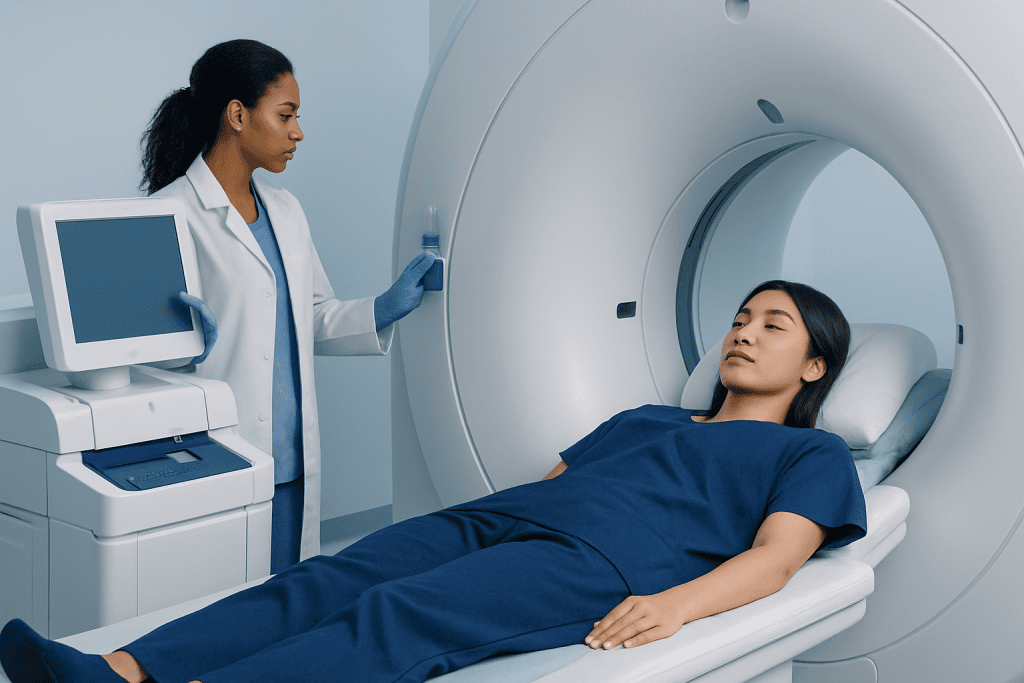
Lab tests may be repeated for several practical reasons. Some blood, urine, or stool results can be influenced by fasting, hydration, exercise, medications, infection, stress, or the time of day the sample was collected. If the result does not match the clinical picture, repeating the test under the right conditions may give a more reliable answer.
Imaging exams may also need repeating. This can happen if body movement affected the images, if a structure was not fully visible, if the first test was done very early in the course of symptoms, or if doctors need a follow-up comparison. In other cases, a different type of imaging may be recommended instead of repeating the same exam, depending on what the care team is trying to assess.
Some common reasons for repeating a test include:
- An unexpected or borderline result
- Symptoms that persist, worsen, or return
- Monitoring a known condition over time
- Checking response to treatment
- Technical or sample-quality problems
- Confirming an abnormal finding before making treatment decisions
Situations When Lab Tests Are Commonly Repeated

Repeat laboratory testing is often part of routine follow-up. Blood sugar levels, cholesterol, thyroid function, kidney function, liver tests, blood counts, inflammatory markers, and hormone tests are examples of measurements that may change over time. A single abnormal value may not tell the full story, so doctors often look for trends across several tests.
Some tests are repeated because treatment itself needs monitoring. For example, certain medicines can affect blood counts, liver function, kidney function, or electrolytes. Repeat testing helps clinicians decide whether the treatment is working safely and whether changes are needed.
There are also situations where a repeat result can prevent overdiagnosis or unnecessary treatment. A mild abnormality may return to normal on its own, especially if it was influenced by a temporary illness, dehydration, recent exercise, or a collection issue. This is one reason doctors may suggest waiting a certain number of days or weeks before testing again rather than reacting to one isolated value.
If the repeated test is still abnormal, the next step may be more focused evaluation rather than repeated testing alone. This can include additional blood work, urine testing, or targeted assessment depending on the organ system involved.
When Imaging Exams May Be Repeated
Imaging tests such as X-ray, ultrasound, CT, MRI, and mammography are repeated for different reasons than lab tests. Sometimes the first exam is done to answer an urgent question, and a later study is needed to see how findings evolve. For example, a scan may be repeated to monitor healing, evaluate a known lesion, or compare changes after treatment.
In some cases, repeating imaging helps clarify an uncertain finding. A shadow, small nodule, area of inflammation, or nonspecific change may need follow-up after a set interval to determine whether it remains stable, improves, or changes. Stability over time can be medically reassuring, while change may guide further assessment.
Image quality also matters. Motion, bowel gas, body habitus, metal implants, or limited visibility of an area can make interpretation difficult. The radiologist or treating doctor may recommend another scan or a different modality to answer the question more clearly. For example, doctors may use MRI scanning or CT imaging when more detail is needed, while ultrasonography can be useful for selected soft-tissue and abdominal concerns.
How Doctors Decide the Right Timing
The timing of repeat testing depends on why the test is being repeated. If there is concern about a sample error or temporary influence, the test may be repeated soon under better conditions. If the goal is to monitor treatment or the natural course of a condition, the interval may be days, weeks, months, or longer.
For lab tests, doctors consider how quickly a value normally changes in the body. For imaging, they consider how likely a finding is to evolve over time and whether repeating the exam too early would provide useful new information. A repeat scan done too soon may show little change and may not answer the clinical question.
Symptoms are especially important. New pain, fever, bleeding, shortness of breath, neurological symptoms, or a sudden decline in health may justify earlier reassessment. On the other hand, if a person feels well and the finding is low risk, careful follow-up at a planned interval may be more appropriate than immediate repeat testing.
Clinicians also weigh benefits and burdens. They consider convenience, cost, preparation requirements, exposure to radiation when relevant, and whether another approach might answer the question better. This shared decision-making helps make repeat testing more targeted and useful.
What Patients Can Do Before a Repeat Test
Good preparation can improve test accuracy. Before a repeat lab test, patients should ask whether they need to fast, avoid certain supplements, change the timing of regular medicines, or limit strenuous exercise. They should also mention recent illness, dehydration, menstruation, or any changes in prescription or nonprescription drugs, since these can affect results.
Before a repeat imaging exam, it is helpful to ask whether previous images should be brought for comparison and whether special preparation is needed. Some exams require fasting, contrast material, or removal of metal items. Following instructions carefully can reduce the chance that the test will need to be repeated again.
Patients may also benefit from asking a few simple questions:
- Why is this test being repeated?
- What changed since the first test?
- What result would change the treatment plan?
- Is a different test more useful than repeating the same one?
- How soon should the repeat test be done?
These questions can help patients understand the purpose of follow-up testing and feel more confident about the next step.
When to Speak With a Doctor Promptly
Patients should contact a doctor sooner if symptoms are getting worse, new symptoms appear, or they feel significantly unwell while waiting for repeat testing. Warning signs depend on the situation but may include chest pain, severe shortness of breath, fainting, confusion, heavy bleeding, severe abdominal pain, new weakness, or high fever. In these situations, urgent medical assessment may be more important than waiting for a planned follow-up test.
It is also reasonable to seek clarification if repeat testing has been recommended but the reason is unclear. Understanding whether the goal is confirmation, monitoring, or further evaluation can help patients know what to expect and what questions to ask. A second opinion may be appropriate if recommendations are complex or if there is uncertainty about the next step.
When repeat tests show a persistent abnormality, the doctor may recommend more specialized evaluation. Depending on the findings, this could include assessment for thyroid cancer, lung cancer, or another condition, but repeat testing alone does not mean a serious diagnosis is present. It is one part of a structured diagnostic process.
Near the end of the care pathway, some patients may benefit from multidisciplinary review. Acibadem International’s multidisciplinary specialists and JCI-accredited hospitals diagnose and treat a wide range of conditions for international patients, including cases that require coordinated lab, radiology, and specialist evaluation.
Frequently asked questions
Does repeating a test mean the first result was wrong?
Not necessarily. A repeat test may be done to confirm an unexpected result, improve technical quality, or compare changes over time. The first result may still be valid, but doctors sometimes need more information before making decisions.
How soon should a lab test be repeated?
The timing depends on the type of test and the reason for repeating it. Some tests are repeated within hours or days, while others are best repeated after weeks or months. A doctor will usually choose the interval that is most likely to provide useful new information.
Is it safe to repeat imaging exams?
In many cases, yes, but safety depends on the type of imaging. Ultrasound and MRI do not use ionizing radiation, while X-rays and CT scans do. Doctors consider the medical benefit, the urgency of the question, and whether another imaging method could provide the answer with less exposure.
Can diet, exercise, or medicines affect whether a lab test should be repeated?
Yes. Food intake, dehydration, strenuous exercise, supplements, and prescription or nonprescription medicines can influence some lab results. This is why a doctor may ask about preparation and may repeat a test under more controlled conditions.
Should patients ask for a copy of their previous test results?
That can be helpful, especially for ongoing care or when seeing a new doctor. Previous reports and images allow clinicians to compare findings over time rather than interpreting one result in isolation. Comparison often improves accuracy and reduces unnecessary repeat testing.
What if symptoms get worse before the repeat test date?
Patients should not wait if symptoms worsen significantly or if new concerning symptoms develop. They should contact their doctor promptly, and urgent care may be needed depending on the situation. A change in symptoms can affect both the timing and the type of follow-up testing.
This article is for general information only and is not a substitute for professional medical advice. Please consult a qualified doctor about your individual situation.
Explore treatments in Turkey — costs, top hospitals & a free quote
JCI-accredited · board-certified surgeons · reply within 24h
Add us as a Preferred Source to see more of our trusted health content across Google Search, AI Overviews and Discover.
Check your numbers in seconds
BMI, calories, due date, blood pressure and 30+ more clinical calculators — free, instant, doctor-reviewed ranges.

More from the Health Library

Lab Test Cost: What Affects the Price of Blood and Urine Testing?

When Imaging Finds an Incidentaloma: What Unexpected Scan Results May Mean

EEG Test Explained: When Brain Wave Monitoring Is Recommended

Diagnostic Mammogram: When It Is Used and What to Expect

Liver Ultrasound: Uses, Preparation and Results