Digestive Health 101: What It Means and How to Improve It

Digestive health involves comfortable digestion, regular bowel habits, and effective nutrient absorption. A varied, fiber-rich diet and enough fluids can support normal bowel function and gut balance.
Key Takeaways
- Digestive health involves comfortable digestion, regular bowel habits, and effective nutrient absorption.
- A varied, fiber-rich diet and enough fluids can support normal bowel function and gut balance.
- Stress, poor sleep, inactivity, smoking, alcohol, and some medicines can affect digestion.
- Persistent symptoms such as pain, bleeding, weight loss, or trouble swallowing should be assessed by a doctor.
- Many digestive concerns can improve with lifestyle changes, but some require medical testing or treatment.
Digestive health refers to how well the digestive system breaks down food, absorbs nutrients, and removes waste while keeping symptoms to a minimum. Good habits such as balanced eating, hydration, movement, stress management, and timely medical care can support a healthier gut.
Overview: What Digestive Health Means
Digestive health describes how well the digestive system works from the mouth to the intestines. A healthy digestive system breaks down food, absorbs nutrients, supports the body’s energy needs, and removes waste regularly and comfortably. It also works closely with the immune system, hormones, and the community of microorganisms that live in the gut.
Good digestive health does not mean a person never has bloating, indigestion, or constipation. Mild symptoms can happen from time to time, especially after dietary changes, illness, travel, or stress. In general, digestive health is considered good when eating is comfortable most of the time, bowel movements are reasonably regular, and there are no ongoing warning signs.
The digestive tract includes the esophagus, stomach, small intestine, large intestine, rectum, liver, gallbladder, and pancreas. Each part has a different role, and a problem in one area can affect the whole system. Because digestion is so central to nutrition and overall wellbeing, taking care of digestive health is an important part of everyday health maintenance.
Signs of Good Digestive Health and Common Symptoms
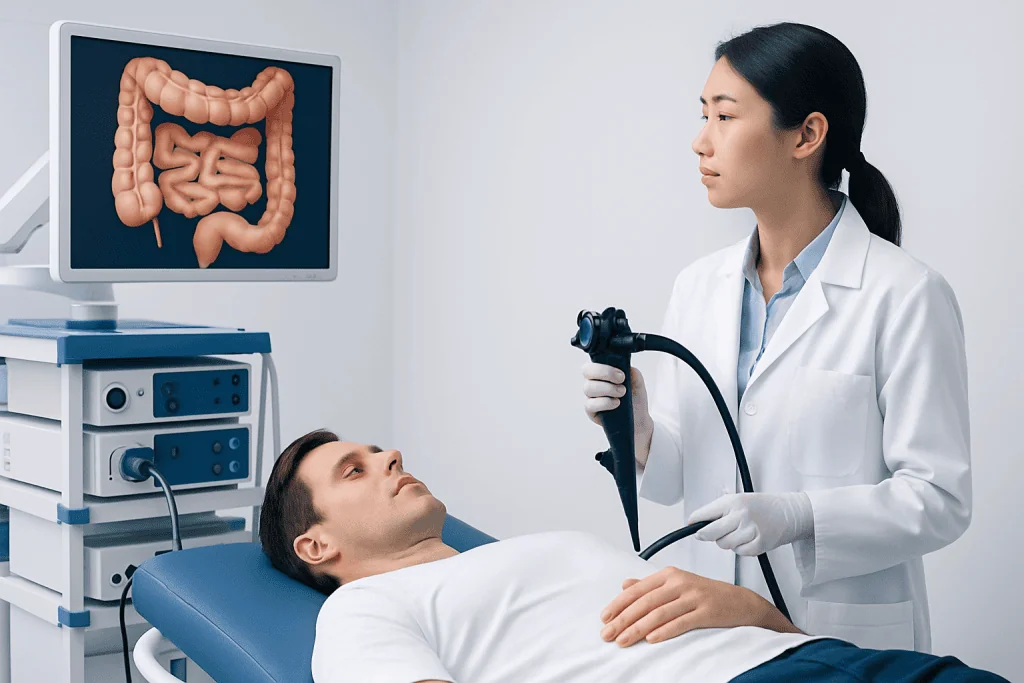
Healthy digestion often shows up in simple ways. A person may feel comfortable after meals, have predictable bowel movements, and experience little or no ongoing abdominal discomfort. Energy levels and general wellbeing can also be linked to how well nutrients are absorbed.
Common digestive symptoms include heartburn, nausea, bloating, gas, abdominal pain, diarrhea, and constipation. These symptoms are common and are not always a sign of serious disease. They may happen after eating too quickly, consuming very fatty or spicy foods, drinking too little water, or going through periods of stress.
Some people have recurring symptoms related to conditions such as irritable bowel syndrome, reflux, food intolerance, or inflammation in the digestive tract. Tracking when symptoms happen, what foods were eaten, and whether stress or medication may have played a role can help a doctor understand the pattern.
- Comfortable eating and swallowing
- Regular bowel habits without significant straining
- Minimal ongoing bloating, pain, or reflux
- No blood in the stool or unexplained weight loss
- Good tolerance of a balanced diet
What Affects Digestive Health

Digestive health is shaped by many factors, including diet, fluid intake, exercise, sleep, emotional stress, age, medicines, and existing medical conditions. What a person eats over time matters more than any single meal. Diets low in fiber or very high in ultra-processed foods may contribute to constipation, bloating, or poor bowel regularity in some people.
The gut microbiome also plays a role. This is the collection of bacteria and other microorganisms living in the intestines. A diverse and balanced microbiome may support digestion, immunity, and bowel health. While the science is still developing, habits such as eating plant foods, limiting unnecessary antibiotics, and maintaining a healthy lifestyle can support gut balance.
Certain health problems can directly affect digestion. Examples include celiac disease, gallstones, inflammatory bowel disease, ulcers, infections, and cancers of the digestive system. Some medications, including pain relievers, iron supplements, antibiotics, and acid-lowering medicines, may also change bowel habits or cause stomach discomfort. In other cases, symptoms may reflect a structural issue that needs testing, such as a problem found during an endoscopy or imaging study.
Family history may also matter. People with relatives who have colon cancer, inflammatory bowel disease, celiac disease, or other gastrointestinal conditions may need earlier discussion with a doctor about screening or symptom evaluation.
How to Improve Digestive Health
For many people, digestive health improves with steady daily habits rather than quick fixes. Eating regular meals, chewing food well, and avoiding very large late-night meals can reduce digestive strain. A balanced eating pattern that includes vegetables, fruits, legumes, whole grains, nuts, and seeds can provide fiber and nutrients that support bowel function.
Fluids are also important, especially for people prone to constipation. Water is usually the best choice. Regular physical activity may help the intestines move waste more effectively, and good sleep can support the body’s hormonal and digestive rhythms. Stress management matters as well because the gut and brain are closely connected.
Some people benefit from identifying personal triggers. These might include very fatty meals, alcohol, excess caffeine, carbonated drinks, or particular foods such as onions, beans, or dairy products. Restrictive diets should be approached carefully and ideally with professional guidance, because unnecessarily avoiding many foods can lead to poor nutrition.
- Increase fiber gradually rather than all at once
- Drink enough water throughout the day
- Stay physically active most days of the week
- Limit smoking and moderate alcohol intake
- Manage stress with relaxation, breathing exercises, or mindfulness
- Seek advice before using frequent laxatives or supplements
Diagnosis and Digestive Health Checkups
When digestive symptoms persist, a doctor usually begins with a careful history and physical examination. They may ask about the pattern of symptoms, bowel habits, weight changes, medications, travel, diet, stress, and family history. This first step often helps narrow down whether the issue is functional, inflammatory, infectious, or structural.
Testing depends on the symptoms. Blood tests, stool tests, breath tests, ultrasound, and other imaging may be helpful. In some cases, direct examination of the digestive tract is recommended. For example, a doctor may advise colonoscopy to investigate bleeding, chronic bowel changes, or for age-appropriate screening.
If symptoms suggest liver, pancreas, stomach, or intestinal disease, further assessment by a gastroenterology specialist may be needed. Conditions such as Crohn’s disease or celiac disease require proper diagnosis because treatment and long-term monitoring are important. Early evaluation can also help rule out serious causes and guide more effective care.
Treatment Options for Digestive Problems
Treatment depends on the cause. Some digestive concerns improve with diet and lifestyle changes alone, while others need medication or a specific medical procedure. For example, acid reflux may improve with meal timing and weight management, while bacterial infections may require antibiotics prescribed by a doctor.
Functional digestive disorders may be managed with a combination of nutrition changes, stress reduction, and symptom-targeted medicines. Constipation may respond to more fiber, water, exercise, and selected treatments. Diarrhea may need fluid replacement, temporary diet changes, and testing if it is severe or persistent. If food intolerance is suspected, a healthcare professional can help guide a safe elimination and reintroduction approach.
Some conditions require specialized procedures or surgery. Polyps may be removed during colonoscopy, gallbladder disease may need surgery, and severe inflammatory or structural disease may need advanced treatment. For people with complex or ongoing symptoms, coordinated care from gastroenterology, nutrition, imaging, and surgery teams can be important. Near the end of the care pathway, centers such as Acibadem International offer multidisciplinary evaluation and treatment for international patients in JCI-accredited hospitals.
Prevention, Self-care, and When to See a Doctor
Many digestive problems can be reduced through prevention and self-care. Safe food handling, regular meals, gradual fiber intake, hydration, physical activity, and avoiding tobacco all support digestive system health. It is also helpful not to ignore ongoing symptoms or rely on over-the-counter remedies for long periods without medical advice.
Routine screening is another important part of prevention, especially for colorectal cancer and some liver-related conditions in higher-risk groups. A doctor can advise when screening should begin based on age, family history, and individual risk factors. Preventive care can detect problems before they cause noticeable symptoms.
A doctor should assess symptoms such as difficulty swallowing, vomiting blood, black stools, rectal bleeding, persistent abdominal pain, ongoing diarrhea or constipation, jaundice, or unexplained weight loss. These signs do not always mean a serious illness, but they should not be ignored. Prompt medical advice can lead to earlier diagnosis, reassurance, and the right treatment plan.
Frequently asked questions
What is digestive health?
Digestive health refers to how well the digestive system breaks down food, absorbs nutrients, and removes waste. It also includes being free from frequent or ongoing symptoms such as pain, reflux, bloating, constipation, or diarrhea.
How can someone improve digestive health naturally?
Many people can support digestive health by eating a balanced, fiber-rich diet, drinking enough water, staying active, and managing stress. Eating regular meals, chewing food thoroughly, and limiting smoking and excess alcohol can also help.
Are probiotics necessary for good gut health?
Probiotics may help some people in certain situations, but they are not necessary for everyone. A varied diet rich in plant foods often supports gut health well, and it is best to ask a doctor before using supplements regularly.
How often should bowel movements happen?
Normal bowel habits vary from person to person. Some people go several times a day, while others go every few days, as long as the pattern is comfortable and there is no straining, pain, or major change.
When should digestive symptoms be checked by a doctor?
Medical advice is important if symptoms are persistent, worsening, or affecting daily life. Urgent evaluation is needed for warning signs such as bleeding, black stools, trouble swallowing, repeated vomiting, jaundice, or unexplained weight loss.
Can stress affect digestion?
Yes. Stress can influence appetite, bowel habits, bloating, and abdominal discomfort because the gut and brain are closely connected. Stress management can be a useful part of treatment for some digestive symptoms.
References
- World Health Organization
- National Institute of Diabetes and Digestive and Kidney Diseases
- American College of Gastroenterology
- National Health Service
- Centers for Disease Control and Prevention
This article is for general information only and is not a substitute for professional medical advice. Please consult a qualified doctor about your individual situation.
Persistent digestive symptoms? Get evaluated in Turkey
JCI-accredited · board-certified surgeons · reply within 24h
Add us as a Preferred Source to see more of our trusted health content across Google Search, AI Overviews and Discover.