

Reproductive Endocrinology: Fertility, Hormones, and Treatment Options

Reproductive endocrinology examines how hormones influence fertility and reproductive function. Common concerns include irregular periods, ovulation problems, low sperm production, and infertility.
Key Takeaways
- Reproductive endocrinology examines how hormones influence fertility and reproductive function.
- Common concerns include irregular periods, ovulation problems, low sperm production, and infertility.
- Evaluation may involve hormone blood tests, imaging, semen analysis, and assessment of ovulation or menstrual patterns.
- Treatment depends on the cause and may include lifestyle changes, medications, or assisted reproductive techniques.
- Many hormone-related fertility problems can be managed effectively with specialist care.
Reproductive endocrinology is the area of medicine that studies how hormones affect fertility, menstruation, ovulation, and reproductive health. It helps identify the reasons behind infertility or hormone-related reproductive problems and guides treatment based on each person’s needs.
Overview of reproductive endocrinology
Reproductive endocrinology is a medical subspecialty focused on the relationship between hormones and the reproductive system. In women, these hormones help regulate the menstrual cycle, egg development, ovulation, and pregnancy. In men, they influence sperm production, sexual development, and testosterone-related functions. When hormone signaling is disrupted, fertility can be affected.
This field is especially important for people who are having difficulty conceiving, have irregular menstrual cycles, repeated pregnancy loss, or symptoms that suggest a hormone imbalance. Reproductive endocrinologists look at the whole hormonal network, including the brain, pituitary gland, thyroid, ovaries, testes, and adrenal glands, because all of these systems can influence reproduction.
Hormonal fertility issues can affect both women and men. Some causes are temporary and reversible, while others require longer-term management. A careful assessment often helps clarify whether the main issue relates to ovulation, sperm production, egg reserve, hormone levels, anatomical factors, age-related changes, or a combination of these.
How hormones affect fertility
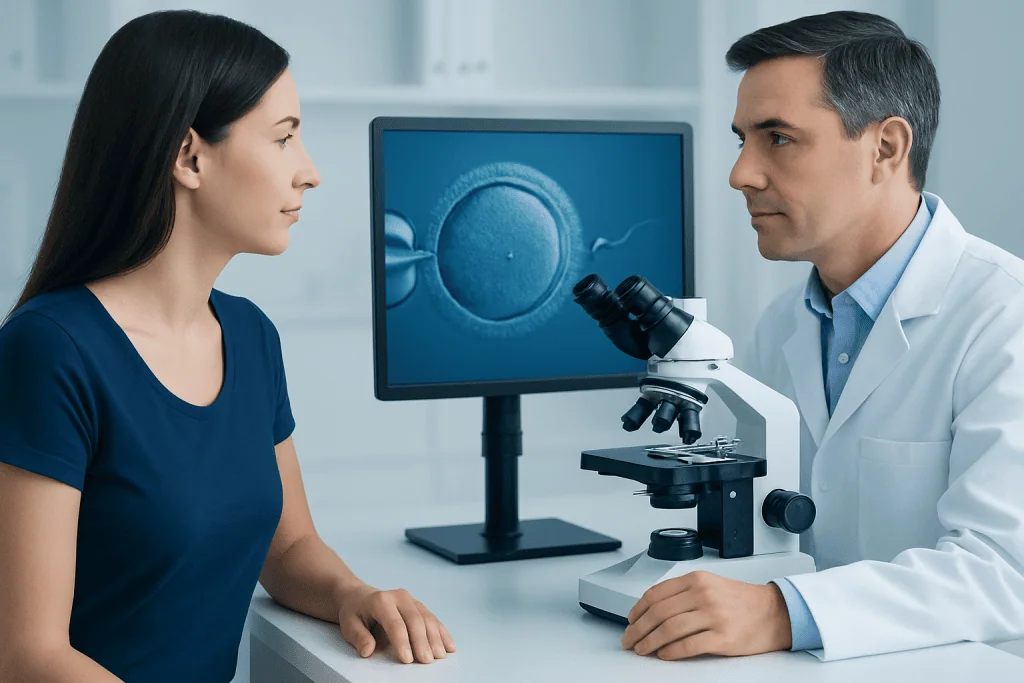
Fertility depends on coordinated communication between the brain and reproductive organs. The hypothalamus and pituitary gland release hormones that signal the ovaries or testes to function properly. In women, follicle-stimulating hormone and luteinizing hormone support egg maturation and ovulation. Estrogen and progesterone then prepare the uterus for pregnancy. In men, these signaling hormones help regulate testosterone production and sperm development.
Even a small disturbance in this system can affect the chance of conception. If ovulation does not happen regularly, if hormone levels are too low or too high, or if the uterine lining does not respond normally, pregnancy may be harder to achieve. In men, reduced testosterone signaling or other hormone disorders can interfere with sperm count, sperm quality, or sexual function.
Other endocrine conditions may also influence fertility. For example, thyroid disorders, elevated prolactin, problems of the pituitary gland such as hypopituitarism, and metabolic concerns such as insulin resistance can play a role. In some people, these conditions are obvious from symptoms, while in others they are found only after targeted testing.
Symptoms and signs of a hormone-related fertility problem

The most common sign is difficulty becoming pregnant after a period of regular, unprotected intercourse. However, reproductive endocrine disorders often cause additional symptoms. In women, these may include irregular or absent periods, very heavy or very light bleeding, severe cycle changes, acne, excess hair growth, pelvic discomfort, or symptoms of menopause at an earlier-than-expected age.
In men, symptoms may include reduced libido, erectile difficulties, low energy, changes in body hair, testicular changes, or known abnormalities on semen analysis. Some men have no noticeable symptoms apart from infertility. This is one reason why evaluation usually includes both partners when pregnancy is not occurring as expected.
Hormone imbalances outside the reproductive organs may also give clues. Unexplained weight changes, feeling unusually cold or hot, headaches, visual changes, breast discharge, or signs of thyroid disease can suggest an underlying endocrine issue. For example, elevated prolactin levels, known as hyperprolactinemia, may interfere with ovulation or testosterone regulation.
- Irregular, infrequent, or absent periods
- Problems with ovulation
- Difficulty conceiving
- Repeated pregnancy loss
- Low libido or erectile dysfunction
- Abnormal milk discharge unrelated to breastfeeding
Causes and risk factors
There is no single cause of hormone-related infertility. In women, ovulatory disorders are among the most common reasons for reproductive endocrine evaluation. These can result from polycystic ovary syndrome, thyroid dysfunction, high prolactin, pituitary disorders, premature ovarian insufficiency, or significant underweight or overweight status. In men, hormonal infertility may be linked to low testosterone production, pituitary problems, testicular disorders, or genetic conditions.
Age is an important factor, especially for female fertility, because the number and quality of eggs decline over time. Lifestyle and overall health also matter. Smoking, excessive alcohol use, poor sleep, high stress, intense exercise without enough nutrition, obesity, and chronic medical illness can all affect reproductive hormones. Certain medications and past chemotherapy or radiation may also interfere with fertility.
Some endocrine or nutritional problems can contribute indirectly. Conditions such as diabetes, insulin resistance, thyroid disease, and even vitamin D deficiency may affect menstrual regularity, ovulation, or overall reproductive health in some individuals. In many cases, infertility has more than one contributing factor, which is why a broad and balanced evaluation is often most useful.
How reproductive endocrine disorders are diagnosed
Diagnosis begins with a detailed medical history and physical examination. The doctor usually asks about menstrual cycles, pregnancy history, past miscarriages, medications, weight changes, symptoms of hormone imbalance, and family history. For men, the history may include pubertal development, sexual function, previous testicular issues, and any past fertility results.
Blood tests are often used to measure reproductive and related hormones. These may include follicle-stimulating hormone, luteinizing hormone, estradiol, progesterone, prolactin, thyroid hormones, testosterone, and others depending on the situation. Timing matters for some hormone tests, so they may be scheduled around a specific day of the menstrual cycle. Additional testing may look for metabolic conditions, ovarian reserve, or pituitary abnormalities.
Imaging and functional tests can add important information. Pelvic ultrasound can help assess the ovaries and uterus. In some cases, specialists may evaluate whether the fallopian tubes are open or whether the uterine cavity is normal. Men often need a semen analysis as part of a complete infertility workup. The aim is to identify the cause clearly so treatment can be matched to the individual problem rather than relying on a one-size-fits-all approach.
Treatment options
Treatment depends on the cause, age, fertility goals, and how long the problem has been present. In some cases, improving sleep, nutrition, exercise balance, weight management, and control of chronic conditions is enough to restore ovulation or improve hormone balance. When a specific endocrine disorder is identified, treating that condition may improve fertility. For example, correcting thyroid dysfunction or elevated prolactin can help normalize reproductive hormone signaling.
Medications may be used to stimulate ovulation, regulate hormone levels, support the menstrual cycle, or address male hormone deficiencies when appropriate. Some patients may need treatment aimed at improving the chance of conception through timed intercourse or other fertility planning. Others may benefit from specialist reproductive procedures if simpler methods are not successful.
When indicated, assisted reproductive options may be discussed. These can include techniques such as in vitro fertilization or other targeted fertility treatments based on the underlying diagnosis. Surgical treatment is less common for purely hormonal conditions but may be considered if structural problems are also present. Near the end of the care pathway, patients may seek support from centers such as Acibadem International, where multidisciplinary specialists in JCI-accredited hospitals evaluate and treat fertility and endocrine conditions for international patients.
Self-care, prevention, and when to seek medical advice
Not all fertility problems can be prevented, but healthy daily habits can support reproductive hormone balance. A balanced diet, regular physical activity, adequate sleep, stress management, and avoiding smoking are all helpful. Reaching a healthy body weight can improve ovulation and hormone regulation in some people, while avoiding extreme dieting or overtraining may help protect menstrual and reproductive health.
It is sensible to seek medical advice if periods are very irregular, absent, unusually painful, or have changed significantly, or if pregnancy is not occurring after an appropriate period of trying. Men should also seek evaluation for known hormone problems, reduced sexual function, or concerns about semen quality. Earlier assessment may be especially helpful for people with a history of thyroid disease, pituitary conditions, surgery, cancer treatment, or repeated pregnancy loss.
A doctor can also advise on preconception health, including medication review, vaccination status, and management of chronic disease before pregnancy. Early guidance can make treatment more efficient and may reduce uncertainty. If specialist assessment is needed, a reproductive endocrinologist can help explain the findings clearly and outline realistic next steps.
Frequently asked questions
What does a reproductive endocrinologist do?
A reproductive endocrinologist is a doctor who specializes in hormones related to fertility and reproductive health. They assess problems such as irregular ovulation, infertility, repeated pregnancy loss, and certain hormone disorders in both women and men.
Can hormone imbalance cause infertility?
Yes. Hormone imbalance can interfere with ovulation, menstrual regularity, sperm production, and the body’s ability to support conception. The exact effect depends on which hormones are affected and how long the imbalance has been present.
When should someone seek help for fertility concerns?
A person should consider medical advice if pregnancy is not occurring after a period of regular, unprotected intercourse that is appropriate for their age and health history. It is also reasonable to seek help sooner if periods are absent or very irregular, or if there is a known endocrine condition.
Are reproductive endocrine problems only a women’s issue?
No. Hormonal causes of infertility can affect men as well as women. Male fertility may be influenced by testosterone levels, pituitary signaling, and conditions that affect sperm production.
What tests are commonly used in reproductive endocrinology?
Common tests include hormone blood tests, pelvic ultrasound, ovulation assessment, and semen analysis. Depending on the case, doctors may also evaluate thyroid function, prolactin levels, ovarian reserve, or pituitary health.
Can fertility improve after treating an endocrine disorder?
In many cases, yes. When the underlying problem is identified and treated, hormone balance and fertility may improve. The outcome depends on the diagnosis, age, overall health, and whether other fertility factors are also present.
This article is for general information only and is not a substitute for professional medical advice. Please consult a qualified doctor about your individual situation.
IVF & fertility treatment in Turkey — success rates and costs
JCI-accredited · board-certified surgeons · reply within 24h
Add us as a Preferred Source to see more of our trusted health content across Google Search, AI Overviews and Discover.
Check your numbers in seconds
BMI, calories, due date, blood pressure and 30+ more clinical calculators — free, instant, doctor-reviewed ranges.

Related Conditions
More from the Health Library

Primary Aldosteronism: A Treatable Hormone Cause of High Blood Pressure

Endocrine Meaning: What the Term Means in Medicine

Hyperthyroidism: Symptoms, Causes, and Treatment Options

Endocrinology Second Opinion: When It Is Worth Getting One

Endocrinology Consultation: What to Expect at Your First Appointment

What Is an Endocrinologist and When Should You See One?
Endocrinology Specialists at Acibadem

Assoc. Prof. Dr. Seher Tanrıkulu
Endocrinology
Assoc. Prof. Dr. Sinan Kırım
Endocrinology
Assoc. Prof. Dr. Tuğçe Apaydın
Endocrinology
Dr. Tural Safarlı
Endocrinology