Living with Endocrine Disorders: Daily Self-Care, Follow-Up, and Monitoring

Endocrine disorders affect hormone balance and often require long-term management. Daily self-care includes taking medicines correctly, eating well, staying active, and tracking symptoms.
Key Takeaways
- Endocrine disorders affect hormone balance and often require long-term management.
- Daily self-care includes taking medicines correctly, eating well, staying active, and tracking symptoms.
- Regular follow-up visits and lab tests help doctors adjust treatment safely.
- Monitoring changes in energy, weight, mood, sleep, and blood sugar can provide useful early clues.
- People should seek medical advice promptly if symptoms suddenly worsen or new warning signs appear.
Living with endocrine disorders often means balancing medication, symptom tracking, healthy routines, and regular medical follow-up. With a clear care plan and ongoing monitoring, many people can manage hormone-related conditions well and protect their long-term health.
Overview: what living with endocrine disorders involves
Endocrine disorders are conditions that affect the glands and hormones that regulate many essential body functions. These hormones influence metabolism, growth, blood sugar, temperature control, mood, reproduction, bone health, and energy levels. Because hormones act throughout the body, endocrine conditions can affect daily life in different ways and may cause symptoms that change over time.
Common examples include thyroid disorders, diabetes, adrenal disorders, pituitary disorders, and reproductive hormone conditions. Some people live with one diagnosis, while others may have more than one hormone-related issue, such as prediabetes together with insulin resistance. Others may need monitoring for specific thyroid conditions such as thyroid nodules.
For many patients, treatment is long term rather than short term. That does not mean life must stop or become centered around illness. In most cases, a structured plan that includes medication, regular follow-up, lifestyle support, and awareness of warning signs can help people stay active and feel more in control.
How endocrine disorders can affect daily life
Hormone imbalance can influence the body gradually or more noticeably, depending on the condition. A person may experience tiredness, unexplained weight changes, changes in appetite, thirst, urination, sweating, menstrual irregularities, reduced sexual function, sleep problems, mood changes, or difficulty concentrating. Some symptoms are subtle, which is why routine monitoring is often just as important as how a person feels day to day.
Daily life can also be affected by the need to take medicines at specific times, check blood sugar, attend blood tests, or watch for symptoms that signal a need for treatment adjustment. In children and adolescents, endocrine conditions may affect growth and puberty. In adults, they may affect work performance, exercise tolerance, fertility, and bone health.
Emotional well-being matters too. Living with a chronic condition can create uncertainty, especially if symptoms fluctuate. Support from healthcare professionals, family, and trusted educational resources can help patients understand their condition and build practical routines that are easier to maintain over time.
- Energy and sleep may vary from day to day.
- Appetite, weight, and digestion may change.
- Stress can affect symptoms and self-management.
- Regular routines often improve stability and confidence.
Daily self-care habits that support hormone health

Self-care for endocrine disorders is not a single task. It is a set of regular habits that support treatment and help reduce complications. One of the most important steps is taking medication exactly as prescribed. Some hormone medicines work best when taken at a certain time of day or on an empty stomach, while others should not be stopped suddenly. If a patient has side effects, misses doses, or has difficulty affording or organizing medication, they should discuss this with their doctor rather than changing treatment on their own.
Nutrition and physical activity are also central to care. A balanced eating pattern can help support blood sugar control, heart health, weight management, and overall energy. Regular movement may improve insulin sensitivity, strength, mood, and sleep quality. Exercise plans should match the person’s age, condition, fitness level, and any limits set by their clinician.
Stress management and sleep deserve equal attention. Ongoing stress can make symptoms feel worse and can interfere with healthy routines. Helpful strategies may include relaxation exercises, realistic scheduling, counseling support, and consistent sleep habits. People who live with endocrine disease often do best when they follow a routine that is practical, not extreme.
- Take medicines consistently and keep an updated medication list.
- Plan regular meals and stay hydrated.
- Aim for routine physical activity most days of the week.
- Track sleep, stress, and symptoms in a notebook or app.
- Avoid smoking and limit alcohol if advised by a doctor.
The importance of regular follow-up appointments
Follow-up care helps make sure treatment is working and remains safe over time. Many endocrine disorders require gradual dose adjustments based on symptoms, blood tests, and sometimes imaging. A person may feel better before hormone levels are fully stable, or they may feel few symptoms even when levels are out of range. This is why scheduled reviews are important, even when things seem to be going well.
During a follow-up visit, the clinician may review symptoms, vital signs, weight, blood pressure, medication timing, recent illnesses, and any life changes such as pregnancy plans, menopause, or major stress. For some conditions, doctors may also discuss bone health, heart risk factors, fertility, or eye and kidney monitoring. These appointments are an opportunity to ask questions, clarify instructions, and make the care plan fit everyday life more effectively.
Patients can prepare by bringing a symptom diary, medication list, home readings such as blood sugar or blood pressure, and details of any supplements they take. Some supplements can interfere with hormone medicines or test results, so it is helpful to mention them clearly. Good follow-up is a partnership, and clear communication often leads to better long-term control.
Monitoring: tests, symptom tracking, and home checks
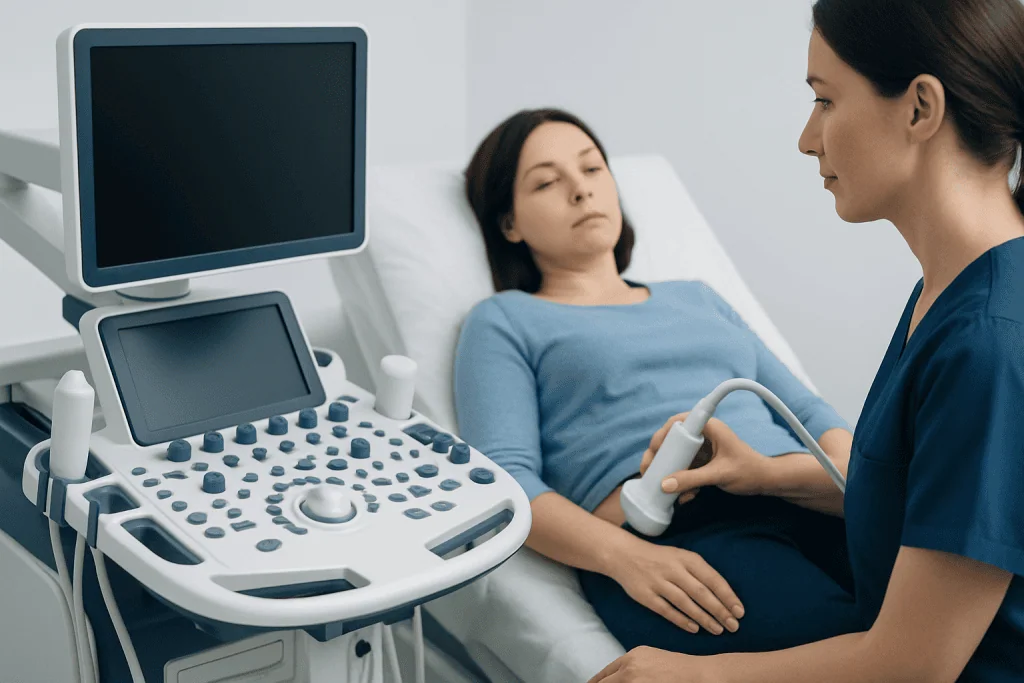
Monitoring varies according to the endocrine disorder. Blood tests may be used to check thyroid hormone levels, blood glucose, HbA1c, calcium, vitamin D, cortisol, reproductive hormones, or other markers. Imaging studies such as ultrasound or MRI may be needed in selected cases. Some people also need bone density evaluation or eye and kidney checks, especially when diabetes or long-standing hormonal imbalance is present.
Home monitoring can be very helpful. People with blood sugar problems may be advised to monitor glucose levels at home. Others may benefit from tracking body weight, pulse rate, blood pressure, menstrual cycles, temperature sensitivity, bowel habits, or episodes of dizziness and palpitations. Patterns over time can be more useful than one isolated symptom.
It is also important to recognize when symptoms may suggest a change in hormone control. Worsening fatigue, rapid weight change, new swelling in the neck, increased thirst, frequent urination, persistent headaches, changes in vision, or menstrual disruption may all deserve review. Conditions such as hypopituitarism may require especially close long-term monitoring because pituitary hormones influence several body systems at once.
- Keep a record of symptoms, dates, and possible triggers.
- Attend lab tests on time, including repeat tests if requested.
- Use home devices correctly and share results with the care team.
- Report major changes rather than waiting for the next routine visit.
Treatment and long-term management options
Treatment depends on the specific endocrine disorder and its cause. Some conditions need hormone replacement because the body is not making enough hormone. Others need treatment to reduce hormone production, improve the body’s response to hormones, or manage complications such as high blood sugar or low bone density. In some cases, doctors may recommend observation and periodic testing rather than immediate intervention.
Medication is often the main treatment, but it is not the only part of care. Nutrition planning, physical activity, weight management, bone protection, stress reduction, and treatment of related conditions all play a role. Some endocrine disorders also require specialist procedures or surgery, particularly when there are nodules, gland enlargement, tumors, or structural problems affecting hormone production.
When specialist care is needed, a patient may be referred to endocrinology, nutrition, radiology, ophthalmology, gynecology, urology, or surgery depending on the diagnosis. Near the end of the care pathway, some people may benefit from a broader multidisciplinary review. Acibadem International’s multidisciplinary specialists in JCI-accredited hospitals diagnose and treat endocrine conditions for international patients as part of coordinated long-term care.
Prevention of complications and practical self-management tips
Not every endocrine disorder can be prevented, but many complications can be reduced with consistent care. Good control of blood sugar, thyroid levels, calcium balance, and other hormone markers may help protect the heart, nerves, kidneys, bones, eyes, and reproductive health. Vaccinations, routine general health checks, and management of blood pressure and cholesterol can also be important, especially for people with diabetes or metabolic risk factors.
Practical steps often make self-management easier. Using a pill organizer, setting phone reminders, keeping healthy snacks available when appropriate, wearing medical identification if advised, and planning ahead for travel can all reduce stress. People should ask their doctor what to do during illness, fasting, surgery, or pregnancy, since these situations can affect hormone needs and medication safety.
Family involvement may also help, especially for children, older adults, or anyone managing multiple conditions. A supportive home routine can improve medication adherence, meal planning, and symptom awareness. Self-care works best when it is sustainable, individualized, and reviewed regularly as health needs change.
When to seek medical advice promptly
Most endocrine disorders can be monitored calmly, but some symptoms should not be ignored. A person should contact a doctor if they notice significant changes in symptoms, have repeated low or high blood sugar readings if they monitor glucose, develop a rapidly enlarging neck lump, or experience new weakness, fainting, severe fatigue, or persistent vomiting. New vision changes, severe headaches, confusion, chest pain, or shortness of breath require urgent assessment.
It is also wise to seek medical advice if treatment no longer seems to work as expected, if side effects appear, or if there are important life changes such as pregnancy, breastfeeding, major weight change, or planned surgery. Hormone requirements can shift over time, and treatment plans may need updating.
Prompt communication can prevent small issues from becoming larger ones. Patients should feel comfortable asking questions and reporting concerns early. With regular monitoring and a supportive healthcare team, many people with endocrine disorders can manage their condition confidently and maintain a good quality of life.
Frequently asked questions
What are endocrine disorders?
Endocrine disorders are conditions that affect the glands and hormones that regulate many body functions. They can involve the thyroid, pancreas, pituitary gland, adrenal glands, ovaries, testes, and other hormone-producing tissues.
Can endocrine disorders be managed long term?
Yes, many endocrine disorders can be managed successfully over the long term with the right treatment and follow-up. Management often includes medication, lifestyle support, monitoring, and regular review with a qualified doctor.
Why are regular blood tests important in endocrine conditions?
Blood tests help show whether hormone levels and related markers are in a healthy range. They also help doctors adjust treatment safely, even when symptoms are mild or not obvious.
What daily habits help people living with endocrine disorders?
Helpful habits include taking medicines correctly, keeping follow-up appointments, eating a balanced diet, staying physically active, and tracking symptoms. Good sleep, stress management, and avoiding smoking can also support overall hormone health.
Should someone stop hormone medication if they feel better?
No, medication should not be stopped or changed without medical advice. Feeling better may mean the treatment is working, and stopping it suddenly can cause symptoms to return or become more serious.
When should a person with an endocrine disorder contact a doctor?
They should contact a doctor if symptoms worsen, new symptoms appear, medicines cause side effects, or home readings such as blood sugar become concerning. Urgent symptoms such as confusion, severe weakness, fainting, chest pain, or vision changes need prompt medical attention.
This article is for general information only and is not a substitute for professional medical advice. Please consult a qualified doctor about your individual situation.
Explore treatments in Turkey — costs, top hospitals & a free quote
JCI-accredited · board-certified surgeons · reply within 24h
Add us as a Preferred Source to see more of our trusted health content across Google Search, AI Overviews and Discover.

Related Conditions
More from the Health Library

What Is an Endocrinologist? When to See a Hormone Specialist

Thyroid Doctor: Who to See for Thyroid Problems

PCOS Symptoms: When Hormones May Be Affecting Periods, Skin, and Fertility

When to See an Endocrinologist for Hormone Symptoms

Endocrine Meaning: What the Term Means in Medicine