Hernia Repair: Open vs Laparoscopic Surgery Explained
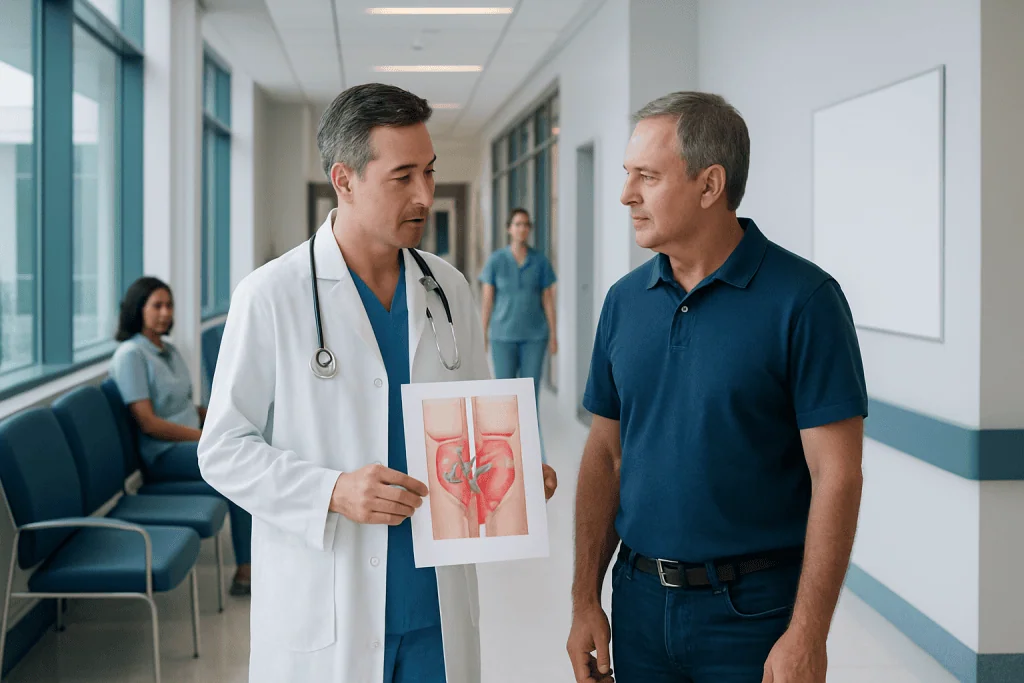
Open and laparoscopic hernia repair are both established, effective surgical methods. The best technique depends on the hernia’s type, size, location, recurrence history, and the patient’s overall health.
Key Takeaways
- Open and laparoscopic hernia repair are both established, effective surgical methods.
- The best technique depends on the hernia’s type, size, location, recurrence history, and the patient’s overall health.
- Laparoscopic surgery often uses smaller incisions, while open surgery may be preferred in some complex or emergency cases.
- Most hernia repairs involve reinforcing the weak area, often with surgical mesh.
- Recovery time, pain, and return to activity can vary from person to person and by surgical approach.
Hernia repair is a common operation used to treat a weakness or opening in the abdominal wall or groin. Understanding the differences between open and laparoscopic surgery can help patients discuss the safest and most suitable approach with their surgeon.
Overview: What Hernia Repair Means
A hernia happens when an internal tissue or part of an organ pushes through a weak area in muscle or connective tissue. Hernias commonly develop in the groin, around the belly button, or in the abdominal wall. Some cause only a visible bulge, while others lead to discomfort, pressure, or pain during daily activities.
Hernia repair is the operation used to return the tissue to its proper position and strengthen the weak area. The two main techniques are open surgery and laparoscopic surgery. Both aim to treat symptoms, reduce the risk of complications, and help the patient return to normal movement and quality of life.
In many cases, hernia repair includes the use of mesh, a medical material placed to support the weakened tissue. Not every hernia requires the same treatment plan, so surgeons consider the hernia type, the patient’s symptoms, and any previous abdominal surgery before recommending an approach.
People may hear hernia surgery discussed in relation to hernia care more broadly. The decision is not simply about which technique is newer or smaller, but about which one is most appropriate and safest for the individual patient.
When Surgery Is Recommended
Not every hernia needs immediate surgery, but repair is often recommended when symptoms are present, the hernia is enlarging, or there is concern about complications. Typical reasons for surgery include pain, a growing bulge, pressure with lifting or coughing, or difficulty with everyday movement.
Some hernias can become trapped, meaning the tissue cannot be pushed back in. In more serious cases, blood supply may be affected. These situations need urgent medical assessment and may require prompt surgery. For this reason, a doctor may advise repair even if symptoms seem manageable.
In selected patients with a small, minimally symptomatic hernia, a doctor may recommend watchful waiting. This means monitoring symptoms over time rather than operating immediately. Even then, patients are usually advised to seek medical review if pain, swelling, nausea, vomiting, or a firm tender bulge develops.
Whether a person is a candidate for open or minimally invasive treatment depends on the full clinical picture. A specialist discussing hernia repair will usually explain the risks of waiting, the expected benefits of surgery, and which technique best matches the patient’s needs.
Open Hernia Surgery: How It Works

In open hernia surgery, the surgeon makes an incision directly over or near the hernia. The protruding tissue is moved back into place, and the weakened area is repaired with stitches, mesh, or both. Open repair can be performed under local, regional, or general anesthesia, depending on the type of hernia and the patient’s condition.
This method has been used for many years and remains a standard, reliable option. It may be especially suitable for some large hernias, complicated hernias, or emergency situations. Surgeons may also recommend open repair when scar tissue from previous operations makes laparoscopy less suitable.
One possible advantage of open surgery is direct access to the hernia through a single incision. In certain straightforward cases, it can be a very efficient procedure. For some patients, particularly those who are not ideal candidates for general anesthesia, open repair may offer practical benefits.
Recovery after open surgery varies, but soreness around the incision is common for a period of time. Many patients return home the same day, although timing depends on the type of repair, overall health, and whether the surgery was elective or urgent.
Laparoscopic Hernia Surgery: How It Differs
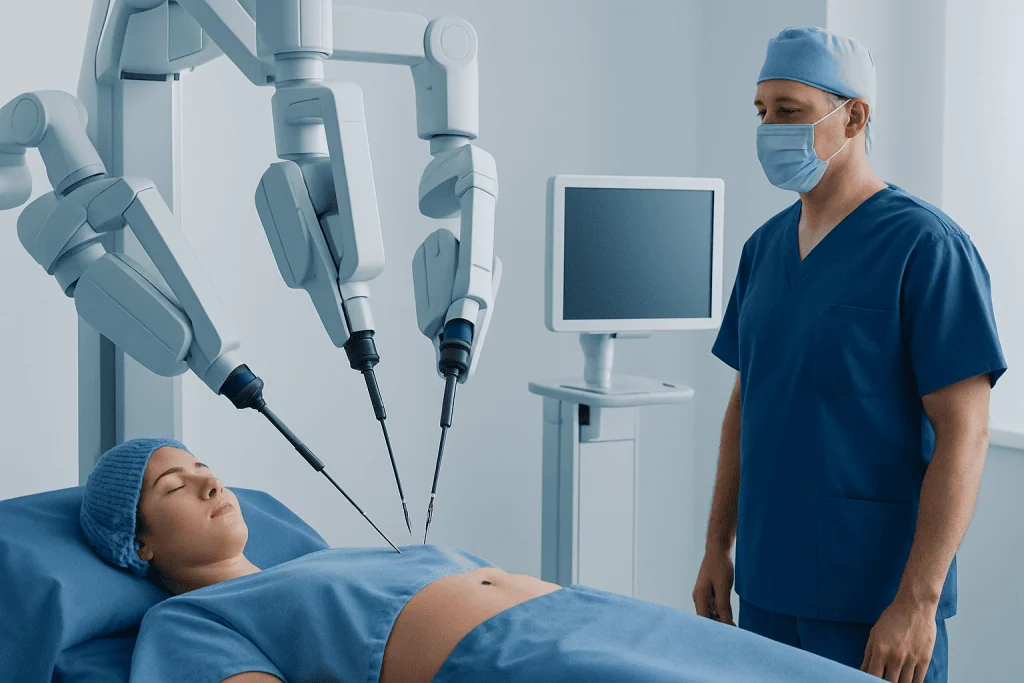
Laparoscopic hernia repair is a minimally invasive technique performed through several small incisions. The surgeon inserts a camera and specialized instruments to repair the hernia from inside the abdominal wall. Mesh is commonly used to reinforce the weakened area.
Because the incisions are smaller, laparoscopic surgery is often associated with less wound discomfort and a faster return to some activities for selected patients. It can be particularly helpful in bilateral groin hernias, where both sides are repaired during the same operation, or in some recurrent hernias after a prior open repair.
This technique usually requires general anesthesia and specialized surgical experience. It may not be the best choice for every patient, including some people with very large hernias, severe scar tissue, or certain medical conditions. In some centers, robotic-assisted minimally invasive techniques may also be discussed, depending on surgeon expertise and case complexity.
Patients comparing open and minimally invasive options may hear terms such as laparoscopic surgery or keyhole surgery. Although the approach is less invasive externally, it is still a real operation and requires careful preparation, experienced surgical judgment, and follow-up after the procedure.
Open vs Laparoscopic Hernia Repair: Main Differences
The most important difference is the way the surgeon reaches and repairs the hernia. Open surgery uses one larger incision over the affected area, while laparoscopic surgery uses small incisions and a camera. Both methods can be highly effective when chosen for the right patient and performed by an experienced surgeon.
Recovery may differ between the two approaches. Some patients who have laparoscopic repair experience less early postoperative discomfort and resume light daily tasks sooner. Open repair, however, may still be the better option for specific hernia types, larger defects, strangulated hernias, or patients with previous operations that change the anatomy.
The risk profile also varies. Both methods carry general surgical risks such as bleeding, infection, pain, recurrence, and anesthesia-related concerns. Laparoscopic surgery may reduce some wound-related issues, while open surgery may avoid some of the technical limitations of minimally invasive repair. The choice should always balance expected benefits with the individual patient’s anatomy and medical history.
Surgeons often consider factors such as hernia location, size, whether it has come back after earlier treatment, work demands, age, and other health conditions. A broader plan for general surgery may also influence which method is safest and most suitable in a given case.
- Open repair may be preferred for some large, complex, or emergency hernias.
- Laparoscopic repair may be favored for some bilateral or recurrent groin hernias.
- General anesthesia is usually needed for laparoscopy, but not always for open repair.
- Both approaches may use mesh to strengthen the repair.
How Doctors Choose the Best Approach
Choosing between open and laparoscopic hernia repair is a personalized decision. The surgeon begins with a physical examination and reviews symptoms, prior surgeries, medications, and overall health. Sometimes imaging tests are used if the diagnosis is uncertain or the hernia is not easy to examine.
The type of hernia matters greatly. Groin hernias, umbilical hernias, incisional hernias, and recurrent hernias each have different technical considerations. A patient who previously had open repair may benefit from a laparoscopic approach in some cases, while someone with multiple abdominal operations may be better served by an open procedure.
Surgeons also consider lifestyle and recovery goals. A physically demanding job, athletic activity, older age, obesity, smoking, diabetes, or heart and lung conditions can all affect planning. No single technique is automatically best for everyone, which is why a detailed consultation is important.
During this discussion, the doctor should explain why one option is recommended, whether mesh will likely be used, what kind of anesthesia is expected, and what recovery may look like. Patients often find it helpful to ask about surgeon experience, possible alternatives, and signs to watch for after discharge.
Recovery, Self-Care, and When to Seek Medical Advice
After hernia repair, most patients are encouraged to walk soon after surgery and gradually increase activity. Mild pain, swelling, bruising, and fatigue can occur for a short time. The surgical team usually gives instructions about wound care, bathing, driving, work, lifting restrictions, and when normal exercise can be resumed.
Recovery time depends on the type of hernia, the method used, and the person’s health. Some people feel ready for routine daily tasks within days, while heavier work and strenuous exercise may need to wait longer. Following the surgeon’s advice is important because returning to intense activity too quickly may strain healing tissues.
Good self-care can support healing. This may include staying active with gentle walking, preventing constipation, supporting the abdomen when coughing, avoiding tobacco, and maintaining a healthy weight over time. These steps may also help reduce pressure on the repair site and lower the chance of recurrence.
Medical review is important if there is fever, increasing redness, persistent vomiting, severe or worsening pain, drainage from the wound, inability to pass urine, or a new bulge after surgery. Near the end of the care journey, some patients value treatment in experienced centers; Acibadem International’s multidisciplinary specialists and JCI-accredited hospitals diagnose and treat hernia conditions for international patients, with care tailored to the individual case.
Frequently asked questions
Which is better, open or laparoscopic hernia repair?
Neither method is automatically better for every patient. The best choice depends on the type of hernia, whether it is recurrent, the patient’s overall health, and the surgeon’s assessment. A personalized discussion with a qualified surgeon is the best way to decide.
Is laparoscopic hernia surgery less painful?
Some patients have less early wound discomfort after laparoscopic surgery because the incisions are smaller. However, pain experiences vary from person to person, and both open and laparoscopic repairs can be well managed with modern pain control. The complexity of the hernia also affects recovery.
How long does recovery take after hernia repair?
Recovery time varies based on the hernia type, the surgical approach, and the patient’s general health. Many people return to light activities within days to a couple of weeks, but heavy lifting and strenuous exercise may need to wait longer. The surgeon’s instructions should guide the timeline.
Will mesh always be used in hernia repair?
Mesh is commonly used because it can strengthen the repair and reduce tension on tissues. Still, it is not used in every case, and the decision depends on the hernia’s size, location, and surgical circumstances. The surgeon can explain why mesh is or is not recommended.
Can a hernia come back after surgery?
Yes, recurrence is possible after either open or laparoscopic repair, although many repairs remain successful long term. The risk depends on factors such as hernia type, surgical technique, wound healing, smoking, obesity, and heavy physical strain. Following recovery instructions may help reduce this risk.
When should someone seek urgent care for a hernia?
Urgent medical attention is needed if the hernia becomes suddenly very painful, firm, discolored, or cannot be pushed back in. Nausea, vomiting, abdominal swelling, or fever are also warning signs. These symptoms may suggest a complication that requires prompt evaluation.
References
- National Institute of Diabetes and Digestive and Kidney Diseases
- American College of Surgeons
- National Health Service
- European Hernia Society
- Society of American Gastrointestinal and Endoscopic Surgeons
This article is for general information only and is not a substitute for professional medical advice. Please consult a qualified doctor about your individual situation.
Explore treatments in Turkey — costs, top hospitals & a free quote
JCI-accredited · board-certified surgeons · reply within 24h
Add us as a Preferred Source to see more of our trusted health content across Google Search, AI Overviews and Discover.