Bradycardia: Slow Heart Rate Causes, Symptoms, and When Treatment Is Needed

Bradycardia is a slow heart rate, but it is not always dangerous. Well-trained athletes and some people during sleep can have a normal slow heart rate.
Key Takeaways
- Bradycardia is a slow heart rate, but it is not always dangerous.
- Well-trained athletes and some people during sleep can have a normal slow heart rate.
- Symptoms such as dizziness, fainting, fatigue, chest discomfort, or shortness of breath deserve medical attention.
- Common causes include aging-related changes in the heart, medication effects, thyroid disease, and electrical conduction problems.
- Treatment depends on the cause and may include adjusting medicines, treating underlying conditions, or placing a pacemaker.
Bradycardia means the heart beats more slowly than usual, typically fewer than 60 beats per minute in adults. In some people it is harmless, but when it causes symptoms or reflects a heart rhythm problem, medical evaluation and treatment may be needed.
Overview: What is bradycardia?
Bradycardia is the medical term for a slow heart rate. In adults, it usually refers to a resting heart rate below 60 beats per minute. A slow heart rate can be completely normal in some situations, especially during sleep or in people who are very physically fit. In other cases, it may mean the heart’s natural electrical system is not sending signals properly.
The heart depends on electrical impulses to keep blood moving through the body. When the rate becomes too slow, the brain and other organs may not receive enough oxygen-rich blood. This is when symptoms can appear. The main concern is not the number alone, but whether the slow rate is causing problems or is linked to an underlying condition.
Bradycardia can happen occasionally or be ongoing. Some people notice no symptoms and only learn about it during a routine check-up or an electrocardiogram. Others may feel tired, lightheaded, short of breath, or faint. A doctor’s assessment helps determine whether the rhythm is a normal variation or a condition that needs treatment.
Symptoms of a slow heart rate
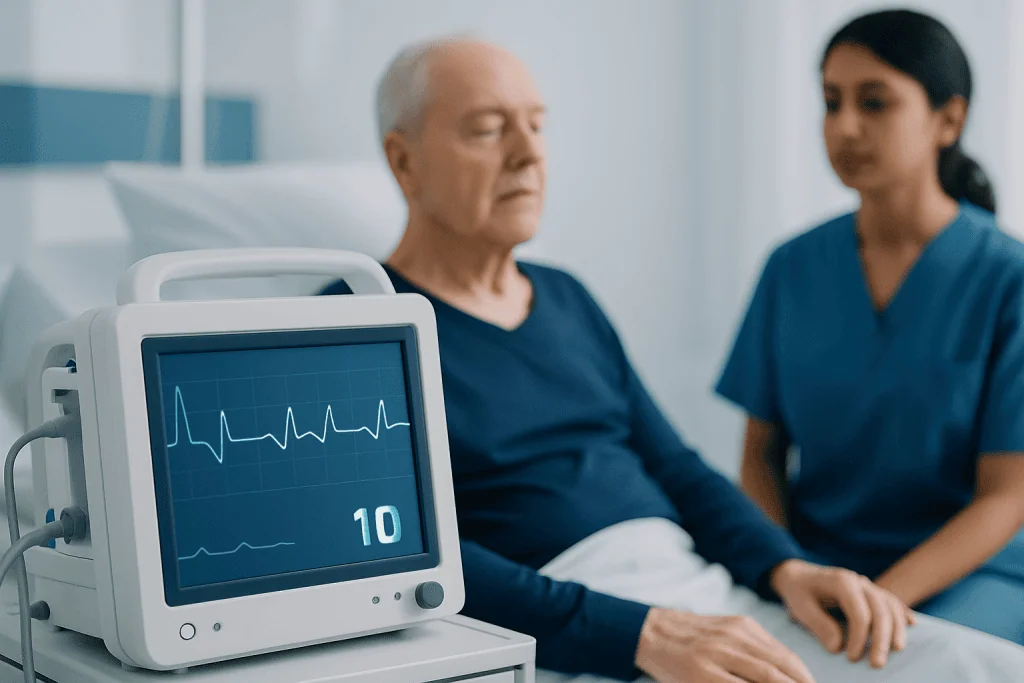
Many people with bradycardia feel well, especially if the slow rate is mild or expected for their level of fitness. Symptoms are more likely when the heart is beating too slowly to meet the body’s needs. These symptoms may come and go, or they may be more noticeable during activity.
Possible symptoms include:
- Fatigue or unusual weakness
- Dizziness or lightheadedness
- Fainting or near-fainting
- Shortness of breath, especially with exertion
- Chest discomfort
- Reduced exercise tolerance
- Confusion or trouble concentrating
- Palpitations or an irregular heartbeat sensation
Severe symptoms can suggest that the brain or heart is not getting enough blood flow. Fainting, repeated dizziness, chest pain, or breathing difficulty should be assessed promptly. In some cases, bradycardia may also occur together with other rhythm problems, such as arrhythmia, which can change how symptoms appear.
Causes and risk factors

Bradycardia has many possible causes. Sometimes it begins in the heart’s natural pacemaker, called the sinus node, which may fire too slowly. In other cases, the signal starts normally but is delayed or blocked as it travels through the heart. Age-related wear in the electrical system is a common reason, especially in older adults.
Other possible causes include certain medicines, such as some beta blockers, calcium channel blockers, antiarrhythmic drugs, or digoxin. Low thyroid hormone levels, sleep apnea, electrolyte imbalances, infections affecting the heart, and recovery after heart surgery can also slow the heart rate. In some people, inflammation or reduced blood flow from underlying heart disease contributes to the problem.
Risk factors include older age, known heart disease, a past heart attack, high blood pressure, and the use of medications that affect heart rhythm. However, a slow resting pulse can also be normal in athletes and in healthy younger people. This is why symptoms, medical history, and testing are all important before deciding whether bradycardia is a concern.
Sometimes bradycardia is linked to structural or circulation-related heart conditions. If doctors suspect an associated problem, they may also evaluate for issues such as coronary artery disease or valve disease, depending on the person’s symptoms and overall risk profile.
How bradycardia is diagnosed
Diagnosis starts with a careful medical history and physical examination. The doctor will ask about symptoms, when they happen, what medications are being taken, and whether there is a history of heart disease, thyroid problems, or fainting episodes. A pulse and blood pressure check may already suggest a rhythm abnormality.
The main test used to identify bradycardia is an electrocardiogram, also called an ECG or EKG. This records the heart’s electrical activity and can show whether the problem comes from the sinus node or from slowed conduction between the upper and lower chambers. Because some rhythm problems happen only occasionally, a doctor may also recommend longer monitoring with a Holter monitor or event recorder.
Additional tests may be needed to find the cause. Blood tests can check thyroid function, electrolyte levels, infection, or other medical issues. An echocardiogram may be used to look at heart structure and pumping function. In some cases, an exercise stress test helps show whether the heart rate rises appropriately with activity, and a cardiac check-up may include several of these assessments together.
When treatment is needed
Not everyone with bradycardia needs treatment. If a person has no symptoms and the slow heart rate is considered normal for them, observation may be all that is required. Treatment becomes more important when the slow rhythm is causing symptoms, increasing the risk of fainting, or reflecting a significant problem in the heart’s electrical system.
The first step is to address reversible causes whenever possible. A doctor may review medications and adjust or stop those that are slowing the heart too much. Treating an underactive thyroid, correcting electrolyte problems, or managing sleep apnea can improve the heart rate in some people. If the bradycardia is temporary, the rhythm may return to normal after the underlying issue is treated.
When symptoms are persistent or the electrical conduction problem is unlikely to improve, a pacemaker may be recommended. A pacemaker is a small implanted device that helps maintain an appropriate heart rate by sending electrical signals when needed. For some patients, this offers reliable symptom relief and reduces episodes of fainting or dizziness. Evaluation and planning for pacemaker treatment are based on the rhythm pattern, the cause, and the person’s overall health.
Living with bradycardia: self-care and prevention
Self-care begins with understanding whether the slow heart rate is a normal finding or a medical issue. People who have been diagnosed with bradycardia should follow their doctor’s advice, take medications exactly as directed, and avoid stopping heart medicines on their own. Keeping a record of symptoms, pulse readings, and triggers can help during follow-up visits.
General heart-healthy habits also matter. These include staying physically active as advised, eating a balanced diet, not smoking, limiting alcohol if recommended, managing stress, and getting enough sleep. If sleep apnea is suspected because of loud snoring, daytime sleepiness, or witnessed pauses in breathing, assessment is important because treatment can improve both heart rhythm and overall cardiovascular health.
People with a pacemaker should attend regular device checks and ask about activity guidance, travel, and device safety around electronics. In international centers such as Acibadem International, multidisciplinary specialists in JCI-accredited hospitals evaluate heart rhythm disorders and provide care for patients who need diagnosis, monitoring, or device-based treatment. Some individuals may also benefit from broader cardiology care if bradycardia occurs alongside other heart conditions.
When to see a doctor
A person should arrange medical evaluation if a slow heart rate is accompanied by fatigue, dizziness, fainting, shortness of breath, chest discomfort, or reduced ability to exercise. Even mild symptoms can be important if they are new, recurring, or worsening. A doctor can determine whether the rhythm is harmless or needs treatment.
Urgent medical care is needed for fainting, severe chest pain, significant breathing trouble, sudden confusion, or symptoms that suggest poor blood flow to the brain or heart. These problems do not always mean bradycardia is the only cause, but they should not be ignored. Fast evaluation helps identify serious rhythm disturbances and other cardiovascular emergencies.
People who already have heart disease, have had heart surgery, or are taking medicines that slow the heart should be especially careful about new symptoms. Regular follow-up is also important after diagnosis, because heart rhythm changes can evolve over time and treatment needs may change as well.
Frequently asked questions
Is bradycardia always dangerous?
No. Bradycardia can be completely normal in healthy adults, especially during sleep or in trained athletes. It becomes a concern when it causes symptoms or is due to a problem in the heart's electrical system.
What heart rate is considered bradycardia?
In adults, a resting heart rate below 60 beats per minute is generally called bradycardia. However, the number alone does not determine whether it is a problem. Doctors also consider symptoms, fitness level, age, and the reason for the slow rate.
Can medications cause bradycardia?
Yes. Some medicines used for blood pressure, heart rhythm problems, or other heart conditions can slow the heart too much in certain people. A doctor should review all prescription medicines, over-the-counter products, and supplements if bradycardia is suspected.
How is bradycardia treated?
Treatment depends on the cause and on whether symptoms are present. Some people only need monitoring, while others need medication changes or treatment for thyroid disease, sleep apnea, or electrolyte problems. If the electrical system is persistently too slow, a pacemaker may be recommended.
Can exercise cause a slow heart rate?
Regular endurance training can lead to a lower resting heart rate because the heart becomes more efficient. In many athletes, this is a healthy adaptation and does not require treatment. If symptoms such as fainting or unusual fatigue occur, medical assessment is still important.
What tests are used to diagnose bradycardia?
The most common test is an electrocardiogram, which records the heart's electrical activity. Doctors may also use Holter monitoring, blood tests, an echocardiogram, or an exercise test to understand the rhythm and identify the cause.
References
- American Heart Association
- National Heart, Lung, and Blood Institute
- European Society of Cardiology
- Mayo Clinic
- National Institute for Health and Care Excellence
This article is for general information only and is not a substitute for professional medical advice. Please consult a qualified doctor about your individual situation.
Heart care in Turkey — expert evaluation and treatment
JCI-accredited · board-certified surgeons · reply within 24h
Add us as a Preferred Source to see more of our trusted health content across Google Search, AI Overviews and Discover.
Check your numbers in seconds
BMI, calories, due date, blood pressure and 30+ more clinical calculators — free, instant, doctor-reviewed ranges.