What Is Popcorn Lung? Causes, Symptoms, and How It Is Diagnosed

Popcorn lung is another name for bronchiolitis obliterans, a disease affecting the small airways. Common symptoms include ongoing cough, wheezing, shortness of breath, and reduced exercise tolerance.
Key Takeaways
- Popcorn lung is another name for bronchiolitis obliterans, a disease affecting the small airways.
- Common symptoms include ongoing cough, wheezing, shortness of breath, and reduced exercise tolerance.
- It may develop after inhaling harmful chemicals, after certain infections, or as a complication of some medical treatments such as transplantation.
- Diagnosis usually involves medical history, breathing tests, imaging, and sometimes additional specialized testing.
- Treatment focuses on removing the trigger, controlling inflammation when possible, and supporting lung function.
- Persistent breathing symptoms should be assessed by a qualified doctor rather than self-treated.
Popcorn lung, also called bronchiolitis obliterans, is a rare condition that damages the smallest airways in the lungs and can make breathing difficult. Early medical evaluation is important because its symptoms can resemble asthma or chronic bronchitis, but the condition has different causes and management needs.
Overview
Popcorn lung is the common name for bronchiolitis obliterans, a condition that affects the bronchioles, the smallest airways in the lungs. In this disease, the lining of these airways becomes inflamed and scarred. Over time, the scarring can narrow or block airflow, making it harder for air to move in and out of the lungs.
The nickname “popcorn lung” became widely known after cases were linked to workers exposed to certain flavoring chemicals used in microwave popcorn production. However, the condition is not limited to that setting. It can also occur after severe lung infections, exposure to toxic fumes, some autoimmune disorders, and as a complication after lung or bone marrow transplantation.
Because symptoms such as cough and wheezing can look similar to asthma, chronic bronchitis, or other chronic obstructive pulmonary disease-related breathing problems, a proper diagnosis is important. Popcorn lung is uncommon, but when it does occur, early evaluation may help identify the cause and guide treatment.
Symptoms of Popcorn Lung
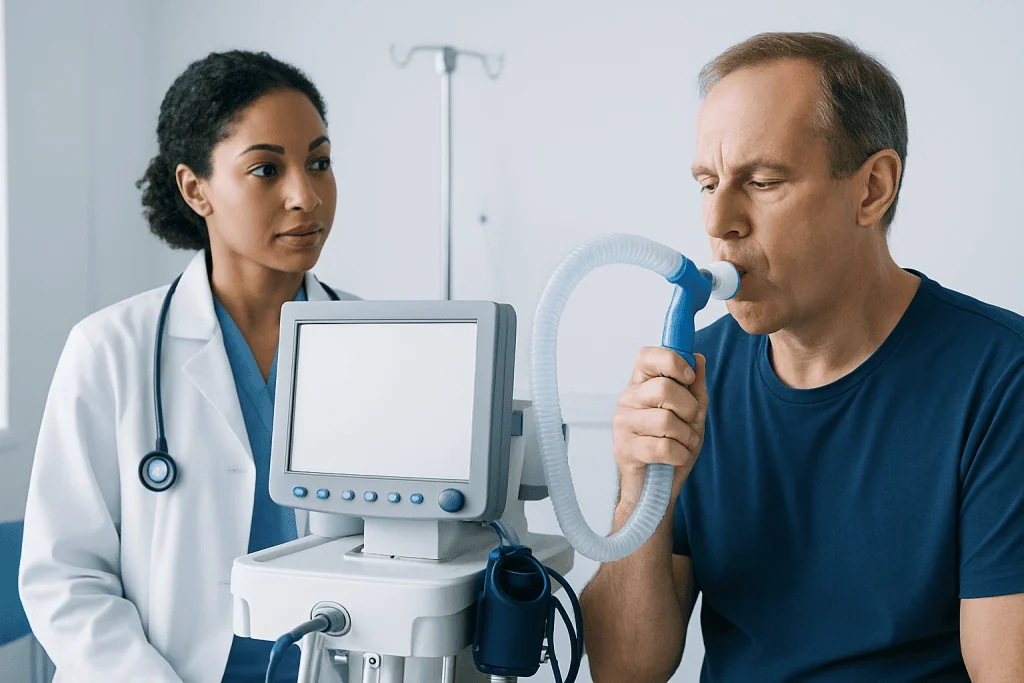
Symptoms of popcorn lung often develop gradually, though the timing can vary depending on the cause. The most common complaint is shortness of breath, especially during exercise or daily activities that previously felt easy. Many people also have a dry, persistent cough that does not improve as expected.
Wheezing is another common symptom. Some people notice chest tightness, fatigue, or a reduced ability to tolerate physical activity. In some cases, symptoms start after a chemical exposure, a significant respiratory infection, or a medical treatment such as transplantation. Others may not connect the early breathing changes to a specific event.
Symptoms can range from mild to more limiting. It is important to remember that these symptoms are not unique to popcorn lung and may occur in asthma, infection, or other lung conditions. That is why a doctor usually considers the person’s history, exposures, and test results rather than symptoms alone.
- Persistent dry cough
- Shortness of breath
- Wheezing
- Chest discomfort or tightness
- Fatigue during physical activity
- Reduced exercise capacity
Causes and Risk Factors

Popcorn lung develops when the small airways are injured and heal with scarring. One well-known cause is inhalation of harmful chemicals, including diacetyl and related flavoring compounds used in some industrial settings. Other inhaled toxins, fumes, smoke, and workplace irritants may also damage the bronchioles. Exposure risk depends on the substance, the amount inhaled, and how long exposure continues.
Infections can also trigger bronchiolitis obliterans. Certain viral infections and severe lower respiratory tract infections may lead to inflammation that later scars the airways. In children, this pattern may follow a significant infection. In adults, the condition may also appear in connection with autoimmune disease or after transplant-related immune reactions.
A particularly important risk group includes people who have undergone lung transplantation or hematopoietic stem cell transplantation. In these settings, bronchiolitis obliterans may occur as part of chronic rejection or graft-versus-host disease. Doctors may also look for related respiratory conditions such as interstitial lung disease when evaluating chronic breathlessness, because different lung diseases can sometimes have overlapping symptoms but very different treatment approaches.
Electronic cigarettes and vaping are often mentioned in public discussions about lung injury. While vaping has been associated with serious lung harm, the term popcorn lung should not be used loosely for all vaping-related illness. A doctor needs to determine the exact pattern of lung injury, since not every exposure causes bronchiolitis obliterans.
How Popcorn Lung Is Diagnosed
Diagnosis begins with a careful history and physical examination. The doctor will ask about symptoms, when they started, occupational and environmental exposures, smoking or vaping history, prior infections, autoimmune disease, and any history of transplant or cancer treatment. This background is often essential because bronchiolitis obliterans cannot be diagnosed from symptoms alone.
Breathing tests, especially pulmonary function tests, are commonly used to look for airflow obstruction that does not fully reverse. Imaging may include a chest X-ray, although this can sometimes appear normal, and high-resolution CT scanning, which can provide more detail about the lungs and small airways. In selected cases, oxygen levels, exercise testing, bronchoscopy, or laboratory tests may also be needed to rule out other causes.
Sometimes diagnosis is based on a combination of medical history, test patterns, and exclusion of other conditions. In more complex cases, doctors may recommend advanced respiratory assessment such as pulmonary function tests and detailed CT scanning to better characterize airway damage. A lung biopsy is not required for every patient, but it may be considered when the diagnosis remains uncertain after other testing.
Treatment Options
Treatment depends on the underlying cause, how advanced the disease is, and how much lung function has been affected. The first step is removing or avoiding the trigger whenever possible. That may mean stopping exposure to a workplace chemical, treating an underlying infection or inflammatory disorder, or adjusting care in transplant-related disease under specialist supervision.
Medications may be used to reduce inflammation or help breathing symptoms, although response varies and scarring that has already formed may not be fully reversible. Depending on the individual case, treatment may include inhaled therapies, corticosteroids, or other immune-modulating medicines when inflammation is believed to be active. Supportive care can also be important, including pulmonary rehabilitation, vaccinations, and oxygen therapy when needed.
For some people, especially those with severe or progressive disease, care from a multidisciplinary respiratory team is helpful. This may involve chest physicians, radiologists, transplant specialists, and rehabilitation professionals. If symptoms overlap with other airway conditions, doctors may evaluate and manage related issues using approaches similar to asthma treatment when appropriate, while keeping in mind that popcorn lung is a distinct diagnosis.
In advanced cases with major lung damage, more specialized options may be discussed. Some patients with end-stage disease may eventually be assessed for procedures such as lung transplant, but this is reserved for carefully selected situations and requires thorough evaluation by expert teams.
Prevention and Self-Care
Prevention focuses mainly on avoiding harmful inhaled exposures and seeking prompt care for persistent respiratory symptoms. People who work around industrial chemicals, flavoring agents, dusts, or fumes should follow occupational safety guidance closely, including ventilation measures and recommended protective equipment. Employers and workers both play a role in reducing exposure risks.
General lung health measures are also valuable. Avoiding smoking and secondhand smoke, limiting exposure to irritants, staying up to date with vaccinations, and managing chronic respiratory conditions can all help support breathing health. After a serious respiratory infection or transplant, regular follow-up is important because airway complications may develop gradually.
Self-care does not replace medical treatment, but it can help day-to-day wellbeing. Gentle activity as tolerated, breathing exercises recommended by a clinician, good hydration, and pacing during exertion may reduce symptom burden. It is best to avoid self-diagnosing popcorn lung from online information alone, since many breathing conditions share similar symptoms.
When to See a Doctor
A doctor should assess any persistent cough, wheezing, or shortness of breath that lasts more than a short time, especially if symptoms are worsening or interfering with daily life. Medical attention is particularly important after a known chemical exposure, a severe respiratory infection, or if breathing changes develop following transplantation or treatment for another serious illness.
Urgent care is needed for severe shortness of breath, bluish lips or fingertips, chest pain, confusion, or signs that a person is not getting enough oxygen. These symptoms do not always mean popcorn lung, but they do require prompt medical evaluation.
Near the end of the evaluation and treatment journey, some people may benefit from assessment at a center with respiratory, imaging, and transplant expertise. Acibadem International’s multidisciplinary specialists in JCI-accredited hospitals diagnose and treat complex lung conditions for international patients, helping coordinate testing and ongoing care when needed.
Frequently asked questions
Is popcorn lung the same as asthma?
No. Popcorn lung and asthma can both cause cough, wheezing, and shortness of breath, but they are different conditions. Asthma usually involves airway inflammation and narrowing that may be more reversible, while popcorn lung involves injury and scarring of the small airways.
Can popcorn lung be cured?
Treatment can help control symptoms, remove triggers, and slow progression, but scarring that has already formed may not fully reverse. The outlook depends on the cause, how early it is recognized, and how much lung damage is present.
Does vaping always cause popcorn lung?
No. Not all vaping-related lung problems are popcorn lung, and not everyone who vapes develops bronchiolitis obliterans. However, vaping can expose the lungs to potentially harmful substances, so persistent breathing symptoms should always be checked by a doctor.
What tests are used to diagnose popcorn lung?
Doctors often use a combination of medical history, physical examination, pulmonary function tests, and chest imaging such as high-resolution CT. In some cases, bronchoscopy, blood tests, or even a biopsy may be needed to confirm the diagnosis or rule out other conditions.
Is popcorn lung contagious?
No, popcorn lung itself is not contagious. It is a lung injury and scarring condition, although some infections that can trigger it may be contagious at the time of the original illness.
Who is most at risk for popcorn lung?
Risk may be higher in people exposed to certain industrial chemicals or toxic inhalants, those who have had severe respiratory infections, and people who have undergone lung or stem cell transplantation. The exact risk varies depending on the type and duration of exposure or the person’s underlying medical situation.
References
- National Heart, Lung, and Blood Institute
- American Lung Association
- European Respiratory Society
- National Organization for Rare Disorders
- Centers for Disease Control and Prevention
This article is for general information only and is not a substitute for professional medical advice. Please consult a qualified doctor about your individual situation.
Explore treatments in Turkey — costs, top hospitals & a free quote
JCI-accredited · board-certified surgeons · reply within 24h
Add us as a Preferred Source to see more of our trusted health content across Google Search, AI Overviews and Discover.

More from the Health Library



Related Specialists

Assoc. Prof. Dr. Şevket Tolga Tombul
Urology
Assoc. Prof. Dr. Emir Çapkınoğlu
General Surgery
Prof. Dr. Ersin Ülkür
Aesthetic Plastic & Reconstructive Surgery
Prof. Dr. Erdal Okur
Thoracic Surgery