Cancer Stages Explained: How Disease Progression Is Classified

Cancer stage describes the size of a tumor and whether it has spread to lymph nodes or other organs. Many cancers use the TNM system, which evaluates tumor size, lymph node involvement, and metastasis.
Key Takeaways
- Cancer stage describes the size of a tumor and whether it has spread to lymph nodes or other organs.
- Many cancers use the TNM system, which evaluates tumor size, lymph node involvement, and metastasis.
- Stage helps doctors plan treatment, estimate prognosis, and compare results across patients and hospitals.
- Not all cancers are staged the same way, and blood cancers often use different classification systems.
- A stage can be clinical or pathological, depending on whether it is based on scans and exams or surgery and lab analysis.
Cancer staging is a standardized way to describe how much cancer is in the body and whether it has spread. Understanding stage can help patients make sense of diagnosis, treatment planning, and follow-up care.
Overview: What cancer staging means
Cancer staging is the process doctors use to describe how advanced a cancer is at the time of diagnosis. In simple terms, it explains where the cancer started, how large it is, whether it has reached nearby lymph nodes, and whether it has spread to distant parts of the body. This shared language helps patients and healthcare teams understand the condition more clearly.
Stage is not the same as grade. Stage describes the extent of the cancer in the body, while grade refers to how abnormal the cancer cells look under a microscope and how quickly they may grow. Both are important, but they answer different questions.
Staging is one of the most useful tools in oncology because it supports treatment planning and follow-up. It also allows doctors to discuss likely outcomes in a more consistent way. Even when two people have the same type of cancer, their stage may be different, which can lead to different treatment recommendations.
Why staging matters for treatment and prognosis
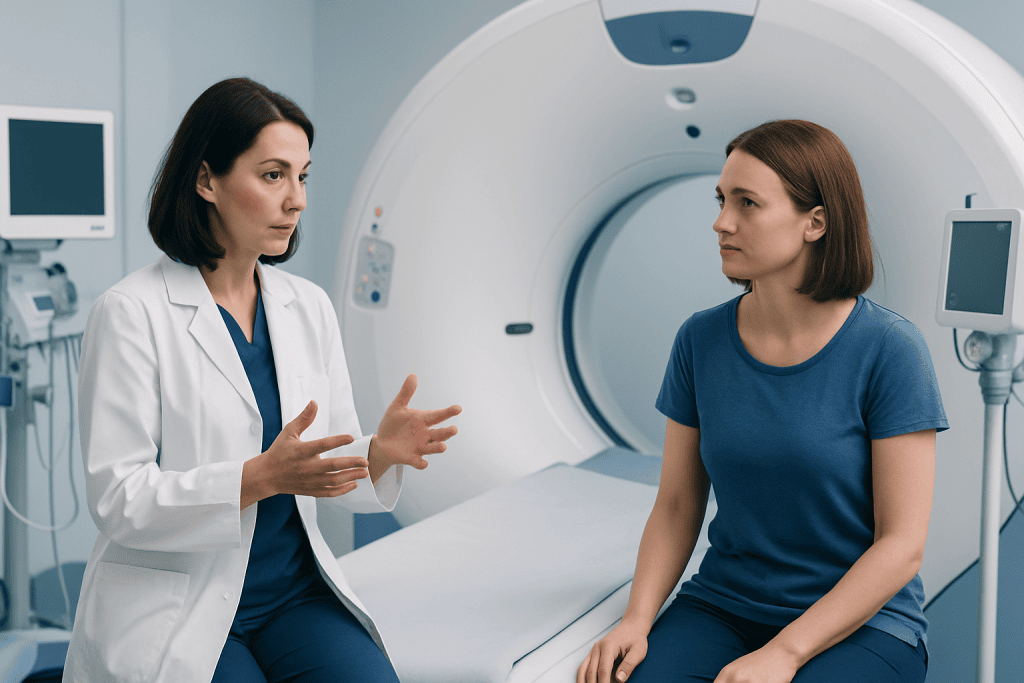
Once cancer is staged, the care team can begin to choose the most appropriate treatment approach. Earlier-stage cancers may sometimes be treated with surgery or localized therapies, while more advanced cancers may need combinations of treatments such as systemic therapy, radiation therapy, or other targeted approaches. The exact plan depends on the type of cancer, the stage, the person’s overall health, and laboratory findings.
Staging also helps estimate prognosis, which means the likely course of the disease over time. Prognosis is never a guarantee, but stage provides one important piece of the overall picture. Other factors, such as tumor biology, genetic markers, age, and response to treatment, also matter.
Another important role of staging is communication. It helps doctors compare treatment results, enroll suitable patients in clinical trials, and monitor how well therapies work across different settings. For patients, it can make a complex diagnosis feel more understandable and structured.
The main staging systems: TNM and numbered stages

Many solid tumors are staged using the TNM system. TNM stands for Tumor, Nodes, and Metastasis. The T category describes the size or extent of the primary tumor, the N category shows whether nearby lymph nodes contain cancer, and the M category indicates whether the cancer has spread to distant organs.
These TNM findings are often grouped into overall stages, usually from Stage 0 to Stage IV. In general, lower-numbered stages mean the cancer is more localized, while higher stages suggest more extensive disease. However, the exact meaning varies by cancer type, so Stage II in one cancer is not automatically the same as Stage II in another.
A broad summary of numbered stages often includes:
- Stage 0: Abnormal cells are present but remain in place, sometimes called carcinoma in situ.
- Stage I: Usually a small, localized cancer.
- Stage II and Stage III: Often larger tumors and/or spread to nearby lymph nodes or tissues.
- Stage IV: Cancer has spread to distant parts of the body, also called metastatic disease.
Some cancers also use letters such as A, B, or C to provide more detail within a numbered stage. In addition, certain cancers use specific systems of their own. For example, cancers of the blood, such as leukemia, lymphoma, and myeloma, are usually classified differently because they do not behave like solid tumors.
How doctors determine cancer stage
Doctors use several sources of information to determine stage. The process usually begins with the medical history and physical examination. Symptoms, the location of a lump, weight changes, pain, bleeding, or other signs may suggest how much the disease has progressed, although symptoms alone cannot define stage.
Imaging tests are commonly used to look at the tumor and surrounding organs. Depending on the cancer type, this may include ultrasound, X-ray, CT, MRI, PET, or other scans. These tests help estimate tumor size and identify enlarged lymph nodes or suspicious areas elsewhere in the body. In many cases, PET-CT imaging and MRI scans can contribute important details to staging.
Biopsy is essential because a definite cancer diagnosis usually requires examining cells or tissue under a microscope. After surgery, the pathology report may provide additional information about tumor size, margins, lymph node involvement, and tumor features. This can refine the stage and help the team decide whether further treatment is needed. Procedures such as a biopsy are often a key step in confirming both diagnosis and extent of disease.
Doctors may describe stage as clinical stage or pathological stage. Clinical stage is based on exams, imaging, and biopsies before treatment. Pathological stage includes what is found during surgery and detailed laboratory review. In some cases, the pathological stage gives a more precise understanding of the disease.
Examples of how staging differs between cancers
Although the basic idea of staging is similar across oncology, each cancer type has important differences. A breast cancer stage depends on tumor size, lymph nodes, spread, and sometimes biological markers. Lung cancer staging considers the tumor’s location, size, nodal spread, and whether disease is present in other areas of the chest or outside the lungs. Colorectal cancer uses its own TNM-based definitions related to bowel wall invasion, lymph nodes, and metastasis.
Some cancers are discussed using disease-specific language. For instance, breast cancer may include receptor status and other pathology details that influence treatment beyond stage alone. In lung cancer, even a small difference in nodal involvement can change treatment strategy significantly.
Blood cancers are different. Leukemia is often not described with Stage I to IV because cancer cells are already in the blood or bone marrow. Lymphoma may use a staging system based on the number and location of involved lymph node regions and whether organs outside the lymphatic system are affected. This is one reason patients should always ask what stage means for their specific diagnosis, rather than assuming the same rules apply to all cancers.
What stage does not tell the whole story
Stage is important, but it is only one part of a cancer diagnosis. Two people with the same stage of the same cancer may still have different treatment options and different outcomes. Modern oncology also considers molecular testing, hormone receptor status, genetic changes in the tumor, growth rate, and the person’s general health.
For example, targeted therapies and immunotherapy have changed how some advanced cancers are treated. A cancer that once had very limited options may now respond well if it has certain tumor markers. In these situations, stage remains important, but it is combined with more detailed biological information.
Patients may also hear about recurrent cancer, which means cancer has returned after treatment. Recurrence can be local, regional, or distant. This is different from the original stage at diagnosis, though the original stage still remains part of the medical record. If cancer returns, the healthcare team reassesses the disease to guide the next steps.
Questions patients may want to ask after staging
Learning a cancer stage can feel overwhelming, especially in the first days after diagnosis. Many people find it helpful to write down questions and bring a family member or friend to appointments. Clear communication can make treatment decisions easier to understand and remember.
Useful questions may include:
- What is the exact type of cancer and what stage is it?
- Is this a clinical stage or a pathological stage?
- Has the cancer spread to lymph nodes or other organs?
- What tests were used to determine the stage?
- How does this stage affect treatment choices?
- Are any additional tests needed before treatment begins?
It is also reasonable to ask whether a multidisciplinary tumor board has reviewed the case. This means specialists from different fields discuss the diagnosis and treatment plan together. Near the end of the care pathway, some patients also seek care at centers with broad oncology experience; Acibadem International’s multidisciplinary specialists and JCI-accredited hospitals diagnose and treat cancer for international patients.
If the information feels confusing, asking for plain-language explanations is appropriate. Doctors expect questions, and understanding stage can help patients take an active role in decisions about surgery, systemic treatment, radiation, and follow-up care. In some situations, oncology care may involve several specialists working together over time.
When to seek medical advice and follow-up
Anyone who has been told they may have cancer should follow up promptly for recommended tests and specialist review. Early evaluation can help clarify the diagnosis and determine stage before treatment decisions are made. Delaying tests may postpone care unnecessarily.
People already diagnosed with cancer should contact their doctor if they develop new or worsening symptoms, have concerns about treatment side effects, or do not understand what their stage means. Follow-up appointments are an important part of cancer care because they help monitor response to treatment and identify any changes that may need attention.
Second opinions can also be valuable, especially when treatment options are complex. A second opinion does not mean something is wrong; it can simply provide reassurance or confirm the plan. Whatever the stage, individualized advice from a qualified oncology team is the best guide for next steps.
Frequently asked questions
What does cancer stage mean?
Cancer stage describes how much cancer is in the body, where it is located, and whether it has spread. Doctors use this information to help plan treatment and discuss prognosis.
Is Stage IV cancer always untreatable?
No. Stage IV means the cancer has spread to distant parts of the body, but treatment may still help control the disease, relieve symptoms, and sometimes shrink or stabilize tumors for long periods. Treatment depends on the cancer type, tumor biology, and the person's overall health.
What is the difference between grade and stage?
Stage tells how far the cancer has spread in the body. Grade describes how abnormal the cancer cells look under the microscope and how quickly they may be growing.
Can cancer stage change over time?
The original stage at diagnosis usually stays the same in the medical record. However, doctors may describe whether cancer has responded to treatment, remained stable, progressed, or recurred after treatment.
Do all cancers use Stage 1 to Stage 4?
No. Many solid tumors use numbered stages, but some cancers use different systems. Blood cancers such as leukemia, lymphoma, and myeloma are often classified in other ways based on how those diseases behave.
How accurate is cancer staging before surgery?
Pre-treatment or clinical staging can be very useful, especially with modern imaging and biopsy methods. In some cases, surgery and pathology provide extra detail and lead to a more precise pathological stage.
References
- National Cancer Institute
- American Cancer Society
- World Health Organization
- UICC International Union Against Cancer
- American Joint Committee on Cancer
This article is for general information only and is not a substitute for professional medical advice. Please consult a qualified doctor about your individual situation.
Oncology care in Turkey — second opinion and treatment plan
JCI-accredited · board-certified surgeons · reply within 24h
Add us as a Preferred Source to see more of our trusted health content across Google Search, AI Overviews and Discover.

Medical Oncology Department
Medical treatment of cancer with chemotherapy, immunotherapy and targeted therapies under a multidisciplinary tumor board.
60 specialists in this unitMore from the Health Library



Related Specialists

Dt. Hakan Karagözoğlu
Oral Dental & Maxillofacial Surgery
Dr. Sedef Başgönül
Infectious Diseases & Clinical Microbiology
Dr. Sinem Bostan Kayaoğlu
Gynecology & Obstetrics
Dr. Nazife Kartal Kara
Gynecology & Obstetrics