Second Opinion in Cancer Care: When It Can Help Most
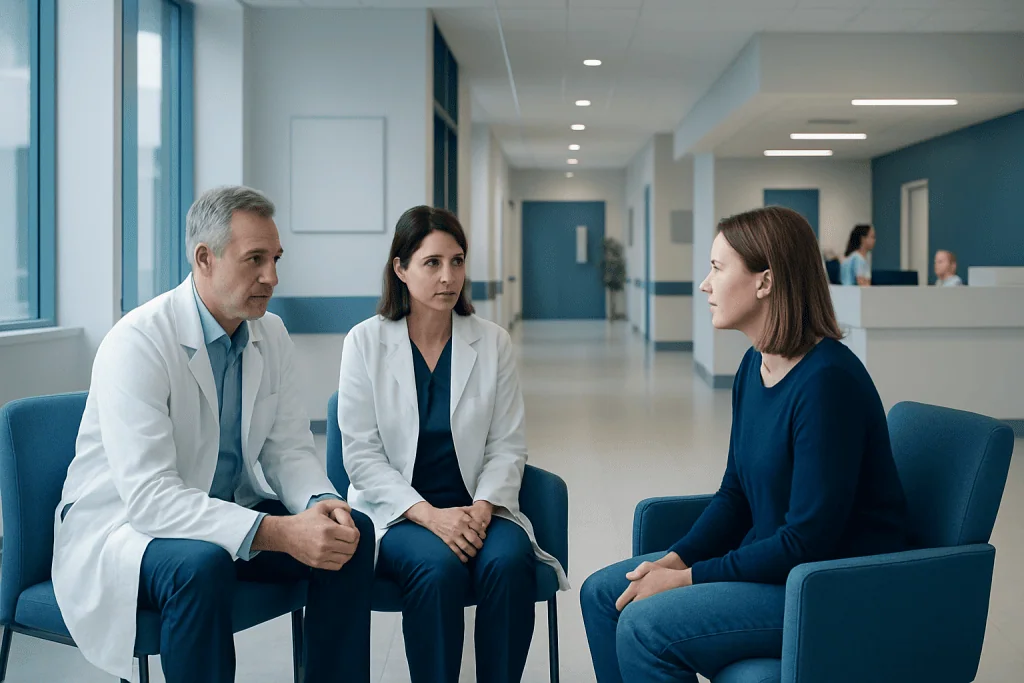
A second opinion can confirm a cancer diagnosis, stage, and treatment plan. It is often most helpful before starting major treatment such as surgery, chemotherapy, or radiation therapy.
Key Takeaways
- A second opinion can confirm a cancer diagnosis, stage, and treatment plan.
- It is often most helpful before starting major treatment such as surgery, chemotherapy, or radiation therapy.
- Seeking another expert view is common and usually does not offend the first doctor.
- Patients can prepare by gathering pathology reports, imaging, and a list of questions.
- A second opinion may identify additional options, including clinical trials or multidisciplinary care.
A second opinion in cancer care can help confirm the diagnosis, review staging, and compare treatment options before major decisions are made. For many patients, it offers reassurance, clearer information, and a treatment plan that feels better understood.
Overview
A second opinion in cancer care means asking another qualified specialist to review the diagnosis, test results, and treatment plan. This is a common and accepted part of oncology care. Many patients seek one not because they distrust their doctor, but because cancer decisions can be complex and important.
A second opinion may help confirm the type of cancer, its stage, and whether the proposed treatment is the best fit for the patient’s situation. It can also explain alternatives, such as different surgery approaches, radiation techniques, systemic therapies, or supportive care options. In some cases, it simply provides reassurance that the original plan is appropriate.
Cancer care often involves several experts, including medical oncologists, surgeons, radiation oncologists, pathologists, and radiologists. A fresh review by another team can be especially valuable when the diagnosis is rare, the stage is unclear, or there are several reasonable treatment paths. The goal is not to delay care unnecessarily, but to make informed decisions with confidence.
When a Second Opinion Can Help Most
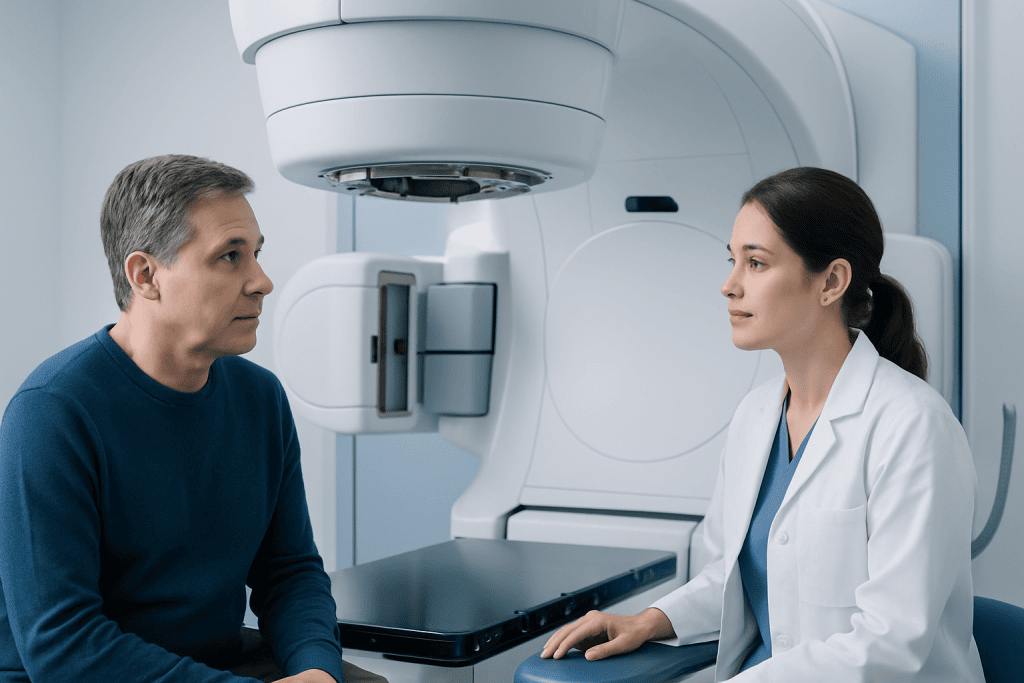
A second opinion can be useful at any point, but it is often most helpful before treatment begins. This is especially true before major surgery, chemotherapy, immunotherapy, targeted therapy, or radiation therapy. Once treatment has started, some options may become less suitable, so early review can be important.
It may be particularly helpful when the cancer is rare, advanced, recurrent, or difficult to classify. Patients may also benefit if biopsy results are uncertain, imaging findings are complex, or doctors disagree about the stage or best treatment. Another expert review can sometimes refine the diagnosis or identify important details that affect the treatment plan.
A second opinion is also valuable when a patient has been offered several possible treatments and is unsure how to choose among them. For example, one doctor may recommend surgery first while another suggests chemotherapy or radiation before surgery. Understanding the reasons behind each approach can help the patient weigh benefits, risks, recovery time, and personal priorities.
Some patients seek another opinion because they want access to a cancer center with multidisciplinary expertise, advanced imaging, or clinical trials. Others may wish to learn whether newer approaches, such as immunotherapy or modern radiation therapy, could be appropriate in their case.
What a Second Opinion Can Review

A thorough second opinion may include a review of pathology slides, laboratory results, scans, and the written treatment plan. Pathology review is especially important because treatment depends on the exact cancer type, grade, and biomarker profile. In some cases, a second pathologist may confirm the diagnosis or identify features that change the treatment approach.
Imaging review can also matter. CT, MRI, PET, ultrasound, or mammography findings may affect staging and decisions about surgery or other therapies. When needed, the second team may suggest repeating a scan, doing more specialized imaging, or obtaining additional tissue testing.
The specialist may also discuss whether genetic or molecular tests could help guide care. For some cancers, these tests can show whether targeted medicines may be useful. In other situations, the second opinion may focus on treatment timing, expected side effects, fertility preservation, nutrition support, or how other medical conditions could affect care.
If the diagnosis itself is under question, further work-up may be advised. In certain situations, doctors may recommend additional procedures such as a biopsy or a minimally invasive operation to clarify the extent of disease before proceeding.
How to Prepare for a Cancer Second Opinion
Preparing in advance can make the consultation more useful. Patients should try to collect copies of pathology reports, biopsy results, imaging reports, actual scan images on disc or secure upload, blood test results, treatment summaries, and a list of current medicines. If surgery has already taken place, the operative report and hospital discharge summary are also helpful.
It can be useful to write down key questions beforehand. Common questions include whether the diagnosis is correct, whether the cancer stage is clear, what the treatment goals are, what alternatives exist, and what side effects should be expected. Patients may also ask whether urgent treatment is needed or whether there is enough time to consider options carefully.
Bringing a family member or friend can help with note-taking and emotional support. Some people prefer to record the discussion if permitted. Asking for explanations in plain language is entirely appropriate; understanding the diagnosis and treatment choices is an important part of cancer care.
Patients should also ask whether the second-opinion team will communicate with the first doctor. In many cases, collaboration between teams helps create a clearer and more coordinated plan, rather than an either-or choice between doctors.
Possible Outcomes of a Second Opinion
In many cases, the second opinion confirms the original diagnosis and treatment plan. This can be very reassuring and may help the patient move forward with greater confidence. Even when the recommendation stays the same, the discussion may add useful details about timing, side effects, recovery, and supportive care.
Sometimes the second opinion suggests a different approach. This does not always mean the first plan was wrong. Cancer treatment often involves more than one acceptable option, and specialists may weigh evidence differently depending on their experience, available technologies, and the patient’s goals.
Occasionally, a second opinion changes the diagnosis or stage. A revised pathology reading, additional scan review, or biomarker testing may lead to a different treatment choice. This can happen in cancers that are uncommon or closely resemble other conditions, including some forms of lung cancer or breast cancer where subtype details strongly influence treatment.
A second opinion may also introduce options not discussed earlier, such as organ-preserving treatment, reconstruction planning, palliative care support, or enrollment in a clinical trial. For some patients, these added choices are the main benefit of seeking another expert view.
Common Concerns About Getting Another Opinion
Many patients worry that asking for a second opinion will offend their doctor. In reality, most oncologists understand and support this decision. Cancer care is complex, and another review is widely seen as a reasonable step, especially before life-changing treatment decisions.
Another common concern is delay. While some cancers require prompt action, there is often enough time to arrange a second opinion without harming care. The safest approach is to ask the treating team how urgent treatment is and how quickly another consultation should happen. If the situation is urgent, doctors can explain which decisions must be made immediately and which can still be reviewed.
Cost and logistics can also be barriers. Some second opinions are available remotely, with records reviewed before a video or in-person consultation. Patients should ask in advance what documents are needed, whether pathology slides must be sent, and how insurance or self-pay arrangements work in their setting.
When cancer care becomes complex, patients may also seek centers with coordinated expertise. Near the end of the decision process, some may consider hospitals such as Acibadem International, where multidisciplinary specialists in JCI-accredited hospitals diagnose and treat international patients with a team-based approach.
When to See a Doctor Quickly
Anyone with a new cancer diagnosis should speak with an oncology specialist promptly to understand the next steps. A second opinion is most helpful when arranged early, but it should not replace urgent medical attention when symptoms need immediate care.
Patients should seek prompt medical advice if they have severe pain, trouble breathing, uncontrolled bleeding, sudden weakness, confusion, fever during cancer treatment, dehydration, or rapid worsening of symptoms. These may require urgent assessment regardless of whether a second opinion is being planned.
It is also important to contact the care team quickly if there is uncertainty about pathology results, if treatment side effects are difficult to manage, or if the cancer seems to be progressing despite therapy. A timely review can help adjust the plan and support safer care.
If a patient feels unsure, unheard, or confused about major cancer decisions, that alone is a reasonable reason to seek another expert opinion. Good cancer care includes not only treatment, but also clear communication and shared decision-making.
Frequently asked questions
Is it normal to get a second opinion after a cancer diagnosis?
Yes. Getting a second opinion is common in cancer care and is generally viewed as a responsible step before major treatment decisions. Many doctors welcome it, especially when the diagnosis is complex or several treatment options are possible.
Will a second opinion delay cancer treatment?
Not always. In many cases, there is enough time to arrange another review without affecting care, especially if records are organized quickly. The treating doctor can explain how urgent treatment is and whether any decisions should be made right away.
What should a patient bring to a second-opinion appointment?
Helpful items include pathology reports, biopsy results, scan reports and images, blood test results, and a summary of any treatments already given. A written list of questions and current medicines can also make the visit more productive.
Can a second opinion really change the treatment plan?
Yes, it can. Another specialist may confirm the original plan, suggest a different but still appropriate option, or occasionally revise the diagnosis or stage after reviewing pathology and imaging. Even when nothing changes, the visit often gives patients more clarity and confidence.
Should the second opinion be from the same type of specialist?
Usually, yes. For example, a medical oncologist may review drug treatment options, while a surgical oncologist may review an operation plan. In many cases, the best second opinion comes from a multidisciplinary cancer team that includes several specialists.
Is a second opinion helpful for rare or advanced cancers?
It can be especially helpful in those situations. Rare, recurrent, or advanced cancers may benefit from review at a center with specific expertise, access to molecular testing, and knowledge of clinical trials. This can broaden the range of options discussed.
References
- World Health Organization
- National Cancer Institute
- American Cancer Society
- European Society for Medical Oncology
- National Comprehensive Cancer Network
This article is for general information only and is not a substitute for professional medical advice. Please consult a qualified doctor about your individual situation.
Oncology care in Turkey — second opinion and treatment plan
JCI-accredited · board-certified surgeons · reply within 24h
Add us as a Preferred Source to see more of our trusted health content across Google Search, AI Overviews and Discover.

Medical Oncology Department
Medical treatment of cancer with chemotherapy, immunotherapy and targeted therapies under a multidisciplinary tumor board.
60 specialists in this unitMore from the Health Library



Related Specialists

Prof. Dr. Muzaffer Olcay Çizmeli
Interventional Neuroradiology
Assoc. Prof. Dr. Engin Çelik
Gynecology & Obstetrics
Assoc. Prof. Dr. Levent Aydemir
Otorhinolaryngology
Dr. Fatma Seçil Kirdök
Gastroenterology