How a First Oncology Appointment Works

The first oncology appointment focuses on understanding the diagnosis and planning further care. Patients are usually asked about symptoms, past medical history, medications, and family history.
Key Takeaways
- The first oncology appointment focuses on understanding the diagnosis and planning further care.
- Patients are usually asked about symptoms, past medical history, medications, and family history.
- The oncologist may recommend more tests before confirming the stage or treatment plan.
- Bringing records, a medication list, and written questions can make the visit more helpful.
- It is normal not to decide everything in one appointment; cancer care often develops step by step.
A first oncology appointment is designed to explain the diagnosis, answer questions, and outline the next steps in care. Knowing what usually happens can help a person feel more prepared, informed, and supported.
Overview: what a first oncology appointment is for
A first oncology appointment is usually the first detailed meeting with a doctor who specializes in cancer care. Its main purpose is to review the person’s medical information, explain what is known so far, and discuss what tests or treatments may be needed next. For many people, this visit comes soon after an abnormal scan, biopsy, or referral from another doctor.
In most cases, the appointment is not only about making decisions immediately. It is also about building a clear understanding of the diagnosis, discussing concerns, and planning the next steps in an organized way. Some people leave with a treatment plan, while others need further tests before treatment choices can be finalized.
It is common to feel anxious before this visit. Many patients worry about hearing unfamiliar medical terms or having to make quick choices. In reality, oncologists usually expect questions and understand that patients may need time, support, and simple explanations before moving forward.
Who patients may meet during the visit
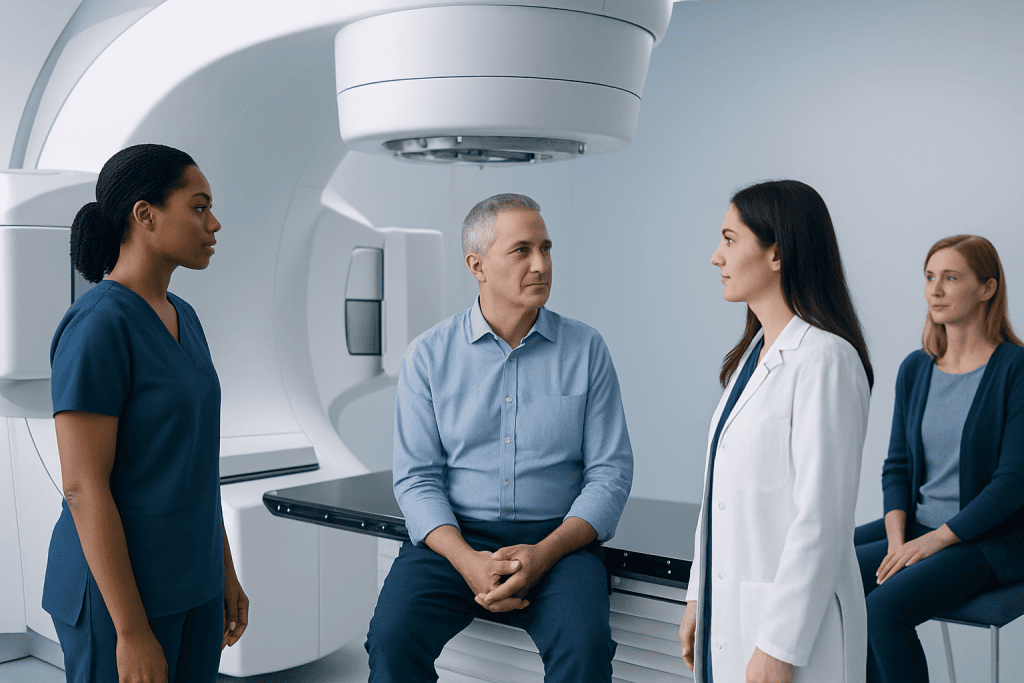
Cancer care is often provided by a team. Depending on the diagnosis, a person may meet a medical oncologist, surgical oncologist, radiation oncologist, or more than one specialist over time. The first appointment may also involve nurses, patient coordinators, or other professionals who help organize tests, education, and follow-up care.
The exact specialist depends on the type of cancer and the reason for referral. For example, a person may first see a medical oncologist to discuss drug treatments such as chemotherapy, targeted therapy, immunotherapy, or hormone therapy. Others may need input from a surgeon or radiation specialist before the full plan is made.
Some hospitals use a multidisciplinary approach, meaning several specialists review the case together. This can help make sure that imaging, pathology, surgery, systemic treatment, and supportive care are considered together rather than separately.
What usually happens during the appointment

The visit often begins with a detailed conversation. The oncologist will usually ask about the person’s symptoms, when they started, any recent tests, and how the condition has affected daily life. The doctor will also review past medical conditions, previous surgeries, allergies, medications, smoking history, and family history of cancer or other illnesses.
A physical examination may be part of the appointment, depending on the type of cancer and the person’s symptoms. The doctor will also review available records such as biopsy results, blood tests, pathology reports, and imaging scans. If any important information is missing, the oncologist may request it before final recommendations are made.
At this stage, the doctor often explains key topics in simple steps:
- What type of cancer is suspected or confirmed
- Whether more tests are needed
- What the stage may be, if known
- What treatment options are generally considered
- What the goals of treatment may be
Many people are surprised that not every answer is available on the first day. This is common. Cancer care often depends on combining information from pathology, scans, blood work, and sometimes genetic or molecular testing before the most appropriate treatment path is chosen.
Tests, staging, and why more information may be needed
One of the most important parts of an oncology consultation is confirming exactly what the diagnosis is and how far it has developed. This process is often called staging. Staging helps doctors understand the size of the cancer, whether lymph nodes are involved, and whether the disease has spread to other parts of the body.
To complete this assessment, the oncologist may recommend additional tests. These can include blood tests, repeat imaging, pathology review, endoscopy, bone marrow testing, or molecular analyses, depending on the suspected cancer type. If a biopsy has already been done, the tissue may be reviewed again to confirm the diagnosis or check for markers that can guide treatment.
Patients should not assume that more tests mean something is worse. Often, they are needed simply to make the plan more accurate and personalized. A clear diagnosis and stage help avoid unnecessary treatment and make it easier to choose the most suitable option.
In some situations, the oncologist may also discuss the role of advanced imaging or tissue sampling as part of diagnosis. If needed, this can involve procedures related to biopsy testing or PET-CT imaging to provide more complete information before treatment begins.
How treatment options are discussed
Once enough information is available, the oncologist explains the treatment choices that may help. The discussion usually includes the aim of treatment, such as curing the disease, controlling it, shrinking it before surgery, reducing the risk of recurrence, or relieving symptoms. The doctor may also explain the expected benefits, possible side effects, and how treatment may affect work, travel, fertility, nutrition, or daily routines.
Treatment options vary widely depending on the cancer type and stage. They may include surgery, radiation therapy, systemic treatments, or combinations of these. In some cases, treatment starts quickly. In others, careful planning is needed first, especially if several specialists are involved or if the diagnosis must be clarified further.
The first appointment may include discussion of broad approaches such as chemotherapy or radiotherapy, but the final plan often depends on test results and multidisciplinary review. For some people, monitoring over time rather than immediate treatment may also be considered, depending on the disease and overall health.
It is reasonable for patients to ask why one option is preferred over another, what side effects are most common, how treatment success will be monitored, and whether supportive care services are available. The goal is not only to treat the cancer, but also to support the person through the process safely and compassionately.
How to prepare before the visit
Preparation can make the appointment more productive and less overwhelming. If possible, patients should bring all relevant records, including pathology reports, imaging CDs or reports, recent blood tests, discharge summaries, and referral letters. It also helps to bring a list of all medicines, vitamins, and supplements, along with known allergies.
Writing down symptoms and questions in advance can be very helpful. Many people forget what they wanted to ask once the discussion begins. Bringing a trusted family member or friend may also provide emotional support and help with note-taking, especially if a lot of new information is shared.
Useful questions may include:
- What type of cancer is it, and how certain is the diagnosis?
- Do more tests need to be done before treatment starts?
- What is the goal of treatment in this situation?
- What side effects should be expected, and how are they managed?
- How urgent is it to make a treatment decision?
- Should other specialists be involved?
Comfort is also important. Patients may want to allow extra time for paperwork, bring glasses or hearing aids if needed, and keep a notebook or phone ready for notes. Small steps like these can help the visit feel more manageable.
Emotional support, second opinions, and practical concerns
A cancer consultation often brings emotional as well as medical questions. It is normal for patients and families to feel worried, confused, or numb at first. Oncologists and cancer teams are used to these reactions and can often suggest support services such as counseling, nutrition advice, symptom management, or patient navigation.
Practical concerns are also an important part of early planning. Patients may need to discuss work responsibilities, caregiving, travel, insurance, reproductive health, or existing medical conditions that could affect treatment. Mentioning these issues early helps the team tailor care in a realistic and safe way.
Asking for a second opinion is also common in oncology. Many doctors welcome it, especially when the diagnosis is uncommon or the treatment choices are complex. A second opinion can help confirm the plan, provide reassurance, or offer alternatives that can then be discussed carefully.
Near the end of the care pathway, some patients may choose assessment in specialized centers. Acibadem International’s multidisciplinary specialists and JCI-accredited hospitals diagnose and treat cancer for international patients, with care plans guided by the individual diagnosis and overall needs.
When to contact the doctor after the appointment
After the first oncology appointment, patients usually receive instructions about next tests, follow-up visits, and who to contact with concerns. It is important to keep all appointments and complete any recommended testing promptly, since treatment decisions often depend on those results.
Patients should contact the healthcare team sooner if symptoms suddenly worsen, new pain develops, bleeding appears, fever occurs, or eating and drinking become difficult. The exact warning signs depend on the person’s condition, so it is helpful to ask the team which changes should be reported urgently.
If anything from the visit is unclear, it is appropriate to ask again. Understanding the diagnosis and plan is an important part of safe care. Clear communication can help patients feel more confident and involved as treatment moves forward.
Frequently asked questions
How long does a first oncology appointment usually take?
The length varies, but a first oncology appointment is often longer than a routine clinic visit because many details need to be reviewed. Time is usually needed for medical history, records, examination, and discussion of next steps.
Will treatment start at the first oncology appointment?
Not always. Some patients need additional scans, blood tests, or pathology review before the treatment plan can be finalized. In other cases, treatment can be arranged soon after the first consultation if enough information is already available.
Should someone come with the patient to the appointment?
Many people find it helpful to bring a trusted relative or friend. That person can provide support, help remember information, and take notes during the discussion.
What should a patient bring to a first oncology appointment?
Useful items include identification, referral letters, pathology reports, scan results, medication lists, and written questions. If available, imaging discs and previous hospital records can also help the specialist review the case more efficiently.
Is it normal not to know the cancer stage at the first visit?
Yes, this is common. Staging often depends on combining biopsy findings, imaging, and sometimes other specialized tests, so the full picture may not be ready immediately.
Can a patient ask for a second opinion after the appointment?
Yes. Second opinions are common in cancer care and can help confirm the diagnosis or treatment plan. Many oncologists support this, especially when decisions are complex.
References
- National Cancer Institute
- American Society of Clinical Oncology
- World Health Organization
- National Comprehensive Cancer Network
- European Society for Medical Oncology
This article is for general information only and is not a substitute for professional medical advice. Please consult a qualified doctor about your individual situation.
Oncology care in Turkey — second opinion and treatment plan
JCI-accredited · board-certified surgeons · reply within 24h
Add us as a Preferred Source to see more of our trusted health content across Google Search, AI Overviews and Discover.

Medical Oncology Department
Medical treatment of cancer with chemotherapy, immunotherapy and targeted therapies under a multidisciplinary tumor board.
60 specialists in this unit