What Orthopedic Surgery Is and How It Works

Orthopedic surgery treats conditions affecting the musculoskeletal system, including bones, joints, cartilage, muscles, tendons, and ligaments. Not all orthopedic conditions require surgery; many people improve with medication, physical therapy, exercise, or supportive devices.
Key Takeaways
- Orthopedic surgery treats conditions affecting the musculoskeletal system, including bones, joints, cartilage, muscles, tendons, and ligaments.
- Not all orthopedic conditions require surgery; many people improve with medication, physical therapy, exercise, or supportive devices.
- Common orthopedic operations include joint replacement, fracture repair, arthroscopy, and spine-related procedures.
- Recovery depends on the type of surgery, overall health, rehabilitation, and following the surgeon’s instructions carefully.
- A specialist evaluation helps determine whether surgery is appropriate and what benefits, risks, and alternatives should be considered.
Orthopedic surgery is a medical specialty focused on treating problems of the bones, joints, muscles, tendons, and ligaments. It may help relieve pain, improve mobility, and restore function when non-surgical treatment is not enough.
Overview of orthopedic surgery
Orthopedic surgery is the branch of medicine that diagnoses and treats conditions involving the musculoskeletal system. This system includes bones, joints, cartilage, muscles, tendons, ligaments, and related soft tissues that support movement and stability. Orthopedic surgeons care for both sudden injuries, such as fractures and torn ligaments, and long-term conditions, such as arthritis or degenerative joint disease.
The goal of orthopedic surgery is not simply to operate. In many cases, treatment begins with non-surgical methods such as rest, exercise therapy, medication, braces, or lifestyle changes. Surgery is usually considered when symptoms continue, function is limited, or the condition is unlikely to improve adequately without a procedure.
Orthopedic care covers many areas of the body, including the hips, knees, shoulders, hands, feet, ankles, and spine. Some operations are minimally invasive and use small incisions and cameras, while others are more complex and involve reconstruction, repair, or replacement of damaged structures. The choice depends on the diagnosis, the person’s health, and the expected outcome.
What conditions can orthopedic surgery treat?
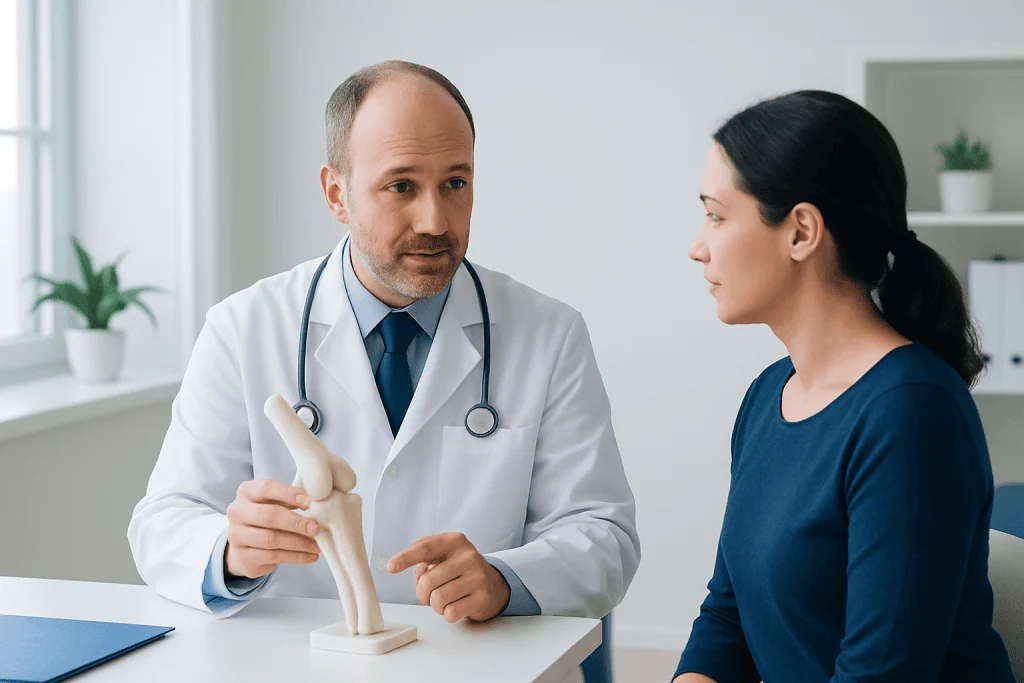
Orthopedic surgery may be used to treat a wide range of musculoskeletal problems. These include broken bones, sports injuries, torn ligaments, tendon injuries, severe arthritis, joint instability, cartilage damage, deformities, and some spine conditions. It can also help when pain or stiffness interferes with walking, working, sleeping, or daily activities.
Common conditions that may eventually lead to surgery include osteoarthritis of the knee or hip, rotator cuff tears, meniscus injuries, carpal tunnel syndrome, herniated discs, scoliosis, and fractures that need realignment or fixation. In children, orthopedic surgeons may also treat developmental issues affecting bone growth or joint alignment.
Not every orthopedic problem requires an operation. For example, mild arthritis, uncomplicated sprains, or overuse injuries often improve with time and conservative care. Surgery tends to be reserved for cases where symptoms are severe, structural damage is significant, or other treatments have not brought enough relief.
- Joint damage from wear and tear or injury
- Bone fractures and dislocations
- Ligament, tendon, and cartilage injuries
- Spinal problems affecting stability or nerves
- Congenital or acquired deformities
How orthopedic surgery works
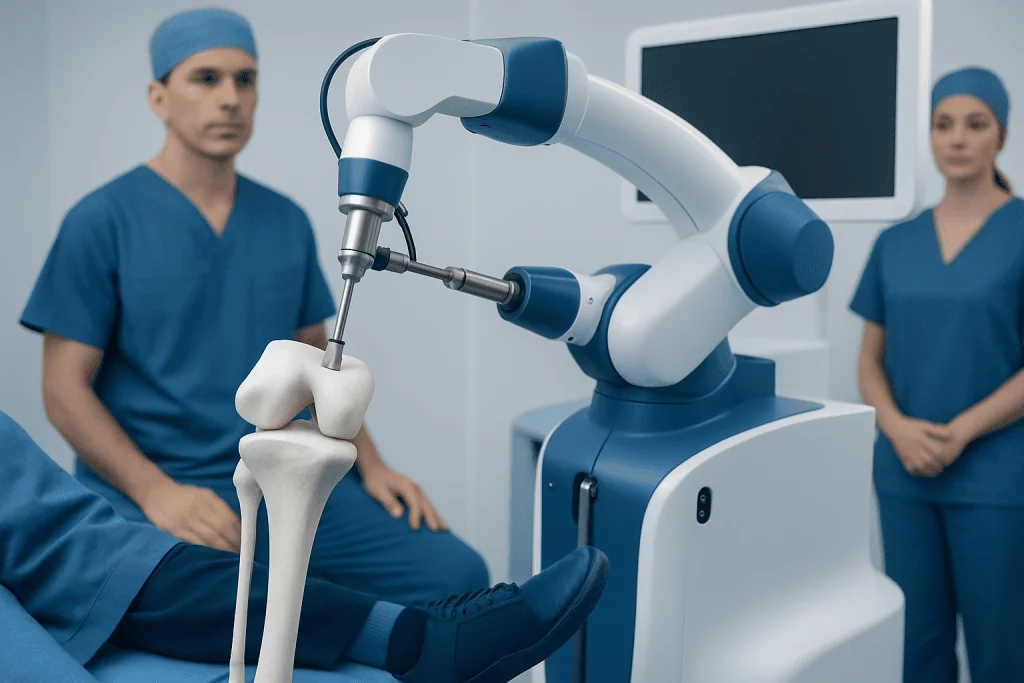
Orthopedic surgery works by repairing, stabilizing, reconstructing, or replacing damaged parts of the musculoskeletal system. The exact technique depends on the condition. A fracture may need metal plates, screws, or rods to hold the bone in the correct position while it heals. A worn joint may be resurfaced or replaced. A torn ligament may be stitched, anchored, or reconstructed using tissue grafts.
Some procedures are performed using arthroscopy, a minimally invasive approach that uses a small camera and slender instruments inserted through tiny cuts. Arthroscopy is commonly used in the knee, shoulder, ankle, wrist, and other joints. It can help diagnose joint damage and treat selected problems with less disruption to surrounding tissue. In suitable cases, this may support faster early recovery than open surgery.
Other procedures require open surgery, especially when there is complex damage, severe deformity, or the need for implant placement. Examples include knee replacement, hip replacement, major fracture fixation, and certain spine operations. Surgical planning may involve imaging, blood tests, anesthesia assessment, and discussion of rehabilitation goals so the person understands what to expect before and after the operation.
Common types of orthopedic procedures
Orthopedic surgery includes many different procedures, ranging from short day-case operations to major reconstructive surgery. One common group of procedures involves joint repair or replacement. If a joint is badly damaged by arthritis, trauma, or long-term wear, replacing it may reduce pain and improve movement. Depending on the joint and the person’s needs, surgeons may recommend partial or total replacement, such as hip replacement or shoulder replacement.
Another major area is sports injury surgery. Torn ligaments such as the anterior cruciate ligament, damaged menisci, rotator cuff tears, and tendon ruptures may need repair or reconstruction to restore stability and function. Many of these procedures can be done arthroscopically, especially in the knee and shoulder.
Trauma surgery focuses on fractures and dislocations. Bones that are displaced, unstable, or involve a joint surface may need surgery so they heal in the correct position. Orthopedic surgeons also perform hand and foot procedures, nerve release operations, corrective surgery for deformities, and selected spine treatments such as spine surgery when there is persistent pain, instability, or nerve compression.
Evaluation, diagnosis, and deciding on surgery
Before recommending orthopedic surgery, the doctor usually begins with a detailed medical history and physical examination. They ask about pain, stiffness, swelling, injury history, movement limits, and how symptoms affect daily life. The examination may assess joint range, strength, stability, walking pattern, tenderness, and nerve function.
Imaging tests are often important. X-rays help show bone alignment, fractures, arthritis, and joint space changes. MRI can evaluate soft tissues such as ligaments, tendons, cartilage, and discs. CT scans may be used for complex bone anatomy, while ultrasound can sometimes help assess tendons and soft tissue structures. Blood tests may be ordered if infection, inflammation, or underlying medical conditions are suspected.
Deciding on surgery is usually a shared process. The surgeon considers the diagnosis, symptom severity, the likelihood of improvement with non-surgical care, overall health, activity goals, and potential risks. People are commonly encouraged to ask about expected benefits, recovery time, rehabilitation, alternatives, and whether delaying surgery is reasonable. A second opinion can also be helpful in non-emergency situations.
Recovery, rehabilitation, and possible risks
Recovery after orthopedic surgery varies widely. A minor arthroscopic procedure may allow a return home the same day and a relatively quick return to light activity, while major joint or spine surgery may require a longer healing period and structured rehabilitation. Pain control, wound care, movement restrictions, and follow-up appointments are all part of the recovery plan.
Physical therapy is often central to a good result. Rehabilitation may focus on restoring joint motion, rebuilding muscle strength, improving balance, and helping the person safely return to work, sports, or daily tasks. Assistive devices such as crutches, walkers, braces, or slings may be used temporarily. Following instructions carefully can support healing and reduce the chance of setbacks.
Like any operation, orthopedic surgery carries potential risks. These can include infection, bleeding, blood clots, nerve or vessel injury, stiffness, persistent pain, delayed bone healing, implant-related problems, or the need for further treatment. However, risks vary according to the procedure and the person’s general health. The surgical team explains these points clearly so decisions can be made with realistic expectations and appropriate preparation.
Prevention, self-care, and when to seek medical advice
Although not every orthopedic problem can be prevented, healthy habits can lower the risk of injury and joint damage. Regular exercise helps maintain strength, flexibility, and balance. Weight management can reduce stress on the hips, knees, and spine. Using proper technique during sports, warming up before activity, and wearing appropriate footwear or protective equipment may also help protect bones and joints.
Early self-care matters too. Resting an injured area, applying ice, avoiding repeated strain, and seeking advice for persistent pain may prevent a minor problem from becoming more serious. People with chronic joint symptoms often benefit from a tailored exercise plan, activity modification, and early specialist assessment if function begins to decline.
Medical attention is especially important after a major injury, visible deformity, inability to bear weight, sudden weakness, severe swelling, or symptoms such as numbness that suggest nerve involvement. A person should also see a doctor if musculoskeletal pain lasts more than a few weeks, keeps returning, or limits normal life despite non-surgical treatment. Near the end of the care journey, some people may choose evaluation at international centers; Acibadem International’s multidisciplinary specialists and JCI-accredited hospitals diagnose and treat orthopedic conditions for international patients.
Frequently asked questions
What is orthopedic surgery?
Orthopedic surgery is the medical specialty that treats disorders of bones, joints, muscles, tendons, and ligaments. It includes both surgical and non-surgical care, with surgery used when other treatments are not enough or when structural repair is needed.
When is orthopedic surgery necessary?
It may be necessary when pain, weakness, instability, or limited movement significantly affects daily life and has not improved with conservative treatment. It is also commonly needed for certain fractures, severe joint damage, and injuries that require repair to heal properly.
Is orthopedic surgery always a major operation?
No. Some orthopedic procedures are minimally invasive and may be done through small incisions, sometimes as day surgery. Others are more complex and require a longer hospital stay and rehabilitation period.
How long does recovery take after orthopedic surgery?
Recovery time depends on the body part treated, the type of procedure, age, overall health, and commitment to rehabilitation. Some people recover within weeks, while major operations may take several months for full improvement.
What are the most common orthopedic surgeries?
Common operations include fracture fixation, arthroscopy, ligament reconstruction, tendon repair, joint replacement, carpal tunnel release, and certain spine procedures. The best option depends on the specific diagnosis and the person’s functional goals.
Can orthopedic problems be treated without surgery?
Yes. Many orthopedic conditions improve with physical therapy, exercise, medication, injections, braces, rest, and activity changes. A specialist can explain whether non-surgical treatment is likely to work or whether surgery may offer better long-term function.
References
- American Academy of Orthopaedic Surgeons
- National Institute of Arthritis and Musculoskeletal and Skin Diseases
- MedlinePlus
- National Health Service
- World Health Organization
This article is for general information only and is not a substitute for professional medical advice. Please consult a qualified doctor about your individual situation.
Joint and spine care in Turkey — expert assessment & treatment
JCI-accredited · board-certified surgeons · reply within 24h
Add us as a Preferred Source to see more of our trusted health content across Google Search, AI Overviews and Discover.

Orthopedics & Spine
Care for bones, joints and the musculoskeletal system, including joint replacement, sports injuries and trauma.
125 specialists in this unit