How to Choose an Orthopedic Surgeon

An orthopedic surgeon should have training and experience that match the patient’s specific condition or procedure. Board certification, fellowship training, and hospital quality are useful signs of professional standards.
Key Takeaways
- An orthopedic surgeon should have training and experience that match the patient’s specific condition or procedure.
- Board certification, fellowship training, and hospital quality are useful signs of professional standards.
- Good communication matters because patients need to understand their diagnosis, options, risks, and recovery plan.
- A second opinion can be helpful, especially before major surgery or when several treatment choices are possible.
- The right surgeon is not only technically skilled but also someone the patient trusts and feels comfortable with.
Choosing an orthopedic surgeon is an important step for anyone dealing with bone, joint, muscle, ligament, or spine problems. The best choice usually depends on the person’s condition, the surgeon’s experience, the quality of the hospital, and how clearly the treatment plan is explained.
Overview: Why the Choice Matters
Orthopedic surgeons diagnose and treat problems involving bones, joints, muscles, tendons, ligaments, and sometimes the spine. Some conditions improve with medication, physical therapy, injections, or lifestyle changes, while others may need a procedure or surgery. Because orthopedic care often affects mobility, pain levels, and long-term quality of life, choosing the right specialist can make a meaningful difference.
Not every orthopedic surgeon treats the same conditions. One surgeon may focus mainly on knee replacement, while another may specialize in sports injuries, shoulder repair, hand surgery, pediatric orthopedics, or spine care. For this reason, a good first step is to match the surgeon’s expertise to the patient’s exact problem rather than choosing only by location or name recognition.
It is also helpful to remember that “best” does not mean the same thing for everyone. The right surgeon is usually someone with the appropriate qualifications, strong experience in the relevant procedure, access to a well-equipped hospital, and a communication style that helps the patient feel informed and respected. A thoughtful choice can support both safer care and a smoother recovery.
Know the Condition and the Type of Specialist Needed
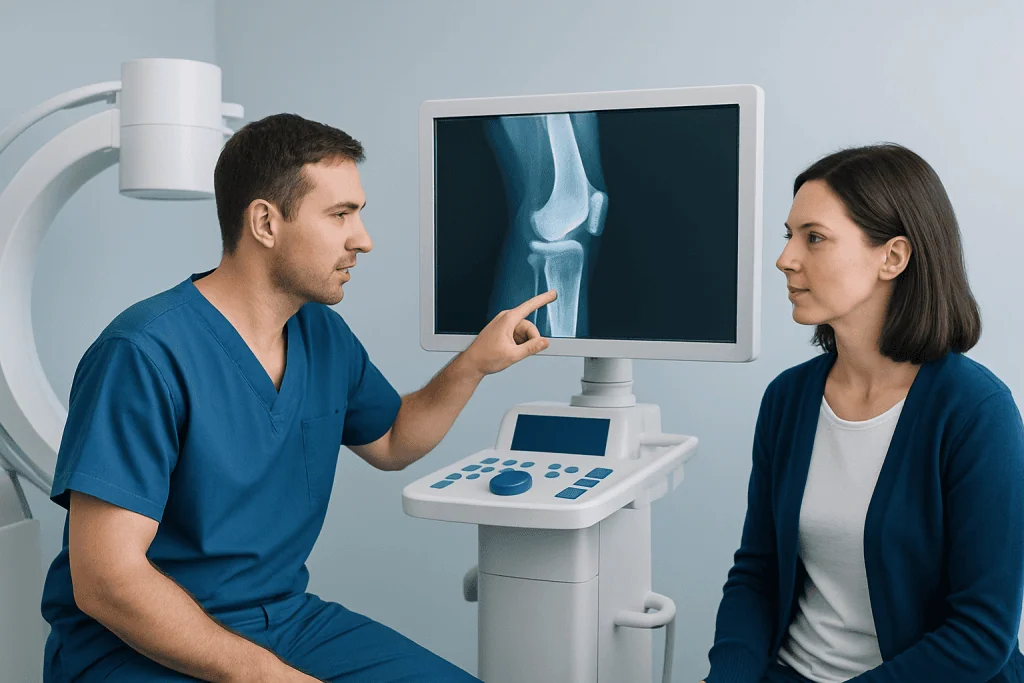
Before comparing doctors, patients should understand as clearly as possible what part of the body is affected and what diagnosis has been suggested. Orthopedics is a broad field, and many surgeons have subspecialty interests. A person with a torn ligament may benefit from a sports medicine orthopedic surgeon, while someone with severe arthritis may need a joint replacement specialist. A child with a bone growth issue may need a pediatric orthopedic surgeon.
If the diagnosis is still uncertain, starting with a general orthopedic evaluation can be appropriate. After reviewing symptoms, physical examination findings, and imaging, the doctor may recommend more focused care. In some situations, a patient may be referred for physical therapy and rehabilitation before surgery is considered, especially for overuse injuries, back pain, or mild to moderate joint problems.
Patients can prepare by writing down their symptoms, how long they have been present, what makes them better or worse, and which treatments they have already tried. Bringing imaging reports, blood test results, and a medication list to appointments can also help the consultation be more useful and efficient.
Check Qualifications, Training, and Experience

One of the most important steps in choosing an orthopedic surgeon is reviewing professional qualifications. Patients can look for board certification or the equivalent recognized specialist status in the country where the doctor practices. Fellowship training is also valuable because it shows the surgeon completed advanced training in a specific area such as hip and knee surgery, sports medicine, hand surgery, or spine surgery.
Experience matters not only in years of practice but in experience with the exact condition or operation being discussed. A patient considering knee replacement, for example, may wish to ask how often the surgeon performs that procedure, what types of patients they usually treat, and whether minimally invasive or robotic-assisted techniques are appropriate. The goal is not to look for perfection, but to understand whether the surgeon routinely manages similar cases.
Hospital quality is part of the picture as well. Surgical care depends on more than one doctor. An experienced anesthesia team, advanced imaging, infection prevention standards, rehabilitation support, and coordinated nursing care all contribute to treatment quality. Patients who may need an operation such as knee replacement or hip replacement should consider the overall hospital environment as well as the surgeon’s personal credentials.
It can also be helpful to ask whether the surgeon works closely with radiologists, physiatrists, pain specialists, rheumatologists, or rehabilitation professionals when needed. Orthopedic problems are sometimes best managed by a multidisciplinary team rather than surgery alone.
Questions to Ask at the First Consultation
The first appointment is a chance to learn not only about the diagnosis but also about how the surgeon approaches care. A good consultation usually includes a clear explanation of the problem, the likely cause, and the available treatment choices. Patients should feel comfortable asking simple, direct questions and should expect understandable answers rather than overly technical language.
Useful questions may include:
- What is the most likely diagnosis, and how certain is it?
- Are there nonsurgical treatments that should be tried first?
- What are the benefits and limitations of surgery in this case?
- What are the possible risks or complications?
- How long is recovery likely to take, and what kind of rehabilitation will be needed?
- What results are realistic for pain relief, function, and return to work or sport?
It is also reasonable to ask what happens if treatment is delayed or if another option is chosen. In many orthopedic conditions, there is time to consider the options carefully. For others, such as fractures, tendon ruptures, or progressive nerve compression, earlier treatment may be more important. The consultation should help the patient understand that timeline.
If surgery is proposed, patients may wish to ask whether less invasive options are available and whether a procedure such as arthroscopy could be suitable. Even when surgery is recommended, a balanced discussion should include alternatives, expected outcomes, and the role of rehabilitation after the procedure.
Evaluate Communication, Trust, and Practical Factors
Technical skill is essential, but communication is equally important. Patients often do best when they feel heard, not rushed, and able to ask follow-up questions. A surgeon should explain the diagnosis, imaging findings, and treatment plan in a way that is clear and respectful. If a patient leaves the visit confused about what problem they have or why a treatment was recommended, it may be worth seeking further clarification or another opinion.
Trust also grows from honesty. Orthopedic treatment is not always straightforward, and a reliable surgeon will usually explain both the potential benefits and the limitations of care. For example, surgery may improve pain and function but may not fully restore a joint to how it felt years earlier. Realistic guidance helps patients make informed decisions and prepare for recovery.
Practical issues matter too. These can include the hospital location, insurance or payment questions, waiting times, access to imaging and rehabilitation, language support, and ease of follow-up after treatment. For international patients, coordination of records, travel timing, and postoperative planning are especially important. A well-organized team can make the overall process less stressful.
Online reviews can provide some insight into scheduling, staff communication, or patient experience, but they should not be the only deciding factor. Reviews are often subjective and may not reflect the surgeon’s expertise for a specific medical problem. They are most useful when considered alongside formal credentials and a personal consultation.
When to Get a Second Opinion
Getting a second opinion is common in orthopedics and can be especially helpful before major surgery. It does not mean the first doctor was wrong. Instead, it gives the patient a chance to confirm the diagnosis, compare treatment approaches, and feel more confident about the next step. Many experienced surgeons welcome second opinions as part of patient-centered care.
A second opinion may be particularly useful if surgery has been recommended quickly, if several procedures are possible, if the diagnosis is unclear, or if the patient has ongoing symptoms despite treatment. It can also help when imaging findings and symptoms do not seem to match, which sometimes happens in orthopedic care. Another specialist may suggest additional tests, rehabilitation, injections, or a different surgical strategy.
Patients should bring all relevant records to the second consultation, including X-rays, MRI or CT reports, clinic notes, and details of previous treatments. The most useful second opinions are based on complete information. In some cases, they may confirm the original advice; in others, they may open additional options that better fit the patient’s goals and lifestyle.
Preparing for Treatment and Recovery
Choosing a surgeon is only one part of the journey. Recovery often depends on preparation before treatment and active participation afterward. If surgery is planned, patients may be advised to improve overall health by stopping smoking, managing chronic conditions such as diabetes, reviewing medications, and following exercise or nutrition guidance where appropriate. These steps can support healing and lower the risk of complications.
Patients should also ask about the expected recovery pathway. Important details include hospital stay, pain management, wound care, movement restrictions, return to driving or work, and the role of rehabilitation. Some procedures require structured physiotherapy for the best result, and understanding that commitment in advance can help set realistic expectations.
Family or caregiver support can be important, particularly after joint replacement or other procedures that temporarily limit mobility. Planning for home safety, transportation, and daily tasks can make the early recovery period easier. For some people, treatment decisions may also be influenced by job demands, caregiving responsibilities, or athletic goals, so these should be discussed openly with the surgeon.
Near the end of the decision process, some patients choose centers that offer coordinated orthopedic and rehabilitation services in one place. Acibadem International’s multidisciplinary specialists and JCI-accredited hospitals diagnose and treat orthopedic conditions for international patients, with treatment plans tailored to the individual’s needs.
When to See an Orthopedic Surgeon Promptly
Many bone and joint problems can be assessed through a routine appointment, but some symptoms need more urgent medical attention. Patients should seek prompt evaluation for severe pain after an injury, sudden inability to bear weight, obvious deformity, a suspected fracture or dislocation, or a joint that becomes very swollen and difficult to move. These situations may need urgent imaging and treatment.
Medical review is also important if symptoms are getting worse despite rest and basic care, if pain regularly interrupts sleep, or if weakness, numbness, or loss of function is developing. Persistent symptoms can sometimes reflect more than a simple strain. In spine-related cases, emergency care is important for new bowel or bladder problems, saddle numbness, or rapidly worsening leg weakness.
People with fever, redness, warmth, and increasing pain around a joint or after surgery should contact a doctor promptly because infection needs timely assessment. The same applies to calf swelling, chest pain, or shortness of breath after an operation, which may require urgent medical attention. When in doubt, patients should seek professional advice rather than trying to self-diagnose.
Frequently asked questions
What should a patient look for in an orthopedic surgeon?
A patient should look for training, certification, and experience that match the specific condition or procedure being considered. Clear communication, hospital quality, and a treatment plan that includes both surgical and nonsurgical options are also important.
Is it okay to get a second opinion before orthopedic surgery?
Yes, a second opinion is a common and reasonable step, especially before major surgery. It can confirm the diagnosis, clarify options, and help the patient feel more confident about the decision.
Does a more experienced surgeon always mean better care?
Experience is important, especially with a specific procedure, but it is not the only factor. Good care also depends on accurate diagnosis, careful planning, strong hospital support, and effective communication with the patient.
Should patients try nonsurgical treatment first?
In many cases, yes, especially for arthritis, back pain, tendon problems, and overuse injuries. Depending on the condition, rest, medication, injections, bracing, or physical therapy may be recommended before surgery is considered.
How can a patient know if surgery is really necessary?
Surgery is usually considered when symptoms remain significant despite appropriate conservative treatment, or when there is a structural problem that is unlikely to improve without an operation. The surgeon should explain why surgery is being recommended, what alternatives exist, and what results are realistic.
Are online reviews enough to choose an orthopedic surgeon?
Online reviews can be helpful for understanding general patient experience, but they should not be the only factor. Formal qualifications, relevant experience, hospital standards, and a personal consultation are more reliable guides.
References
- American Academy of Orthopaedic Surgeons
- National Institute for Health and Care Excellence
- OrthoInfo
- MedlinePlus
- World Health Organization
This article is for general information only and is not a substitute for professional medical advice. Please consult a qualified doctor about your individual situation.
Joint and spine care in Turkey — expert assessment & treatment
JCI-accredited · board-certified surgeons · reply within 24h
Add us as a Preferred Source to see more of our trusted health content across Google Search, AI Overviews and Discover.

Orthopedics & Spine
Care for bones, joints and the musculoskeletal system, including joint replacement, sports injuries and trauma.
125 specialists in this unit