What to Expect at a Child’s First Pediatric Visit

The first pediatric visit usually happens soon after birth, often within a few days of going home. The doctor checks weight, feeding, sleep, jaundice, hydration, and overall newborn health.
Key Takeaways
- The first pediatric visit usually happens soon after birth, often within a few days of going home.
- The doctor checks weight, feeding, sleep, jaundice, hydration, and overall newborn health.
- Parents should bring medical records, feeding information, and a list of questions or concerns.
- Routine well-child visits help track growth, development, and vaccinations over time.
- Most first visits are reassuring and focus on guidance, prevention, and early support.
A child’s first pediatric visit is an important early checkup that helps monitor health, growth, feeding, and development. It also gives parents a chance to ask questions and learn what to expect in the first weeks and months.
Overview
A child’s first pediatric visit is one of the earliest health appointments after birth. It is designed to make sure the baby is adjusting well, feeding adequately, gaining or maintaining weight appropriately, and showing no early signs of illness. For parents, it is also an opportunity to build a relationship with a pediatrician and receive practical guidance on daily newborn care.
In many cases, the first visit takes place within a few days after leaving the hospital, although timing can vary depending on the baby’s age, birth history, and the doctor’s advice. Babies born early, those with jaundice, feeding difficulties, or low birth weight may need closer follow-up. Even when everything appears normal, this first checkup remains an important part of preventive care.
The appointment is usually calm and structured. The pediatrician reviews the birth history, asks about feeding and diaper output, performs a head-to-toe examination, and discusses what is typical in the newborn period. Parents do not need to prepare anything complicated, but arriving with basic records and questions can help them make the most of the visit.
When the First Visit Usually Happens
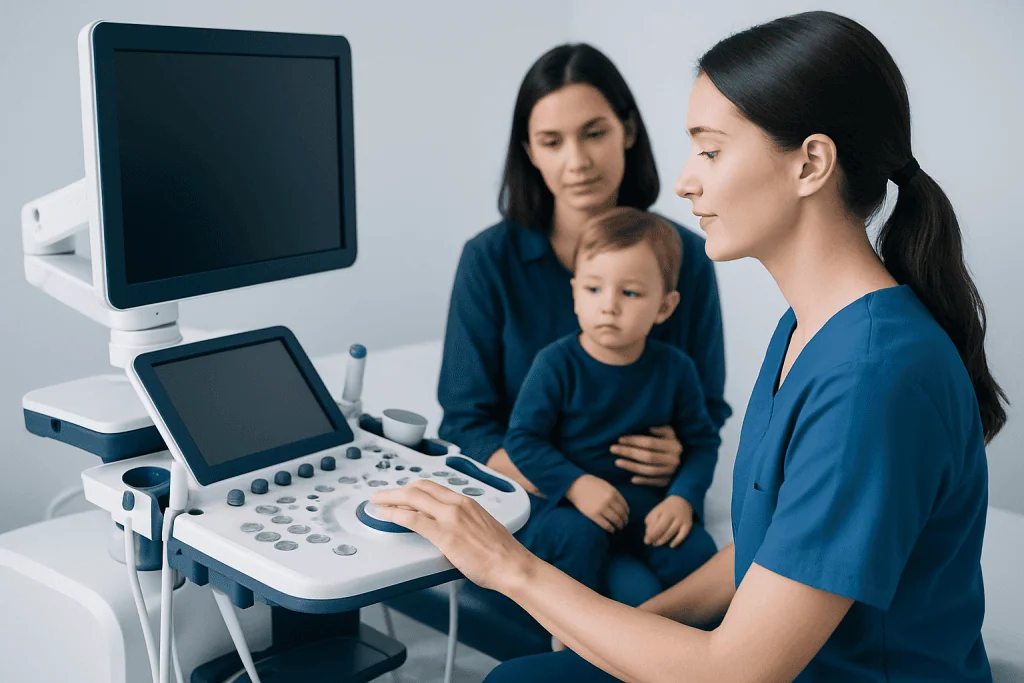
For most newborns, the first pediatric visit is scheduled within 48 to 72 hours after going home from the hospital, or within the first week of life. This early timing is important because newborns can change quickly in the first days. Weight, feeding patterns, jaundice, and hydration are often easiest to assess with prompt follow-up.
If a baby was born prematurely, had a stay in the neonatal unit, or has a known medical concern, the care team may recommend an earlier or more specialized visit. Babies who are breastfeeding may also benefit from early review if there are questions about latch, milk transfer, or weight trends. The pediatrician may then suggest another checkup soon afterward to monitor progress.
After the first appointment, routine well-child visits continue at regular intervals during infancy and childhood. These visits help track growth, development, and preventive care, including immunizations. Families should follow the schedule recommended by their pediatrician, as timing may vary slightly by country or healthcare system.
How to Prepare for the Appointment
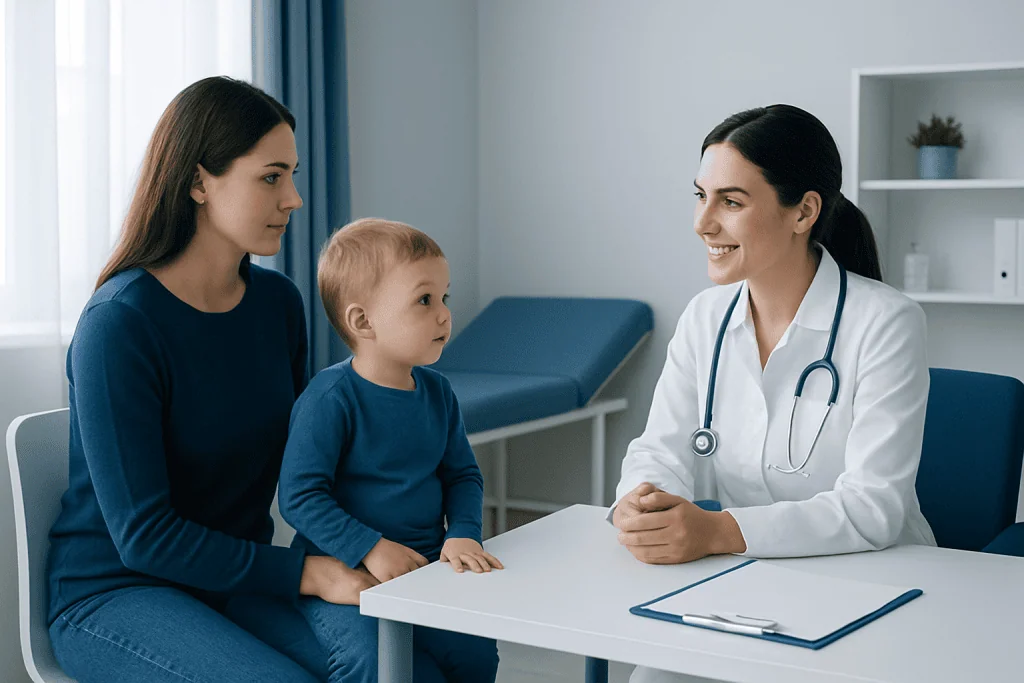
Preparing for a first pediatric visit can make the appointment smoother and less stressful. Parents may find it helpful to bring the hospital discharge summary, vaccination record if available, details of any newborn screening, and notes about birth history. It can also be useful to write down feeding frequency, wet and dirty diapers, sleep patterns, and any specific concerns noticed at home.
Practical items are important too. A diaper bag with diapers, wipes, an extra outfit, a blanket, and feeding supplies can help parents feel ready for delays or diaper changes. If the baby is formula-fed, bringing the name of the formula and feeding amounts may help the pediatrician understand feeding patterns. If breastfeeding, parents may want to note how long feeds last and whether there is any discomfort or concern.
Many families also benefit from making a short list of questions in advance. Common topics include bathing, cord care, sleep position, feeding frequency, crying, skin changes, and when to call the doctor. It is normal to have many questions at this stage, and pediatric visits are meant to provide support as well as medical assessment.
- Bring birth and hospital records if available.
- Note feeding times and diaper counts.
- List medicines, vitamins, or supplements the baby receives.
- Write down any concerns about sleep, color, breathing, or behavior.
What the Pediatrician Checks During the Visit
The first pediatric visit usually begins with basic measurements. The baby’s weight, length, and head circumference are recorded and compared with birth measurements. Weight change in the first days is especially important, because some weight loss can be normal, but excessive loss may suggest feeding or hydration issues. The pediatrician also assesses the baby’s temperature, general alertness, and overall appearance.
A careful physical examination follows. The doctor checks the skin color for jaundice, listens to the heart and lungs, examines the abdomen, hips, eyes, mouth, and genital area, and looks at the umbilical cord stump. Newborn reflexes, muscle tone, and responsiveness are also observed. This assessment helps identify common early issues and reassures families when development appears normal.
Feeding is a major focus of the first visit. The pediatrician asks how often the baby feeds, whether feeds seem effective, and how many wet and dirty diapers occur each day. Questions about spit-up, vomiting, sleep, crying, and bowel movements are also common. If there are concerns about growth, feeding technique, or jaundice, further review or testing may be advised.
Parents may also hear about the plan for future care, including the next well-child visit and the vaccination schedule. If concerns are found, the pediatrician may coordinate extra support, such as lactation guidance, follow-up weight checks, or referral for further evaluation. In some cases, babies with specific findings may need related specialist assessment, such as pediatric cardiology evaluation or pediatric surgical review if a congenital issue is suspected.
Topics Commonly Discussed With Parents
Much of the first pediatric visit is educational. Parents often receive advice on feeding frequency, safe sleep, diaper care, bathing, and how to recognize signs that a baby is getting enough milk or formula. The pediatrician may explain what is typical for newborn sleep, how often babies cry, and what stool color and diaper output usually look like in the first days and weeks.
Safe sleep is one of the most important preventive topics. Families are usually advised to place the baby on the back to sleep, use a firm sleep surface, and keep loose bedding, pillows, and toys out of the sleeping area. The doctor may also discuss how to reduce exposure to illness, the importance of hand hygiene, and how to maintain a smoke-free environment around the baby.
Parents can also ask about common newborn concerns such as hiccups, sneezing, mild skin peeling, cradle cap, or brief periods of fussiness. If the baby has symptoms that could suggest a medical condition, the pediatrician may explain the next steps and whether a diagnosis such as colic or jaundice is being considered. In many cases, simple observation and follow-up are all that is needed.
Vaccinations, Screening, and Follow-Up Care
The first pediatric visit often includes a review of the baby’s birth vaccinations and newborn screening tests. Depending on local guidelines, the baby may already have received certain immunizations in the hospital. The pediatrician explains what has been given, what is due next, and why vaccination is an important part of protecting infants from serious infections.
Newborn screening may include blood spot tests, hearing screening, and pulse oximetry or other hospital-based checks. The doctor reviews available results and discusses whether any repeat tests or additional evaluation are needed. If there are concerns about hearing, feeding, growth, or development, timely follow-up can make a meaningful difference.
Routine pediatric care continues after this first visit, with scheduled well-child appointments throughout infancy. These visits help monitor physical growth, developmental milestones, nutrition, and preventive care. If a child develops a specific issue later, the pediatrician may refer to other services, including pediatric neurology or pediatric orthopedics when appropriate.
When Parents Should Contact a Doctor Sooner
Most newborn concerns can wait for a scheduled visit, but some symptoms need more prompt medical advice. Parents should contact a doctor if the baby has poor feeding, fewer wet diapers than expected, increasing sleepiness, fever, labored breathing, persistent vomiting, worsening yellow skin or eyes, or a change in color such as bluish lips. A baby who is difficult to wake or unusually floppy should also be assessed urgently.
It is also reasonable to call if parents are unsure. Early infancy is a time of rapid change, and even experienced caregivers may have questions. Pediatricians expect these concerns and can help families decide whether home care, a same-day appointment, or urgent evaluation is best.
Ongoing pediatric care supports both the child and the family. Regular checkups allow the doctor to notice small changes before they become bigger problems and to offer practical, age-appropriate advice over time. For families seeking coordinated care, Acibadem International’s multidisciplinary specialists and JCI-accredited hospitals provide pediatric diagnosis and treatment for international patients.
Frequently asked questions
How soon should a baby have the first pediatric visit?
In many cases, the first visit takes place within a few days of going home from the hospital, often within the first week of life. The exact timing may vary depending on the baby’s health, feeding, birth weight, and any concerns identified after delivery.
What should parents bring to the first pediatric appointment?
It helps to bring hospital discharge papers, any vaccination or screening information, and notes about feeding, sleep, and diaper output. Parents may also want to bring a list of questions so they can discuss concerns clearly during the visit.
Is weight loss normal before the first visit?
Some weight loss in the first days after birth can be normal. The pediatrician checks whether the amount of weight loss is within an expected range and whether feeding and hydration appear adequate.
What does the doctor look for during a newborn checkup?
The doctor usually checks weight, length, head circumference, skin color, heart and lungs, abdomen, hips, eyes, mouth, and reflexes. Feeding, sleep, diaper output, and signs of jaundice or dehydration are also reviewed.
Will the baby get vaccines at the first pediatric visit?
Not always. The pediatrician often reviews vaccines already given at birth and explains the future immunization schedule, but whether any vaccine is due at that particular visit depends on the baby’s age and local recommendations.
What questions are good to ask at the first visit?
Parents can ask about feeding frequency, safe sleep, cord care, bathing, crying, stool patterns, and when to seek urgent help. Any concern is worth mentioning, even if it seems small, because newborn care often involves learning what is normal.
References
- American Academy of Pediatrics
- Centers for Disease Control and Prevention
- World Health Organization
- National Institute for Health and Care Excellence
This article is for general information only and is not a substitute for professional medical advice. Please consult a qualified doctor about your individual situation.
Explore treatments in Turkey — costs, top hospitals & a free quote
JCI-accredited · board-certified surgeons · reply within 24h
Add us as a Preferred Source to see more of our trusted health content across Google Search, AI Overviews and Discover.

Pediatrics
Complete healthcare for infants, children and adolescents across all sub-specialties.
232 specialists in this unit